Walking & Outdoors
A Walker's Guide to St Catherine's Woods in Jersey: Directions, Parking, and Valley Trails
Updated 23 November 2026
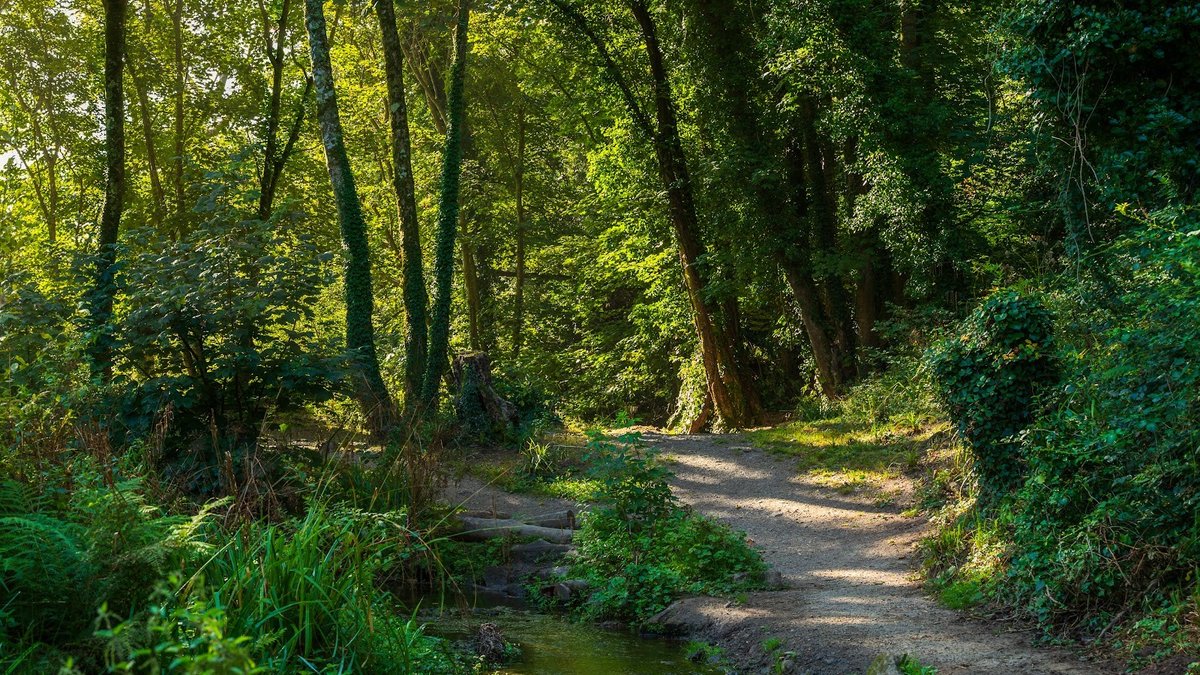
When exploring the quiet corners of Jersey's eastern parishes, St. Catherine's Woods stands out as one of the island's most enchanting inland escapes. Tucked into the parish of St Martin, this verdant, sheltered valley stretches inland from the sheltered waters of St Catherine's Bay, just a short distance from the landmark breakwater. Whether you are searching for a serene woodland stroll away from coastal winds or taking the family out to explore bubbling streams and forest hollows, this peaceful nature reserve offers an immersive taste of Jersey’s rural landscape. Known under a handful of local names and steeped in island history, the woods provide a rich tapestry of native wildlife, seasonal flora, and historic earthworks that reward careful exploration.
While Jersey is deservedly celebrated for its dramatic coastline and sweep of golden beaches, its sheltered inland valleys preserve an entirely different atmosphere. The walk through this quiet glen follows the gentle flow of a woodland stream, leading under broad canopies of oak and chestnut toward an unexpected reservoir. For first-time visitors seeking clear directions, accurate trail descriptions, and essential advice on footing and terrain, this guide brings together all the practical details you need to navigate the valley smoothly, safely, and at your own pace.
Understanding the Names and Heritage of the Valley
Locally, St Catherine's Woods is also known as Rozel Woods, the German Reservoir, or La Maseline Reservoir, and in Jèrriais as La Bouaîs'sie d'Sainte Cat'linne. The reservoir near the start was built during the German Occupation of Jersey. In addition, the woodland path is thought to follow the course of an ancient Perquage running from St Martin's parish church to the coast, perhaps once used by smugglers.
Step-by-Step Driving Directions and Parking
Reaching St Catherine's Woods can be an adventure in itself, primarily because the entrance is discreetly hidden along quiet rural lanes with virtually no prominent signposting. If you are travelling by car, following a precise sequence of turnings ensures you reach the woodland car park without getting lost in the winding country lanes of St Martin.
For visitors driving north from the harbour village of Gorey, begin by following the picturesque B29 coast road as it traces the shoreline northward. Continue along this coastal stretch until you encounter a crossroads where continuing straight ahead is prohibited by a no-entry restriction. At this junction, make a turn to the right. Immediately look out on your left for a small country road sign indicating "Rozel 2 1/2". Take this sharp turning into Le Mont des Ormes and follow the narrow lane uphill until you reach the T-junction at the summit.
At the top T-junction, turn left and let the road wind gently downward into the dip of the valley, taking you directly over the woodland stream. As you descend, watch the roadside carefully: just before you reach the give way sign, you must take a sharp right turn. This turn leads into a narrow country lane that opens directly into the dedicated car park for St Catherine's Woods. Because the turning comes up quickly on the descent, approaching at a measured speed makes it easy to spot the lane without overshooting your mark.
The Valley Trail: Routes and Terrain
The walking path is mostly flat along the valley floor under oak and chestnut trees, but stepping stones across the stream make navigation challenging with pushchairs. Walkers cross two sets of stepping stones over the stream: the first at the end of the reservoir, and a second set a short distance further along the path. Visitors can also explore contrasting routes across the island, such as the accessible Railway Walk - St Aubin To Corbiere or intertidal seabed tours with Jersey Walk Adventures.
The Reservoir, Angling, and Safety Around Water
As you enter the woods, the German Reservoir—or La Maseline Reservoir—is the first major landmark you will see. This quiet body of freshwater forms a peaceful, mirrored basin reflecting the surrounding woodland foliage. Angling is a popular pastime here, and you will frequently spot local anglers stationed along the bank, as the reservoir is stocked with carp. The calm surface of the water adds an immediate sense of stillness to the entrance of the valley.
Visitors walking with young children or energetic dogs must exercise genuine vigilance around the reservoir structure. To the right of the path as you enter the woods, the stone reservoir wall can appear remarkably tempting as an elevated walkway. However, walking along this wall carries significant risks: there is deep water directly on one side, and a steep, unforgiving drop on the other. It is strongly advised that walkers stay securely on the valley floor path and ensure that children are kept well clear of the wall edges.
For travellers interested in learning more about the defensive constructions erected across the island during the 1940s, visiting local experts like Jersey War Tours provides comprehensive context on how structures like La Maseline Reservoir fit into the broader fortification network established during the German Occupation.
Seasonal Flora and Ancient Woodlands
The botanical interest of St Catherine's Woods shifts dramatically with the changing seasons, providing vibrant displays throughout the warmer months. Because parts of the woodland were spared the heavy logging seen elsewhere on the island, the ancient trees here create a deep, established leaf litter that nurtures a remarkable succession of woodland wildflowers alongside the paths and stream banks.
Visiting during the spring months reveals a carpet of colour stretching across the valley floor. Early in the year, sunny patches of lesser celandine and delicate wild daffodils appear along the path margins, quickly followed by lush blankets of native bluebells and the dainty white petals of wood sorrel. The contrast of these fresh blossoms against the emerging green leaves of the oak and chestnut canopy makes spring an exceptional period for photography and nature observation.
As summer settles into the valley, the floral palette deepens. Walkers can spot the bright pink blossoms of herb robert and red campion lining the trailside, accompanied by towering spires of foxgloves thriving in sunny woodland clearings. The woods are also home to the rare yellow archangel, a distinctive member of the dead-nettle family whose hooded yellow flowers flourish in shaded, ancient woodland conditions. Those who enjoy discovering rare and heritage trees will also appreciate visiting The Forgotten Forest Arboretum in St Ouen, which provides a fascinating botanical contrast to the native oak and chestnut canopy of St Catherine's.
Woodland Wildlife and Birdwatching
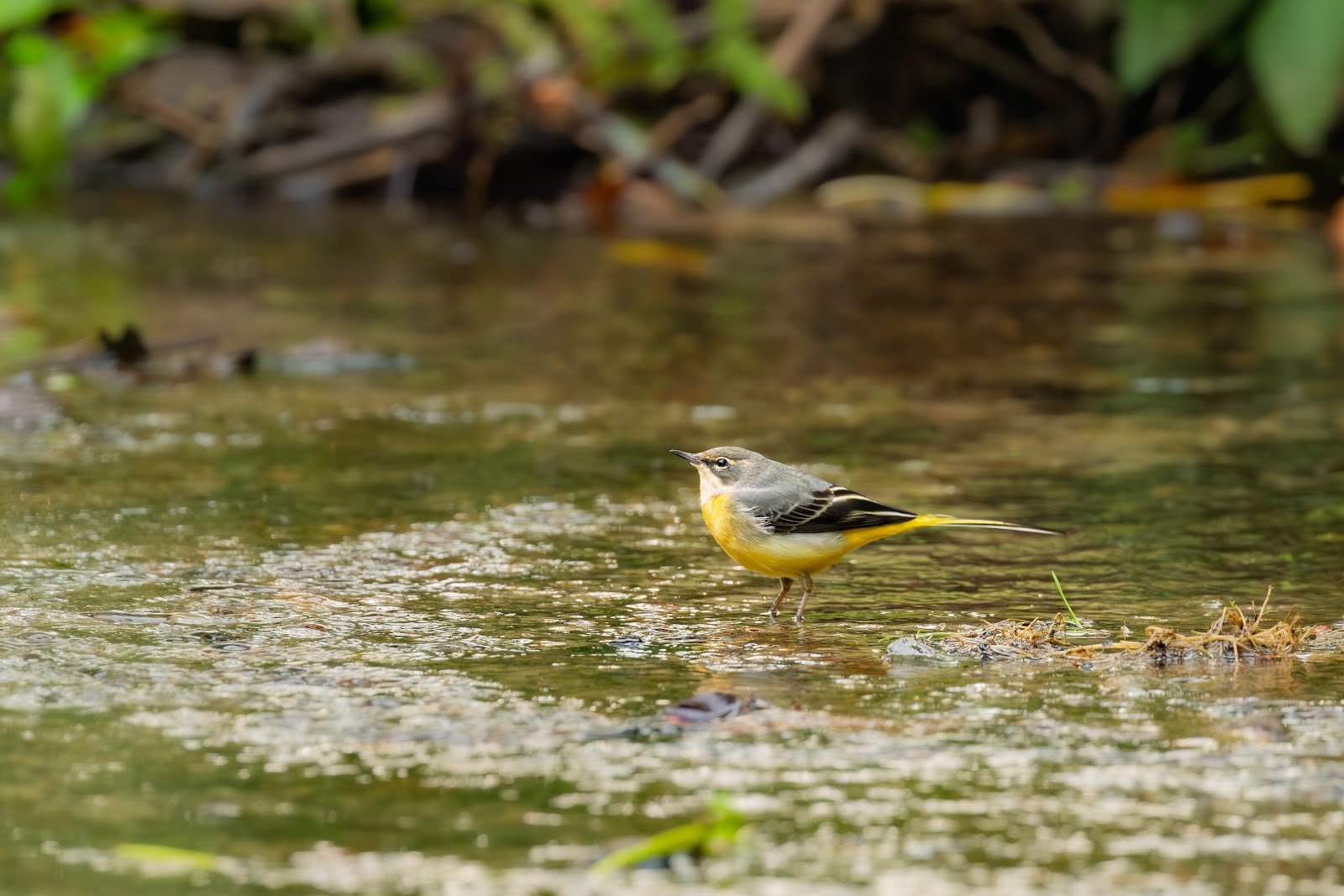
Beyond its botanical wealth, St Catherine's Woods serves as an essential wildlife refuge on the island. The dense canopy, abundant acorns, and sweet chestnuts provide ideal living conditions for Jersey's distinctive population of red squirrels. Unlike mainland Britain, where the introduction of grey squirrels has severely depleted native populations, Jersey remains a haven for the red squirrel. If you tread softly along the paths and keep an eye on the higher branches, St Catherine's Woods is one of the island's premier locations to watch these agile creatures foraging overhead.
The woods are equally rewarding for enthusiastic birdwatchers, offering shelter to both resident woodland specialists and seasonal migratory songbirds. The heavy trunks of the older oak trees provide nesting hollows and feeding grounds for the great spotted woodpecker and the short-toed treecreeper, a bird closely associated with Channel Island and European woodlands that can be observed creeping upward in spirals along tree bark.
Throughout the spring and summer breeding seasons, the valley rings with a rich chorus of birdsong. Listen carefully for the rich, musical notes of the blackcap, along with the distinctive descending songs of the willow warbler and the rhythmic, metronomic calls of the chiffchaff darting through the understorey. Taking a slow, measured walk along the valley floor with binoculars in hand offers plenty of opportunities to spot these lively woodland residents.
Play, Exploration, and Safety for Families
A clearing on the left of the trail features a rope swing and a fallen tree for climbing. Visitors should check the swing before use and exercise caution around rope swings hung over steep drops. For further guided outdoor discovery, consider nature experiences with Wild Edgewalker, or themed walks with Stroll In Jersey and History Now with Monty Losh.
Comparing Jersey's Walking Trails
To help you decide how to fit St Catherine's Woods into your walking itinerary on the island, the table below highlights how this eastern valley trail compares to other popular walking experiences across Jersey in terms of terrain, accessibility, and notable highlights:
| Trail Name | Location | Terrain & Gradient | Accessibility Notes | Key Highlights |
|---|---|---|---|---|
| St Catherine's Woods | St Martin (East Coast) | Mostly flat valley floor, unpaved woodland paths, two stream crossings | Not suitable for pushchairs due to stepping stones | German Reservoir, red squirrels, stepping stones, bluebells, ancient trees |
| The Railway Walk | St Aubin to La Corbière (West/South) | Gentle, steady climb along an old railway corridor; well-graded surface | Suitable for pushchairs and electric wheelchairs | Tree-lined railway relics, panoramic bay views, La Corbière Lighthouse |
| Seymour & Icho Intertidal Walks | South-East Coast (Ramsar Site) | Exposed sandy seabed, rock pools, gullies, wet sand | Requires guided access and confident mobility on wet ground | Offshore defensive towers, marine wildlife, vast low-tide wilderness |
| Val de la Mare Arboretum | St Ouen (West Coast) | Undulating parkland paths skirting Val de la Mare Reservoir | Variable walking paths; check ground conditions after storms | International tree collection, giant redwoods, red squirrels, lakeside scenery |
Practical Tips for Planning Your Walk
A successful stroll through St Catherine's Woods comes down to a few practical considerations. Because the valley trail follows the course of a natural stream and sits beneath a dense woodland canopy, ground conditions can become damp and muddy, particularly following periods of heavy rain. Wearing sturdy walking shoes or walking boots with reliable tread is strongly recommended. Proper footwear makes negotiating the two sets of stepping stones much safer and helps prevent slipping on slick stones or wet tree roots along the path.
When planning your visit, remember that the nature reserve is an undisturbed, natural habitat. Pack along sufficient drinking water, and ensure you take all litter home with you to preserve the pristine environment for the red squirrels, nesting birds, and local plant life. While the stepping stones rule out standard pushchairs, families carrying infants in structured carriers will find the flat valley floor very manageable and thoroughly rewarding.
After finishing your woodland walk, you can easily combine your outing with an exploration of the wider eastern shoreline. St Catherine's Bay and its historic breakwater sit just down the valley, making it easy to transition from the cool shade of ancient oak and chestnut woods to the sweeping maritime views of Jersey's eastern coast.
Cover photo: St. Catherine's Woods - Daniel Rive
By Alyssa.
Sources and further information
Sources checked: 2026-11-23.