Things To Do
A Guide to Bird Watching in Jersey: Top Habitats, Coastal Spots, and Seasons
Updated 12 November 2026
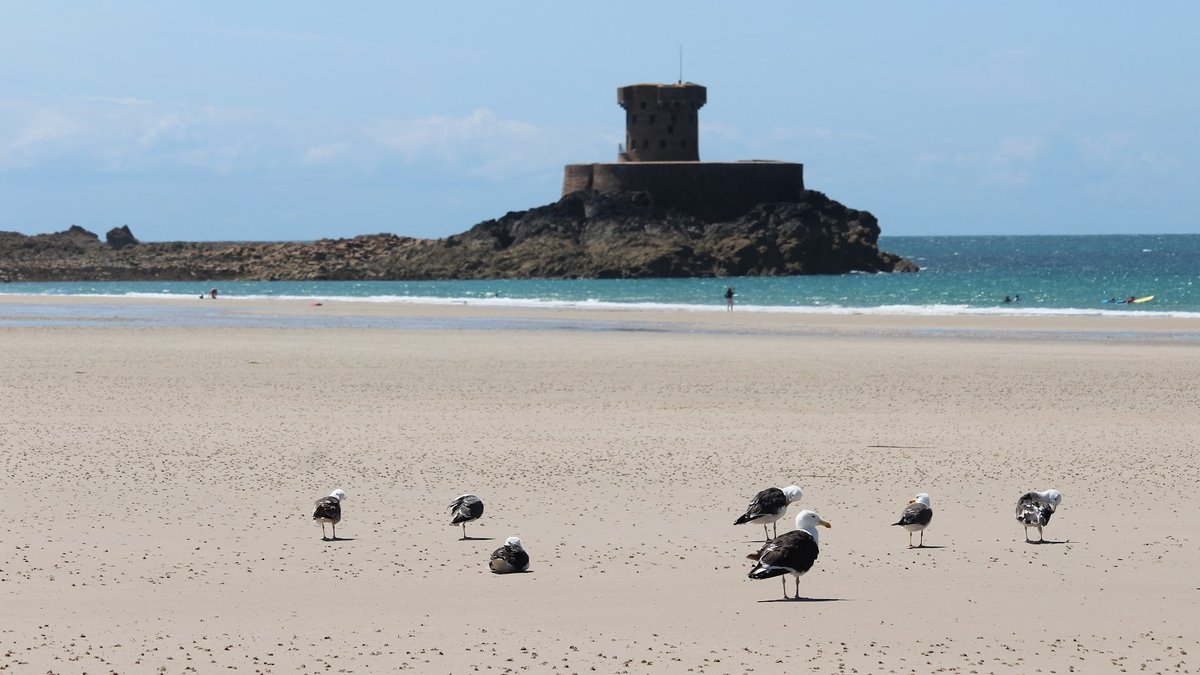
When planning outdoor exploration in the Channel Islands, bird watching in Jersey Channel Islands quickly reveals itself as one of the most rewarding naturalist pursuits in the British Isles. Despite measuring an accessible 45 square miles, the Bailiwick of Jersey packs an extraordinary ecological variety into its borders. Its unique geographical standing off the French coast, paired with an exceptionally mild winter climate and an immense tidal range, makes the island an irresistible magnet for migratory flight paths and resident colonies alike. In total, over 340 species of birds have been officially recorded across the Bailiwick, offering seasoned ornithologists and casual nature enthusiasts incredible viewing opportunities throughout every season.
Whether your goal is scanning the intertidal flats as the sea recedes, tracking birds across wild sand dunes, or watching wildfowl from custom hides, understanding Jersey birdwatching begins with exploring how the island's terrain shapes its birdlife. In this guide, I will take you through the primary bird habitats found across the island, highlight key coastal observation points, review the seasonal rhythms of migration, and share essential conservation guidelines for respectful wildlife watching.
The Landscape: A Mosaic of Island Bird Habitats
The remarkable concentration of birds Jersey Channel Islands sustains is rooted directly in the island's landscape diversity. Despite spanning an area of only forty-five square miles, Jersey encompasses an astonishing breadth of distinct environments packed closely together. In a single morning, one can journey from exposed maritime cliffs battered by sea winds to sheltered freshwater reedbeds, undulating sand dunes, and quiet inland wooded valleys. This rich ecological mosaic provides distinct, high-value niches within brief traveling distances, ensuring that varied species discover vital feeding grounds, roosting shelter, and nesting cover through every stage of the annual cycle.
- Expansive Intertidal Bays: Jersey is shaped by an extremely wide tidal range that repeatedly empties out vast coastal bays, transforming deep bays into extensive intertidal flats. These sweeping mudflats and sand flats serve as rich foraging grounds for hungry shorebirds and wintering geese searching for marine invertebrates.
- Coastal Cliffs and Maritime Heathlands: Dramatic rocky ramparts and coastal headlands flanking the coastline provide sheer cliff edges, grassy maritime slopes, and windswept heathlands that serve as essential habitat for specialized open-ground and cliff-dwelling bird life.
- Sand Dune Systems: Extensive coastal dunes, including those sweeping across the western shore, create vital transitional microhabitats that soften the transition between open ocean beaches and fragile low-lying marshes.
- Freshwater Wetlands and Reedbeds: Freshwater margins, wetlands, and reedbeds create an invaluable inland freshwater network where waders and waterfowl forage and rest undisturbed.
- Wooded Inland Valleys and Reservoirs: Sheltered valleys feature mature tree canopies, traditional hedgerows, and calm inland water bodies that offer inland refuge when coastal conditions become rigorous.
Because these differing environments are clustered across a manageable geography, visiting birders can easily sample multiple habitats during a single outing. Moving across tidal bays, heath-fringed coastal cliffs, and peaceful freshwater reedbeds illustrates precisely why over 340 bird species have found refuge across the Bailiwick over time.
The Wetland Centre: Thoughtful Infrastructure for Wetland Viewing
For visitors seeking premier wetland bird watching on Jersey, the Wetland Centre represents a masterclass in low-impact visitor infrastructure. Rather than constructing a conspicuous hide that could disrupt sensitive waterfowl and waders, planners carefully integrated the visitor centre directly into the surrounding coastal terrain. Birdwatchers approach the facility via an entrance door that opens into an understated tunnel bored straight through an existing sand dune mound. Emerging on the other side of this subterranean passage, the tunnel opens into an expansive viewing area that reveals panoramic vistas across an adjoining freshwater pond and lush reed bed.
The external structure of the facility incorporates a living green roof designed to blend seamlessly with the natural coastal contours, helping the building vanish into the landscape while actively offering living habitat for native wildlife and flora. Inside the hide, the design prioritizes high-quality, non-intrusive wildlife observation. A total of 16 viewing windows line the walls, carefully engineered at multiple varying heights. This thoughtful arrangement allows adults, young children, and visitors with disabilities to comfortably observe wildlife from tailored perspectives. Most importantly, the specialized windows let birders monitor resident waders and resting waterfowl completely undetected, preventing human disturbance while birds feed, bathe, and preen in their natural reedbed sanctuary.
Tidal Flats and Coastal Shorelines: Wintering Waders at La Rocque
The intertidal expanses of Jersey are dynamic ecosystems where maritime bird life thrives. Among the prime shoreline destinations, La Rocque stands out as a key coastal spot for coastal birdwatching. Here, the island's extraordinary tidal retreat leaves exposed vast stretches of wet sand, shallow pools, and shoreline substrate packed with marine invertebrates.
Waders overwinter in Jersey primarily between November and February, seeking refuge from the harsher, frozen feeding grounds of northern Europe. However, their presence along Jersey's shores is not restricted solely to the depths of midwinter. Post-breeding individuals actually begin arriving along the shoreline at the end of summer, having concluded their nesting duties in northern regions. Observing these flocks at coastal locations like La Rocque allows birders to see how specialized bills and long legs allow different wader species to probe the sand and mud at varied depths along the water's edge.
Inland Freshwater Habitats: Queen's Valley Reservoir
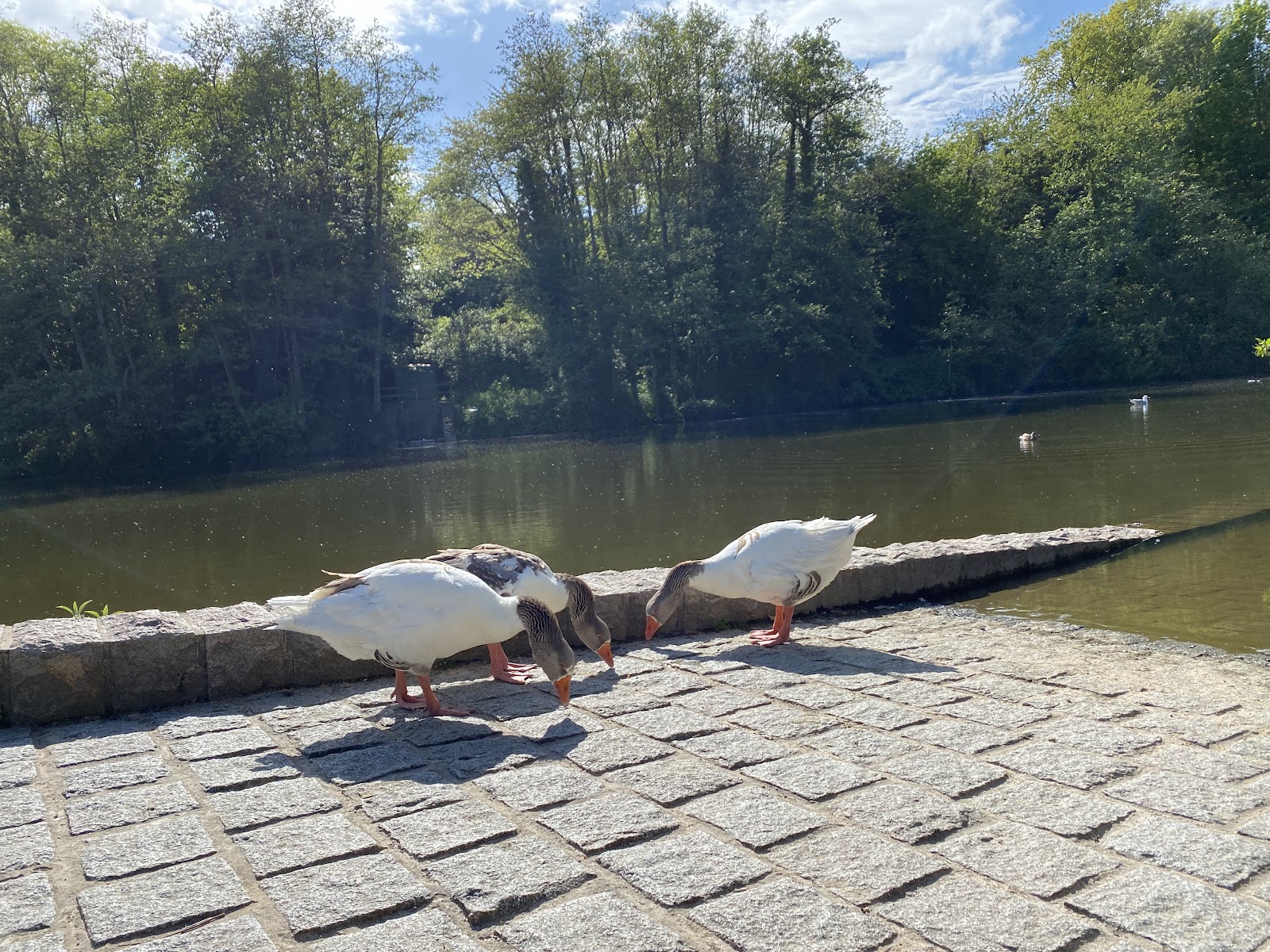
While the coastlines capture much of the attention in Channel Island birding, inland freshwater reserves provide an equally essential sanctuary for avian life. A standout among these inland locations is Queen's Valley Reservoir, Jersey's largest and newest reservoir. Completed in November 1991 and maintained by Jersey Water, this facility consists of two distinct bodies of water, with the lower section being significantly larger, providing a maximum holding capacity of 1,193 megalitres.
Surrounding the water are scenic walking routes, including a 1.9-mile (3.1-kilometre) circuit that winds through bordering woodlands and native hedgerows. The combination of open freshwater, bankside vegetation, and canopy cover supports diverse bird populations. Observers walking along the pathways frequently spot species such as moorhens, mallard ducks, and cormorants foraging in the water or drying their plumage along the margins. The network of paths makes Queen's Valley Reservoir an excellent spot for combining peaceful walking with steady freshwater birdwatching.
The Western Coast and Marine Vantage Points

Jersey's sweeping western coastline is anchored by St Ouen's Bay, affectionately known as "The Five Mile Road." Stretching along the west of the island, this expansive beach faces the full force of the Atlantic swell. Beyond being a notable recreational destination, the scale of the bay means quieter stretches are readily accessible with a short walk, making it a valuable setting to observe coastal bird species traversing the shoreline or sheltering in the adjacent dune expanses.
For those interested in exploring offshore vantage points or observing the coastal cliffs from sea level, marine excursions operated by providers such as Jersey Seafaris offer routes around the island's rugged coastline and out to offshore reefs like Les Écréhous and Les Minquiers. Exploring near coastal cliffs and caves from the water offers unique perspectives on the sheer rock faces where sea birds roost, all while experiencing one of the world's most impressive tidal systems.
Seasonal Rhythms: What to Expect Through the Year
Jersey island birds change substantially throughout the calendar, influenced heavily by maritime weather and continental migration patterns. Tailoring your visit to these natural rhythms ensures you encounter the specific species and bird behaviors you are hoping to see.
| Season | Timing | Key Avian Highlights | Prime Habitats |
|---|---|---|---|
| Autumn Passage | Late Summer to October | Arrival of post-breeding waders, passage migrants moving south toward wintering ranges. | Shorelines, coastal bays, and sand flats. |
| Winter Overwintering | November to February | Peak concentration of wintering waders, wildfowl, and geese taking advantage of the mild winter climate. | Intertidal bays like La Rocque, sheltered reedbeds, inland reservoirs. |
| Spring Migration | March to May | Return of passage migrants moving northward, courtship displays, arrival of breeding wetland birds. | Freshwater ponds, coastal dunes, inland valleys. |
| Summer Breeding | June to August | Breeding waterfowl, active nesting along coastal cliffs and maritime heathlands. | Coastal cliffs, wooded inland valleys, protected reedbeds. |
Conservation Initiatives: The Birds on the Edge Project
One of the most inspiring facets of bird conservation on the island is the proactive work being done to revive declining species and restore degraded habitats. A cornerstone of these efforts is the Birds on the Edge initiative, a collaborative project established between the Government of Jersey, the Durrell Wildlife Conservation Trust, and the National Trust for Jersey.
Historically, shifts in agricultural methods and grazing practices along coastal slopes caused significant ecological changes. These land-use modifications notably led to the extinction of the red-billed chough (Pyrrhocorax pyrrhocorax) in Jersey around the year 1900, as the birds lost the closely cropped maritime grassland slopes they depended upon for foraging. Through the Birds on the Edge project, conservationists are actively restoring Jersey's coastal lands and maritime slopes, creating the sustainable conditions necessary to reinstate the red-billed chough and protect other coastal bird species sharing this sensitive landscape.
Legal Protections: The Wildlife (Jersey) Law 2021
Jersey places strict legal weight behind the preservation of its wildlife. Birders exploring the island should be aware that under the Wildlife (Jersey) Law 2021, all bird species, along with their active nests and eggs, receive full legal protection across the Bailiwick. This robust legal framework ensures that breeding, roosting, and foraging grounds remain safe from intentional harm, disturbance, or destruction.
The law outlines only four specific bird species that are exempt from these blanket statutory protections: the carrion crow, feral pigeon, wood pigeon, and magpie. For all other species across the island, visitors must observe strict non-interference. When watching birds in Jersey, staying on designated paths, maintaining quiet discipline inside hides, and keeping a respectful distance from feeding flocks along the shoreline ensures you comply with local statutes while protecting Jersey's rich natural heritage.
Practical Advice for Field Birding in Jersey
To make the absolute most of your field outings and enjoy birdwatching on Jersey to its fullest potential, keeping several sensible field habits in mind will guarantee rewarding and responsible sightings across every season:
- Monitor the Tide Tables Closely: Because Jersey is characterized by an exceptionally wide tidal range, the movement of seawater strongly dictates avian routines along the perimeter of the island. Shorebirds and waders consistently track the advancing and receding waterline to probe exposed flats for nourishment. Planning visits to intertidal hotspots such as La Rocque around the turn of the tide ensures you witness peak foraging activity as birds concentrate along the water's edge.
- Take Full Advantage of Purpose-Built Hides: When exploring sensitive marshlands and reedbeds, rely on established infrastructure like the Wetland Centre. Its 16 viewing windows allow birders to observe waders and waterfowl at close quarters without introducing noise or visual disturbance that might cause resident birds to flush.
- Combine Diverse Island Habitats: Avoid confining your excursions purely to coastal shoreline walks. Complementing your time on intertidal sand flats and coastal cliffs with visits to sheltered sand dunes, marshlands, and inland freshwater locations like Queen's Valley Reservoir ensures a broad, comprehensive cross-section of Jersey's recorded species list.
- Protect Overwintering Flocks: During the crucial wintering window spanning November through February, give feeding waders plenty of space. Forcing shorebirds into unnecessary evasive flights depletes critical caloric energy needed to withstand cold winter temperatures.
From the immense intertidal sand flats at La Rocque to tranquil inland reservoirs and the concealed dune tunnel of the Wetland Centre, Jersey offers an exceptional setting for amateur and experienced ornithologists alike. Working in harmony with local tides, seasonal migrations, and statutory protections under the Wildlife (Jersey) Law 2021 ensures this remarkable Channel Island remains a thriving haven for birds and birdwatchers for generations to come.
Cover photo: St Ouen's Bay
By Alyssa.
Sources and further information
- Wader Watch - Société Jersiaise
- Birds, Birding Trips and Birdwatching Tours in Bailiwick of Jersey - Fat Birder
- Queen's Valley Reservoir
Sources checked: 2026-11-12.