Attractions
A Guide to the Pallot Steam, Motor & General Museum in Jersey
Updated 3 November 2026
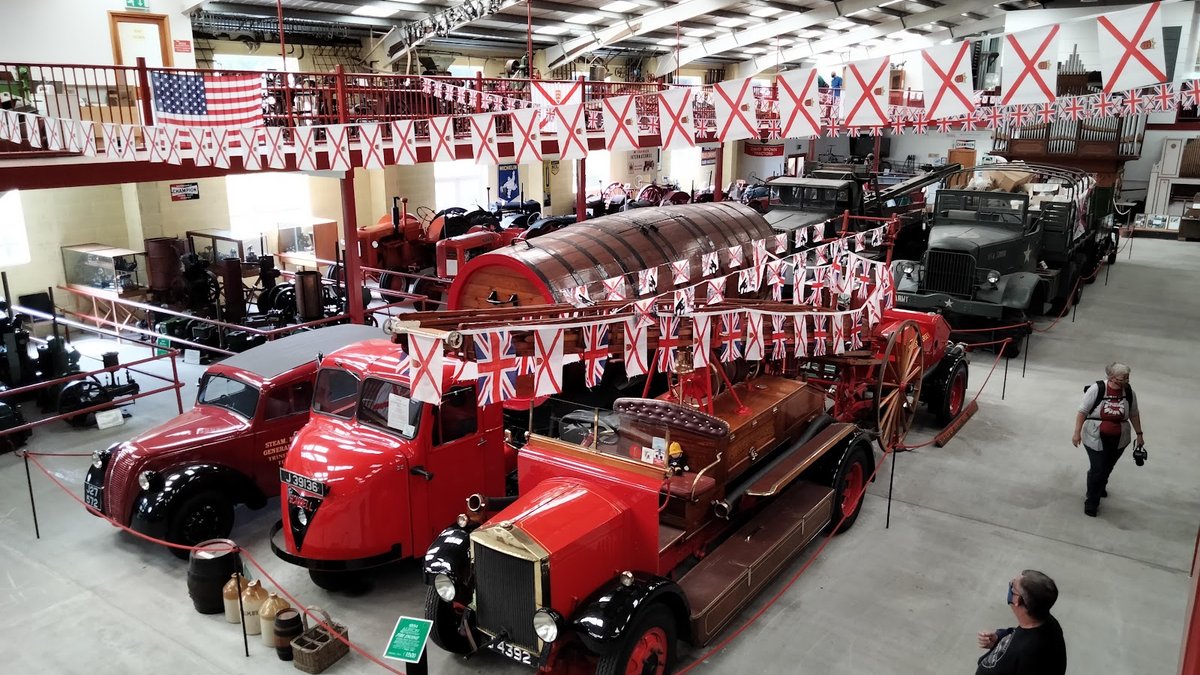
Tucked into the rural countryside of Trinity, the Pallot Steam, Motor & General Museum stands as one of the most distinctive heritage attractions in the Channel Islands. For anyone who appreciates the clanking charm of vintage machinery, the aroma of steam oil, or the elegant lines of early motoring engineering, this expansive site provides a memorable journey through agricultural, transport, and mechanical history. Known locally to many as simply the pallot steam museum jersey, the site brings together a vast assortment of vintage machinery that reflects both the island's unique mechanical past and wider historical engineering achievements.
Whenever I look into days out in the island's quieter northern parishes, this venue consistently stands out for its individuality and depth. Rather than presenting polished corporate displays behind velvet ropes, the pallot steam and motor museum delivers an authentic, immersive look at the engines and implements that shaped working life across generations. Whether you are a dedicated heritage transport enthusiast, a family seeking an interesting afternoon away from the coast, or an island visitor curious about local craftsmanship, the collection offers an absorbing visit. In this guide, I will walk you through what you can expect to see across the exhibits, the story behind the collection, practical considerations for planning your journey, and how to fit the museum into a broader itinerary exploring Jersey.
The Origins of the Pallot Collection and the L C Pallot Trust
The story of the museum is inseparable from its founder, the late Lyndon Charles Pallot, widely and affectionately remembered across Jersey simply as 'Don'. A respected and beloved figure on the island, Don Pallot possessed an extraordinary passion for rescuing, restoring, and preserving historic machinery that might otherwise have been scrapped or lost to time. As agricultural and industrial practices modernized rapidly through the twentieth century, he recognized the vital importance of holding on to the tools, vehicles, and steam implements that had driven everyday life on the island and beyond.
To ensure that this remarkable assembly of machinery would remain intact and accessible to future generations, the L C Pallot Trust was established in 1985. The express object of the trust was to promote the permanent preservation of steam engines, farm machinery, motor vehicles, and associated transport memorabilia. Today, the trust continues to manage the site under that foundational vision, with Don Pallot's surviving sons and daughters acting as trustees. Their stewardship maintains the family ethos and personal character that define the site, giving it a welcoming and dedicated atmosphere that honors Don's lifetime of preservation work.
The Evolution of the Site: Buildings, Platforms, and Sheds
The museum has expanded considerably since it first welcomed the public. When it originally opened its doors in 1990, the exhibits were arranged within older buildings on the property. As the collection grew and more large-scale exhibits were acquired and restored, the site required purpose-built facilities capable of protecting and displaying heavy engineering equipment, rolling stock, and vintage transport.
This led to a major development on Liberation Day in 1996, a date of deep significance throughout Jersey. On that day, the museum officially opened a dedicated Engine Shed alongside an evocative Victorian-style station platform. The ceremony, conducted by Senator Dick Shenton, marked an important leap forward, giving the museum the physical infrastructure to showcase railway stock and steam equipment in an appropriate period setting.
Continued growth spurred another significant expansion just six years later. On Liberation Day in 2002, a large extension to the Engine Shed was officially completed and opened by Mr Michael Wilcock, the former owner of the Jersey Motor Museum. This 2002 extension dramatically transformed the visitor experience, creating a much brighter and more spacious environment where visitors could walk freely among substantial industrial machinery, grand instruments, and classic motor vehicles without feeling crowded.
Vintage Steam Engines and Heavy Machinery
At the mechanical core of the pallot steam motor museum jersey is its impressive array of steam machinery. Steam power was the driving force behind industry, heavy haulage, and agricultural processing for well over a century, and the museum's collection captures that era with a diverse variety of operational and preserved exhibits. Walking through the main sheds, you are surrounded by the impressive ironwork, massive flywheels, and intricate brass fittings of a bygone industrial age.
The steam section highlights the immense mechanical ingenuity required to harness heat and water for heavy labor. Visitors can inspect vintage traction engines, stationary power plants, and steam road vehicles up close, examining the ingenious gearing and heavy boilers that powered farms and civil works. The sheer scale of these engines offers a fascinating contrast to modern, computer-controlled machinery, making it an educational stop for younger visitors who may never have seen working steam equipment outside of history books. Informational displays and the authentic presentation within the Engine Shed convey the physical reality of the industrial revolution and its lasting impact on transport and working life.
Agricultural Heritage and Historic Farm Equipment
Jersey has a long, proud farming tradition, and agriculture has shaped its landscape and rural culture for centuries. The pallot museum serves as a critical repository for the mechanical tools that fueled this agricultural heritage. Alongside its road transport displays, the museum houses an extensive variety of historic tractors, plows, threshing machines, and specialized farming implements that were once common sights across the fields of the island.
These agricultural displays illustrate the transition from traditional horse-drawn farming methods to early mechanization. You can trace the development of small-scale farm tractors designed to navigate tight country lanes and sloping fields, as well as the heavy-duty implements utilized for harvesting and soil preparation. For anyone with an interest in rural history, seeing these preserved implements side by side provides tangible context for how islanders lived, worked, and sustained their communities through changing economic times.
Motor Vehicles, Classic Cars, and Vintage Bicycles
Beyond steam power and farming equipment, the pallot steam and motor museum boasts a vibrant transport collection spanning classic passenger cars, commercial vehicles, and two-wheeled transport. Motor enthusiasts can admire vintage automobiles from different eras, showcasing the rapid aesthetic and technological evolution of the automotive industry during the early and mid-twentieth century.
Complementing the motorcars is an intriguing assortment of vintage bicycles. These early cycles, ranging from utilitarian work bikes to classic recreational models, illustrate how personal mobility developed alongside motorized transport. Together with historic commercial lorries, vans, and utility vehicles that once serviced local trades, this segment of the collection captures the texture of day-to-day road transport in decades past. The vehicles are arranged to allow close viewing, enabling visitors to study the craftsmanship of historic bodywork, early dashboards, and distinctive period styling.
The Musical Marvels: Church Pipe and Compton Theatre Organs
One of the most surprising and delightful aspects of the pallot steam motor & general museum is that its collection extends well beyond vehicles and engines. The museum is home to a variety of historic organs, reflecting Don Pallot's wide-ranging appreciation for complex mechanical and pneumatic engineering. Foremost among these instruments are two magnificent showpieces: a traditional Church Pipe Organ and an extraordinary Compton Theatre Organ.
Moving these colossal instruments into the museum was a monumental undertaking. During the 2002 expansion, both the pipe organ and the theatre organ were painstakingly dismantled, relocated, and reconstructed within the brighter, more spacious setting of the extended Engine Shed. Theatre organs were originally designed to accompany silent films and provide grand, versatile musical entertainment in early twentieth-century cinemas, using complex ranks of pipes, blowers, and percussion effects to mimic a full orchestra. Having such an instrument situated alongside heavy steam traction engines and vintage roadsters makes the Pallot collection truly unique among transport and heritage museums.
Practical Visitor Information: 2026 Season, Opening Times, and Tickets
Planning ahead is essential when visiting rural attractions in Jersey. For the 2026 season, the museum opened on 7th April 2026, operating from 10:00 to 17:00 on Tuesdays and Fridays in April, May, June, and October, and Tuesdays, Wednesdays, Fridays, and Saturdays in July, August, and September.
Admission fees for 2026 are £12.00 for adults, £10.00 for senior citizens, £3.00 for children, and free for children under 5 years, payable by cash, credit, or debit cards. The museum is located at Rue de Bechet in the parish of Trinity (JE3 5BE).
Accessibility and On-Site Experience
Ensuring that historic collections are accessible to all visitors is an important consideration when traveling. The pallot heritage steam museum facility is wheelchair friendly, allowing visitors with reduced mobility, wheelchair users, and families with prams to navigate the main display areas comfortably. The broad layout of the 2002 extended Engine Shed and the open design of the Victorian-style station platform provide ample room to circulate among the exhibits without navigating difficult barriers or cramped bottlenecks.
A typical visit can easily occupy between one and two hours, depending on your level of interest in mechanical heritage, vintage automobiles, and musical instruments. The atmosphere is generally calm, unhurried, and welcoming, making it an excellent stop for multi-generational groups where grandparents, parents, and children can find different points of curiosity. The juxtaposition of massive steam engines with fine musical organs and classic bicycles means that even visitors who do not consider themselves die-hard mechanical buffs will discover something intriguing on display.
Getting to Trinity: Public Transport and Driving Directions

The museum is situated in the picturesque parish of Trinity, characterized by leafy lanes and quiet countryside. If you are exploring the island by car, Rue de Bechet is easily accessed from the main routes heading north out of St Helier. Parking is available on-site, making driving a straightforward option for those touring the island at their own pace.
For travelers relying on public transport, Jersey's bus network provides accessible options to reach the museum, operated by LibertyBus. Visitors heading to Trinity can choose between two primary bus routes depending on their walking preferences:
- Route No. 5 (A9): This bus stops directly at Rue du Bechet. From the bus stop, visitors have an approximate half-mile walk down rural lanes to reach the museum entrance.
- Route No. 4 (A8): This bus stops at Les Ifs in Augres. From this stop, the walk to the museum is approximately one mile, offering a pleasant stroll through the Trinity countryside.
Given the walk from the bus stops along rural roads, visitors traveling on foot are advised to wear comfortable walking shoes and take care along narrower stretches of lane.
Exploring Nearby Attractions Across Jersey
A visit to the museum pairs naturally with other cultural sites across the island. Rural history continues at the Hamptonne Country Life Museum in neighboring St Lawrence, while the nearby Jersey War Tunnels - German Underground Hospital explores the wartime Occupation.
Military heritage enthusiasts can explore fortifications preserved by the Channel Islands Occupation Society (Jersey) Limited, bunkers at Strongpoint Corbière, or wartime relics at The Channel Island Military Museum in St Ouen. Near St Helier, visitors can also discover maritime history at the Maritime Museum.
Planning Your Visit to the Pallot Steam Museum
A visit to the pallot steam museum offers an engaging and tangible connection to mechanical ingenuity and local heritage. Because the museum operates on specific scheduled days each week during the April-to-October window, it is always wise to double-check that your planned visit aligns with the seasonal timetable before setting out. Combining your trip to Rue de Bechet with a scenic drive through the northern lanes of Trinity or a stop at a nearby rural attraction makes for an enjoyable day discovering the island's rich heritage.
Cover photo: The Pallot Steam, Motor & General Museum
By Alyssa.
Sources and further information
- Pallot Steam, Motor & General Museum Trinity Jersey
- The Pallot Steam, Motor & General Museum - Vibrant Jersey
Sources checked: 2026-11-03.