Destinations
Top Things to Do in Jersey: The Island's Best Attractions and Activities
Updated 12 October 2026
When planning a journey across the English Channel, understanding Jersey’s geography and maritime environment is the essential starting point for an unforgettable stay. Measuring roughly nine miles wide by five miles long, Jersey possesses an astonishing concentration of open coastline, deeply layered military fortifications, peaceful rural parishes, and prehistoric archaeology. If you are compiling your personal list of 10 things to do in jersey, you will quickly notice that island life does not run to a rigid city-break schedule. Jersey is governed by the rhythm of the sea. Boasting one of the largest tidal ranges in the world, the ocean recedes twice daily to expose vast expanses of rocky intertidal plains, ancient reefs, and temporary causeways, before sweeping back against towering granite ramparts and coastal cliffs.
Because of this dynamic environment, planning your daily itinerary demands thoughtful attention to timing. Attractions like offshore tidal citadels and guided seabed walks are strictly synchronised with the rise and fall of the Atlantic, whereas subterranean war tunnels, sheltered country vineyards, and cliff-top ruins offer fascinating excursions regardless of maritime conditions. For anyone searching for fun things to do in jersey uk travellers can easily access, or researching fun things to do in jersey reddit community discussions frequently highlight, the secret lies in balance: combining atmospheric medieval strongholds and Second World War heritage with open-air coastal adventures, country tastings, and Neolithic monuments. In this practical guide, I will walk you through the island’s standout destinations, unpack crucial tidal and transport logistics, and demonstrate how to cluster your sightseeing geographically so you spend more time absorbing the local character and less time navigating country lanes.
Signature Heritage: Castles, Fortresses, and Wartime Tunnels
Jersey’s geopolitical position—nestled in the Bay of St Malo roughly 14 miles off the French coast—has made it a strategic borderland for nearly a thousand years. Its landscape is marked by fortifications that trace the evolution of military engineering from medieval siege works to the reinforced concrete gun batteries of the Second World War. When surveying essential things to do in jersey channel islands visitors revere, these three signature heritage landmarks form the foundation of any comprehensive visit.
Elizabeth Castle: The Offshore Citadel
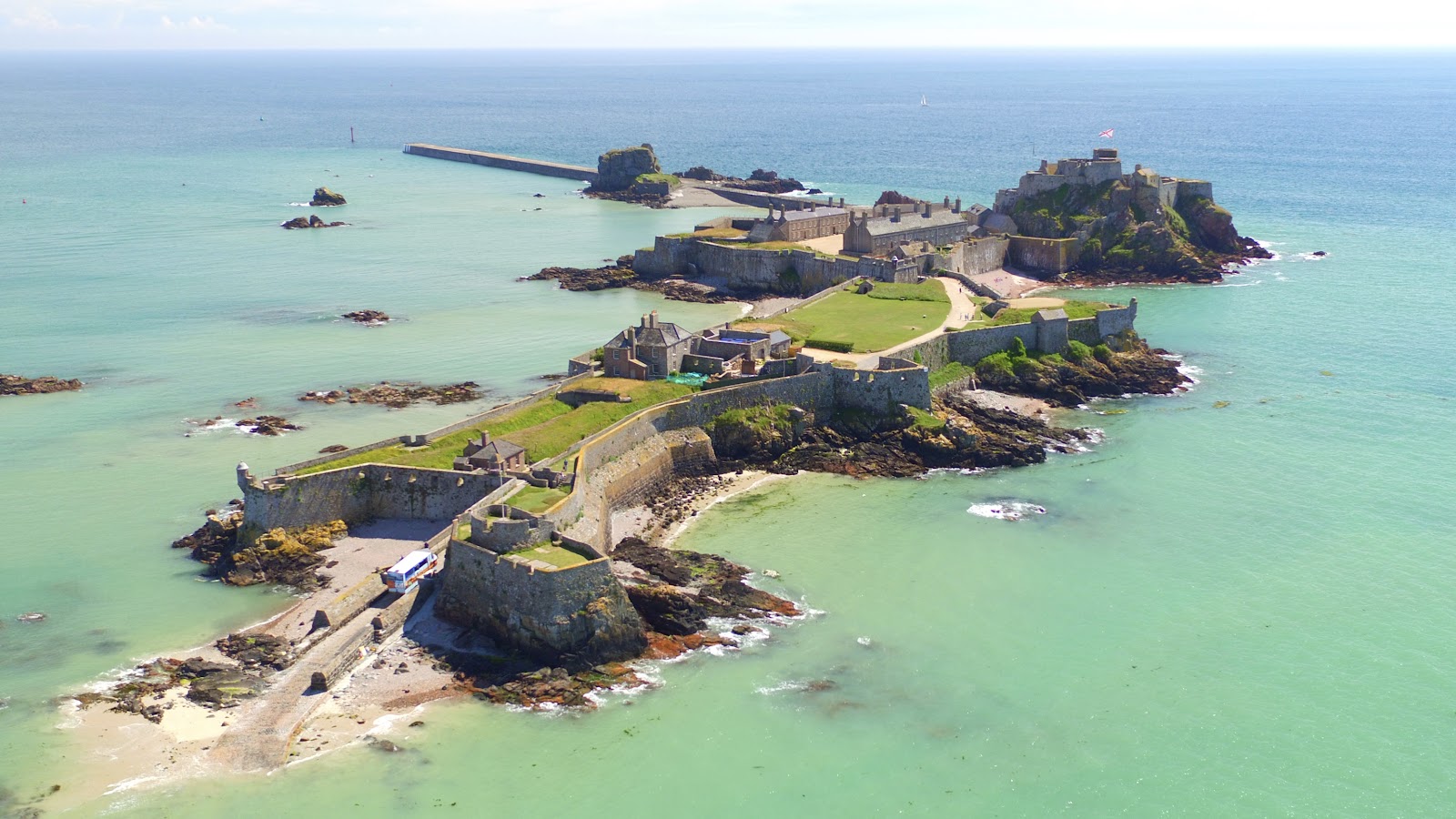
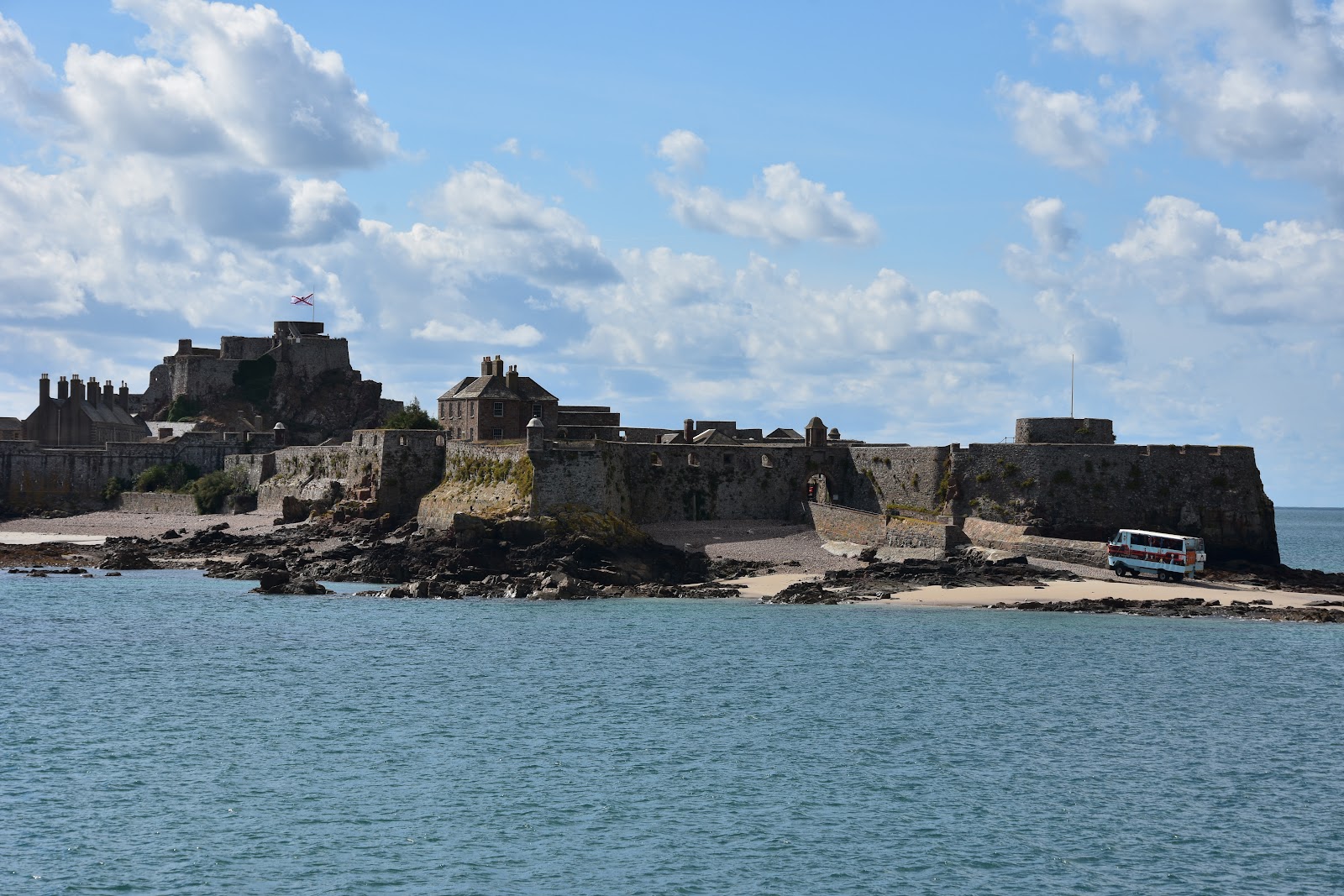
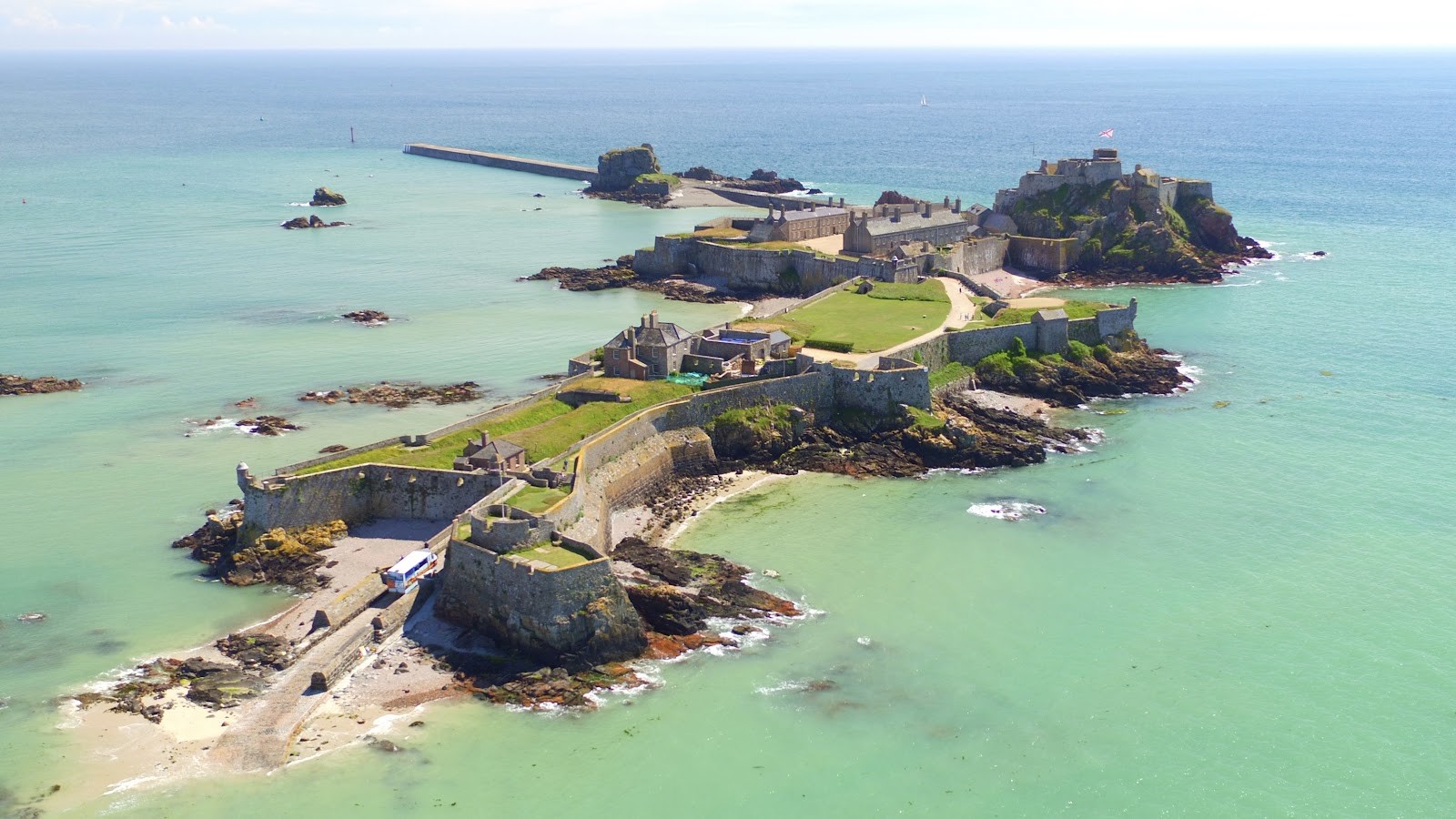
Guarding the waters of St Aubin’s Bay just off the capital of St Helier, Elizabeth Castle stands as a dramatic testament to the island's defensive history. Construction of the fortress began in the late 16th century when the advent of gunpowder and ship artillery rendered the older medieval stronghold at Mont Orgueil vulnerable to naval bombardment. Named after Queen Elizabeth I by Sir Walter Raleigh—who served as Governor of Jersey between 1600 and 1603—the 15-acre fortress spent more than four centuries serving as the primary bastion defending the south coast.
The castle grounds encompass multiple eras of military architecture. Lofty battlements look out across the waters of the bay, while the restored Officers’ Quarters and Georgian Military Hospital recreate the living conditions of garrisoned soldiers. An on-site exhibition recounts the story of the Jersey Royal Militia, and the hermitage rock perched at the extreme seaward tip marks the traditional 6th-century dwelling of Saint Helier, the island’s patron saint. During the Second World War, the German military refortified the site, adding reinforced concrete bunkers and coastal gun emplacements that now sit alongside Tudor and Georgian stonework.
Reaching Elizabeth Castle is an experience defined entirely by the ocean. The stronghold is situated on a rocky islet in St Aubin’s Bay and is completely cut off by the tide twice every day. At low tide, a stone causeway emerges from the seabed, allowing visitors to walk directly across the bay from the Westpark Slip near Les Jardins de la Mer. When the tide rises, the causeway is submerged under several metres of water, and transit transfers to the amphibious Castle Ferry, which drives across the sand before navigating the open water. Jersey Heritage operates the site seasonally; for 2026, the gates open from 18 March to 24 October between 10am and 5.30pm (with the final return ferry departing the castle at 5pm), and from 25 October to 1 November between 10am and 4pm (last return ferry departing at 3.30pm). A combined castle and return ferry admission costs £24.50 for adults, £16.45 for children and students, and £23.50 for seniors, while visitors choosing to walk both ways can purchase castle-only admission for £19.50. Because strong winds and exceptional spring tides can occasionally alter causeway access or ferry operations, checking daily tide tables and calling the site office (+44 (0) 1534 634048) on the morning of your visit is a sensible precaution.
Mont Orgueil Castle: The Medieval Sentinel of Gorey
Anchoring the eastern coastline high above the harbour village of Gorey in St Martin, Mont Orgueil Castle—frequently referred to by islanders as Gorey Castle—presents an imposing silhouette visible across the Royal Bay of Grouville. Construction on the present stronghold commenced in 1204 following King John’s loss of Normandy, establishing a fortress positioned on sheer granite sea cliffs to deter French invasion. For more than 400 years it remained the primary seat of English royal authority on the island until defensive operations shifted westward to Elizabeth Castle around 1600.
Exploring Mont Orgueil reveals a labyrinthine vertical design. Touring the fortress involves ascending almost 200 stone steps through winding corridors, granite staircases, open ramparts, and vaulted chambers. Inside, the castle balances grim medieval architecture with imaginative artistic interpretations. In the turrets, visitors encounter historic curiosities such as the medieval 'wheel of urine', while the cellars display sculptural representations of 'the witches in hell'. High above, wooden soldiers stand perpetual watch along the parapets, gazing toward the French coast shimmering on the horizon. Within the Medieval Great Hall, you will find modern commissioned artworks, including Chris Levine and Rob Munday’s holographic portraits "The Queen" and "Equanimity", celebrating Jersey’s historic relationship with the Crown, alongside the Royal Charters exhibition situated in the Undercroft.
For visitors planning their journey in 2026, Mont Orgueil Castle welcomes guests daily from 1 March to 24 October between 10am and 5.30pm, and daily from 25 October to 31 December from 10am to 4pm, with last entry permitted one hour prior to closing (closed on Christmas and New Year dates). Admission is priced at £19.50 for adults, £11.45 for children or students, and £18.50 for seniors. From a transport perspective, Gorey is straightforward to reach from the central bus station in St Helier via bus routes 1, 1a, 2, and 13. While exploring the battlements requires good footwear due to the uneven stone steps, the castle café provides a delightful vantage point over Gorey Harbour for those needing a restful break.
Jersey War Tunnels: Subterranean Occupation History
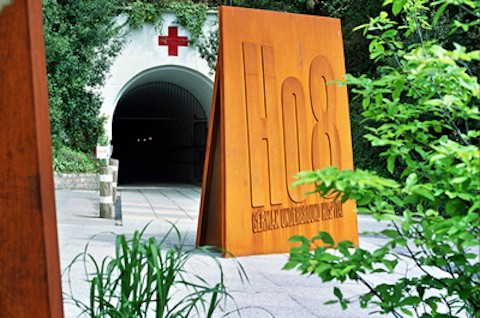
Among the most evocative jersey visitor attractions, few convey the sobering reality of the Second World War as vividly as the Jersey War Tunnels - German Underground Hospital. Located in the hillside of St Lawrence along Les Charrières Malorey, this subterranean bunker complex was originally excavated deep into the bedrock under the German military codename Hohlgangsanlage 8 (Ho8). Constructed between 1941 and 1944 using forced labour under brutal conditions overseen by the Organisation Todt, the complex was engineered to serve as an impregnable underground ammunition storage depot and barracks capable of withstanding heavy Allied naval shelling and aerial bombardment. As Allied forces prepared to liberate continental Europe after D-Day, the German high command converted Ho8 into an emergency hospital.
Today, this complex of more than 1,000 metres of damp, concrete-lined tunnels houses the comprehensive 'Captive Island' exhibition. The galleries guide visitors chronologically through the five arduous years of German Occupation between 1940 and 1945. Exhibits, authentic uniforms, personal diaries, and declassified military orders reveal the daily struggles of civilian islanders facing severe food rationing, harsh curfews, forced requisitions, and deportation, alongside quiet acts of defiance and the ultimate jubilation of Liberation Day on 9 May 1945.
For the 2026 operating season, the Jersey War Tunnels are open daily from Wednesday 21 January through to Sunday 21 December, operating from 10:00 until 17:00 (including special opening on Liberation Day). General admission tickets cost £21 for adults, £20 for seniors (65+) and students with valid ID, £10 for children aged 7 to 15, and free for children aged 6 and under. Due to the enclosed nature of the underground corridors, crowd flow is an important planning consideration. The complex experiences its highest footfall between 10:00 and 12:30, which frequently results in increased waiting times at entry points; planning your visit during the quieter afternoon window between 14:00 and 17:00 ensures a far more contemplative and unhurried experience. Inside the granite tunnels, the ambient temperature remains cool throughout the year, so carrying an extra layer or light fleece is advisable even during midsummer.
Coastal Explorations, Low Tides, and Seashore Adventures
Beyond its fortified walls, Jersey's coastline offers an incredible landscape shaped by powerful tides and diverse marine habitats. The island’s southern and western shores showcase two distinctly different environments: the sweeping, ocean-battered expanses of Atlantic surf on the west coast, and the shallow, intertidal reefs of the southeast that expose miles of virgin seabed at low water. These contrasting shores make Jersey one of the premier jersey visiting places for outdoor enthusiasts, families, and adventurous young travellers alike.
The Southeast Intertidal Zone: Walking on the Seabed
Jersey's southeastern coastline harbours one of the most remarkable natural environments in Europe: an internationally protected Ramsar World Wetlands intertidal zone. When the immense channel tides pull away from the shore, the water recedes up to two miles into the distance, revealing an extraordinary expanse of exposed granite reefs, gullies, kelp forests, and sand bars that locals have historically explored during low-water fishing. Wandering out across this temporary coastal wilderness feels akin to walking across an uncharted landscape, earning these excursions their famous moniker: 'moonwalks'.
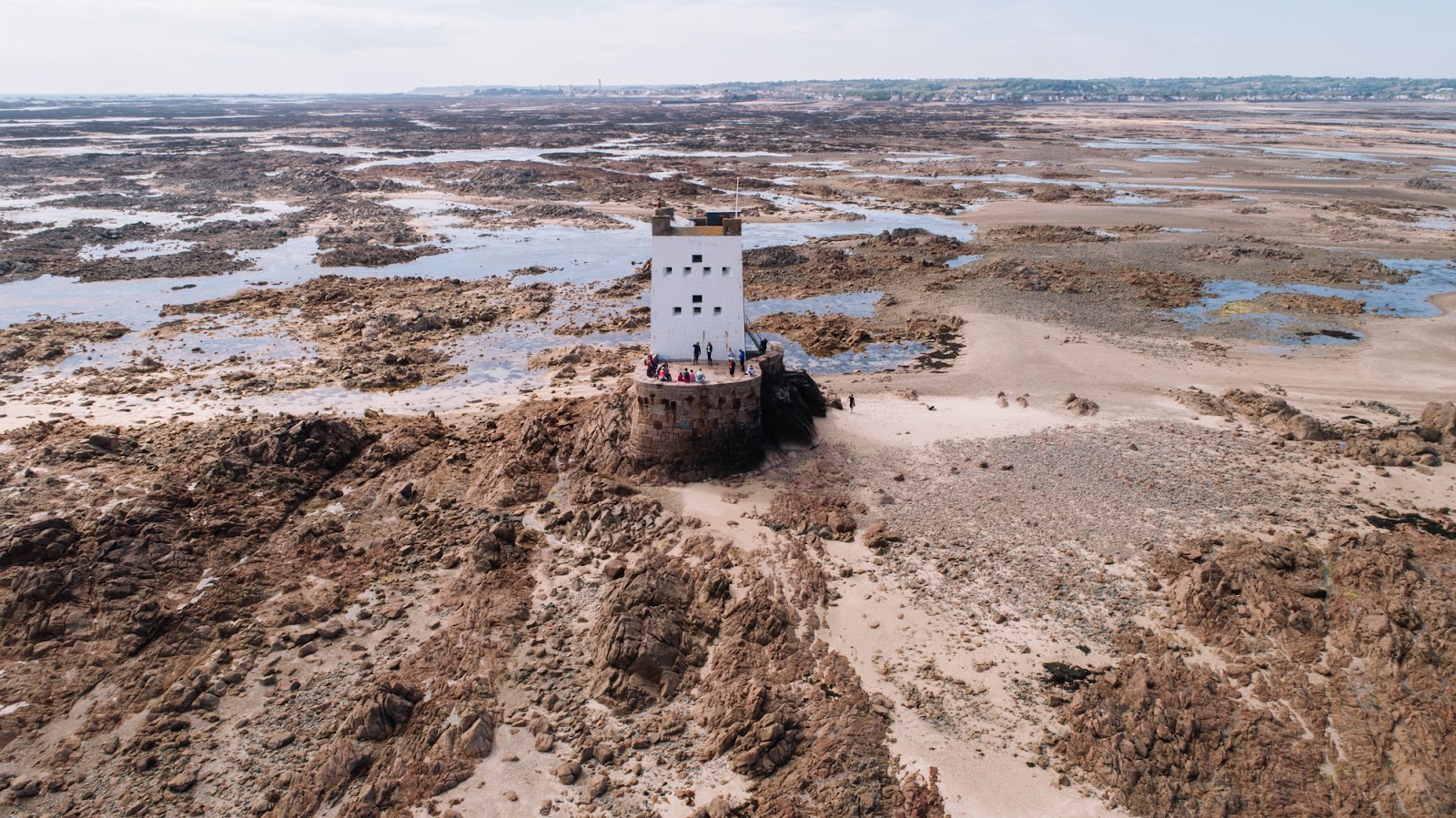
Undertaking a seabed trek out to isolated offshore landmarks such as Seymour Tower or Icho Tower is one of the most memorable special things to do in jersey. Seymour Tower, an 18th-century granite coastal defence redoubt built upon a reef over a mile out to sea, stands completely surrounded by surging water for hours each day. During low tide, specialised operators such as Jersey Walk Adventures lead guided intertidal walks directly across the seabed to the base of the tower. Accompanied by accredited local guides, walkers navigate shifting channels, inspect marine life clinging to exposed boulders—such as spider crabs, colourful sea anemones, and edible seaweeds—and learn about historical smuggling routes and wartime escape attempts. Night-time excursions reveal another natural marvel: bioluminescence on the beach, where nocturnal marine organisms twinkle across the wet sand like fireflies.
Guided day and night moonwalks to Seymour Tower typically start from £26 for adults and £13 for children under 16. It cannot be overstated that venturing into the southeast Ramsar intertidal zone should only ever be attempted with qualified guides or with meticulous, minute-by-minute tide chart awareness. The speed of the rising tide across the shallow shelf can easily outpace a walking human, and channels fill behind outward sandbars well before the main body of water reaches the shore.
St Ouen’s Bay: Atlantic Swells and Rugged Headlands
Spanning almost the entirety of the island's exposed western coastline, St Ouen's Bay offers an exhilarating contrast to the gentle, sheltered bays of the south. Known locally as the 'Five Mile Road' due to the long coastal thoroughfare running behind its sand dunes, this expansive sweep of golden sand bears the full brunt of Atlantic swells, creating a renowned destination for water sports and outdoor recreation.
For active travellers seeking fun things to do in jersey for young adults, St Ouen's Bay is the natural focal point. The consistent break makes it an epicentre for surfing, paddleboarding, windsurfing, and bodyboarding. Because the beach stretches for miles, it rarely feels crowded, even during peak summer months; visitors can set up camp near popular hubs like La Braye or walk northward to uncover tranquil pockets of sand backed by maritime heathland. The bay is fully equipped with coastal cafés, surf hire outposts, public facilities, and parking bays, while open-air adventure outfitters like Wild Adventures Jersey utilise the rugged coastal cliffs and open waters across the western and northern coasts for abseiling, rock climbing, coasteering, and bushcraft excursions.
St Ouen’s Bay is equally rich in wartime archaeology. Standing sentinel atop the northern headland of Les Landes are the concrete bunkers of Batterie Moltke. Constructed by the German occupying forces to guard against an Allied amphibious assault, the battery originally mounted captured French Canon de 155mm GPF guns. Today, the open headland, gun pits, and concrete observation points remain accessible year-round, offering panoramic views across the open sea toward the neighbouring island of Sark.
Estate Culture, Local Agriculture, and Rural Flavours
Jersey’s mild microclimate, rich agricultural soil, and sheltered inland valleys have fostered a vibrant food culture deeply rooted in the land. The island's culinary identity is shaped by world-famous Jersey Royal new potatoes, the rich, golden milk of pedigreed Jersey cattle, and centuries of orchard farming and cider making. Beyond the coastline, visiting traditional rural estates provides a deeply relaxing counterpoint to wind-whipped headland walks.
La Mare Wine Estate: Vineyards and Traditional Stills
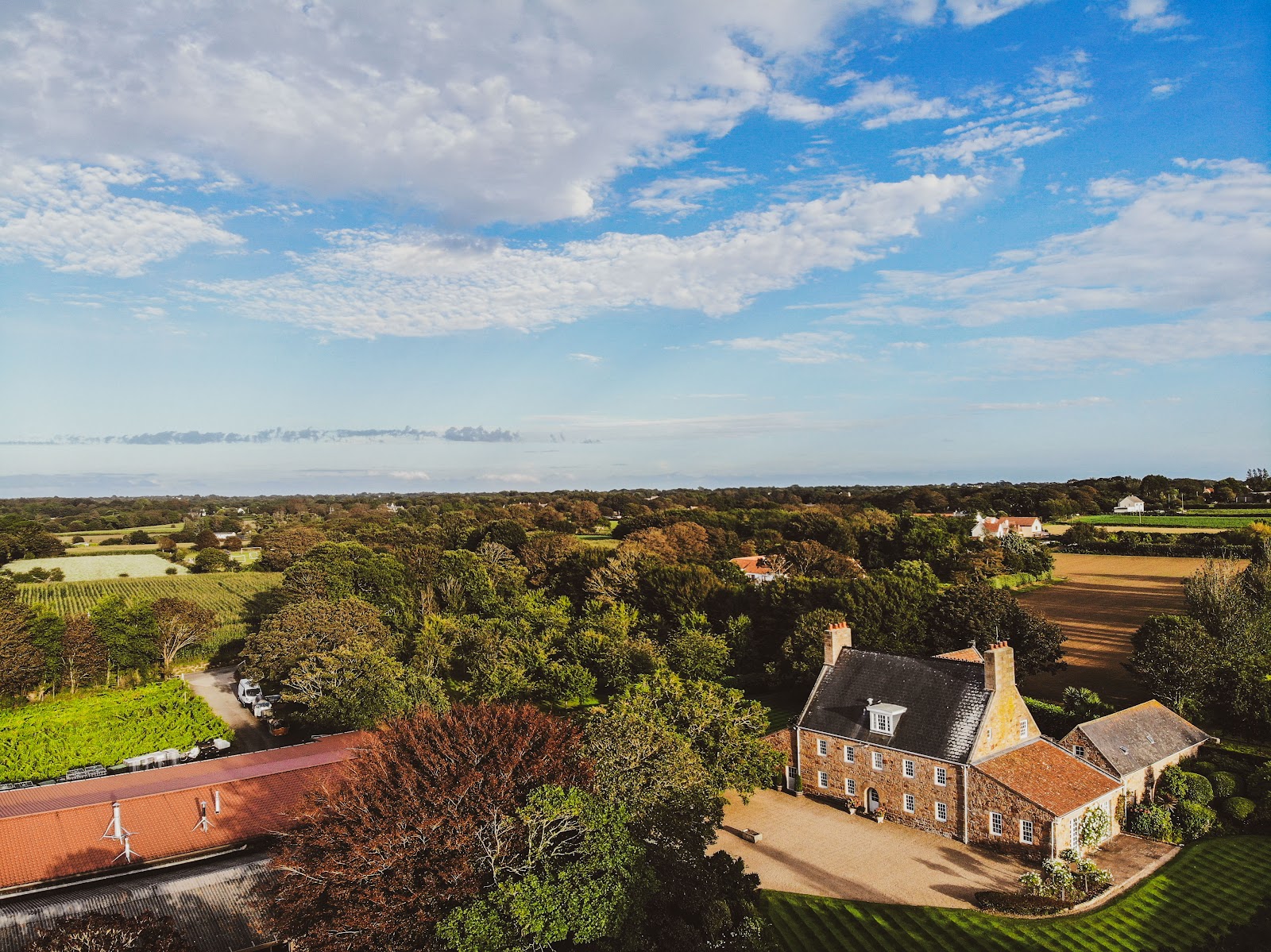
Tucked away among the tranquil country lanes of St Mary in the northern interior, La Mare Wine Estate Jersey represents the heart of local viticulture. Covering 20 acres of gently sloping countryside surrounding an 18th-century granite farmhouse, this working estate is Jersey’s only commercial vineyard, combining sustainable agricultural practices with award-winning winemaking, craft distilling, and traditional food production.
A visit to La Mare offers an intimate behind-the-scenes look at artisan production. The estate’s Visitor Centre, Vineyard Café, and farm shop operate daily from 9.30am to 5pm. Throughout the day, comprehensive guided tours run on a fixed schedule at 10:45am, 11:45am, 12:45pm, 1:30pm, 2:30pm, and 3:30pm. During the roughly 70-minute experience, knowledgeable estate guides lead visitors through the manicured vine rows, into the state-of-the-art winery, and through the distillery housing copper pot stills. Guests are introduced to the estate's 'Grape-to-Glass' production before enjoying curated tastings of La Mare’s crisp white, red, and sparkling wines, traditional farmhouse cider, apple brandy liqueurs, and spirits like Jersey Royal Vodka.
Crucially, the tour also highlights classic island confectionery and preserves. Tastings include handmade artisan chocolates, creamy fudge, and Jersey Black Butter (Lé Nièr Beurre)—a traditional, dark spiced conserve made by boiling fresh cider apples over an open fire with sugar, liquorice, and festive spices. Following the tour, visitors can linger at the Vineyard Café for morning tea or a seasonal lunch overlooking the vines, or browse the estate shop for local gifts. While spontaneous visits are accommodated if space permits, booking tour tickets online in advance is strongly recommended, especially during summer weekends when estate sessions reach capacity.
Exploring Island Food Culture
For culinary enthusiasts wanting to immerse themselves further into the island’s gastronomic heritage, guided culinary walks by operators like Jersey Food Tours weave together coastal paths, local farms, and town markets. These experiences connect visitors directly with local producers, showcasing working oyster beds along the Royal Bay of Grouville, dairy herds grazing on parish pastures, and historic wartime bunkers repurposed into coastal fisheries.
Prehistoric Wonders and Deep Antiquity
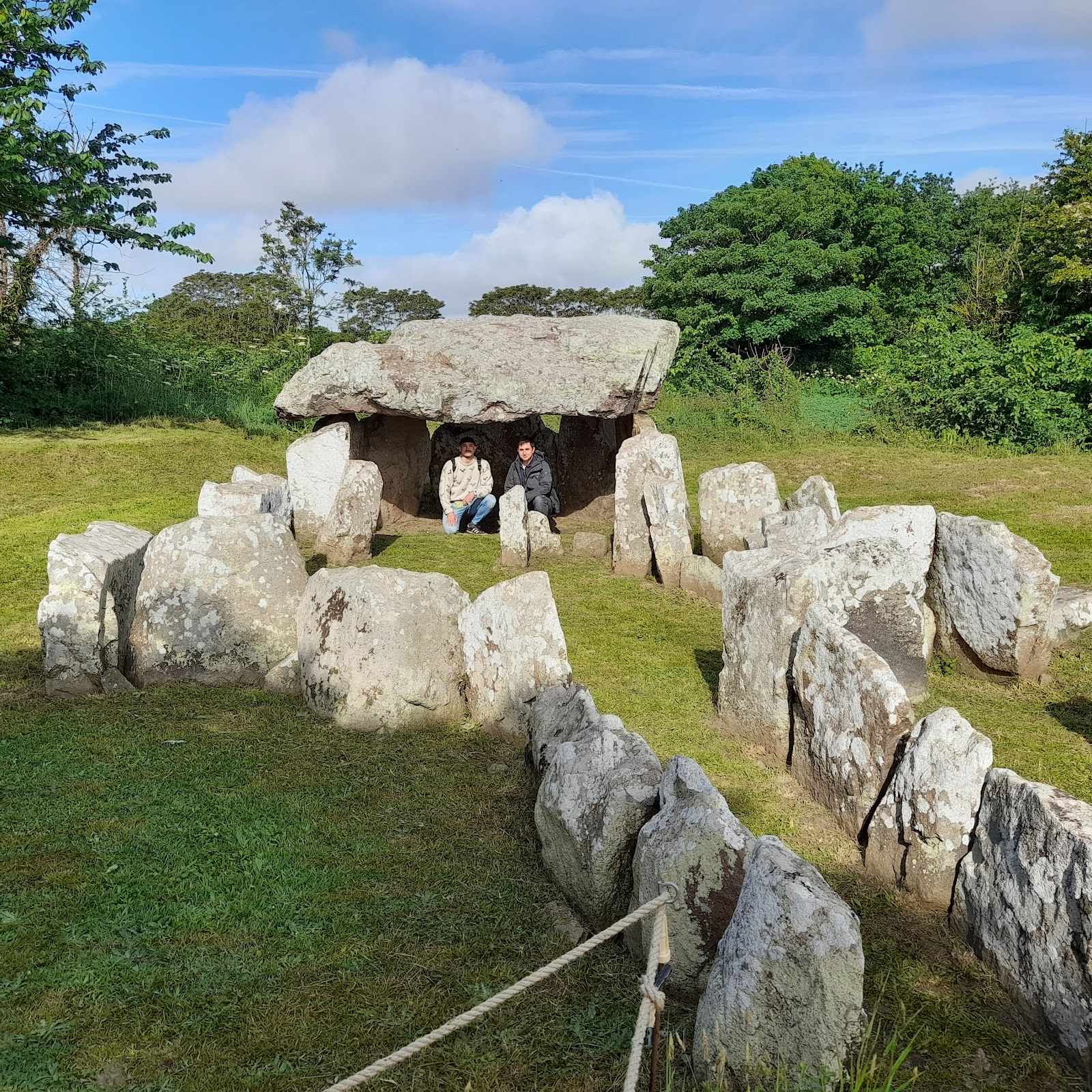
Long before Norman lords raised Mont Orgueil or Tudor engineers fortified St Aubin’s Bay, Jersey was a flourishing hub of Neolithic civilization. When rising sea levels severed the island from continental Europe thousands of years ago, its early inhabitants erected magnificent megalithic passage graves, alignment tombs, and ceremonial mounds that survive in remarkable condition today.
A prime example of this deep prehistoric landscape is the La Pouqelaye de Faldouet Dolmen, situated near the village of Gorey in the parish of St Martin. Dating back roughly 6,000 years, this striking passage grave is freely accessible to the public throughout the year. The monument consists of a five-metre stone entrance passage opening into a large circular main chamber and double end chamber, covered by a massive granite capstone weighing approximately 24 tonnes, transported by ancient builders from a geological outcrop half a kilometre away. Like several prominent megalithic monuments in western Europe, the central axis of Faldouet Dolmen is aligned directly with the rising sun during the spring and autumn equinoxes. Excavations by the Société Jersiaise uncovered Neolithic pottery bowls, polished greenstone axes, flint implements, and ancestral human remains, offering a profound glimpse into island spiritual life millennia before modern settlements took root.
For visitors pairing ancient heritage with family outdoor experiences, sites like La Hougue Bie—another prominent Neolithic passage mound set beneath mature woodland—frequently host nature-based sessions run by providers like Wild Days Outdoor, blending primitive bushcraft skills, wildlife observation, and nature exploration beneath ancient tree canopies.
Preserving the Atlantic Wall: Fortress Society Sites
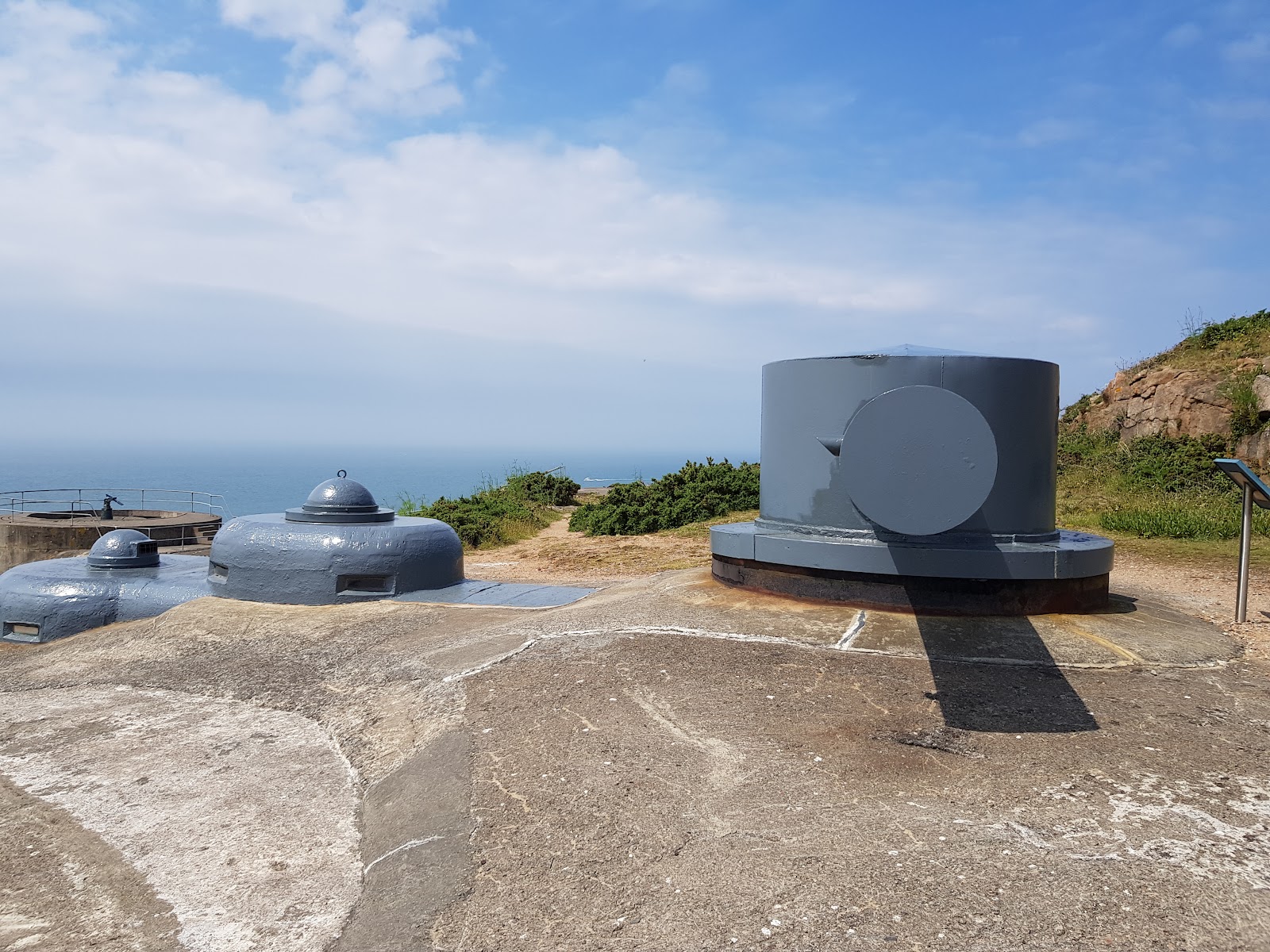
No exploration of Jersey's military architecture is complete without acknowledging the extensive coastal defensive works constructed during the German Occupation. Under Adolf Hitler’s direct directives, the Channel Islands were transformed into some of the most heavily fortified fortresses on earth, incorporating thousands of concrete bunkers, minefields, and anti-tank barriers as key outposts of the Atlantic Wall.
Today, these concrete structures are meticulously catalogued, restored, and curated by the Channel Islands Occupation Society (Jersey) Limited. This dedicated voluntary organisation manages key fortification complexes scattered across Jersey’s peripheral headlands, making them accessible to the public on designated open days. Among their most prominent restored installations is Battery Lothringen, perched commandingly at Noirmont Point in St Brelade. Built by the Organisation Todt for the German naval artillery, the battery once housed four 15 cm naval guns guarding the maritime approaches to St Aubin's Bay, St Helier harbour, and Elizabeth Castle. Today, the headland serves as a public memorial, where visitors can inspect preserved gun emplacements, personnel shelters, the naval observation tower MP1, and the underground command bunker (Regelbau M132), which houses displays illustrating the harrowing technological realities of 1940s coastal warfare.
Attraction Comparison and Practical Overview
To help you compare entrance logistics, seasonal operating dates, and verified admission pricing across Jersey’s premier visitor destinations, the table below summarises the verified essentials for 2026:
| Attraction | Location / Parish | Key Feature & Category | 2026 Operating Window | 2026 Standard Adult Admission | Public Transit Bus Routes |
|---|---|---|---|---|---|
| Elizabeth Castle | St Aubin's Bay, St Helier | Offshore tidal fortress; amphibious ferry | 18 Mar – 1 Nov (Daily from 10am) | £24.50 (with ferry) / £19.50 (walk) | Routes 7, 8, 9, 12, 12a, 15, 22, 28 |
| Mont Orgueil Castle | Gorey, St Martin | 800-year-old medieval coastal castle | 1 Mar – 31 Dec (Daily from 10am) | £19.50 | Routes 1, 1a, 2, 13 |
| Jersey War Tunnels | Les Charrières Malorey, St Lawrence | Underground wartime hospital & museum | 21 Jan – 21 Dec (Daily 10:00–17:00) | £21.00 | Rural bus connection / local taxi |
| La Mare Wine Estate | St Mary | Vineyard, distillery & tasting tours | Open year-round (Shop/Café 9:30–17:00) | Guided tasting tours bookable daily | Route 7 (Hourly schedule) |
| Dolmen de Faldouët | St Martin | 6,000-year-old Neolithic passage grave | Open year-round (Daylight hours) | Free access | Routes serving Gorey / St Martin |
| Seymour Tower Seabed Walk | Southeast Coast (Ramsar site) | Guided low-tide intertidal 'moonwalk' | Tide-dependent scheduled dates | From £26.00 (Jersey Walk Adventures) | Coastal bus routes to southeast slipways |
Crucial Island Logistics: Navigating Tides, Ferries, and Bus Routes

Exploring Jersey smoothly requires understanding two logistical realities: the dramatic rhythm of the ocean and the layout of the island’s transport network. Failing to plan around either can turn a seamless day trip into an exercise in frustration.
Mastering Tidal Geography
Jersey's tidal range can exceed 12 vertical metres during peak spring tides. This massive movement fundamentally alters coastal geography twice in every 24-hour cycle. When mapping out coastal excursions, remember the following critical guidelines:
- Causeway Windows: Elizabeth Castle's causeway is only passable for a limited window on either side of low water. If you intend to walk out to the castle rather than take the amphibious Castle Ferry, verify the exact daily low-tide forecast at the Westpark Ferry kiosk or via Jersey Heritage publications before setting out.
- Offshore Reef Hazards: Never attempt independent, unguided walks out to Seymour Tower or Icho Tower across the southeast intertidal shelf. The incoming tide fills deep gullies and back-channels first, cutting off return routes to the shore long before the surrounding sandbars are submerged. Always book through accredited local guides who monitor tidal timings.
- West Coast Conditions: At St Ouen's Bay, high tides swallow vast swaths of sandy beach, pushing the surf right up against sea walls, whereas low tide exposes wide, firm sand flats ideal for walking. Always consult local surf forecasts and tide timetables before heading out.
Public Transit vs Driving vs Cycling
Navigating Jersey does not necessarily require hiring a car. The island is compact, and its transport network provides convenient alternatives for different travel styles:
- LibertyBus Network: The island’s public bus network operates out of Liberation Station in central St Helier, connecting the capital to towns, coastal bays, and major heritage sites. Gorey and Mont Orgueil Castle enjoy frequent, reliable connections on routes 1, 1a, 2, and 13, while Elizabeth Castle’s Westpark Ferry kiosk is served by several routes departing westward (including routes 7, 8, 9, 12, 12a, 15, 22, and 28). Rural destinations such as La Mare Wine Estate in St Mary are reached via Route 7; because rural routes often run at hourly intervals, checking return timetables in advance is vital to avoid lengthy waits between departures.
- Cycling and Green Lanes: Jersey boasts an extensive network of designated 'Green Lanes'—picturesque country lanes where motor traffic is restricted to a strict 15 mph speed limit and priority is given to cyclists, walkers, and horse riders. Cycling from St Helier around the curve of St Aubin’s Bay along dedicated cycle route 1 is flat, scenic, and traffic-free, making it ideal for young adults and active travellers.
- Hiring a Car: Hiring a car offers complete freedom to visit remote headlands like Les Landes, Batterie Moltke, and secluded rural dolmens on your own schedule. However, be mindful that Jersey driving requires patience: the maximum island-wide speed limit is 40 mph (frequently dropping to 20 or 30 mph in built-up parish centres), country lanes are bordered by ancient granite walls with limited passing places, and parking in popular coastal zones requires local paycards, parking discs, or automated pay-and-display meters.
Strategic Itineraries: Thematic Groupings to Minimise Travel Time
To maximise your sightseeing and avoid unnecessary cross-island travel, group your excursions into sensible geographic clusters. Below are three curated daily thematic itineraries that combine key attractions logically:
Day 1: The South Coast & St Helier Maritime Heritage
Dedicate your first day to exploring the historic maritime heart of Jersey in and around St Helier:
- Morning at Elizabeth Castle: Start from Westpark Slip directly opposite the Grand Hotel. Take the amphibious Castle Ferry across St Aubin’s Bay (or walk the causeway if low tide permits), exploring the ramparts, the restored Officers’ Quarters, the Jersey Militia exhibits, and the ancient Hermitage rock.
- Lunch around St Helier Waterfront: Head back to town for lunch along the marina or explore the historic indoor Central Market in town.
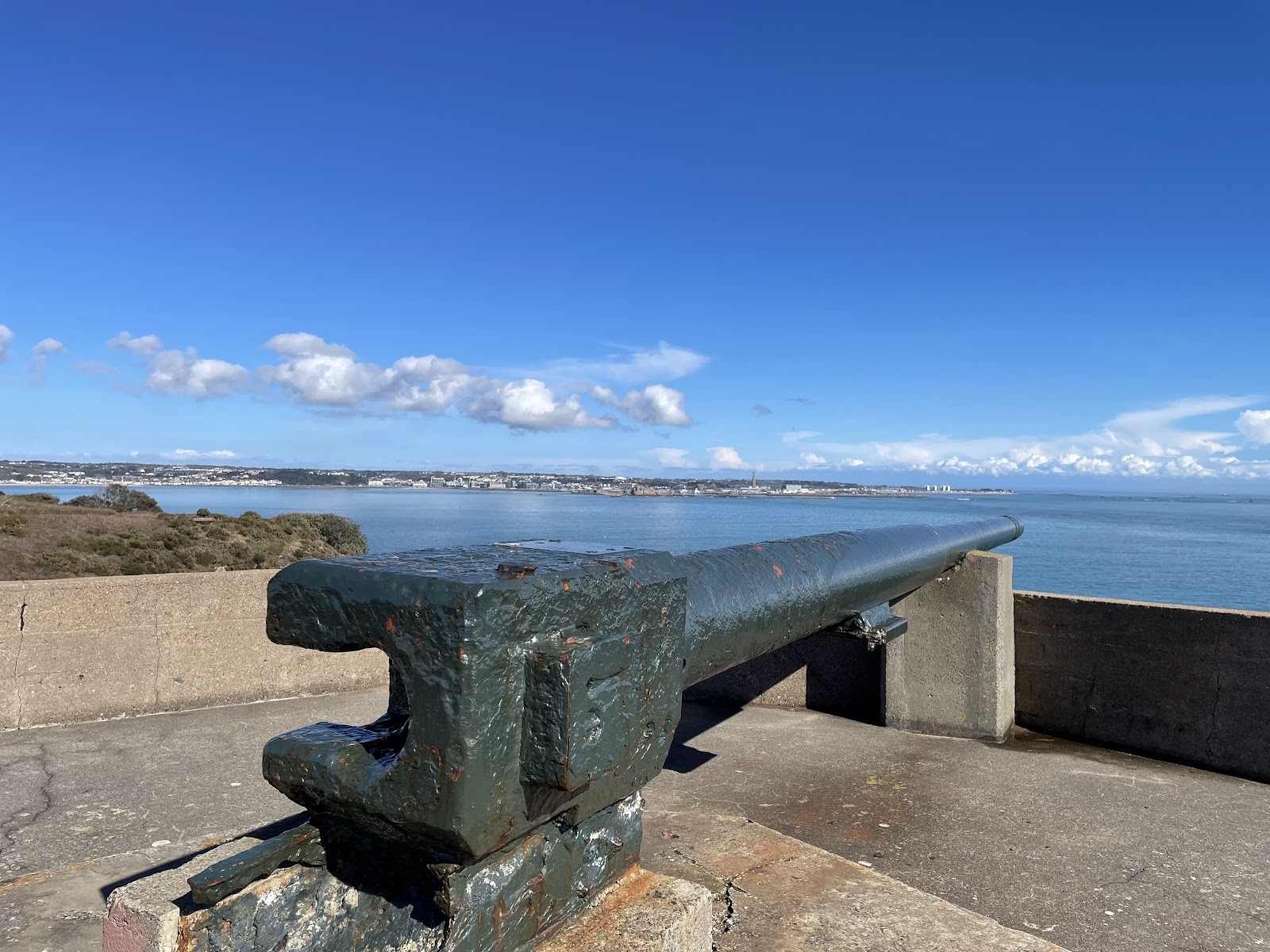
- Afternoon at Noirmont Point: Travel west around St Aubin’s Bay to Noirmont Point in St Brelade. Walk the windswept headland to inspect the concrete bunkers and artillery command posts of Battery Lothringen, enjoying panoramic views back across the bay toward Elizabeth Castle.
Day 2: The East Coast Medieval Citadels & Prehistoric Antiquity
Spend a day tracing eastern Jersey’s historical spectrum from the Stone Age to the Norman era:
- Morning at Dolmen de Faldouët: Take the bus or drive toward St Martin to explore La Pouqelaye de Faldouet Dolmen. Stand inside the 6,000-year-old megalithic chamber and admire the 24-tonne rhyolite capstone aligned to the equinox sun.
- Midday at Mont Orgueil Castle: Stroll or take a quick bus down into Gorey. Climb the 200 stone steps through Mont Orgueil Castle, wandering from the dark turrets and undercroft to the open battlements overlooking France. Stop for lunch at the castle café or along the Gorey Harbour pier.
- Low-Tide Afternoon on the Seabed: If low water coincides with your afternoon, join an accredited Jersey Walk Adventures intertidal walk departing from the southeast coast out toward Seymour Tower in the Ramsar Wetlands, discovering oyster beds and rich rock-pool life before the tide returns.
Day 3: The North Coast & West Coast Countryside
Devote your third day to rural valley lanes, artisan farm culture, and breezy Atlantic coastal scenery:
- Morning at Jersey War Tunnels: Arrive at the Jersey War Tunnels - German Underground Hospital in St Lawrence during the quieter early afternoon window or pre-book the 10:00 morning opening to avoid peak crowds. Walk through the cool, 1,000-metre complex to absorb the moving 'Captive Island' narrative.
- Early Afternoon at La Mare Wine Estate: Journey north into St Mary for a pre-booked guided vineyard and distillery tour at La Mare Wine Estate Jersey. Enjoy tastings of estate wines, apple cider, and traditional Jersey Black Butter, followed by light refreshments at the Vineyard Café.
- Late Afternoon at St Ouen’s Bay & Batterie Moltke: Head west down to St Ouen's Bay. Watch the Atlantic rollers crash along the five-mile beach, explore surf outposts, and end your afternoon wandering the open heathlands and wartime gun emplacements of Batterie Moltke at Les Landes as the sun dips beneath the western horizon.
Practical Tips for Planning Your Visit
Before boarding your ferry or flight to Jersey, keeping several operational guidelines in mind will ensure your journey runs smoothly:
- Seasonal Operating Calendars: Major historic sites operate on distinct seasonal timetables. In 2026, Jersey War Tunnels welcomes visitors from 21 January to 21 December, while Elizabeth Castle operates from 18 March to 1 November, and Mont Orgueil operates daily from 1 March to 31 December. If travelling during late autumn or winter, confirm that your target attractions are open before setting out.
- Pre-Booking Recommendations: While Jersey Heritage sites welcome ticket purchases on arrival for independent travellers, guided experiences like the vineyard tours at La Mare Wine Estate, specialised seabed walks with Jersey Walk Adventures, and peak morning slots at the Jersey War Tunnels should be booked online in advance to guarantee entry.
- Multi-Site Passes: If you plan to visit multiple Jersey Heritage locations (such as Mont Orgueil and Elizabeth Castle), consider purchasing a 7-day Heritage Pass, which grants unlimited admission across their managed sites and offers discounted amphibious ferry fares.
- Weather and Footwear: Exploring Jersey involves walking over damp seabed channels, climbing steep granite steps, and navigating uneven subterranean corridors. Sturdy walking shoes, waterproof footwear for intertidal walks, and a warm layer for the underground tunnels are essential items in any day pack.
By synchronising your itinerary with the pulse of the tides, respecting the island’s layered heritage, and grouping your travel geographically, your journey across Jersey will deliver a rich, deeply authentic taste of Channel Island life.
Cover photo: Elizabeth Castle
By Alyssa.
Sources and further information
- Elizabeth Castle Jersey | Chateau Elizabeth | Jersey Heritage
- Mont Orgueil Castle | Jersey Heritage
- Visit | Jersey Heritage
- Jersey War Tunnels Opening Times and Prices | Jersey War Tunnels
- La Mare Wine Estate | Wine Tasting & Tour of Vineyards in Jersey
- Home - Jersey Walk Adventures
Sources checked: 2026-10-11.