Historical Tours
Jersey WWII Bunker and Military Occupation Tours: A Practical Visitor Guide
Updated 29 October 2026
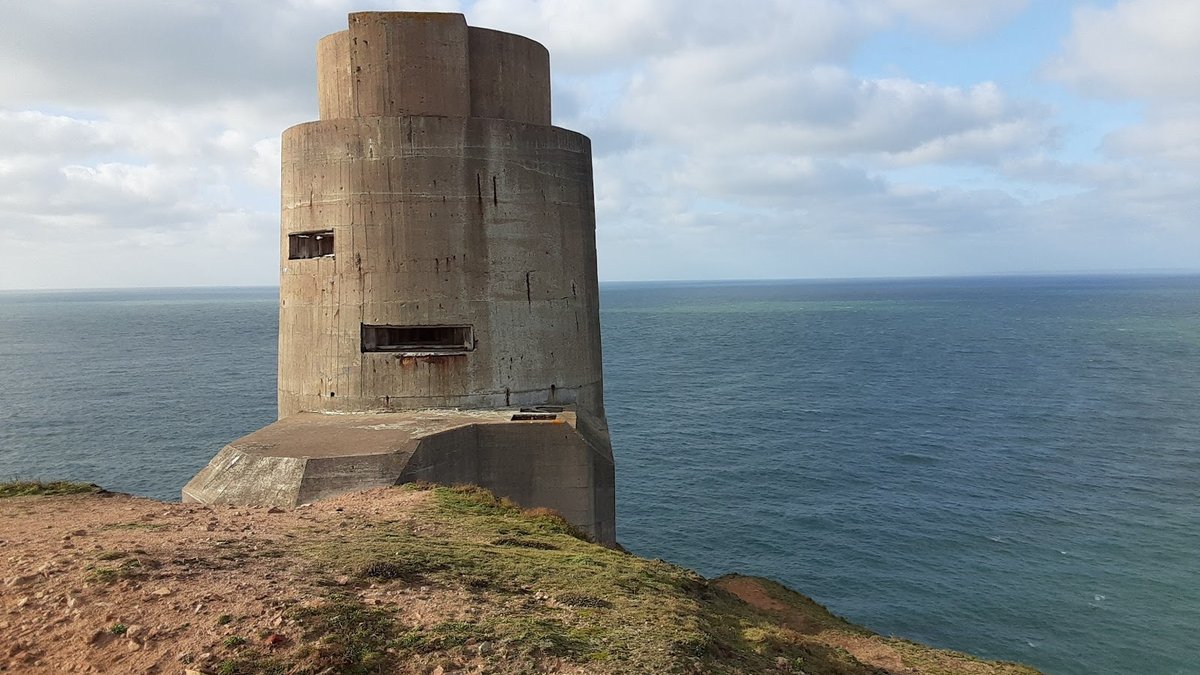
When planning a trip to Jersey, one of the most striking aspects of the island's landscape is its remarkable concentration of Second World War fortifications. Between 1940 and 1945, the Channel Islands were the only part of the British Isles occupied by German armed forces. Under Adolf Hitler's direct command to convert the archipelago into an impregnable Atlantic bastion, vast military resources were channelled into the island. In fact, approximately 10 percent of all the concrete poured along Hitler’s Atlantic Wall—a defensive barrier stretching from the Arctic Circle in Norway to the Spanish border—was concentrated right here in the Channel Islands.
Today, these coastal headlands and sheltered valleys tell an enduring story of wartime engineering, military strategy, civilian hardship, and forced labour. Whether you are a dedicated military historian or an observant traveller drawn to Jersey’s dramatic coastline, discovering these fortifications provides an unforgettable encounter with twentieth-century history. In this guide, I look at the specialist organisations offering guided bunker tours, the key preserved German installations you can explore, and essential planning advice to help you get the most out of your visit.
The Strategic Story of Jersey's Atlantic Wall
To appreciate why Jersey carries so many concrete bunkers, coastal artillery batteries, and underground tunnels, it helps to understand its strategic dilemma in 1940. Following the fall of France in June of that year, the British government concluded that defending the Channel Islands was strategically impossible without suffering unsustainable losses. The islands were demilitarised, and thousands of residents were evacuated to mainland Britain. German forces arrived shortly afterwards, commencing an occupation that lasted almost five full years until the island's liberation on 9 May 1945.
Hitler considered the possession of the Channel Islands an enormous propaganda victory and remained anxious that Allied forces would attempt an amphibious assault to retake British soil. Consequently, the German high command initiated an intensive fortification programme overseen by the Organisation Todt. Thousands of forced and slave labourers brought from across occupied Europe were put to work under brutal conditions, excavating granite cliffs, pouring massive reinforced concrete shelters, and installing heavy coastal guns.
Following the war, many of these structures were sealed, buried, or left abandoned. Over the past five decades, however, local volunteer historians and charitable preservationists have painstakingly excavated and restored dozens of these sites. Today, visitors can walk straight into preserved command centres, observation posts, and underground tunnels that look very much as they did in the mid-1940s.
Specialist Guided Tours and Heritage Organisations
Jersey's military landscape can be explored independently or in the company of expert local guides. Because many bunkers are locked outside specific open days, joining a guided tour or aligning your itinerary with volunteer openings provides the best access and context.
Jersey War Tours
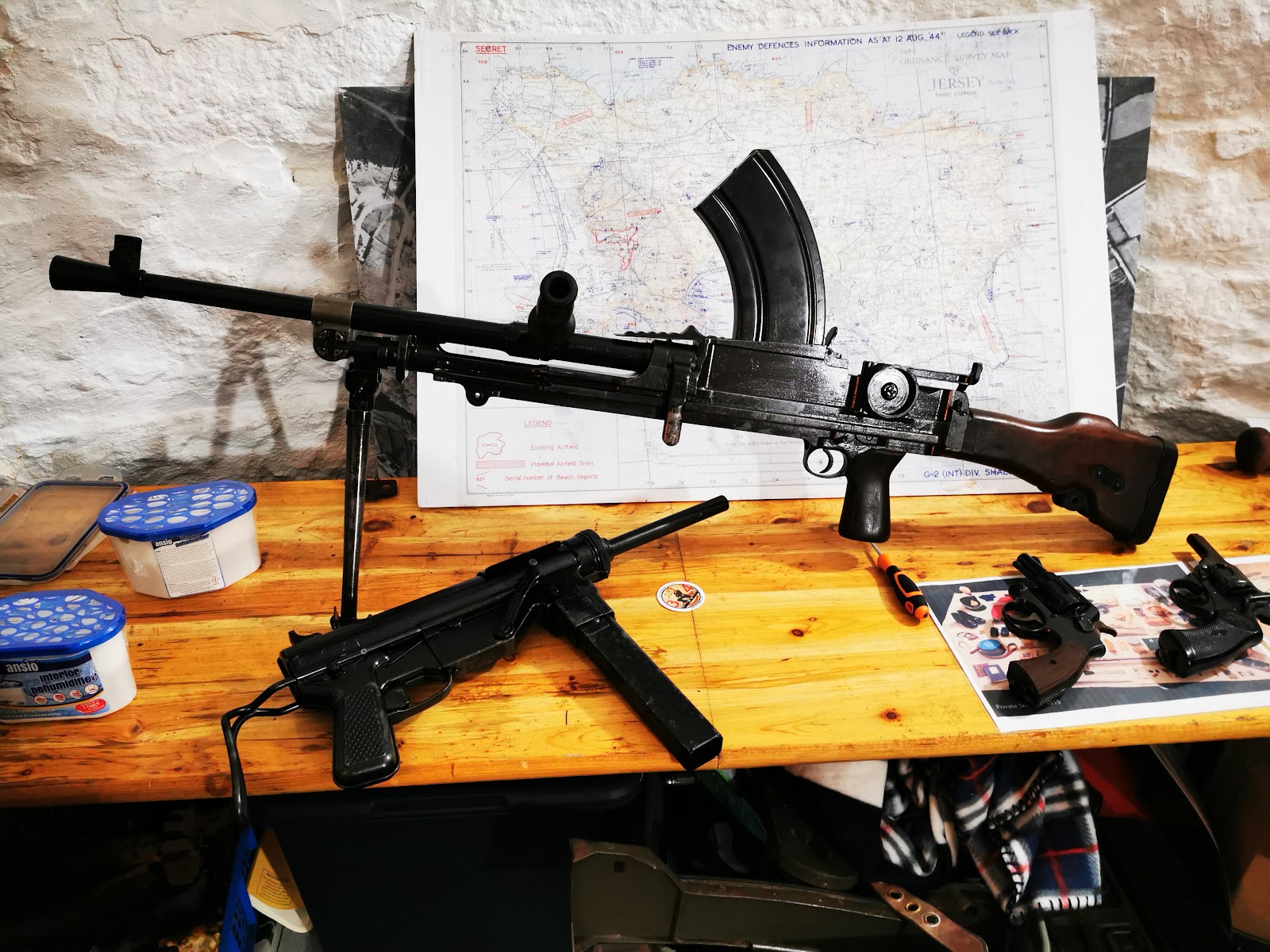
One of the primary organisations focused on opening the island's concrete defences is Jersey War Tours. Founded by researchers Phil and Kimberley, this voluntary, not-for-profit organisation is dedicated to researching, documenting, and safeguarding Jersey’s wartime heritage. Alongside running bunker open days and guided tours, the team creates 3D scans, historical records, and educational resources.
Operating in close partnership with local heritage groups, Jersey War Tours reinvests the proceeds and donations generated from tours directly into research, bunker excavations, and ongoing maintenance. Their tours and open days are particularly noted for their interactive elements, offering opportunities to handle safe, deactivated wartime weaponry and view authentic period artefacts. To learn more about their current activities and research, you can check Jersey War Tours online.
The Channel Islands Occupation Society (CIOS)
No study of Jersey's wartime heritage is complete without the work of the Channel Islands Occupation Society (Jersey) Limited. Formed as a voluntary charity, the CIOS has spent more than forty-five years excavating, restoring, and maintaining key German fortifications across the island. The society acts as the premier custodian of Atlantic Wall fortifications in Jersey.
Their restored sites feature detailed interpretative displays covering the first-hand accounts of soldiers on both sides, the harrowing treatment of forced labourers who built the concrete defences, and the everyday hardships endured by local civilians. The CIOS manages premier installations across the coast and maintains an extensive historical archive with Jersey Heritage. You can find membership details and updates on public access schedules through the Channel Islands Occupation Society website.
History Alive! & Jersey Military Tours
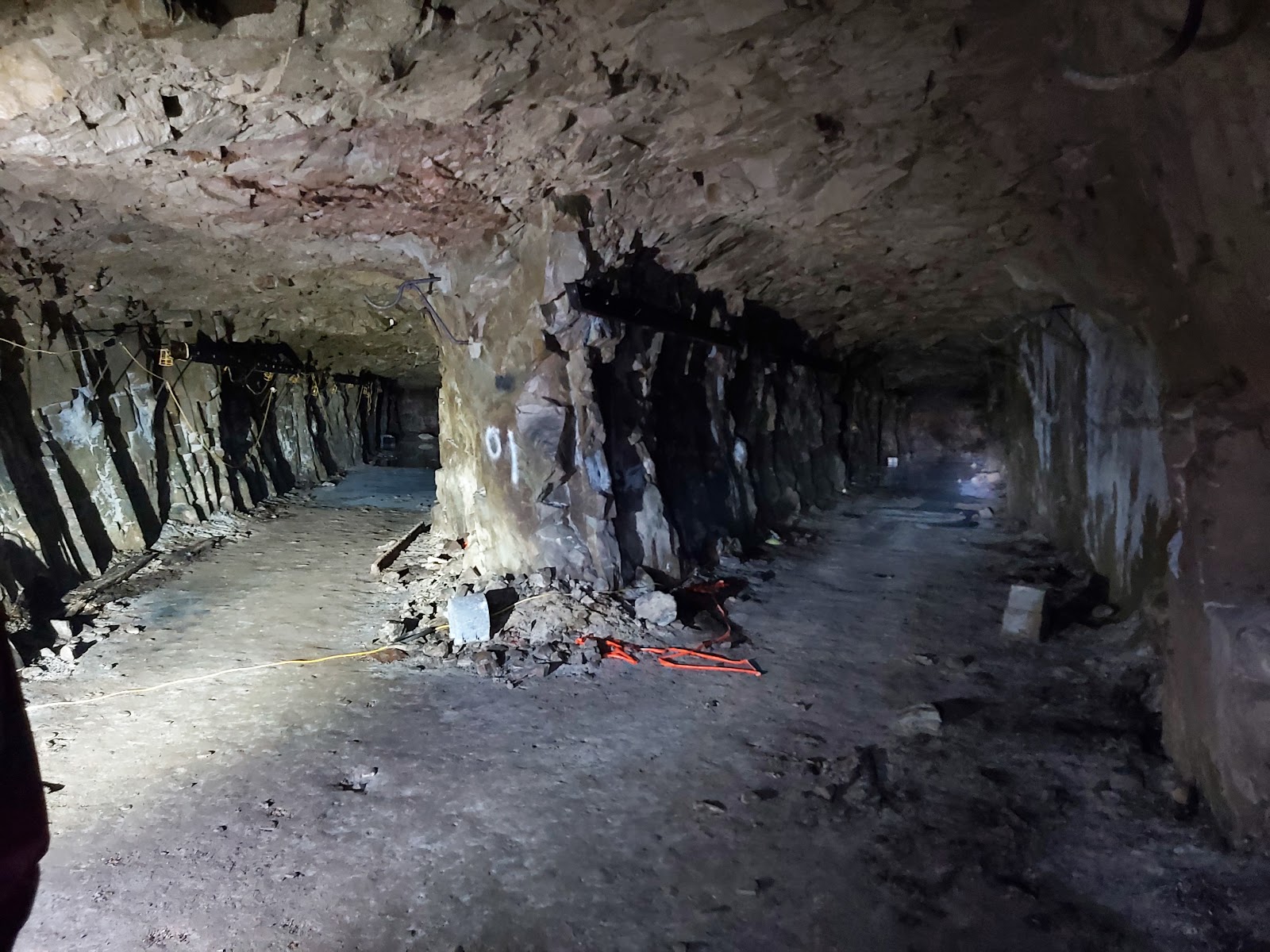
For visitors looking for an in-depth, expert-led tour tailored to personal interests, History Alive! & Jersey Military Tours offers specialist itineraries. The business is run by Marc Yates, an accredited guide with the International Guild of Battlefield Guides (Accredited Guide No. 90). Marc leads private guided tours for 1 to 16 people as well as 'guide only' tours for larger walking groups or coach parties.
His military history tours examine the broader context of the German Occupation alongside the tactical engineering of bunkers and batteries, tracing the human stories that unfolded within these concrete structures. Details regarding bespoke walking tours and private group bookings can be explored via the History Alive official page.
Key Preserved Bunkers and Fortification Complexes
Across Jersey’s rocky headlands and inland valleys, several major military complexes stand out as essential stops for anyone interested in the Second World War.
Battery Lothringen (Noirmont Point)
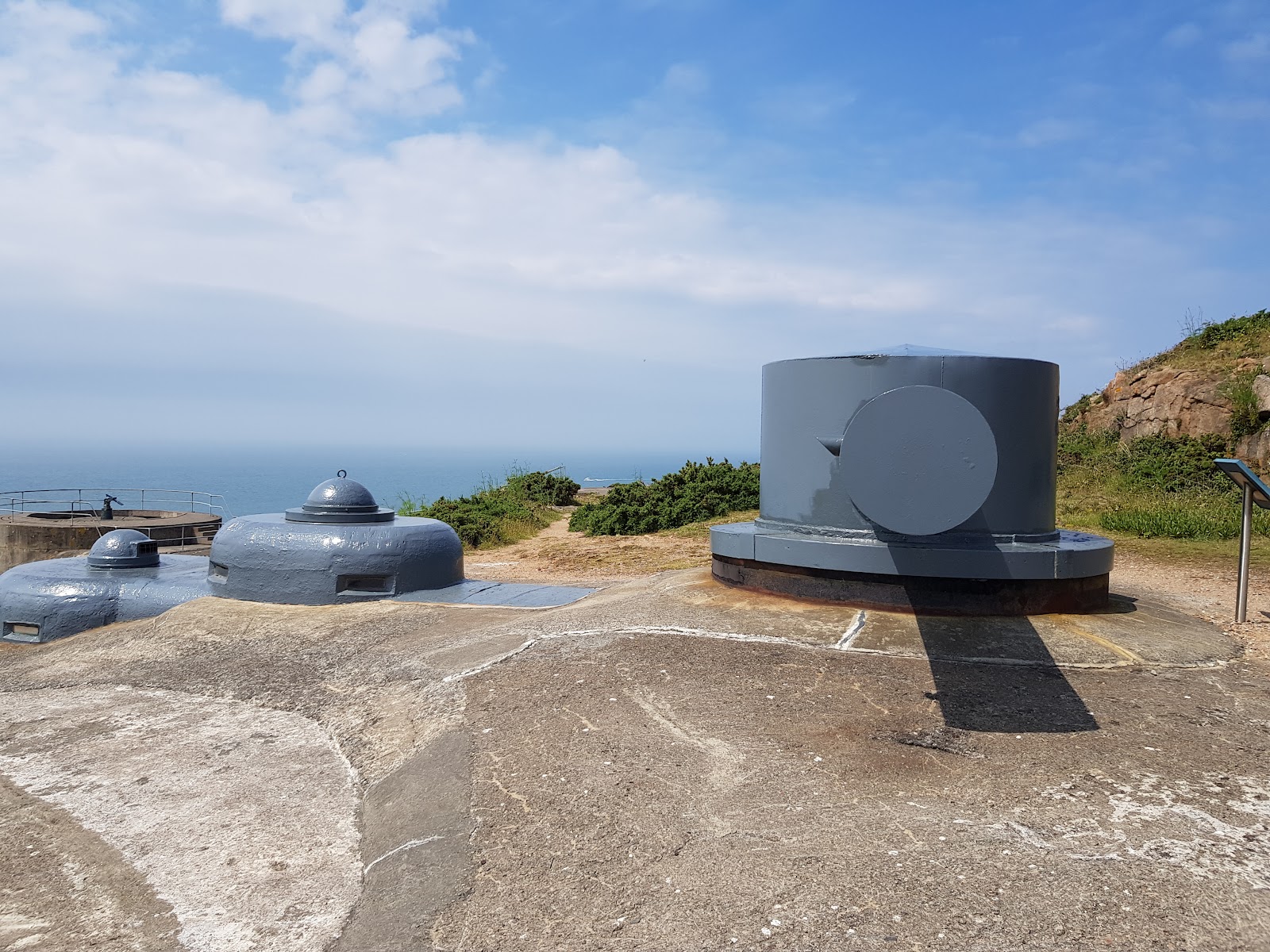
Situated on the prominent headland of Noirmont Point on Jersey’s southern coast, Battery Lothringen overlooks St Aubin's Bay and the maritime approaches to St Helier. Constructed between 1941 and 1945, this German naval coastal artillery battery served as a critical defensive strongpoint. Surviving German naval diaries show that the battery was operationally engaged on at least 93 separate occasions, including 25 confirmed firing actions against aircraft, sea mines, and Allied naval targets.
The site is operated through a collaborative partnership between the CIOS and Jersey War Tours. In 2026, the complex features 11 bunkers open weekly to the public, surrounded by free exterior walking trails that showcase recovered artillery pieces, anti-landing obstacles, and wartime vehicles. Key elements include:
- The Regelbau M132 Command Bunker: A multi-chambered underground command bunker that once coordinated the battery's firepower, now containing a museum display and shop.
- The MP-1 Observation Tower: A concrete Marine Peilstand tower rising above the headland, engineered to house naval rangefinders and observation gear.
- Interactive Equipment Displays: A deactivated WWII weapon handling area featuring modern comparisons, alongside functional wartime optics including rangefinders and periscopes.
Visitor Details: The Command Bunker, MP-1 Tower, and supporting bunkers open every Sunday from 10:00 am (with last admission 30 minutes before closing). Non-member adult tickets are £8, while CIOS members and children under 16 accompanied by an adult enter free of charge. The outdoor walking paths across Noirmont Point remain freely accessible all year. On-site car parking is free, and the site can be reached via public bus route 12a, which stops nearby. More visitor updates are available at the Battery Lothringen site.
Jersey War Tunnels (Hohlgangsanlage 8)
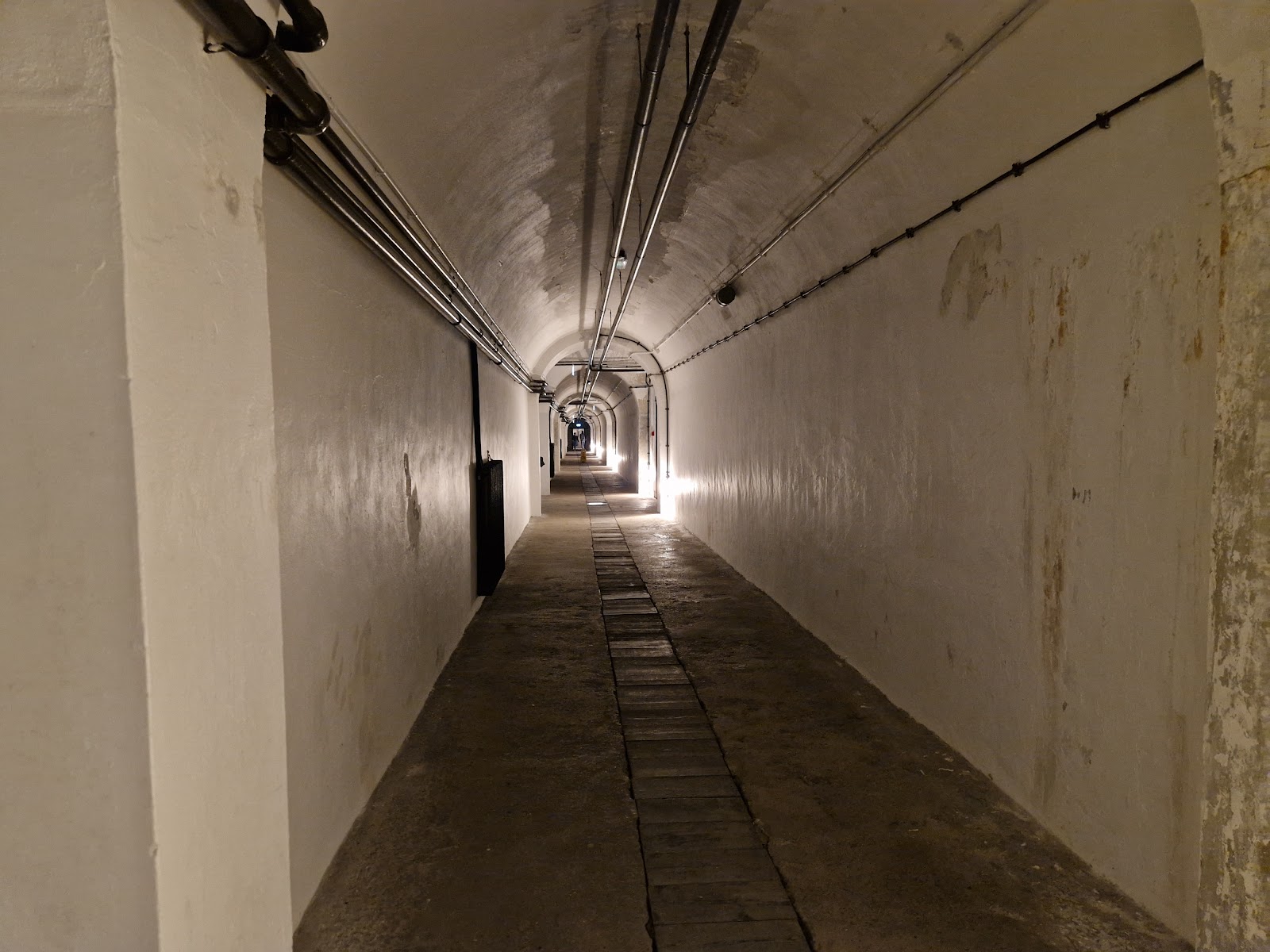
Located in the parish of St Lawrence, the Jersey War Tunnels - German Underground Hospital represents one of the largest underground installations constructed during the occupation. Designated historically as Hohlgangsanlage 8 (Ho8), the complex encompasses more than 1,000 metres of subterranean tunnels driven straight into the hillside. Originally designed as a bomb-proof ammunition depot and barracks, the facility was converted in 1943 into an emergency underground hospital as German commanders prepared for Allied invasion operations.
Today, the site houses a comprehensive permanent exhibition illustrating what daily life was like during the German occupation. The immersive displays examine the arrival of German troops, the brutal forced labour regime, civilian coping strategies, secret resistance, and the island’s liberation in May 1945. Outside the complex, the Garden of Reflection features 64 plaques commemorating Jersey residents who died as a direct consequence of the occupation, alongside 50 educational plaques detailing wartime events.
Visitor Details: For the 2026 season, operating from 21 January to 21 December between 10:00 and 17:00, admission is £21 for adults, £20 for seniors (65+) and students with valid ID, £10 for children aged 7 to 15, and free for children aged 6 and under. On-site facilities include a café, gift shop, and dedicated parking. Further details can be found on the Jersey War Tunnels website.
Strongpoint Corbière
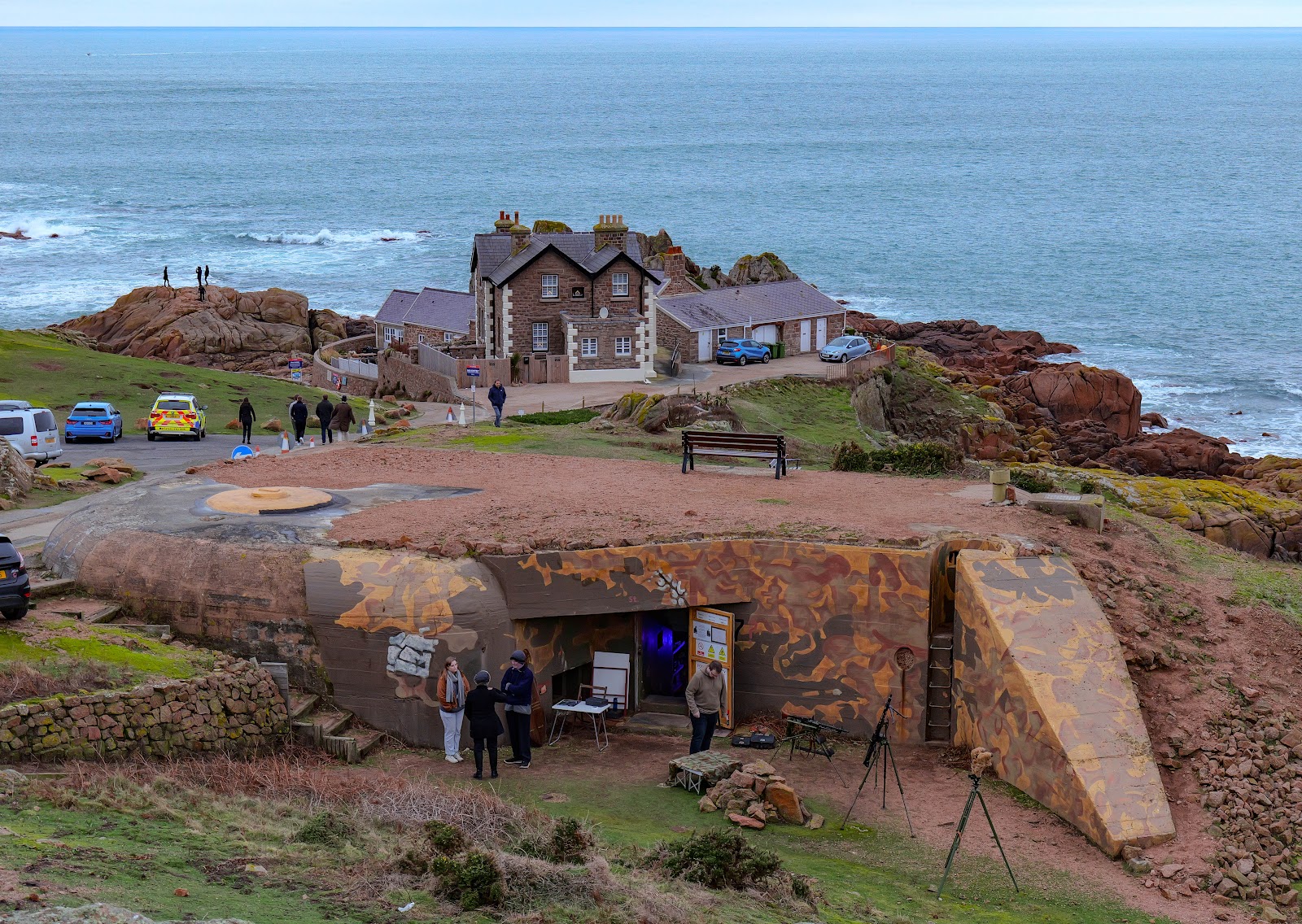
Positioned on the rugged cliffs at Jersey's south-western tip, Strongpoint Corbière was established to defend the western sea approaches and the tidal area around La Corbière lighthouse. Restored through more than 30 years of voluntary work by the CIOS, the strongpoint features six principal concrete fortifications designed to withstand heavy naval bombardment.
Among its most remarkable engineering features is an M19 automatic fortress mortar bunker, uniquely linked by a long underground corridor to an adjacent machine gun bunker. The complex also incorporates Jägerstand casemates built to house French 10.5cm field guns, a Type 634 six-loophole armoured machine gun turret (Sechsschartentürm), and searchlight shelters. During regular CIOS open days, visitors can step inside the fully restored rooms, where original blast doors, air-filtering equipment, and authentic communications gear recreate the operational atmosphere of the wartime garrison.
Batterie Moltke and Tower MP3
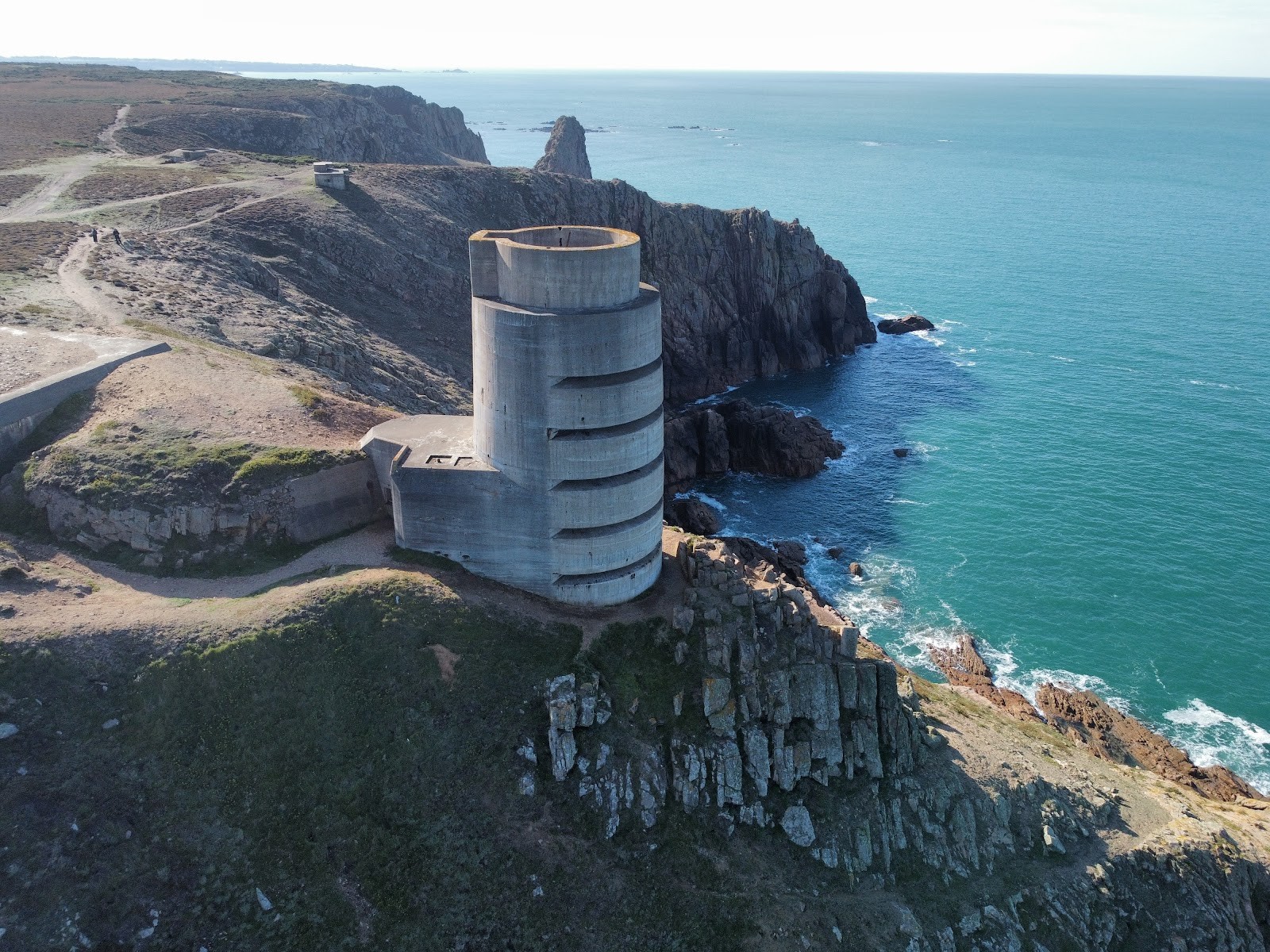
On the coastal heathland of Les Landes in the north-western parish of St Ouen, Batterie Moltke was built by Organisation Todt to defend St Ouen's Bay and the passage of water toward Sark. While originally planned to hold modern German naval guns, Allied supply disruption prevented their delivery. Instead, the occupying force emplaced four captured French 155mm GPF guns (designated 15.5 cm K 418(f)). One of these original French artillery pieces has been preserved and reinstalled at the site.
Rising above the open heathland is the WWII German Naval Tower MP3 (Marine Peilstand 3). This distinctive, multi-tiered concrete observation tower was constructed using forced labour to triangulate naval target bearings for the island's coastal batteries. While the exterior gun pits and coastal paths around Les Landes can be explored freely year-round, the CIOS opens the interior bunker spaces and underground crew quarters during scheduled open days.
St Catherine's Bunker (Widerstandsnest Mole Verclut)
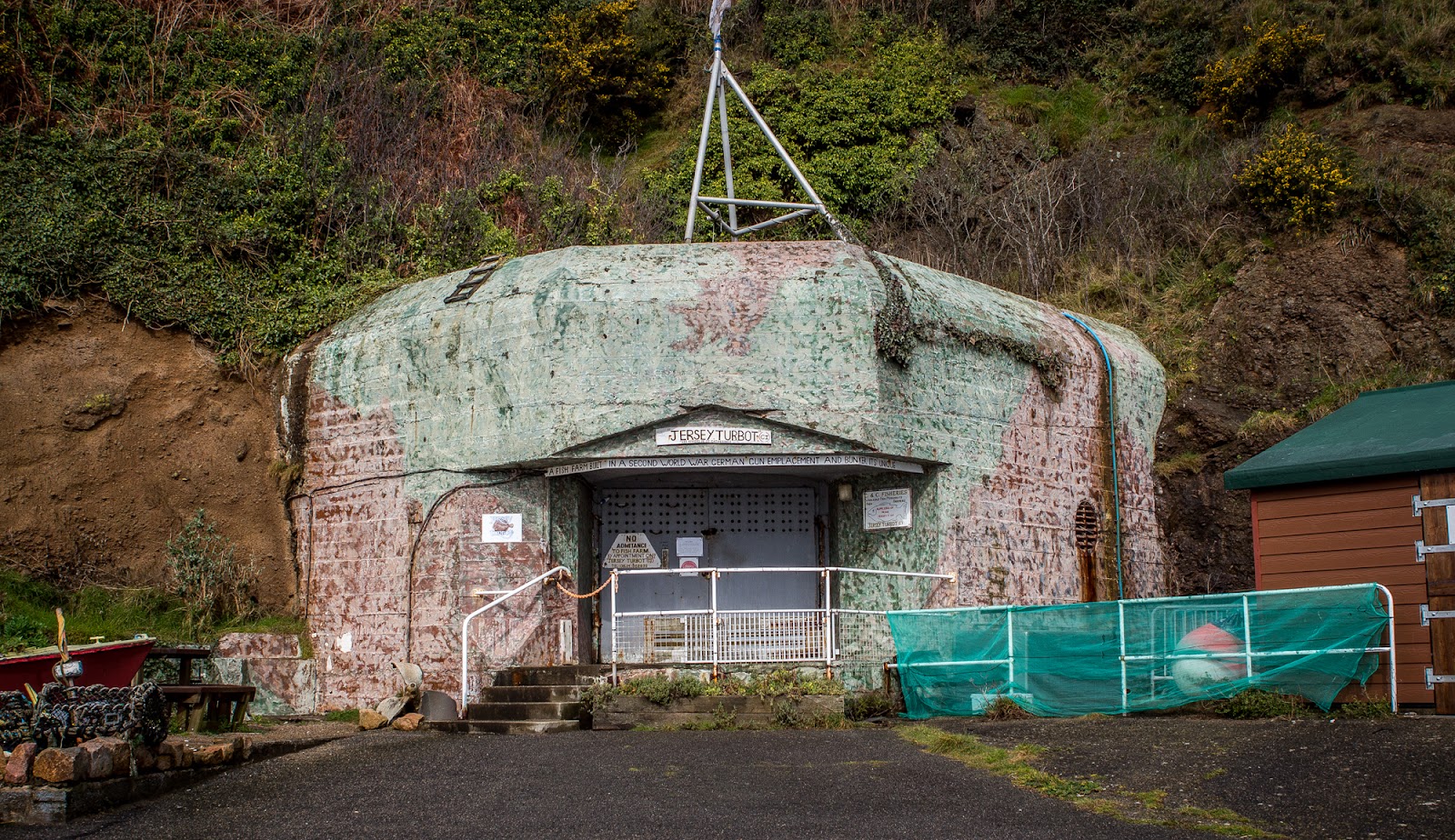
Guarding the eastern approach from St Catherine's Breakwater in the parish of St Martin, St Catherine's Bunker—known German code name Widerstandsnest Mole Verclut—formed a crucial element of the island's north-eastern coastal defence. Situated less than 15 miles from the French coast of Normandy, the site took on heightened strategic importance after the Allied landings in June 1944.
The fortification features heavy machine gun positions, anti-tank casemates, and an extensive underground tunnel system carved into the rock. Managed in partnership with Jersey War Tours, the site opens for specialist guided tours that allow visitors to enter the subterranean tunnels, inspect preserved defensive features, and view wartime equipment displays.
Comparing Jersey's Main WWII Fortifications
To help you decide which wartime sites best suit your schedule and physical comfort, this table outlines the primary locations across Jersey:
| Site Name | Location | Key Highlights | Access & Practicalities |
|---|---|---|---|
| Battery Lothringen | Noirmont Point, St Brelade | 11 open bunkers, MP-1 tower, weapon & optics handling, exterior trails | Open Sundays from 10:00; £8 adult, under-16 free; uneven paths, steep steps |
| Jersey War Tunnels | Les Charrières Malorey, St Lawrence | 1,000m underground tunnel complex, Occupation museum, Garden of Reflection | Open daily in season (21 Jan – 21 Dec 2026); £21 adult; wheelchair accessible |
| Strongpoint Corbière | La Corbière, St Brelade | M19 mortar bunker, underground corridor, Jägerstand gun casemates | Exterior headland open daily; interior open on scheduled CIOS open days |
| Batterie Moltke & MP3 | Les Landes, St Ouen | Preserved 155mm gun, brutalist MP3 observation tower, heathland gun pits | Exterior paths open daily; clifftop paths; CIOS opens interior on select dates |
| St Catherine's Bunker | St Catherine's Breakwater, St Martin | Underground tunnel system, coastal machine gun positions, wartime displays | Specialist guided tours with Jersey War Tours; parking at breakwater |
Practical Tips for Touring Jersey's Bunkers
Visiting original Second World War fortifications is quite different from exploring a purpose-built modern museum. These concrete positions were designed purely for military utility, often featuring cramped corridors, low lintels, and steep steps. Keeping these practical guidelines in mind will make your visits much more comfortable.
Footwear and Clothing
Sturdy walking shoes or boots with good tread are strongly recommended when visiting coastal sites like Battery Lothringen, Strongpoint Corbière, and Batterie Moltke. The ground across these headlands is rocky, unpaved, and occasionally slippery. Inside the bunkers, you will routinely encounter high concrete sills, steep staircases, and damp or uneven surfaces.
Dressing in layers is also sensible. Deep concrete bunkers and subterranean rock tunnels maintain a chilly ambient temperature regardless of summer weather outside. The Jersey War Tunnels, for instance, sit at a constant internal temperature of 10 to 15 degrees Celsius throughout the year, so wearing warm clothing is advisable even during July or August.
Accessibility Considerations
Physical accessibility varies significantly depending on the nature of the fortification:
- Full Wheelchair Access: The main underground complex at the Jersey War Tunnels is fully accessible for pushchairs, wheelchairs, and mobility scooters, featuring level concrete pathways. A limited number of wheelchairs and mobility scooters are available for hire on site for a fee. However, the outdoor terraced Garden of Reflection features uneven ground unsuitable for wheelchairs or pushchairs.
- Historic Concrete Bunkers: Preserved Atlantic Wall fortifications—including the Command Bunker and MP-1 Tower at Battery Lothringen—involve inherent physical barriers. Visitors must navigate steep stairs, low ceilings, and uneven terrain unaided, making them unsuitable for mobility aids.
- Clifftop Safety: Coastal defence locations such as Les Landes (Batterie Moltke and Tower MP3) sit alongside exposed cliff edges. Take care in windy weather, stay strictly to beaten paths, and keep children closely supervised at all times.
Planning Around Volunteer Open Days
Because many of Jersey's individual bunker complexes are maintained entirely by charitable volunteer societies, opening schedules are often tied to specific days. Battery Lothringen's interior bunkers open on Sundays from 10:00 am, whereas Strongpoint Corbière and Batterie Moltke host open days at designated intervals throughout the season. Checking current open dates with the CIOS or Jersey War Tours before setting out will prevent disappointment.
For independent commercial attractions like the Jersey War Tunnels, booking tickets online in advance is a practical choice during peak holiday periods. Likewise, if you wish to organise a specialist tour or hire a private guide through Jersey Military Tours, arranging your booking well ahead of time ensures you can tailor the route to match your historical interests.
Summary
Jersey's Second World War fortifications offer an extraordinary physical connection to a difficult chapter in British history. By combining a comprehensive museum experience at the Jersey War Tunnels with the raw authenticity of preserved coastal batteries like Battery Lothringen and Strongpoint Corbière, you can appreciate the immense scale of the Atlantic Wall and the enduring resilience of the islanders who lived through the Occupation.
Cover photo: Channel Islands Occupation Society (Jersey) Limited
By Alyssa.
Sources and further information
- Jersey War Tours | Bunker Tours | Occupation Researchers | WW2 Media
- Join the Channel Island Occupation Society
- Battery Lothringen | Bunker | Battery Lothringen, Le Chemin de Noirmont, Jersey
- Practical information | Jersey War Tunnels
- Jersey Military Tours | History Alive
- Jersey War Tunnels
- Channel Islands Occupation Society (Jersey) Limited
- Batterie Moltke
- Strongpoint Corbière
- St Catherine's Bunker
Sources checked: 2026-10-29.