Things To Do
A Guide to Plémont Bay: Caves, Waterfall, Beach Access, and Tide Safety
Updated 27 October 2026
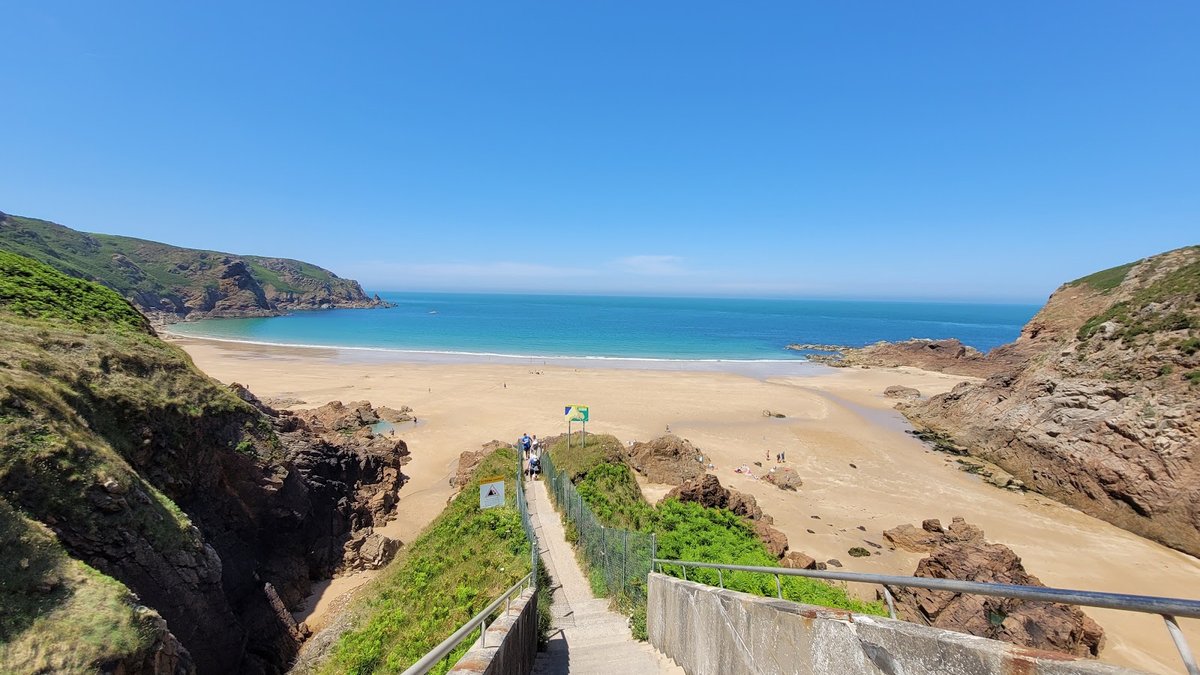
Tucked into the rugged northwest corner of Jersey, Plémont Bay is one of the Channel Islands' most dramatic coastal environments. Framed by towering granite cliffs, this sheltered cove undergoes a total transformation twice each day. At high tide, the Atlantic Ocean advances directly against the sheer rock faces, leaving no sand exposed and nowhere to walk. When the tide pulls back, however, it uncovers an expansive golden beach dotted with rock pools, a natural cliffside waterfall, and a subterranean labyrinth of sea caves carved into the cliff base.
Because the bay changes so completely across every tidal cycle, exploring Plémont requires far more foresight than an afternoon on Jersey's sheltered southern sands. The sea dictates everything: whether you can reach the sand, how long you can safely spend inside the caves, and when you must turn back toward the cliff steps. Here is a practical, observant guide to help you navigate the cliff descent, safely time your exploration of the caves and waterfall, and make the most of your visit to this wild northern shore.
The Rhythm of the Tides: When and How to Visit
Jersey experiences one of the largest tidal ranges in the world, and on its exposed northwest coast, the sea advances and retreats with astonishing speed. Understanding this rhythm is the essential foundation for planning a safe visit to Plémont Bay.
High Water vs. Low Water
Unlike broad beaches that retain an upper shelf of dry sand at high water, Plémont Bay has no permanent dry beach. At high tide, the sea fills the entire cove, meeting the vertical cliffs and submerging the sand beneath metres of surging water. The descent steps from the headland remain accessible, but they terminate at rocky shelves and swirling waves. Arriving at high tide means finding only rocks and rolling surf.
As the tide ebbs, the sand reveals itself progressively. A narrow ribbon appears first in the central bay, expanding outward toward the flanking rocks as low water approaches. On spring low tides—the lowest tides of the lunar cycle—the retreat is extensive, granting full access to the rocky fringes and revealing cavernous entrances cut deep into the rock face. During neap tides, the retreat is smaller; while there is still usable sand, the water remains closer, and certain rocky gullies or cave mouths may remain partially submerged.
Calculating Your Safe Exploration Window
Timing your arrival is critical to ensure you are never rushed or trapped by the returning sea. Aim to reach the beach roughly one hour before low water. This arrival window offers several distinct benefits:
- The tide is still ebbing, meaning sand flats, channels, and cave floors are actively drying out rather than filling with water.
- You maximize your daylight and exploration time while the water level is standing slack.
- You can venture toward the cave mouths without the immediate pressure of a rising sea behind you.
Once low water passes, the return flow begins quickly. On spring tides, the sea moves inland with surprising momentum, covering wide stretches of sand within minutes. A vital safety rule at Plémont is to ensure you are off the lower beach and returning to the cliff steps at least 90 minutes before predicted high water.
Because the shoreline is concave and framed by rocky headlands, the incoming tide frequently narrows and cuts off return paths along the sides of the bay before the central sand disappears. If you linger too long near the peripheral rocks or inside the caves, your escape route back to the stairway can be severed without warning.
Checking Tidal Predictions
Before setting out, consult the daily Jersey tide forecasts. Tidal predictions for Plémont use St Helier as Jersey's standard reference port. Handily, the tidal window at Plémont is approximately the same as at St Helier, so no significant time correction is required. Always note the exact hour of low water and verify whether you are visiting during a spring or neap cycle.
Navigating the Cliff Access and Physical Demands
The natural barrier that preserves Plémont's unspoiled atmosphere is the steep terrain surrounding the cove. Reaching the sand requires descending a long, steep flight of concrete and stone steps cut directly into the hillside from the clifftop car parks.
The Descent and Return Climb
The descent takes roughly ten minutes and offers panoramic views across the Atlantic and over the headland. However, the physical exertion required should not be underestimated. What feels like an easy downhill walk becomes a demanding, continuous climb on the return journey, especially under the afternoon sun or after hours spent walking on soft sand.
Because access relies entirely on this long staircase, Plémont Bay is not suitable for wheelchair users. It also presents serious obstacles for visitors with reduced mobility, knee problems, or those attempting to carry cumbersome beach gear, bulky prams, or pushchairs. If you are travelling with infants or toddlers, a supportive child carrier backpack is far more practical than attempting to maneuver wheeled equipment down the steps.
Footwear Considerations
Given the nature of the steps and the beach terrain, sensible footwear is essential. Lightweight flip-flops or smooth sandals are poorly suited to Plémont. The steps can be damp from sea spray, and reaching the caves and rock pools requires crossing wet boulders and slick patches of seaweed. Sturdy trainers, walking shoes, or robust neoprene water shoes with grippy rubber soles provide the traction necessary to move across uneven rock flats safely.
Discovering the Sea Caves and Freshwater Waterfall
The defining attractions that set Plémont Bay apart from other Jersey beaches are the natural features tucked directly into the cliff base: an extensive network of sea caves and a trickling freshwater waterfall.
The Sea Caves
Carved out over millennia by Atlantic swell scouring faults in the granite, the caves at Plémont are among the most impressive in the Channel Islands. They range from shallow alcoves to substantial, arched tunnels that penetrate deep into the cliff face. At low tide, you can walk directly inside the larger chambers, gazing back out toward the ocean through soaring natural stone arches that frame the daylight and incoming waves.
Because these are unmanaged, wild natural caverns without lighting, boardwalks, or guided tours, exploring them safely requires sensible precautions:
- Carry an independent torch: While cave mouths receive daylight, the chambers curve into total darkness. Phone lights produce a weak, diffuse glow and drain battery life; a dedicated handheld torch or headlamp illuminates slippery footing, hidden pools, and low overhangs.
- Never explore alone: Wet boulders and uneven rock floors pose genuine slip hazards. Always venture into the cave system with a companion so assistance is at hand if someone twists an ankle.
- Wear shoes with firm grip: The cave floors consist of wet rock, sand, and slippery seaweed. Solid tread is vital for secure footing.
- Mind the water behind you: Inside the caverns, the rumble of the sea echoes loudly, masking changes in surf outside. Always monitor the entrance and tide line. Never enter or remain inside the caves once the tide begins to turn, as they flood completely and rapidly.
- Watch for loose rock: These are active, weather-sculpted granite cliffs. Atlantic storms cause natural weathering over time, so avoid lingering directly beneath fractured rock faces.
The Plémont Waterfall
Another unique feature of the bay is the freshwater waterfall that cascades down the cliff face onto the rocks and sand below. The stream originates from the clifftop catchment above, tumbling down the dark granite before flowing across the beach into the sea.
The flow of the waterfall varies considerably depending on recent rainfall. Following wet autumn or winter weather, it runs as a vigorous, tumbling torrent. During dry summer spells, it may reduce to a gentle trickle dampening the rock. The waterfall makes a wonderful focal point for photography, contrasting beautifully with the sheer cliffs and sandy shore. Take care around the base, as the surrounding rocks are constantly wet and coated in slippery green algae.
Swell, Swimming Realities, and Lifeguard Cover
While Plémont's high cliffs create an intimate, enclosed atmosphere, the bay opens directly to the northwest, leaving it vulnerable to North Atlantic swell and westerly weather systems. Understanding water conditions is essential before taking a swim.
Beach Topography and Swell Hazards
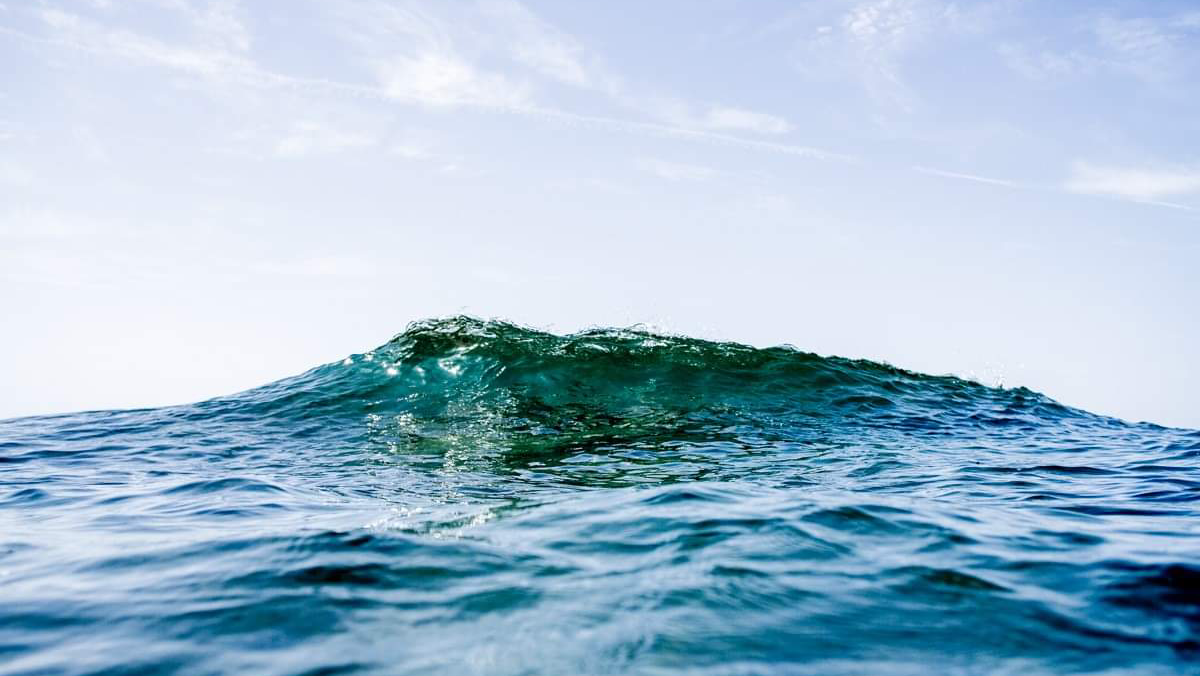
Plémont features a fairly steeply sloping beach profile of sand and scattered rocks. Unlike the flat, shallow sands of Jersey's west coast, the water here deepens quickly as you wade out. This steeper gradient means you reach swimming depth without a long walk, but it also creates a heavier shore break and strong water movement around the rocks.
Atlantic groundswells can push powerful waves into the bay even on days when local winds seem calm. When swell enters the cove, waves reflect off the vertical cliff faces, generating choppy and confused water. Crucially, strong swell can also send surging waves straight into the sea caves even when predicted tide levels appear safe. Always watch the sea from the beach before stepping into the water.
Seasonal RNLI Lifeguard Patrols
To assist bathers, Plémont Bay is seasonally patrolled by RNLI lifeguards. The lifeguard service typically operates from late May to mid-September, with daily patrol hours between 10:00 and 18:00. When lifeguards are on duty, always swim between the red-and-yellow flags, which mark the safest water zone away from hidden rocks and localized currents. If flags are not flying, or if you visit outside the patrol season, exercise heightened caution and never swim alone.
Clifftop Amenities, Transit, and Visiting Etiquette
Because Plémont Bay is an undeveloped natural cove with no facilities on the sand, all visitor infrastructure is situated at the top of the cliff. Organizing your supplies before descending the stairs is essential.
Parking and Road Access
Drivers will find two main car parking areas above the bay: the primary National Trust car park and an upper cliff-top parking area, alongside limited roadside spaces along Route de Plémont. While parking is free, spaces fill rapidly on sunny summer weekends, particularly when low tide coincides with the afternoon. Arriving in good time ensures you secure a spot without circling.
Public Transport

For visitors travelling without a car, Jersey's LibertyBus network runs route 8 from Liberation Station in St Helier directly to Plémont. The journey takes around 40 to 50 minutes, passing through the western countryside before terminating at the clifftop turning circle. Because route 8 runs less frequently than urban trunk lines, check current timetables carefully and plan your return journey in advance.
Refreshments and Toilets
Perched near the head of the access stairs sits a seasonal clifftop café and kiosk, operating from spring into autumn. It serves hot drinks, light meals, sandwiches, and snacks, offering outdoor seating with sweeping views over the bay. Public toilet facilities are also situated at the clifftop near the café. Be sure to use them before heading down the steps; climbing back up solely for the restroom is an arduous task.
Island Dog Regulations
Plémont Bay welcomes dogs throughout the year, making it popular with pet owners. However, visitors must adhere to Jersey's island-wide dog rule: between 1 May and 30 September, dogs must be kept on a lead on the beach between 10:30 and 18:00. Outside of these hours, and from October to April, dogs can run free. Due to steep drops along the headland trails, keeping dogs securely leashed near cliff edges is strongly recommended at all times.
Planning Your Excursion and Nearby Pairings
Because a trip to Plémont Bay is tied to a specific low-tide window of two to three hours, it fits naturally into a wider day out exploring the northwest of Jersey.
Low-Tide Timeline
To plan your excursion smoothly, keep this practical schedule in mind:
- Two Hours Before Low Water: Arrive at the clifftop, check sea conditions, use the facilities, and descend the steps as the beach begins to widen.
- One Hour Before Low Water: Reach the sand. Head straight for the sea caves and waterfall while the tide is still falling and the rock platforms are exposed.
- Low Water: Wander the golden sands, examine rock pools, and take in the natural surroundings.
- One Hour After Low Water: Exit the caves completely. Watch the incoming tide along the rocky sides and begin moving back toward the steps.
- 90 Minutes Before High Water: Climb back up to the headland before the sea covers the sand and reaches the cliff base.
Connecting Coastal Walks
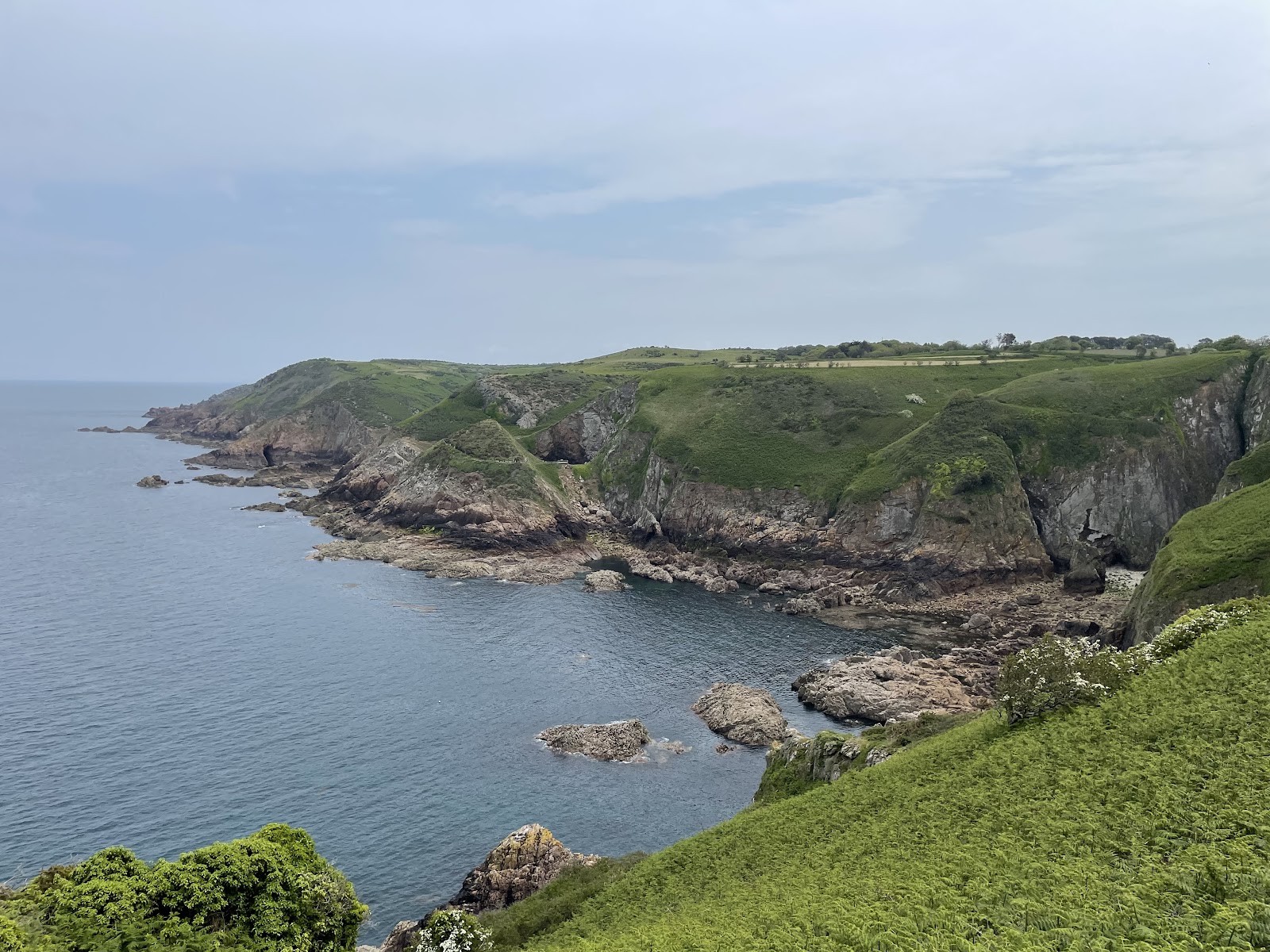
If you arrive while the tide is high and the sand is completely submerged, you can walk the scenic cliff path heading east toward Greve de Lecq. Managed largely by the National Trust for Jersey, this coastal trail skirts dramatic headlands, offering rolling ascents, expansive sea views toward France on clear days, and vibrant spring wildflowers such as sea thrift. The walk takes roughly 1.5 to 2 hours, ending at Grève de Lecq's sheltered bay where pub meals and return buses to St Helier await.
Alternatively, if you finish your low-tide beach exploration at Plémont by early afternoon, consider driving south to explore the open expanse of St Ouen's Bay. Stretching along Jersey's west coast, St Ouen's offers a wide, rolling sandy beach famous for Atlantic surfing and seaside cafes, providing an open, level contrast to the vertical granite cliffs of Plémont.
With careful attention to the St Helier tide tables, proper footwear, and respect for the ocean's pace, visiting Plémont Bay will reward you with one of Jersey's most memorable and wild coastal experiences.
Cover photo: Plemont Bay
By Alyssa.
Sources and further information
- Plémont Bay guide 2026 — tidal access, sea caves
- Plémont Bay tide times, sea caves and beach guide · Jersey Tide Times
- Plémont — beach guide, shelter, lifeguards & dogs — Jersey Beach App
Sources checked: 2026-10-27.