Travel Guide
Driving in Jersey: Rules of the Road, Speed Limits, and Green Lanes
Updated 17 October 2026
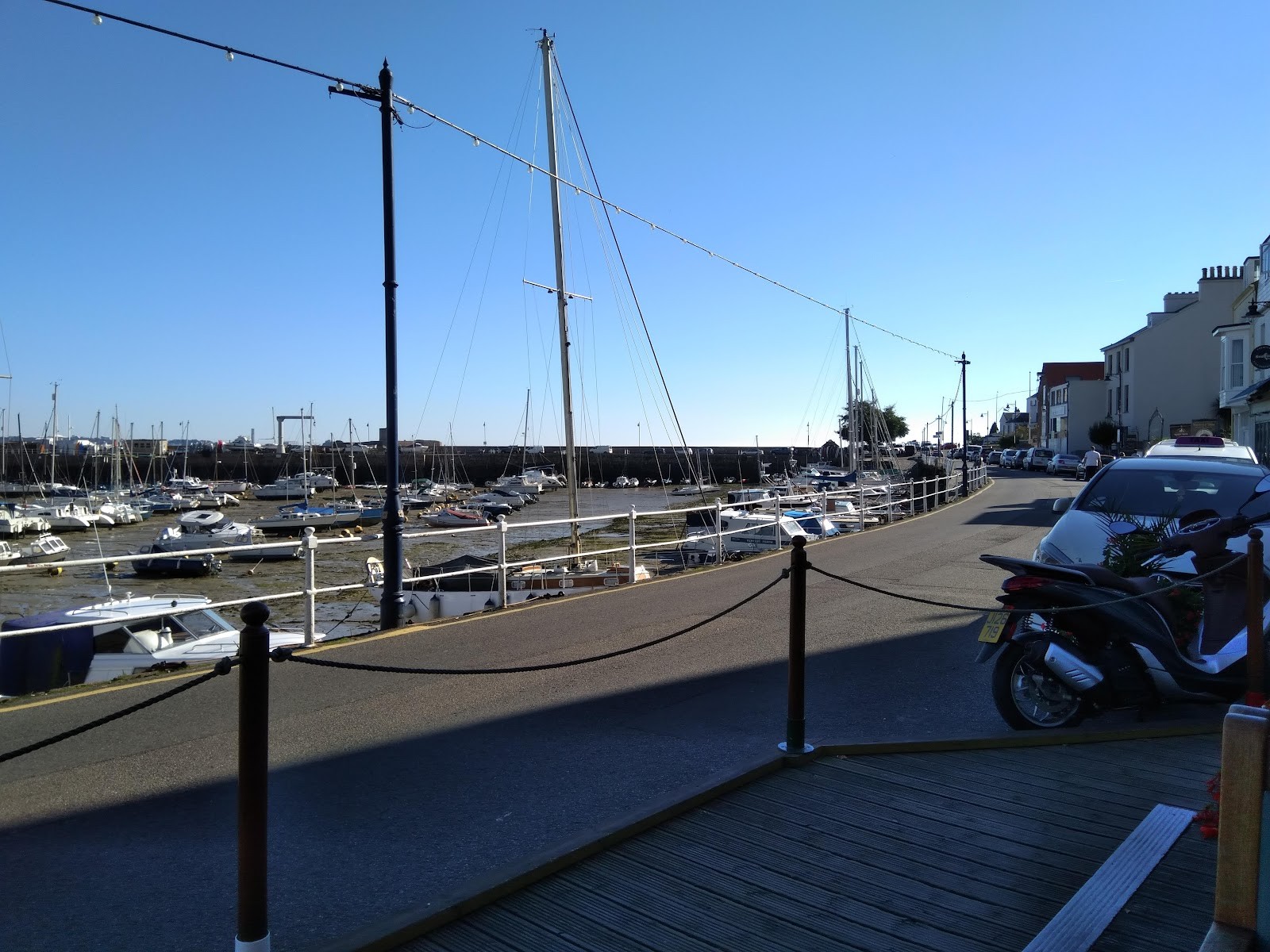
Jersey offers a motoring experience that feels distinctly different from driving in mainland Britain or continental Europe. As the largest of the Channel Islands, measuring nine miles by five, Jersey packs a remarkable variety of landscapes into roughly forty-five square miles. Within a short drive, you can transition from the lively urban waterfront of St Helier to sweeping coastal highways, open agricultural plateaus, and deeply sheltered country byways bound by high granite walls and centuries-old hedgerows. Whether you plan to bring your own vehicle across on the ferry or collect a hire car at the airport, taking to the wheel here requires an immediate adjustment in pace, awareness, and driving habits.
Driving on Jersey is defined by moderation, shared road spaces, and community consideration. The island does not possess motorways, fast dual carriageways, or high-speed bypasses. Instead, the highway network is engineered around close quarters, historic parish boundaries, and an active mix of motorists, cyclists, horse riders, and pedestrians. To help you navigate the island safely and complacently, this guide details everything you need to know about local driving rules, the speed limit framework, Green Lane regulations, speed enforcement, and parish parking systems.
Driving Licences and Legal Requirements for Visitors
Before setting off on Jersey roads, it is essential to understand how local motoring laws apply to temporary visitors. Jersey is a British Crown Dependency with its own legislature, legal administration, and parish government, meaning its road transport statutes operate independently from the United Kingdom Highway Code.
For visitors traveling to Jersey on holiday or business, the legal position regarding licences is straightforward. You are legally permitted to drive on Jersey roads provided that you hold a full, valid driving licence issued by your home country covering the specific category of vehicle you intend to drive. Whether your licence is issued in the United Kingdom, Guernsey, the Isle of Man, the European Union, or further afield across international territories, it is officially recognized for visitor driving. Learner permits and provisional licences from abroad are not valid for driving unaccompanied on the island.
Whenever you drive on Jersey roads, you should ensure that your physical driving licence is kept in the vehicle. In the event of a routine police check or an unexpected roadside incident, you must be able to present your licence to island authorities to confirm your lawful entitlement to drive. If you are hiring a vehicle on arrival, rental desks will require you to present this physical document alongside standard identity checks.
It is worth noting the strict legal threshold dividing temporary visitors from island residents. If you decide to take up permanent residence in Jersey, or if your stay on the island extends beyond a period of 12 months, you cannot indefinitely continue driving on an overseas or mainland licence. In such instances, the law requires you to obtain an official Jersey driving licence administered through your local parish hall. For standard short breaks, family holidays, and seasonal road trips, however, your valid home licence covers you entirely.
Jersey’s Standardized Speed Limit Framework
The single biggest practical difference motorists encounter in Jersey is the scale of the speed limits. Across the entire island, traffic speed is managed through a standardized framework agreed upon by the Comité des Connétables and the Government of Jersey. This framework is specifically designed to enhance road safety, protect non-motorized users, and reduce collision severity across rural and residential communities.
The maximum speed limit across the entire island of Jersey is 40 mph. There are no roads anywhere in Jersey where it is lawful to drive faster than 40 mph. Furthermore, on stretches where this island ceiling applies, the limit is automatically reduced to 30 mph for any vehicle with a gross weight exceeding 3.5 tonnes, as well as for any vehicle towing a trailer or caravan. Even on open connecting roads, 40 mph represents an upper legal boundary rather than a recommended cruising speed; bends, dips, and narrow sections frequently dictate much slower driving.
Beyond this all-island ceiling, speed restrictions step down across distinct tiers based on the surrounding environment and roadside activity:
| Speed Limit | Applicable Road Environment |
|---|---|
| 40 mph | The maximum ceiling across the island on open roads (reduced to 30 mph for vehicles over 3.5 tonnes or towing a trailer). |
| 30 mph | All roads within urban or built-up areas, with appropriate extensions into surrounding rural approaches. |
| 20 mph | Parish village centres, non-through residential roads, high-activity tourist bays, and signed part-time school zones. |
| 15 mph | Designated Green Lanes network throughout rural parishes. |
Urban and built-up districts carry a standard 30 mph speed limit, which frequently extends outward along approach routes where housing density remains consistent. As you enter community hubs, limits reduce further. A 20 mph limit applies to traditional village centres—typically pedestrian-dense focal points where people walk between parish churches, Parish Halls, shops, tea rooms, and local pubs. A 20 mph restriction is also designated in residential areas that are not through-routes, at coastal tourist bays where pedestrian and bicycle movements are high, and within signed part-time school zones during times when children are arriving or departing.
Authorities also retain the legal discretion to apply lower speed limits along specific sections of road where visibility splays, tricky junctions, or local topography present hazards. Adjusting your mindset to relaxed, measured cruising will ensure you stay safely within the law.
Navigating Jersey’s Green Lanes Network
One of the most distinctive features of motoring in Jersey is the island’s famous Green Lanes network. Established across the rural parishes to preserve traditional countryside tranquility and provide safe routes for recreation, Green Lanes represent some of the most scenic byways on the island.
Green Lanes are fully public highways, but they operate under special legal status and strict behavioral expectations. The speed limit on all Green Lanes is legally fixed at 15 mph. Crucially, the regulations mandate that motorized vehicles must give priority to pedestrians, cyclists, and horse riders at all times. When driving along a Green Lane, you are sharing a narrow corridor where non-motorized road users possess absolute right of way.
Driving on these lanes demands exceptional attentiveness and defensive motoring techniques. Green Lanes are characterized by single-track widths, tall earth banks, stone walls, and mature overhanging hedgerows. Visibility around curves is often severely restricted. Operating at or below the 15 mph limit provides the reaction distance necessary should you round a bend to find a horse and rider, a group of ramblers, or a local cyclist riding in the opposite direction.
When you encounter vulnerable road users traveling in front of you, you should slow down to their pace and hold back until they have reached a safe spot to pull aside or until the road widens sufficiently to allow a generous passing distance. If you encounter an oncoming motor vehicle on a single-track stretch, mutual cooperation is vital. Local etiquette requires motorists to look ahead, spot recessed field gateways or passing places, and pull in—or reverse carefully—to let the other vehicle pass safely. Never force your vehicle onto delicate roadside banks or try to squeeze through gaps that risk scraping paintwork or damaging historic stone walls.
Speed Compliance, Detection, and Parish Hall Enquiries
Jersey strictly enforces its speed framework through active policing and community justice mechanisms. Because research highlights that small increases in speed significantly elevate injury severity—with collision risks rising by roughly five percent for every 1 mph increase in speed—the island maintains a visible approach to speed compliance.
The States of Jersey Police actively enforce island speed limits using manual speed detection equipment. Officers regularly conduct targeted speed checks in designated collision hotspots and along routes where parish residents have voiced road safety concerns. In tandem with active enforcement, authorities strategically deploy portable Speed Indicator Devices beside roads across the island. These electronic signs detect approaching vehicles and display real-time visual feedback: a smiling face if you are driving within the legal speed threshold, or a sad face if you are exceeding it. These devices serve as helpful reminders for visiting motorists who may unintentionally let their speed drift on quiet stretches.
If you are caught exceeding the speed limit in Jersey, the legal consequences depend on the severity of the offense and the amount by which the limit was broken:
- Minor Breaches: For lower-level speeding infractions, drivers are typically required to attend a Parish Hall enquiry. Presided over by the parish Centenier—an elected honorary police officer—this customary community hearing examines the circumstances of the breach and can issue warnings, impose administrative penalties, or resolve the matter without the need for formal court proceedings.
- Serious Violations: Severe, reckless, or high-level speeding offenses bypass the parish hall and result in a direct summons to the Magistrate’s Court. If convicted, motorists face substantial financial fines reflecting the scale of the excess speed, formal endorsements on their driving licence, and potential driving disqualifications or outright bans.
Adhering strictly to posted limits ensures your driving record remains clean while keeping Jersey’s shared rural corridors safe for everyone.
Public Car Parks and Island Parking Systems
Whether you are parking in central St Helier to shop or stopping by a coastal bay for lunch, navigating Jersey’s public parking infrastructure requires an understanding of local charging systems, operational hours, and payment methods.
Long-Stay Car Parks
Long-stay public car parks are located in St Helier and across outer parish locations, providing convenient parking for motorists spending several hours or the entire day exploring. At long-stay car parks, parking charges apply from 8:00 am to 5:00 pm, Monday to Saturday, all year round. Outside of these hours and on Sundays, parking is generally free unless signed otherwise.
The standard tariff at long-stay car parks is charged at 1 unit per hour. Motorists can settle parking charges using three recognized methods:
- Parking Paycards: These traditional physical scratch cards can be purchased in advance from local corner shops, garages, post offices, and parish halls. When parking, you scratch out the relevant panels indicating the day, month, hour, and minute of your arrival, displaying the card clearly behind your windscreen.
- PayByPhone: The island’s municipal parking network integrates with the PayByPhone mobile application, allowing motorists to log their vehicle registration and pay for parking using the specific location code displayed on car park boards.
- Season Tickets: Official season passes issued for regular long-term parking.
Always inspect the signs at individual long-stay car parks to confirm maximum stay restrictions. Certain facilities restrict stays to 12 hours in any 24-hour window, while other sites allow continuous parking for up to seven consecutive days.
Short-Stay Shopper Car Parks
For visitors heading into central St Helier for retail or dining, designated short-stay car parks are available. In standard short-stay shopper car parks, vehicles are permitted to stay for a maximum of 3 hours, with charges set at 1 unit per hour between 8:00 am and 5:00 pm, Monday to Saturday.
Motorists should be aware of two notable variations within the St Helier network:
- Charles Street Car Park: This site operates chargeable hours from 8:00 am to 8:00 pm, seven days a week, throughout the year. Drivers can pay using PayByPhone or physical paycards.
- Sand Street Multi-Storey Car Park: Sand Street allows drivers to remain longer than the standard 3-hour short-stay cap, but operates an escalating pricing scale where hourly rates rise progressively the longer you stay. Crucially, Sand Street does not accept parking paycards; motorists must pay via the automated on-site payment machines or through the PayByPhone app.
Coastal Car Parks and Seasonal Laybys
If you are motoring along Jersey’s picturesque coastlines, public laybys and beach car parks provide direct coastal access. Charging structures at these locations are divided into year-round and seasonal tiers:
- Year-Round Half-Rate Parking: Certain coastal facilities charge at a reduced rate of 1 unit per 2 hours between 8:00 am and 5:00 pm, all year round. These sites include Goose Green and Gun Site in St Peter, La Collette and Victoria Avenue Laybys 1 through 4 in St Helier, and Le Boulevard and St Aubin car parks in St Brelade.
- Seasonal Summer Charging: Other scenic parking areas operate charging solely during the tourist season, running from 1 April to 30 September (1 unit per 2 hours between 8:00 am and 5:00 pm). These include Laybys 5, 6, and 7 along Victoria Avenue in St Helier, Victoria House and La Perquage in St Lawrence, and Les Mielles, Midbay, Tams, and Woodford car parks in St Brelade. Outside of the April-to-September window, parking in these bays is entirely free.
Beach Parking Regulations
Because Jersey experiences one of the largest tidal ranges in the world, its beaches feature sweeping stretches of sand. However, taking a car onto the beach is strictly controlled under the Policing of Beaches (Jersey) Regulations.
Recreational driving or casual parking on island beaches is entirely illegal. You may only take a vehicle onto the beach if you hold an official beach parking permit issued by the Government of Jersey. Applying for this permit is free, but permits are exclusively valid when the vehicle and trailer are being used to transport a boat or marine vessel to and from the water.
Furthermore, permitted vehicular access is restricted to two designated beach locations:
- St Brelade's Bay: Permitted solely in the designated zone east of the slipway below the historic Parish Church of St. Brelade up to the white line marked on the sea wall.
- La Haule: Permitted solely east of the La Haule slipway up to the white line on the sea wall and below La Haule Court flats.
Permit holders must display their beach permit visibly at all times. Bringing an unauthorized vehicle onto the sand or breaching permit regulations carries a fine of up to £200. General visitors should always leave their vehicles in paved coastal car parks.
Planning Scenic Drives Around Jersey
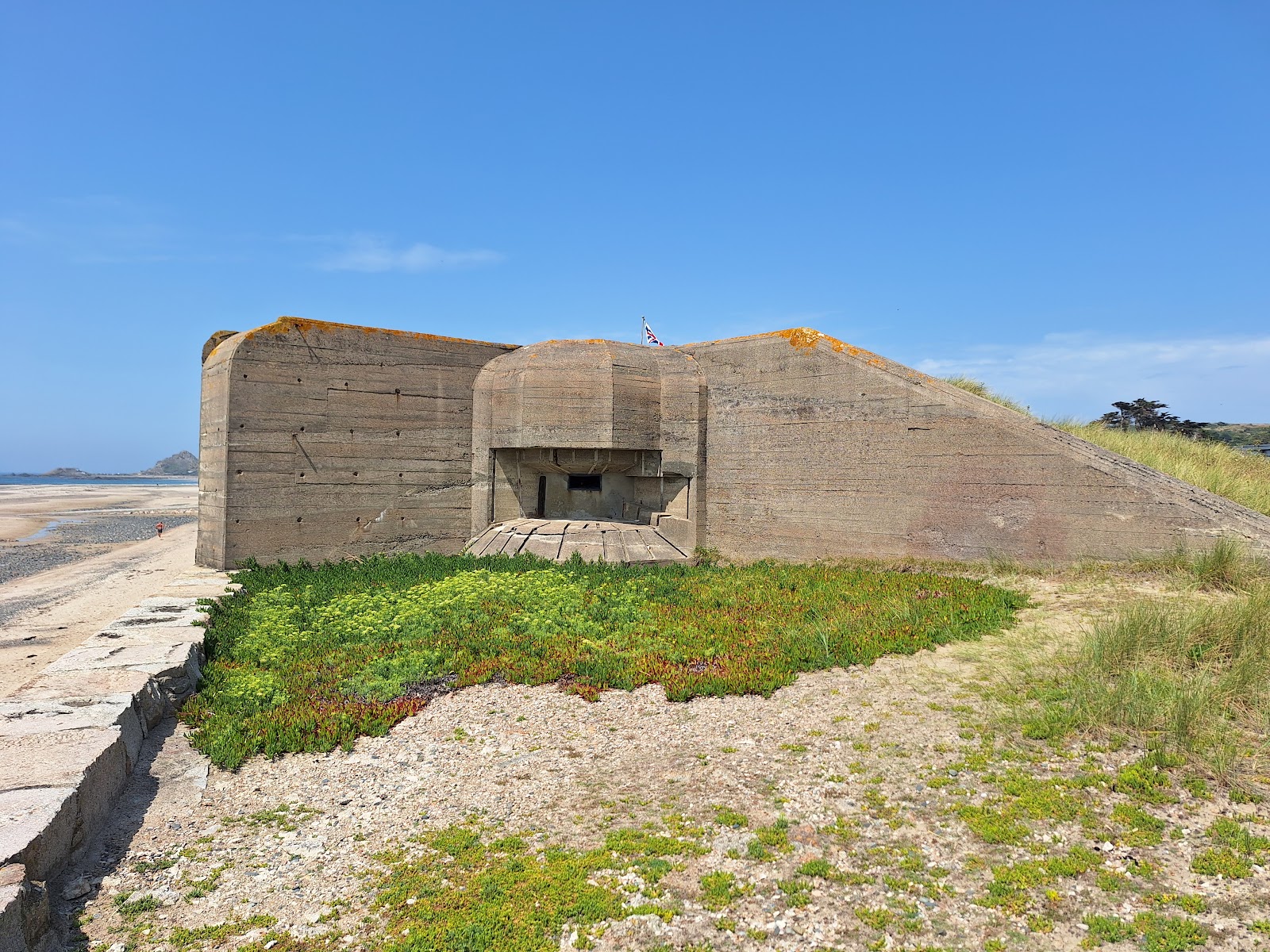
Having access to a vehicle provides the freedom to explore Jersey’s dramatic coastline and quiet rural corners at your own leisure. With journey times across the island rarely exceeding twenty to thirty minutes, you can easily combine several parish highlights into an unhurried day trip.
A classic western loop might take you west along the coastal road from St Helier toward the sweeping sands of St Ouen's Bay. Running along the island's Atlantic edge, the bay’s open coastal highway contrasts delightfully with the enclosed country lanes found further inland. Skirting the bay along La Grande Route des Mielles brings you past notable historical landmarks, including The Channel Island Military Museum, which occupies a fortified German bunker constructed during the Second World War.
Further along the headlands, motorists can park and walk to rugged defensive strongpoints preserved by the Channel Islands Occupation Society (Jersey) Limited at Corbière, Les Landes Common, and Noirmont Point. Heading inland into the peaceful lanes of Trinity allows you to visit world-renowned horticultural attractions such as the Eric Young Orchid Foundation at Victoria Village, surrounded by serene parish scenery.
If you prefer to take a break from driving during your stay, convenient alternatives exist. You can join island excursions with Waverley Coach Tours, hire two wheels through Puffin Bike Hire to cruise car-free coastal paths, or explore town history on foot with local Blue Badge guide Tom Bunting. For maritime adventures, charter angling outings with Fishing Jersey or coastal RIB voyages with Jersey Seafaris provide exceptional offshore views of the coast.
After returning your car to a central multi-storey in St Helier at the end of the day, you can explore the capital’s hospitality scene on foot. Discover hidden spots like Project 52 nestled on Waterloo Lane, or stroll down to South Pier to sample handcrafted spirits produced by the Channel Islands Liquor Co.
Practical Motoring Checklist for Jersey
To keep your journey around Jersey effortless, safe, and enjoyable, keep these golden rules in mind before you set out:
- Licence in Hand: Always carry your physical, valid driving licence in the car when operating a vehicle on the island.
- Remember the 40 mph Ceiling: Never exceed 40 mph anywhere on the island, and slow down to 30 mph in built-up areas, 20 mph in village centres and tourist bays, and 15 mph on Green Lanes.
- Yield on Green Lanes: Recognize that pedestrians, cyclists, and equestrians hold absolute right of way across the 15 mph Green Lane network.
- Check Parking Terms: Set up your PayByPhone app or purchase paper scratch paycards before heading into town, noting that Sand Street requires automated payment and coastal laybys have seasonal summer rules.
- Protect the Beaches: Never park or drive on tidal sands unless you hold an official vessel transport permit for St Brelade’s Bay or La Haule.
Approaching Jersey’s highway network with courtesy, patience, and a calm driving style allows you to experience the very best of this charming Channel Island at the relaxed pace it deserves.
Cover photo: Le Boulevard - Stephen Perry
By Alyssa.
Sources and further information
- Framework for Island wide speed limit
- Safe Speeds - Jersey Road Safety Hub
- Car parks (long and short stay)
- Applying for or renewing a driving licence
- Applying to park a vehicle on the beach
Sources checked: 2026-10-17.