Things To Do
Jersey Oyster Bed Tours and Tastings: A Seafood Lover's Guide
Updated 25 October 2026
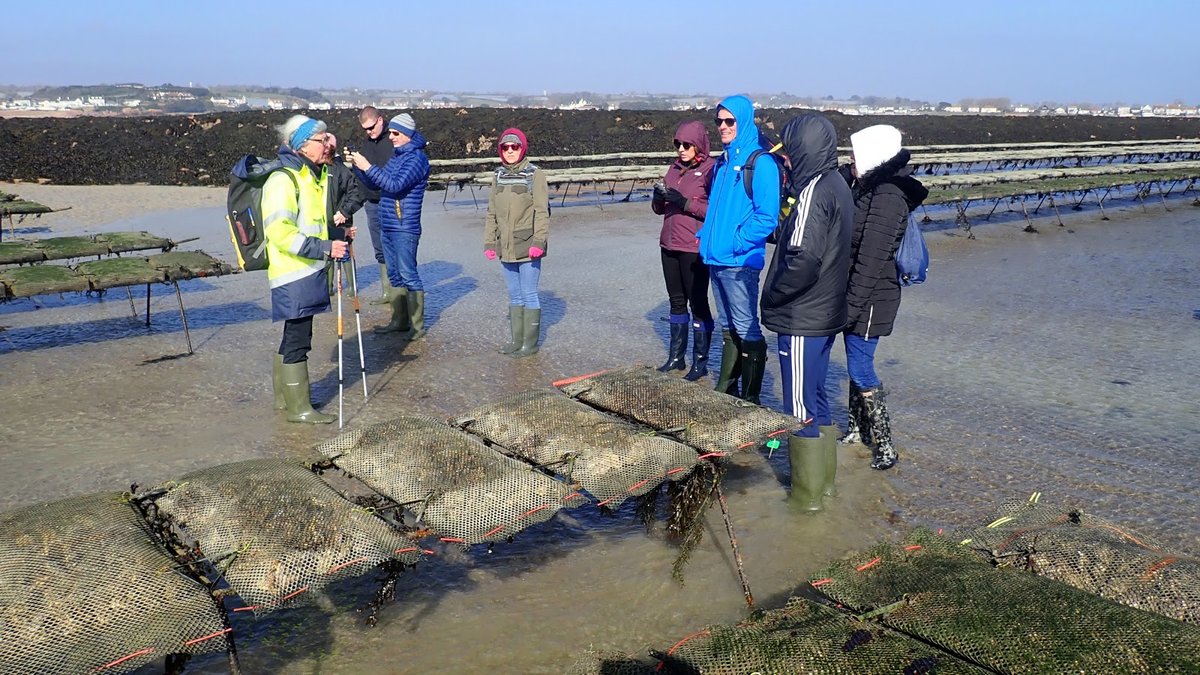
Few places in the British Isles reveal quite as dramatic a transformation between high and low water as the island of Jersey. Twice every day, the tide recedes across vast expanses of sand, reef, and granite gullies, effectively doubling the island's exposed land area and unveiling an extraordinary marine landscape. For seafood lovers and curious travellers, this remarkable tidal swing opens up a rare opportunity: the chance to pull on a pair of boots, leave the dry shore behind, and wander directly among working oyster beds cultivated in some of the cleanest coastal waters in Europe.
Jersey has held an intimate connection to the sea for centuries, but the island's contemporary shellfish farming scene is especially fascinating to explore. Rather than viewing oyster aquaculture strictly from the deck of an excursion boat or behind the glass of a fishmonger's counter, visitors can walk straight out onto the ocean floor at low water. Led by experienced local guides, you can weave through rows of metal trestles where thousands of oysters mature in mesh bags, nourished by constant Atlantic tides. Afterward, you can head into a seaside pub or a rugged coastal spot to sample the catch fresh from the sea. If you want to experience Jersey's oyster culture firsthand, here is everything you need to know about low-tide seabed tours and the best spots on the island to sample fresh molluscs.
The Unique Tidal Landscape of the Southeast Coast
To understand why Jersey's oyster cultivation is so special, it helps to examine the natural conditions along the island's southeast corner. The expansive intertidal zone stretching between St Clement and Grouville forms an internationally recognised Ramsar World Wetlands site. Often described as a marine counterpart to a national park, this protected wetland encompasses shallow channels, sandbars, rock pools, and rocky outcrops that are submerged and uncovered twice every single day by some of the most powerful tides in the world.
This immense rise and fall of seawater creates ideal conditions for cultivating shellfish. When the ocean retreats towards the horizon, it leaves behind an almost lunar plain where marine life thrives in the extremes of the tidal rhythm. For shellfish growers operating in the Royal Bay of Grouville, the twice-daily exchange of cool, crystal-clear Atlantic water acts as a continuous nutrient pipeline. The pristine environment allows the oysters to grow cleanly and rapidly, resulting in shellfish known for their crisp salinity and delicate sweetness.
However, the sheer speed and scale of Jersey's tides mean that venturing out onto the flats is not something to undertake casually. Gullies that appear dry can fill quickly from behind, and the maze of rocky channels can look disorientingly uniform once the water turns. For visitors wanting to explore the beds safely, joining an accredited local guide is by far the smartest and most enriching approach.
Guided Seabed Walks and Oyster Trails
If you want to walk among the growing racks and learn how modern aquaculture works alongside marine conservation, several guided excursions combine seabed walking with shellfish tastings.
The Grouville Oyster Trail with Jersey Walk Adventures
One of the primary operators leading visitors out across the intertidal zone is Jersey Walk Adventures. Their excursions are led by experienced local guides accredited through Visit Jersey and the Jersey Tourist Guides Association. While they offer several low-tide seabed walks—often called "moonwalks" because of the cratered, alien look of the exposed reef—their dedicated Oyster Trail focuses directly on the commercial shellfish beds situated in the Royal Bay of Grouville.
During the walk, participants step out across the damp sand and shallow drainage runnels to reach the extensive oyster and mussel beds. As you stroll among the metal trestles holding mesh cultivation bags, your guide explains how modern farming works and how the shellfish develop from tiny seed oysters to mature table delicacies. Along the way, you can observe a variety of marine life thriving in the surrounding shallows, including shore crabs, anemones, and different varieties of seaweeds. The excursion concludes with the opportunity to sample delicious fresh Jersey oysters, connecting what you have just observed on the seabed directly to the plate.
The Sea Foraging and Oyster Trail Experience
For a more tailored outing that delves into island culinary traditions, Jersey Walk Adventures also arranges a 2.5-hour private Sea Foraging & Oyster Trail. Historically, local islanders referred to gathering food from the receding tide as low-water fishing, wandering out as the water dropped to harvest shellfish and edible plants from the rocks.
This private tour takes participants on a fascinating wild food foray across the intertidal flats, heading towards some of the most extensive oyster beds in the British Isles. Guides introduce you to various species of edible seaweeds and intertidal plants, while sharing vivid stories of the nineteenth-century oyster fishing boom, when hundreds of vessels worked these waters during a frantic coastal gold rush. After two and a half hours on the wet sands, the walk finishes with an oyster tasting at the Seymour Pub, where guests can enjoy six fresh Jersey oysters alongside a glass of wine or beer. Because these walks maintain small participant numbers, booking online in advance is essential.
Eastern Foodie Tours with Jersey Uncovered
Another enjoyable way to experience the beds is through the guided itineraries offered by Jersey Uncovered. Their town and eastern island foodie excursions combine history, architecture, and local gastronomy into a comprehensive day trip. The coastal portion of the itinerary takes travellers out to the southeast shore at La Rocque and Grouville.
For this leg of the journey, guests pull on wellington boots and accompany a specialist guide out across the sands to visit the oyster beds. As you stroll along the flats, you learn about the origins of the local oyster trade, the defensive fortifications dotting the coast, and the methods used by modern growers. After walking through the working beds and watching the water sweep across the bay, the tour heads inside the Seymour Inn for a tasting session. Guests can sample freshly opened local molluscs accompanied by a refreshing drink while learning more about the heritage of the island's fishing fleets.
Understanding Jersey's Oyster Cultivation
When you stand among the rows of cultivation trestles stretching across Grouville Bay, you are observing a vital component of Jersey's maritime economy. The primary species cultivated across the island's beds is the Pacific Oyster (Crassostrea gigas). This species thrives in the nutrient-dense waters of the Ramsar wetland, benefiting from the rapid tidal flow that sweeps past twice each day.
A notable feature of Pacific Oysters is that they are available and harvested all year round, ensuring that visitors can enjoy top-quality shellfish regardless of the season. The oysters are graded by weight and monitored carefully throughout their growth cycle, which takes several years of tending in the intertidal zone.
A prominent name in the island's shellfish sector is The Jersey Oyster Company, owned and operated by third-generation oyster farmer Chris Le Masurier, who has been involved in the business since 1998. The company's shore-based activity operates from La Ferme on La Grande Route Des Sablons in Grouville, just a short distance from the intertidal production beds where his grandfather first established an aquaculture business over forty years ago. Watching the specialized tractors drive out across the flats at low water provides a vivid reminder that oyster farming in Jersey is governed by the lunar clock, with every task timed precisely around the movements of the sea.
Where to Sample Fresh Jersey Oysters
Experiencing the beds on foot is memorable, but sitting down to taste the fresh harvest completes the story. Because Jersey is relatively compact and surrounded by clean ocean currents, the path from seabed to table is exceptionally short. A few key locations stand out for enjoying local oysters in distinctive settings.
The Seymour Pub, Grouville
Perched along the coastal road heading towards Gorey, The Seymour pub is an ideal place to unwind after an eastern seabed walk. The traditional Jersey pub sits directly across from the beach and coastal slipway, looking out over the intertidal flats towards Seymour Tower, a historic coastal fortification standing solitary on a distant rocky outcrop.
The pub features ample outdoor seating where guests can take in the expansive coastal views while enjoying a plate of fresh oysters paired with a glass of sparkling wine, a crisp white, or a local pint. Sitting on the terrace while watching the incoming tide slowly swallow the sandbars you walked across earlier in the day is one of the most rewarding culinary moments the island has to offer.
Faulkner Fisheries at the Vivier, L'Étacq

On the opposite side of Jersey, at the northern corner of St Ouen's Bay, travellers will find another classic island seafood institution. Faulkner Fisheries operates out of the Vivier, an imposing converted German bunker set on the rocky shoreline at L'Étacq. For more than forty years, this family-run enterprise has bought, held, and prepared live, fresh, and cooked seafood for both islanders and visitors.
During the warmer months, Faulkner Fisheries serves a popular outdoor summer menu right at the Vivier. Diners can order freshly prepared seafood served alongside local Jersey Royal potatoes and homemade garlic butter, finding an open-air seat that looks directly across the wide sweep of St Ouen's Bay. If the sun is out, the venue operates through the middle of the day, offering an unpretentious and scenic way to sample local catches while taking in the Atlantic surf.
What to Expect: Flavour and Tasting Etiquette
Jersey's Pacific Oysters provide an approachable and delicious introduction to raw shellfish. Because they mature in exceptionally clean water constantly replenished by open ocean swells, their flavour profile is remarkably clean and balanced. You can expect a brisk wave of pure sea salt upon first tasting, followed by a delicate minerality and a creamy, slightly sweet finish. The meat itself is firm and plump, reflecting the rich supply of plankton in the bay.
At local venues like the Seymour Pub, oysters are typically presented raw on the half-shell, bedded on crushed ice. Many seafood purists prefer to taste them completely unadorned. To do this, simply loosen the meat with an oyster fork if necessary, tilt the shell back, and sip the oyster along with its naturally retained seawater liquor before chewing gently to appreciate the flavour nuances. If you prefer an accompaniment, a light squeeze of fresh lemon juice or a small drop of red wine vinegar with shallots (mignonette) adds a bright acidity that cuts through the briny richness.
Practical Tips for Planning Your Oyster Bed Walk
Because low-tide excursions take place in a dynamic marine wilderness, keeping a few practical considerations in mind will make your outing comfortable and hassle-free.
- Coordinate with the Tides: Low-water seabed tours are entirely dependent on the lunar cycle. Low tide occurs roughly fifty minutes later each day, and the largest low-tide retreats happen during spring tides. When planning your Jersey trip, check tour operator calendars well in advance to see which dates and times line up with scheduled oyster trails.
- Book Well Ahead: Guided walks with Jersey Walk Adventures run in small groups to preserve safety and minimize environmental disturbance within the Ramsar wetland. As a result, spaces can book up quickly, especially during spring, summer, and autumn holiday weekends. Secure your spot online before you arrive.
- Wear Suitable Footwear: The intertidal zone is wet, uneven, and textured with sand, rocks, mud, and hard oyster shells. Wellington boots are standard gear for most walks, particularly when crossing shallow channels or visiting during cooler weather. In warm summer months, some walkers opt for secure wading shoes or old trainers with good grip, but open sandals, soft shoes, and bare feet should never be worn on the beds.
- Layer Up Against Coastal Wind: The exposed seabed offers zero protection from coastal breezes or passing showers. Even on a pleasant day, walking a mile or two from dry land can feel cool. Bring a windproof and waterproof outer layer, wear comfortable trousers that can be tucked into wellies or rolled up, and carry sunglasses to deal with the bright reflection off the wet sand.
- Always Go with a Guide: The broad sands of Grouville Bay look gentle and inviting, but the incoming tide moves rapidly through hidden channels. Never attempt to walk out to distant oyster beds or offshore towers on your own without an accredited local guide who understands the specific tidal times and seabed terrain.
A Memorable Island Culinary Journey
Exploring Jersey through its oyster beds offers an experience that connects you deeply to the island's marine environment. It turns a simple seafood meal into a memorable encounter with landscape, history, and working traditions. Standing out on the wet sands of Grouville Bay as the wind carries the scent of the ocean, watching the rows of oyster trestles emerge from the falling tide, gives you an appreciation for the harvest that no standard restaurant meal can match.
Whether you choose to join an educational guided trek along the Oyster Trail with Jersey Walk Adventures, book a private sea foraging adventure ending at the pub, or head out to Faulkner Fisheries at St Ouen's Bay for lunch by the water, delving into Jersey's shellfish culture is one of the most rewarding things to do during your island stay.
Cover photo: Jersey Walk Adventures
By Alyssa.
Sources and further information
- Home - Jersey Walk Adventures
- Jersey Oyster
- The Seymour - The Seymour
- Seafood Restaurant In Jersey - Faulkner Fisheries
- A town and eastern foodie adventure — Jersey Uncovered
Sources checked: 2026-10-25.