Surfing & Watersports
A Visitor's Practical Guide to Surfing at St Ouen's Bay, Jersey
Updated 24 October 2026
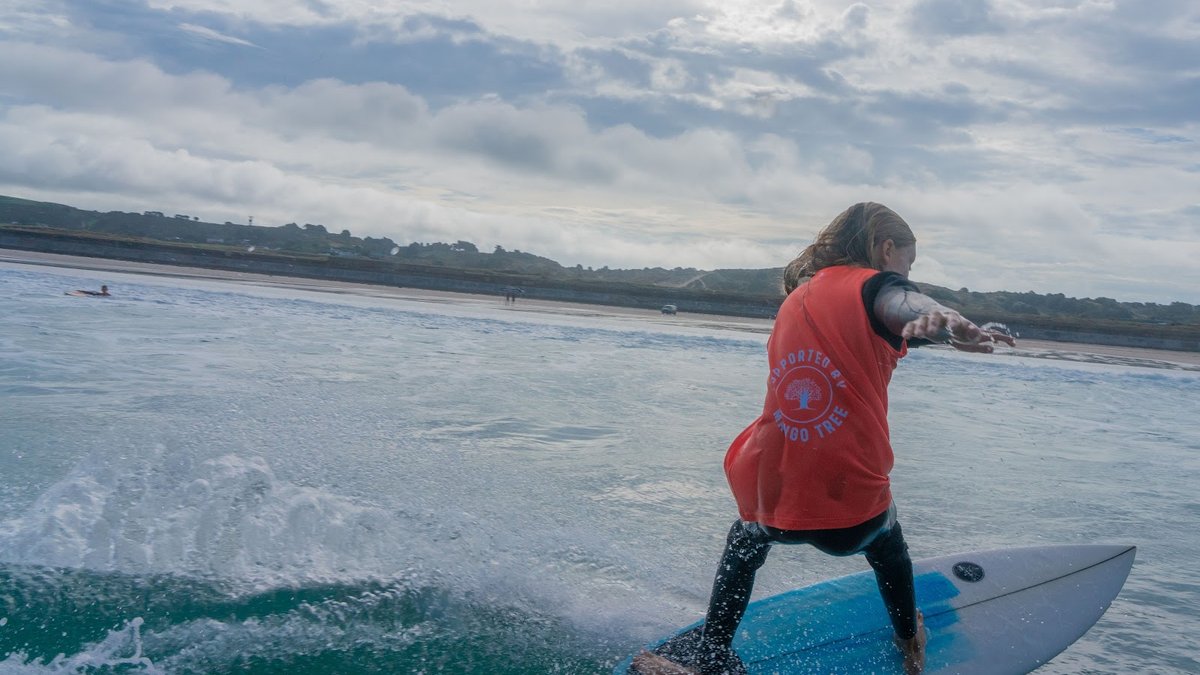
When organizing a surf trip to the Channel Islands, one stretch of coastline naturally commands attention. Sweeping along Jersey's open western perimeter, St Ouen's Bay is the island's longest beach and functions as the focal point of local surf culture. Nicknamed 'The Five Mile Road' after the coastal thoroughfare tracking behind the maritime dunes, this broad sandy bay faces directly into the Atlantic Ocean. Because of this uninterrupted western exposure, it picks up consistent oceanic swells that travel across vast expanses of water before rolling into shore.
Whether you hope to stand on a board for the very first time or you are an experienced surfer seeking open green faces, knowing how the bay works makes all the difference to your visit. The west coast offers a dynamic environment where massive tides, shifting sandbars, and Atlantic weather systems intersect. In this guide, I have gathered practical, research-backed information covering wave dynamics, seasonal patterns, coaching facilities, gear rental, and beach safety basics to help you plan your surfing excursion with clarity.
Understanding the Waves and Tides at St Ouen's Bay

To understand why surfing St Ouen's Bay is so rewarding, it helps to examine Jersey's coastal geography. While much of the island's shoreline features rugged granite cliffs, sheltered coves, and steep headlands, the west coast opens into an expansive crescent. This orientation acts as a giant natural funnel for Atlantic energy. When low-pressure systems track across the North Atlantic, they send clean groundswells straight into the bay, providing far more consistency than any other beach on the island.
Because the beach extends for several miles, wave characteristics vary along its length. At the southern end near Le Braye, the headland offers partial shelter from prevailing southerly winds, producing smaller, manageable rollers well-suited for beginners and surf instruction. Further north towards the Watersplash break, sandbars receive unfiltered swell energy, creating punchier, steeper peaks that draw seasoned shortboarders and longboarders from around the Channel Islands and mainland Britain.
Another defining factor visiting surfers must respect is the enormous tidal range. The Channel Islands experience some of the largest tides anywhere in the world, with water levels rising and falling dramatically across a six-hour cycle. As millions of gallons of water push in and drain out over the flat sand plain, the breaking waves transform continuously. A mellow sandbar wave at low water can become a heavy, fast shorebreak as high tide approaches the pebble banks and sea walls. Because sandbanks shift with seasonal currents, there is no single fixed wave profile. If you are learning or unfamiliar with the coastline, consulting local surf schools before paddling out is the safest way to choose the right tide window.
Seasonal Swell Patterns and What to Wear
Surfing along Jersey's western shore is a year-round activity, but conditions change substantially from one season to the next. The time of year determines wave size, swell consistency, water temperature, and the neoprene thickness you will need to stay comfortable.
Summer (June to August)
Summer brings gentle conditions, long daylight hours, and the warmest sea temperatures of the year. North Atlantic low-pressure systems are less frequent, which means swells tend to be smaller, cleaner, and softer. These mellow waves create a fantastic learning environment for beginners, children, and casual longboarders who want to build water confidence without battling heavy shorebreak. During high summer, a standard 3/2mm summer wetsuit provides plenty of warmth, while on particularly balmy afternoons, some surfers opt for shorties. The beach atmosphere is lively, with surf schools and holidaymakers sharing the expansive sand.
Autumn (September to November)
For experienced surfers, autumn is widely considered the premier season at St Ouen's Bay. The Atlantic awakens, sending frequent groundswells toward the Channel Islands, while the sea retains much of the thermal warmth built up over the summer months. Offshore breezes often groom incoming waves into clean, peeling faces across the sandbars. As autumn progresses into October and November, water temperatures begin their seasonal drop. Surfers typically transition from lightweight summer suits into 4/3mm or 5/4mm winter wetsuits to remain warm during extended paddling sessions.
Winter (December to February)
Winter brings raw power and substantial swell. Deep Atlantic depressions push heavy waves into the bay, transforming the west coast into a challenging arena suited for competent cold-water surfers. Shorter days, cold sea temperatures, and brisk winds mean you need serious thermal protection. A quality 5/4mm winter wetsuit is essential, accompanied by neoprene boots, and often gloves and a hood during mid-winter cold snaps. While conditions can be demanding, winter rewards dedicated surfers with powerful waves and uncrowded lineups.
Spring (March to May)
Spring is a transitional period featuring lingering winter swells and expanding daylight hours. March and April can deliver powerful surf days, though the water remains near its coldest temperatures following the winter months. A winter wetsuit remains standard practice through early spring, with lighter neoprene becoming an option toward late May as the sun climbs higher and coastal temperatures rise.
Top Surf Schools and Coaching Along the Bay
Whether you want to catch your first white-water reform or refine advanced competition techniques, St Ouen's Bay features reputable coaching outfits with deep roots in Channel Islands surfing. The instructors operating here hold credentials from recognized governing bodies, including the International Surfing Association (ISA) and Surf Life Saving GB (SLSGB).
Jersey Surf School

As one of the Channel Islands' longest-running surf academies, Jersey Surf School has been introducing visitors and islanders to the ocean for over two decades. The school is directed by Jake Powell, an accomplished surfer who previously served as the Channel Island junior head surf coach and an RNLI Beach Lifeguard Supervisor. This background in elite coaching and beach lifesaving ensures a strong focus on ocean education, wave reading, and water safety across every lesson.
Jersey Surf School operates year-round and maintains a distinctive footprint across two prime locations in St Ouen's Bay: Le Braye and The Watersplash. In 2026, the school expanded its reach by incorporating the former Splash Surf Centre, uniting both iconic coastal hubs under one banner. At the southern Le Braye site, lessons run out of a converted World War Two German bunker by the slipway. The school caters to all skill levels, offering structured surf lessons and ocean education programs that guide participants from complete beginner basics to intermediate performance skills.
Laneez Surf School
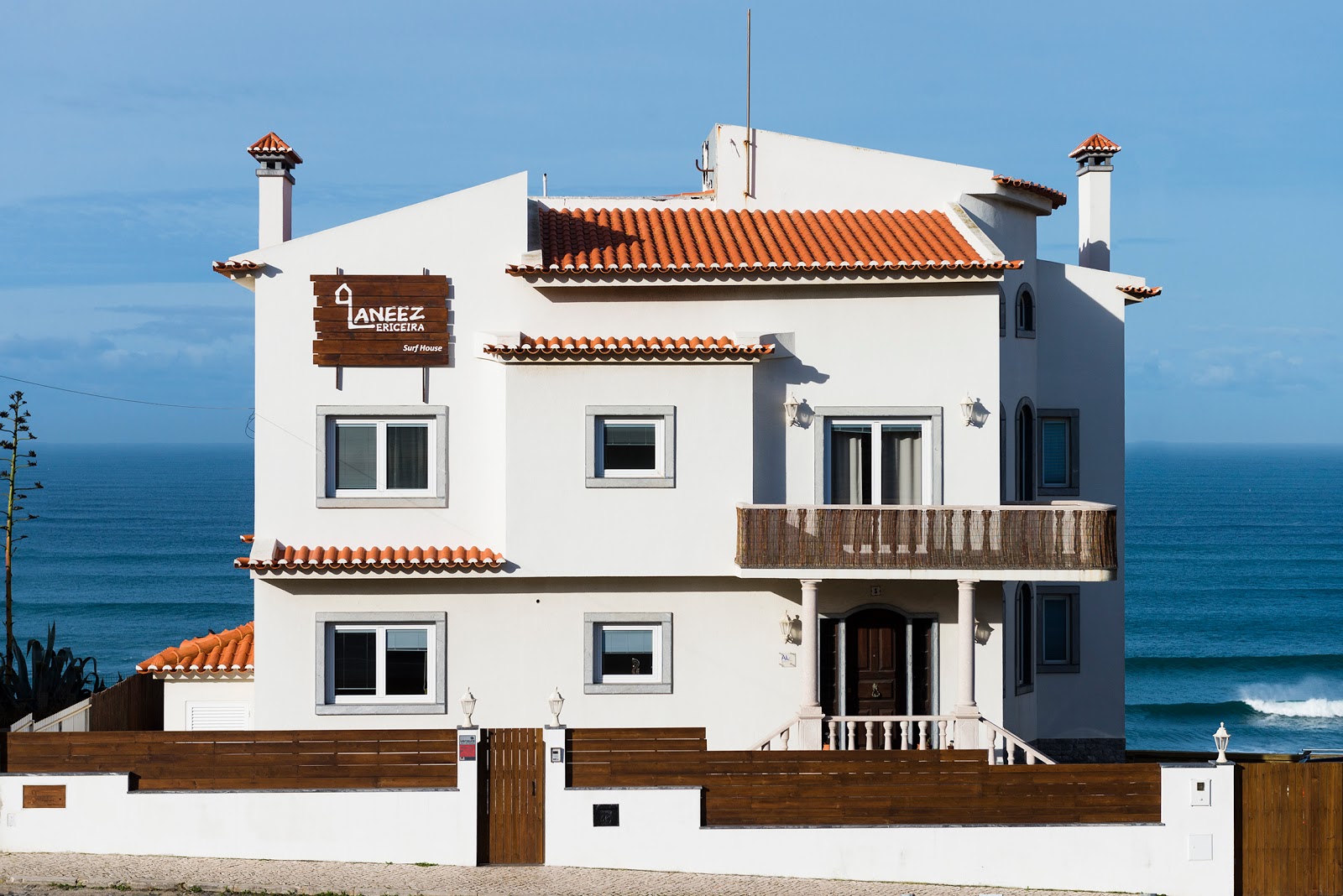
Situated at the Le Port Car Park in the heart of the bay, Laneez is a friendly, family-run surf school operating from a distinctive White Hut. Run by brother-and-sister team Scott and Grace, both advanced ISA-qualified coaches, Laneez is known for its humble, welcoming, and encouraging coaching philosophy. They focus on building confidence in the ocean while sharing a genuine passion for wave riding.
Laneez provides a wide array of surf instruction and community programs. Their offerings include private surf lessons, junior after-school surf clubs, summer camps, and dedicated clubs for both mixed adults and women. Beyond formal coaching, the White Hut functions as a popular community gathering point along the bay where surfers can pick up coffee and hot drinks while checking the lineup or chatting about wave conditions.
The Surfyard
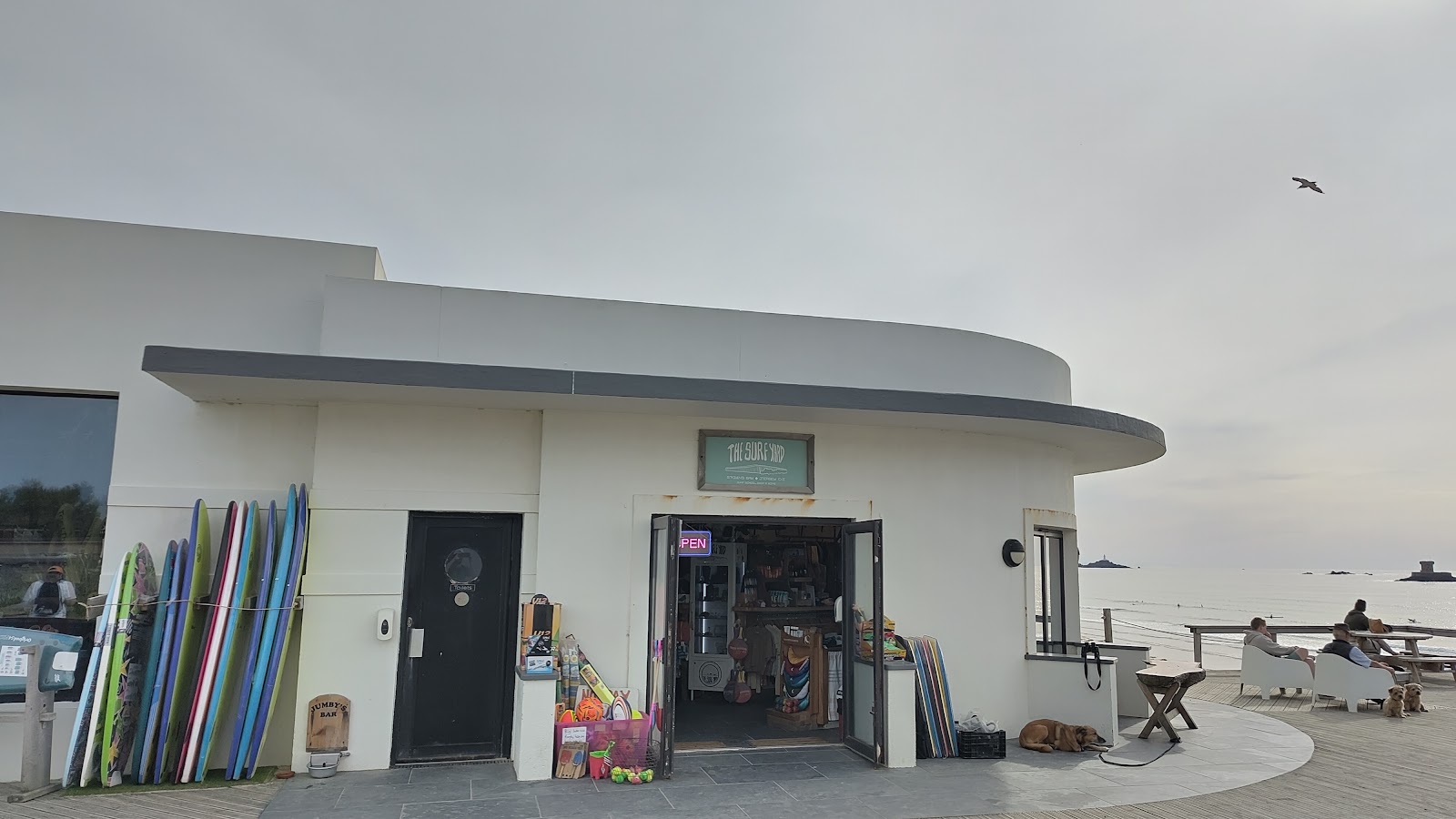
Located centrally along La Grande Route des Mielles, The Surfyard operates as a comprehensive surfing destination that houses a full-service surf school, equipment hire center, and retail surf shop. The surf school employs ISA and SLSGB qualified instructors who welcome individuals of all surfing abilities, whether complete novices or progressing riders seeking technical adjustments.
One notable highlight of The Surfyard's surf school setup is its modern infrastructure, which includes private changing facilities and hot showers—a very welcome convenience after a chilly Atlantic session. Alongside standard group lessons and private sessions, The Surfyard provides advanced performance coaching featuring video analysis. This specialized coaching allows developing surfers to analyze their technique, pop-up mechanics, and body positioning on screen with experienced coaches to accelerate improvement.
Surf Equipment Rental and Gear Hire Options
Traveling with a quiver of surfboards and thick wetsuits is not always practical when flying or boarding a ferry to Jersey. Fortunately, visiting surfers can find quality rental gear directly along St Ouen's Bay, allowing you to hit the water without hauling oversized luggage.
When arranging surf hire, selecting the right equipment for your experience level and the day's conditions is critical:
- Learner Foam Surfboards: Beginner surfers should start on high-volume foam surfboards (often called soft-tops). These boards provide immense buoyancy and stability, making it far easier to paddle into rolling white-water waves and stand up securely. The soft foam construction and flexible fins also reduce the likelihood of bumps and bruises during wipeouts.
- Hard Surfboards: Intermediate and advanced surfers looking for greater responsiveness and speed can rent epoxy and fiberglass hard boards. Outlets stock an array of designs, from forgiving mid-lengths and cruisers to performance shortboards capable of carving steeper, faster wave faces.
- Seasonal Wetsuit Hire: Given Jersey's cool Atlantic waters, wearing a properly fitting wetsuit is essential for comfort and safety. Local rental shops provide summer wetsuits during warmer months and thicker winter wetsuits for autumn and spring sessions.
Rental rates along the bay are very reasonable. At Jersey Surf School, gear hire runs all day, every day, with surfboard rental priced at £12 and wetsuit rental at £12. Outlets also offer boogie boards and lifesaver paddleboards for those interested in alternative ocean activities. If a rental hut appears closed between formal lesson blocks, contacting the team directly or messaging them via WhatsApp often allows staff to open up and equip you.
Ocean Safety, Lifeguard Cover, and Surf Etiquette
The Atlantic waters off Jersey's west coast offer an inspiring playground, but the ocean's natural power requires respect and sound judgment. Understanding the marine environment, following beach regulations, and practicing good lineup etiquette will keep both you and fellow water users safe.
Rip Currents and Changing Tides
Due to large tidal movements and relentless Atlantic swells, rip currents can form along St Ouen's Bay, particularly near sandbar channels and rocky outcrops. A rip current is a narrow, fast-moving body of water flowing away from the beach toward deeper water. If caught in a rip, remain calm and avoid paddling directly against the current toward shore. Instead, paddle parallel to the beach until you are out of the pull, then use breaking waves to assist your return to the sand. Keep hold of your surfboard at all times for flotation, and signal for assistance by raising one arm if you cannot make headway.
RNLI Lifeguard Coverage and Beach Flags
During key seasonal periods, RNLI lifeguards patrol designated sections of St Ouen's Bay. Because exact operational dates, daily duty hours, and flag placements vary by season and local parish administration, visitors should check the on-beach safety signage or verify details with RNLI Jersey before entering the water. When lifeguards are on duty, always observe the zoned flags: black-and-white quartered flags demarcate dedicated craft zones for surfing and paddleboarding, while red-and-yellow flags denote swimming-only zones where surf craft are strictly prohibited.
Lineup Etiquette
Good manners in the water ensure everyone enjoys their session safely:
- Yield Priority: The surfer paddling closest to the breaking peak has right of way. Do not drop in on someone already riding or positioned deeper on the wave face.
- Paddle Clear of the Peak: When paddling back out, avoid heading straight into the path of oncoming surfers. Paddle wide around the breaking zone through deeper water or take broken whitewater on the head rather than cutting across a rider's line.
- Maintain Board Control: Always hold onto your board when paddling through surf. Never ditch your board when facing an incoming wave if someone is behind you, as a loose board can cause serious injury. Always attach your safety leash securely before stepping into the sea.
- Know Your Limits: Match your session to your actual capability. If the surf is large, stormy, or pushing strong drift currents, stick to waist-deep whitewater or postpone your session until conditions calm down.
Practical Tips for Planning Your Surf Day
To make the most of your time at St Ouen's Bay, a little pre-trip coordination goes a long way. The coastal road behind the dunes offers multiple car parks near key slipways, including Le Port and Le Braye, giving you straightforward access to check the waves and unload gear.
If you plan to take lessons or require rental gear during peak travel periods, booking ahead with schools like Jersey Surf School, Laneez, or The Surfyard is highly recommended. Booking in advance also enables instructors to schedule your session around optimal tidal stages, ensuring you get the safest and most enjoyable wave conditions possible.
With its consistent Atlantic swell, diverse sandbank breaks, and welcoming surf schools, St Ouen's Bay is an exceptional destination for anyone drawn to the ocean. Check the tide charts, choose the right wetsuit for the season, and enjoy surfing along Jersey's wild western coast.
Cover photo: Jersey Surf School
By Alyssa.
Sources and further information
- Jersey Surf School
- Surf Hire — Jersey Surf School
- Laneez Surf School – The white Hut, St. Ouen's, Jersey
- Surf School – The Surfyard
- The Surfyard
- St Ouen's Bay
- Jersey Surf School
Sources checked: 2026-10-24.