Attractions & Heritage
A Researcher's Guide to the Jersey Archive: Tracing Family and Island Heritage
Updated 28 November 2026
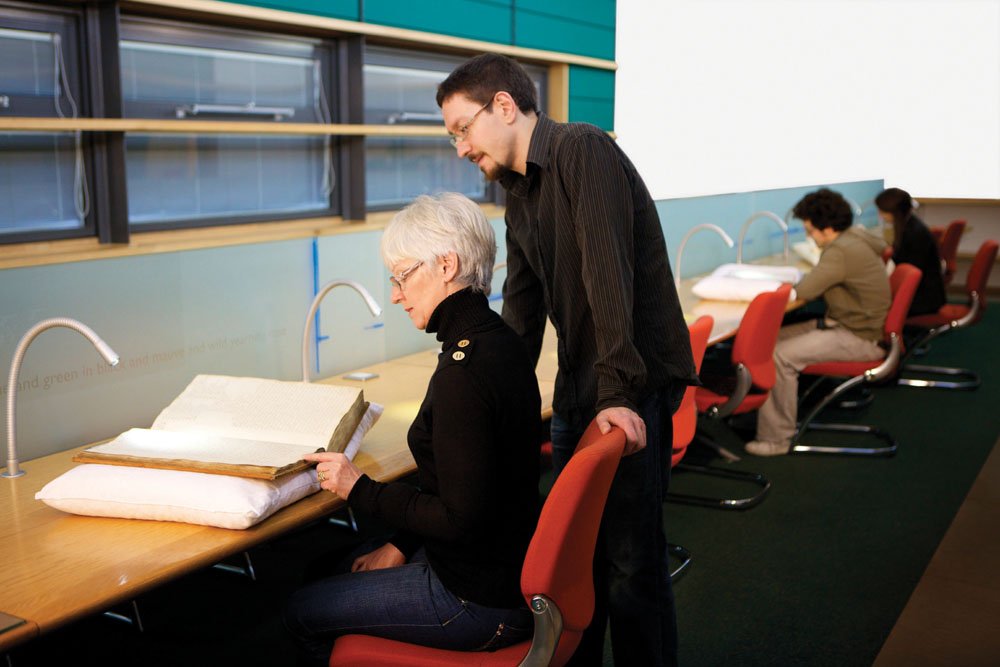
When planning a journey focused on ancestral origins or Channel Island heritage, uncovering original documentation is often the most rewarding stage of the itinerary. As a researcher, I find that few places capture the texture of local stories quite like an island repository. The Jersey Archive stands as the national repository for the island of Jersey, preserving more than six centuries of documented events, governance, parish life, and community memory. Whether your ancestors were lifelong residents of the Channel Islands, seafaring merchants, or families navigating the upheavals of conflict, navigating the collections offers a profound way to connect with the island's unique past.
Preparing for a visit requires clear insight into the institutional structure, opening hours, and cataloguing systems available to researchers. If you are exploring the jersey channel islands archives for the first time, approaching your study methodically can save substantial time. The archival holdings span public administration files, ecclesiastic registers, judicial documents, and unique twentieth-century administrative files created during wartime. In this guide, I will walk you through the practical details of visiting the repository in St Helier, examining key record collections, searching the online database, and using professional staff services to support your historical inquiries.
Location, Opening Hours, and Contact Details
The facility is located centrally in the island's capital. Researchers can find the physical building on Clarence Road in St Helier, Jersey, using the postcode JE2 4JY. For advance queries, scheduling advice, or general telephone enquiries, you can reach the facility by calling 01534 833300. Having direct telephone contact is especially helpful if you need to confirm operational details or ask about specific collection access before making your journey.
When structuring your weekly schedule, keep in mind that the repository maintains dedicated opening hours rather than standard daily business operations. The archive opens to visitors from Monday through Thursday. On these weekdays, research sessions operate in two shifts: morning hours run from 9:00 am to 1:00 pm, followed by an afternoon session from 2:00 pm to 5:00 pm. There is a planned one-hour midday closure between 1:00 pm and 2:00 pm, which provides an ideal break to step out into St Helier for lunch.
For weekend visitors and those balancing a working week with research, the archive opens on the third Saturday of each month from 9:00 am to 1:00 pm. It remains entirely closed on Fridays, Sundays, and all Saturdays outside the scheduled third weekend of the month. Planning your travel around these specific days ensures that your itinerary allows ample working time in the reading rooms.
Understanding the Scope of Island Records
As the national repository of Jersey, the institution safeguards an expansive documentary heritage that traces over 600 years of recorded history. This vast scope allows researchers to investigate multi-generational family trees, trace the specific architectural and legal narrative of a local home or street, and study complex geopolitical events that affected the island. Among the most historically significant periods represented in the holdings is the German Occupation of Jersey during the Second World War, a distinct chapter that left extensive administrative documentation.
The range of material held across the collections reflects how civic and social administrative structures functioned in Jersey across centuries. In addition to national records, the archive preserves records originating from the States of Jersey, past States Committees and Departments, current government departments, government ministers, the Royal Court, the Lieutenant-Governor, various local Parishes, churches, businesses, civic societies, and private individuals. This diversity ensures that whether your historical interest is genealogical, structural, or legal, multiple parallel records often corroborate the same personal narrative.
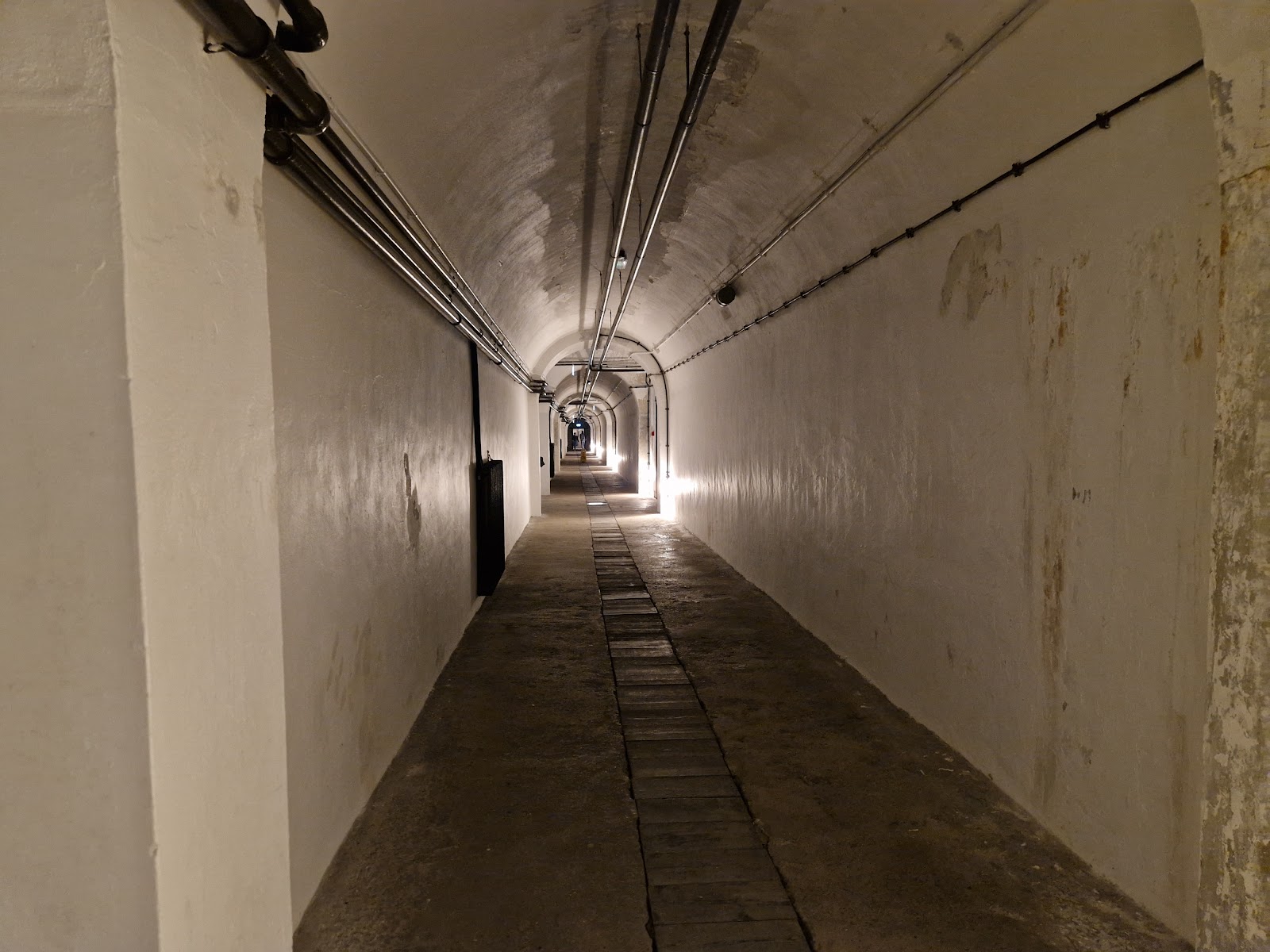
Researchers investigating local military history or the broader context of World War II often find that archival papers pair naturally with on-site explorations around the island. For instance, studying wartime files can complement trips to the Jersey War Tunnels - German Underground Hospital, where physical tunnels illustrate the conditions recorded in contemporary paperwork. Similarly, private educational guided excursions with History Alive! & Jersey Military Tours or cultural walking lectures with History Now with Monty Losh can enrich a researcher's contextual understanding of the documents consulted in the archive.
Staff Services and Research Assistance
Approaching centuries of archival documentation can occasionally feel daunting, particularly when navigating local legal terminology or Channel Island administrative procedures. Fortunately, the professional staff members based at the repository offer a wide range of support services designed to guide both novice family historians and experienced investigators through the material.
The team can assist directly with personal family history inquiries, architectural and property research, and complex academic or professional research requests. For visitors handling delicate material or managing private community archives, staff members also provide practical advice regarding document preservation techniques. Beyond individual desk assistance, the archive delivers educational talks, organized group tours, and dedicated education services that highlight key historical themes and illuminate the rich collection sets housed on site.
If you require island-wide travel between research sessions and heritage sites, local transport services such as Domino Cabs can provide seamless point-to-point connections across St Helier and rural parishes. Alternatively, for independent travelers looking to travel sustainably along the coast between parish visits, hiring an electric bike through Island Ebikes offers a flexible way to explore island terrain at your own pace.
Key Historical Collections Available
The physical collections preserved at the Clarence Road site encompass vital civic records, ecclesiastic registers, and specialized administrative papers. Genealogists and historians return regularly to several popular holdings that provide remarkable insight into daily life on the island:
- Occupation and Aliens Registration Cards: Vital identity documents created during the early twentieth century and wartime occupation, recording detailed personal information.
- Church Registers: Records spanning multiple faiths, charting the core milestones of island families over successive generations.
- Royal Court Records: Comprehensive legal documentation reflecting civil disputes, judicial proceedings, and court rulings across island history.
- Maps and Plans: Crucial spatial resources illustrating historical urban development, parish borders, and rural land ownership.
- Public Registry Land Transactions: Property deeds, land transfers, and residential contracts that allow researchers to establish the precise history of houses and estates.
- Wills and Testaments: Important succession documents outlining inheritance, family connections, and personal property.
- Shipping Registers: Maritime documentation detailing vessels, ownership, and seafaring activity tied directly to Jersey's maritime past.
- Institutional Registers: Detailed Prison Registers and Hospital Registers recording individuals who passed through local institutions.
- Vehicle Registration Records: Twentieth-century vehicular paperwork showing local registrations and ownership details.
- Bailiff's Occupation Files: High-level wartime administrative papers documenting decisions, correspondence, and civil management during the Axis occupation.
- Jersey Family History Society Indexes: Curated indices created to simplify access to voluminous ancestral names and dates.
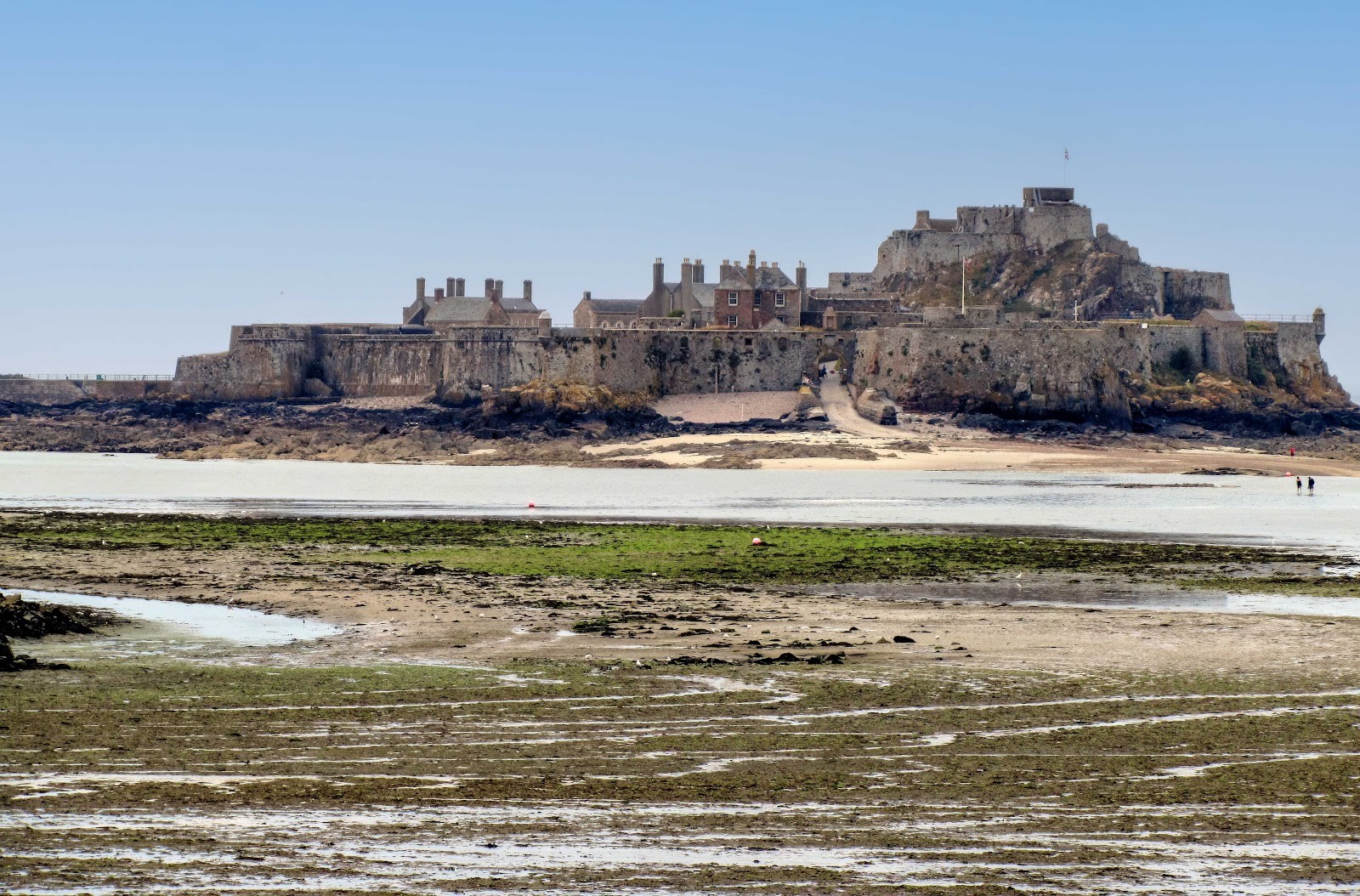
After a focused morning studying maritime records or civic archives, taking time to walk down to St. Helier Beach along Victoria Avenue offers fresh air and scenic views across to Elizabeth Castle. Similarly, exploring the island's coastal geography—such as the expansive surfing shores at St Ouen's Bay or the sheltered northern cliffs of Greve de Lecq—helps ground documentary research in the physical reality of the landscape.
The Jersey Family History Society Collection
A vital pillar of family research at the repository is the Jersey Family History Society Collection. The archive curates and cares for these specialized resources, ensuring they remain readily accessible to researchers tracing island bloodlines.
This collection contains essential transcriptions of parish baptism, marriage, and burial records. For anyone working with early handwriting or dispersed parish documents, these transcriptions are invaluable tools that simplify initial surname searches. In addition, the collection incorporates transcribed census records and comprehensive burial records, allowing researchers to build a multi-layered timeline of an ancestor's residency in Jersey without needing to interpret fragile original registers at every stage.
By consulting these Society collections alongside official public registry entries, genealogists can track family migrations across parishes, reconcile spelling variations in French and English names, and verify household compositions across successive decades.
Digitised Collections and Remote Accessibility
For researchers planning a visit from the UK or overseas, digitised materials provide an outstanding opportunity to review key evidence prior to arriving in St Helier. The repository has digitised several of its most frequently requested holdings, making remote discovery both practical and comprehensive.
The digitised collections encompass Church of England parish registers as well as non-conformist registers, covering a broad cross-section of the island's religious life. In addition, personal documents from the twentieth century have been comprehensively preserved digitally, including German Occupation registration cards and Aliens Registration Cards for foreign nationals residing in Jersey from 1920 onwards. High-level political documents, such as the Bailiff's Chambers Occupation and Liberation files, can also be examined in digital format.
For legal and civil inquiries, digitised collections feature historical wills and testaments spanning from 1660 to 1961. Educational institutions and social welfare history are illuminated through digitised school admission registers and log books, alongside hospital admission registers. Furthermore, specialized commercial documentation is accessible, such as the Pitcher and Le Quesne undertaker records spanning from 1835 to 1970, which provide supplementary burial and family details often omitted from standard municipal death certificates.
Navigating the Jersey Heritage Online Catalogue
Conducting effective preparatory work involves familiarizing yourself with the Jersey Heritage Online Catalogue. This online portal allows researchers to search across collection descriptions, indexes, and digital records before or during their research trips.
While the website is technically not completely free, researchers can freely browse and search what documents are held without an active membership. This allows you to discover collection reference numbers, verify that relevant files exist, and compile your research checklist without financial commitment. To view full digital images and access complete online document scans, a paid subscription is required. An annual online subscription is priced at £40 per year. For fully paid members of the Channel Islands Family History Society (often referred to as the Jersey Family History Society), a discounted subscription rate of £30 per year is available.
| Catalogue Access Tier | Annual Fee | Features & Access Privileges |
|---|---|---|
| Free Public Searching | Free / No Subscription | View document listings and search what collections are held across the repository. |
| Standard Annual Subscription | £40 per year | Full online access to digitised collections, high-resolution document scans, and full record views. |
| CIFHS Member Subscription | £30 per year | Discounted rate for paid members of the Channel Islands Family History Society with full digital access. |
Understanding Archive Collection Reference Codes
When searching the catalogue or ordering documents during an on-site visit, records are organized using standardized archival reference letters. Knowing these primary prefixes will help you navigate online search results and archive request slips efficiently:
- A: Records of the Lieutenant Governor of Jersey.
- B: Bailiff's Chambers, including official Occupation and Liberation files.
- C: States of Jersey records, including States Minutes and Committee Minutes.
- D: States Departments (e.g., D/AG for Prison Records such as Prisoners' and Transportation Registers; D/AP for States Greffe/Committee correspondence, lists of Ratepayers, and Militia Nominal Rolls and Pay Lists; D/AR for Jersey Telecoms, including Telephone Directories; D/AV for the Viscount's Department; D/E for the Superintendent Registrar; and D/J for the Education Department).
- E: Parish Registrars of Births, Marriages, and Deaths.
- F: Parishes, including parish registers of baptisms, marriages, and burials.
- G/B & G/C: Ecclesiastical Court records, Church of England records, and Catholic and Methodist registers.
- H & J: Catholic Churches (H) and Methodist & Nonconformist Churches (J).
- K: Public Utility Companies, including electricity, gas, and water undertakings.
- L: Business, legal, and community records (including L/A/41 Funeral Directors' records, L/A/75 Jersey Evening Post Photographic Archive, L/B Law Firms, L/C Personal & Estate Collections, L/D/21 CIFHS collections, L/D/25 Channel Islands Occupation Society, L/E Charities, L/F Miscellaneous Collections, and L/G Private Schools).
- Audio-Visual & Formats: Reference series M (Photocopies & Transcripts), N (Magnetic Media), P (Photographs), Q (Film), R (Sound Recordings), and S (Microfiche).
Practical Tips for Planning Your Research Trip
To maximize your research time on Clarence Road, advance preparation is vital. Begin by using the free catalogue search to compile a clear list of target reference numbers before setting off. Identifying specific parish collections, court documents, or Occupation files beforehand ensures that you can submit requests promptly during opening hours.
Remember to align your travel plans with the weekly opening schedule. Because the reading rooms are open Monday through Thursday (9:00 am–1:00 pm and 2:00 pm–5:00 pm) and on the third Saturday morning of the month (9:00 am–1:00 pm), avoid booking short research trips spanning Friday to Sunday. If your itinerary involves a weekend, verify whether it coincides with the designated third Saturday opening.
During the daily 1:00 pm to 2:00 pm closure, take advantage of your central location to explore St Helier's waterfront or town centre. When your archive day concludes, experiencing local island hospitality—perhaps tasting locally crafted spirits at the Channel Islands Liquor Co on the maritime South Pier—provides an enjoyable way to unwind after hours spent immersed in historical records.
By organizing your reference codes in advance, utilizing both free catalogue searches and subscription services, and taking advantage of professional staff guidance, your investigation into the rich heritage preserved at the archive will prove both smooth and profoundly memorable.
Cover photo: Jersey Archive
By Alyssa.
Sources and further information
- Jersey Archive page | Jersey Family History Society
- Free Access Websites | Jersey Family History Society
Sources checked: 2026-11-28.