Travel Advice
Taking a Car to Jersey from the UK: The Complete Ferry and Driving Guide
Updated 25 November 2026
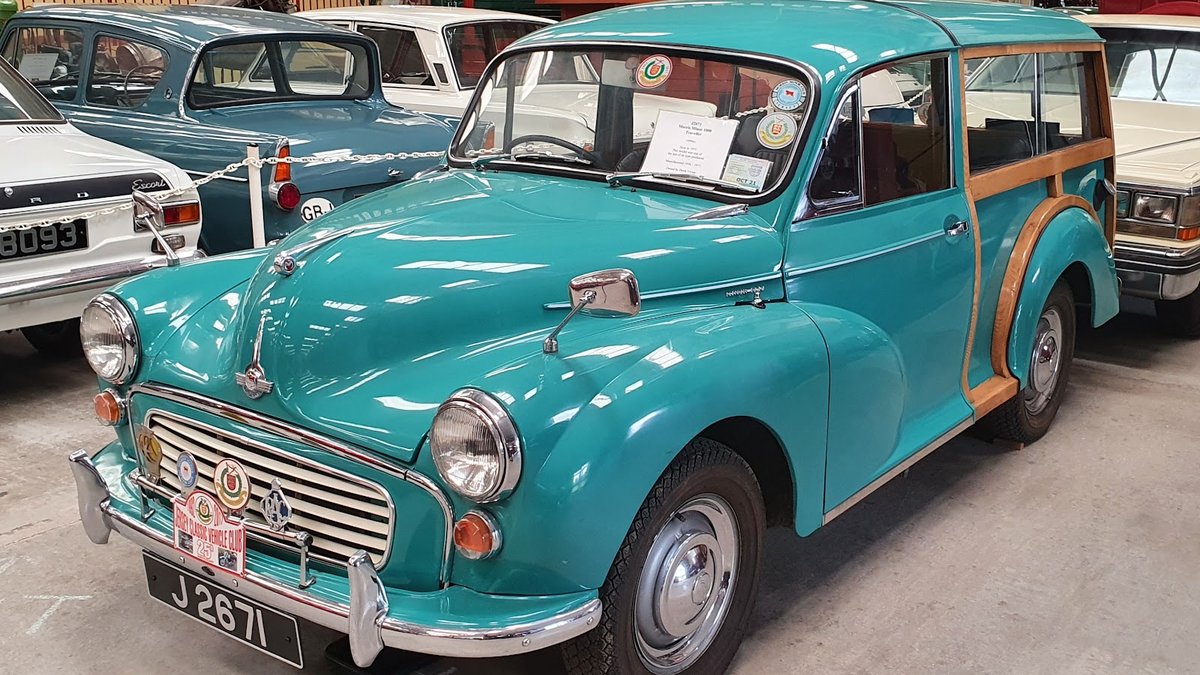
Taking a car to Jersey offers an exceptional degree of freedom for discovering the Channel Islands at your own pace. While the island is compact, having your own vehicle parked right outside your accommodation allows you to transition smoothly from coastal promenades and dramatic cliff walks to hidden rural tea rooms and sheltered bays. For many UK travellers, bringing a car across the English Channel is far more appealing than hiring an unfamiliar rental vehicle, particularly when carrying outdoor gear, family baggage, or sports equipment. However, driving on the island involves a distinct set of rules, maritime booking parameters, and local roadway traditions that differ noticeably from mainland Britain.
Whether you are embarking on your first cross-Channel sea crossing or returning for another holiday, taking car to Jersey requires a modest amount of forethought. In this comprehensive guide, I walk you through every logistical stage: from navigating Condor Ferries routes and understanding leisure booking caps to adhering to island-wide speed limits, navigating scenic Green Lanes, and respecting local traffic enforcement. Knowing what to expect before your ferry departs ensures a seamless passage from the southern English coast straight into the relaxed rhythm of Jersey island life.
Ferry Routes Connecting the UK Mainland to Jersey
For motorists travelling from Great Britain, Condor Ferries operates the primary sea links connecting mainland England to the Channel Islands. Vehicle crossings depart from two principal English ports: Poole Port and Portsmouth Port, carrying passengers directly across to Jersey Port in St Helier, often with connecting or linked sailings serving Guernsey Port and the French coast at St Malo Port.
Choosing between the departure hubs generally depends on where you are travelling from within the UK and how you prefer to arrange your journey:
- Poole Port: Situated on the Dorset coast, Poole typically serves as the primary terminal for fast ferry operations connecting southern England to the Channel Islands during the warmer seasons. It offers a convenient launch point for motorists travelling from the South West, Wales, and the West Midlands.
- Portsmouth Port: Centrally positioned on the Hampshire coast with direct dual-carriageway and motorway access from the north and east, Portsmouth serves as an established departure hub handling regular passenger and vehicle journeys across the English Channel.
Because the English Channel experiences extreme tidal fluctuations, Condor Ferries sailing times and schedules are structured around tidal restrictions in route ports. Low tides can alter sailing windows or port access schedules. When taking a car to Jersey from UK departure ports, check your sailing schedule close to your travel date to account for operational updates caused by local harbour conditions.
Vehicle Booking Rules and Dimension Limits
Reserving a place for your vehicle on a ferry involves specific guidelines established by the carrier to manage deck capacity and vehicle hold logistics. When booking standard leisure passenger travel with Condor Ferries, you must declare your exact vehicle specifications and ensure your setup meets standard leisure vehicle length caps:
- Standard Cars: Permitted up to a maximum length of 5 metres.
- Car with a Towed Unit: A car towing a caravan or trailer can have a combined maximum length of up to 10 metres.
- Motorhomes: Standard leisure reservations allow a maximum motorhome length of 7 metres.
If you plan to bring a leisure motorhome exceeding 7 metres, you must arrange your reservation directly through the operator's dedicated telephone support team rather than standard online checkout flows. It is crucial to measure bike racks, roof storage boxes, or tow hitches when entering vehicle dimensions, as deck space is allocated precisely based on registered lengths.
Commercial Cargo and Freight Distinctions
Travellers should also be aware of the strict divide between standard holiday bookings and commercial transit. Under Condor Ferries regulations, vehicles travelling for business ventures or transporting commercial goods or product samples do not qualify for leisure passenger fares. Any vehicle carrying trade goods, business samples, or designed specifically for the carriage of commercial merchandise must book via dedicated freight services, regardless of the vehicle's physical dimensions. If you are taking your personal car purely for a holiday or personal visit, standard leisure fares apply.
Vehicle Registration and Licensing Requirements
One of the most frequent questions motorists ask before taking car to Jersey is whether temporary visitors need to register their vehicle with local authorities. The rules established by the Government of Jersey are clear and straightforward:
- Short-Term Visitors: If you are visiting Jersey on holiday or taking a short leisure trip, you do not need to register your vehicle locally. Your standard UK vehicle registration remains valid throughout your visit.
- Relocating Residents: Vehicle registration with Jersey authorities is only mandatory if an individual is moving to Jersey to live for more than 12 months, or is an existing island resident importing a vehicle.
- Driving Licences: Temporary holidaymakers can continue to drive using their valid UK driving licence. However, motorists moving to Jersey on a permanent basis are required to obtain a local Jersey driving licence through their parish hall.
For visitors, ensuring your vehicle carries valid motor insurance coverage for the Channel Islands is essential. While Jersey is closely linked with the UK, verify with your personal motor insurance provider that your existing comprehensive policy automatically extends to Jersey without territorial restrictions.
Understanding Jersey's Speed Limits
Driving in Jersey requires shifting away from mainland motorway speeds. The island's network comprises winding rural lanes, parish centres, and bustling coastal routes. To protect vulnerable road users, authorities apply a structured speed framework.
| Zone Designation | Speed Limit | Key Driving Conditions |
|---|---|---|
| Island-Wide Maximum | 40 mph | Applies across general roads; 30 mph for vehicles over 3.5 tonnes or towing a trailer. |
| Urban Areas | 30 mph | Towns, suburban routes, and selected rural extensions. |
| Village Centres | 20 mph | Parish centres near shops, Parish Halls, churches, and pubs. |
| Tourist Bay Areas | 20 mph | Coastal bays experiencing high pedestrian and cyclist activity. |
| Green Lanes | 15 mph | Rural routes where priority belongs to pedestrians, cyclists, and horse riders. |
Jersey enforces an island-wide maximum speed limit of 40 mph, reduced to 30 mph for vehicles over 3.5 tonnes or those towing trailers. Urban areas carry a 30 mph limit, which can extend into rural zones. Speeds reduce to 20 mph through village centres and tourist bays experiencing high foot and bicycle traffic.
Navigating Jersey's Green Lanes Network
Among Jersey's most delightful motoring features is its historic network of designated Green Lanes. Introduced to preserve the peaceful rural character of the island and promote outdoor enjoyment, Green Lanes crisscross several rural parishes, leading motorists through picturesque agricultural valleys, wooded hollows, and pastoral countryside.
When you enter a designated Green Lane, two vital legal rules apply:
- 15 mph Speed Limit: The maximum allowable speed on any Green Lane is strictly 15 mph. Driving at this gentle pace ensures you can react quickly to blind bends, agricultural machinery, and oncoming traffic.
- Priority of Way: Motorised vehicle drivers must yield priority to pedestrians, cyclists, and horse riders at all times. On these narrow lanes, motor traffic is considered secondary to non-motorised users.
Driving along Green Lanes requires patience, defensive road positioning, and mutual courtesy. The lanes are often bordered by high granite walls or earth banks topped with hedgerows, leaving room for only one car to pass at a time. Passing places are cut into the verges at regular intervals. When encountering an oncoming car, cyclist, or horse, be prepared to slow down, stop, or reverse smoothly into the nearest available passing point. If you encounter horse riders, always keep your engine revs low, do not sound your horn, and allow ample passing clearance.
Speed Enforcement and Penalties
Jersey takes road safety seriously, and local authorities actively monitor vehicle compliance. The States of Jersey Police enforce island speed limits using manual speed detection equipment, targeting known hotspot locations and responding directly to community concerns regarding excessive speed.
To assist drivers in maintaining legal speeds, portable speed indicator devices are deployed across Jersey. These roadside radar units capture the speed of approaching vehicles and display an immediate visual prompt: showing a sad face for speeding and a happy face for compliant speeds. They serve as friendly, real-time reminders to prevent automatic driving habits from creeping over the designated limit.
Should a motorist exceed the speed limit, the penalties reflect the severity of the violation under the island's legal system:
- Minor Infractions: Drivers committing minor breaches may face an attendance requirement at a parish hall enquiry, an established community legal forum overseen by parish officials.
- Serious Violations: For severe speeding offences or significant limit breaches, motorists are issued a formal Magistrate's Court summons. If convicted, penalties can include substantial fines proportional to the speed recorded, driving licence endorsements, and potential driving disqualifications.
Exploring the Coastline and Inland Attractions by Car
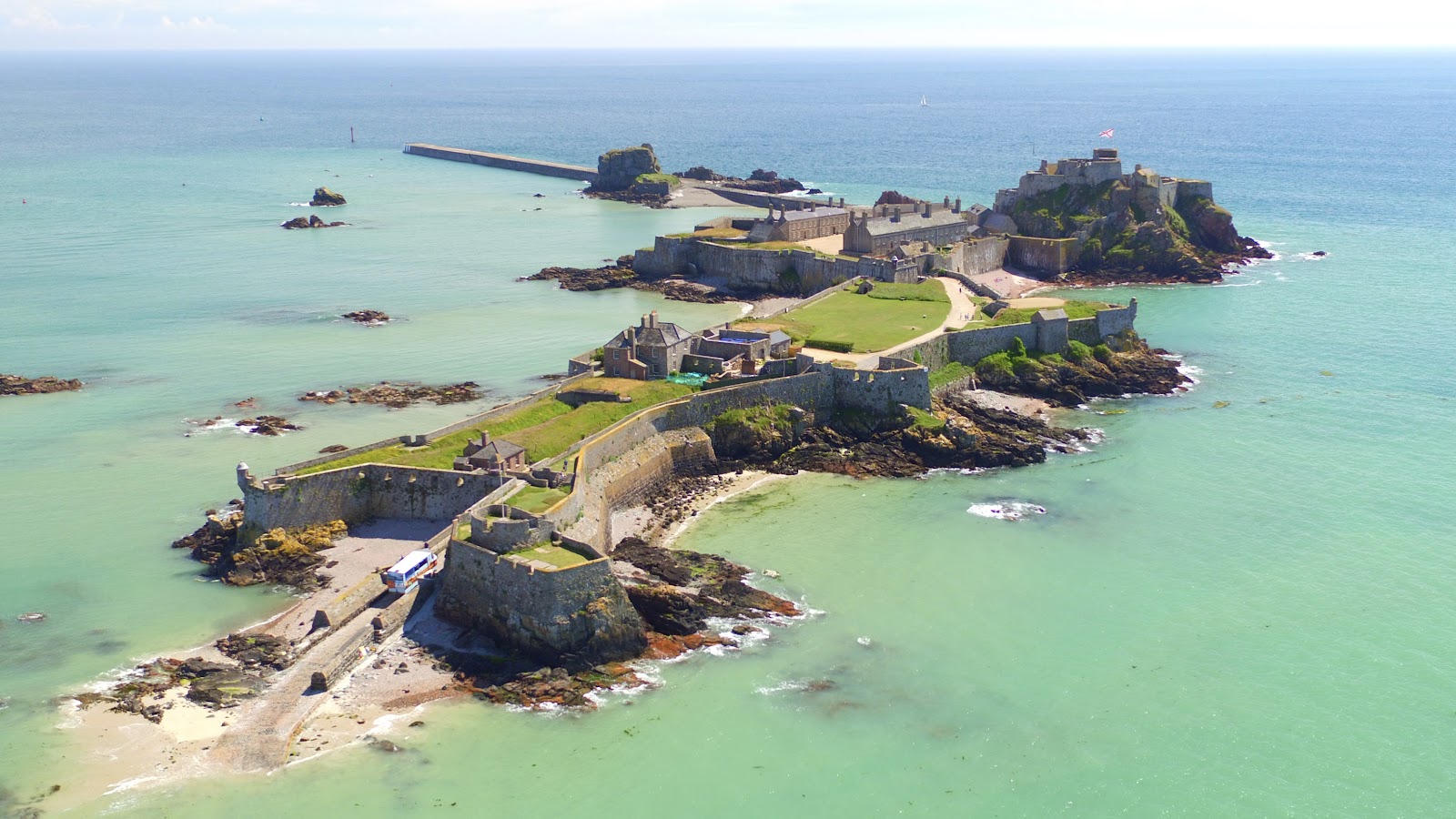
Arriving by car gives you direct access to coastal routes and inland attractions. Heading west from the St Helier terminal brings views across to Elizabeth Castle, situated on its tidal rock outcrop. Further west in St Brelade's Bay, drivers can pause for a walk in Sir Winston Churchill Memorial Park.
Continuing onto the open stretch of St Ouen's Bay, motorists can stop near Le Port Surf School or tee off at Les Mielles Golf & Country Club. Heading inland into Trinity, visitors can discover vintage transport and machinery at The Pallot Steam, Motor & General Museum, before ending the journey relaxing at Ayush Wellness Spa in St Helier.
Guided Tours and Island Transport Alternatives
While taking a car to Jersey from the UK offers great independence, you might occasionally want to leave your vehicle parked and let an expert guide show you around. Opting for organised excursions allows you to immerse yourself in local folklore, heritage, and scenery without having to negotiate single-track passing places or junction signs.
The island offers several excellent guided options:
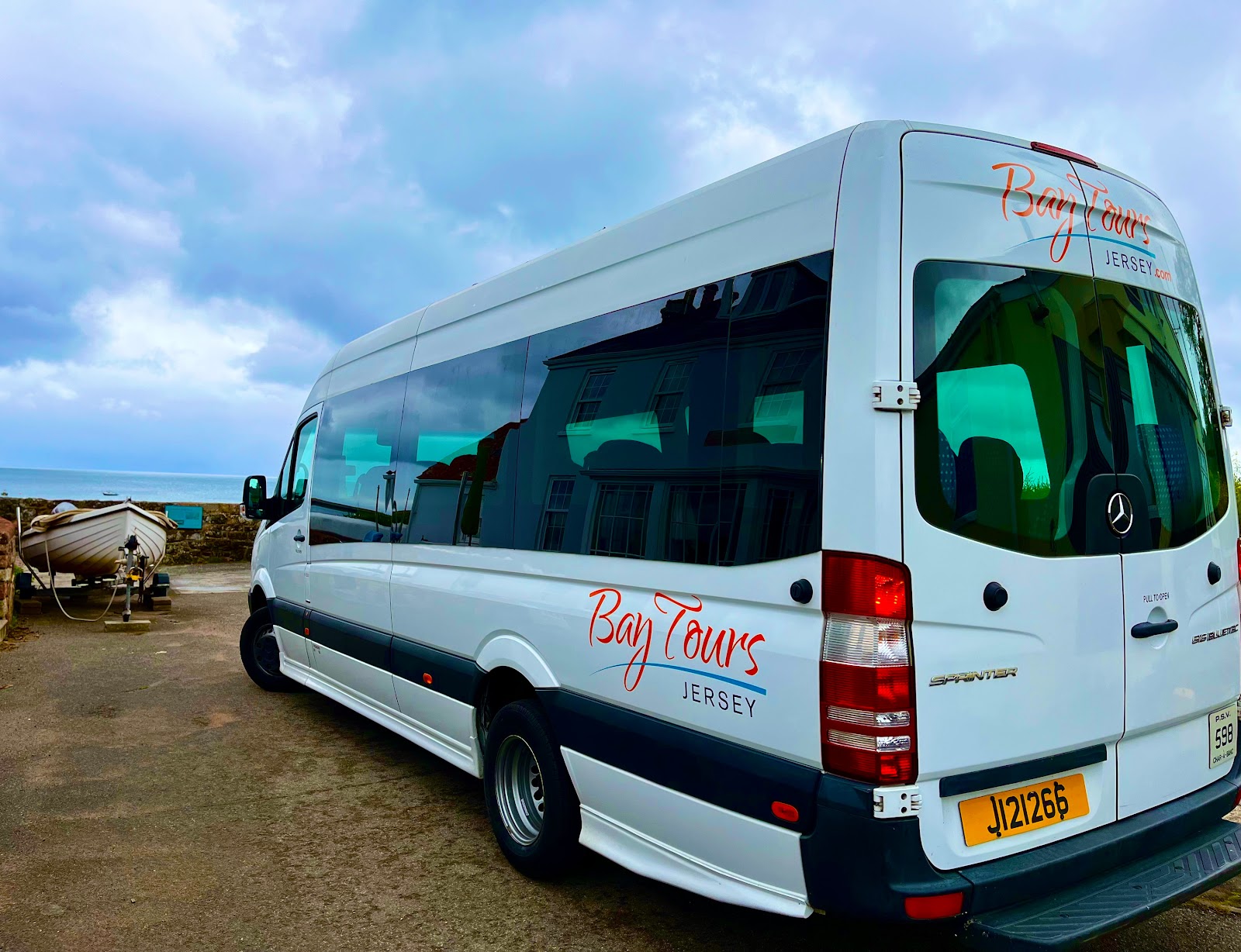
- Heritage Coach Excursions: For comfortable sightseeing without the driving, Bay Tours Jersey operates island and floral itineraries aboard 21-seater midi coaches, providing high-viewpoint travel through rural parishes and coastal roads.
- Blue Badge Island Guides: For rich local insight, qualified guides like Tom Bunting offer private walking and driving itineraries covering island history, wartime occupation heritage, and unique local stories.
- Gastronomic Walking Tours: Motorists can park their car and join Jersey Food Tours on foot to explore parish culinary stops, dairy farms, and coastal produce.
- Outdoor Adventures: If you want to experience the landscape actively, Wild Days Outdoor runs bushcraft, climbing, and coastal adventures across locations such as La Hougue Bie.
- Local Taxi Transport: For evening outings or journeys when you prefer not to park in town, local providers like Domino Cabs offer round-the-clock island-wide transfers and airport services.
Practical Tips for Taking Your Car Abroad
Keep these practical motoring points in mind for your visit:
- Check Ferry Timetables: Condor Ferries schedules factor in port tidal restrictions, meaning crossing times can change. Reconfirm departures before heading to Poole or Portsmouth.
- Observe Island Speed Caps: Remember the 40 mph maximum, along with 20 mph village or tourist zones and 15 mph limits on Green Lanes. Portable displays show sad faces for speeding vehicles and happy faces for compliant speeds.
- Give Priority on Green Lanes: Drivers must always yield to pedestrians, cyclists, and horse riders when using these designated routes.
- Verify Local Parking: Parking management and payment options vary across parishes, so check facility rules and hotel arrangements beforehand.
Bringing your car provides a rewarding way to discover Jersey's parishes and coastline safely and at your own pace.
Cover photo: The Pallot Steam, Motor & General Museum
By Alyssa.
Sources and further information
- Registering your vehicle in Jersey
- Safe Speeds - Jersey Road Safety Hub
- Timetables | Plan Your Journey | Condor Ferries
Sources checked: 2026-11-25.