Parish Guide
Things to Do in St Ouen: Exploring Jersey's Western Parish
Updated 21 November 2026
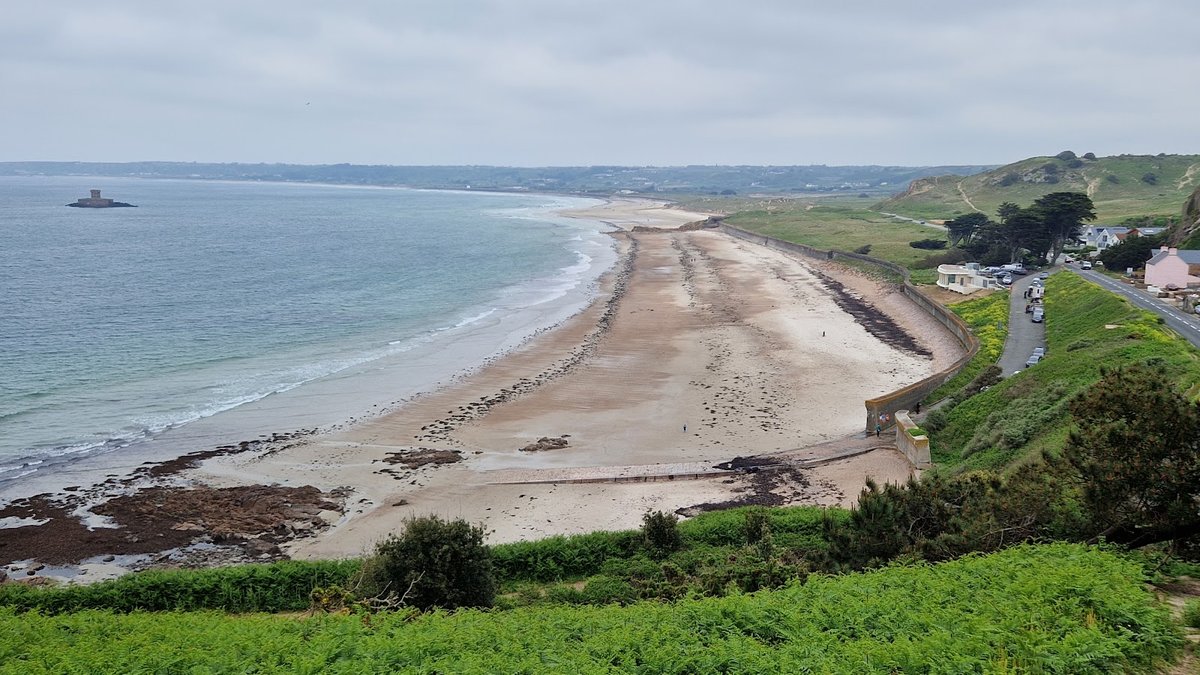
When planning a trip across Jersey, it quickly becomes clear how distinct each of the island's twelve parishes feels. Anchoring the rugged north-west corner, the parish of St Ouen stands apart as the largest parish by land area. It remains fundamentally agricultural, carrying an independent character that locals often trace to its physical distance from the southern hub of St Helier. Across this expansive terrain, open fields give way to dramatic maritime expanses, windswept heathlands, and miles of Atlantic coast. For anyone seeking st ouen jersey things to do, the parish balances deep historical layers with outdoor exploration, spanning ancient ruins, historic manor estates, wartime defence networks, and expansive wetland reserves.
Whether you find yourself drawn to the vast rolling surf along the west coast, intrigued by feudal heritage in the inland rural lanes, or keen to observe migratory birdlife across preserved coastal marshes, St Ouen offers a rewarding look into island life away from busy commercial ports. This comprehensive guide highlights the essential sights, historical attractions, and open-air walking trails across the parish.
The Vast Expanse of St Ouen's Bay
Stretching along Jersey's dramatic western flank, St Ouen's Bay is the geographic hallmark of the parish's coastal boundary. Frequently referred to by islanders as 'The Five Mile Road' due to the long, direct highway that parallels the shoreline, it stands as the longest beach on Jersey. Because of its sheer scale, the bay rarely feels crowded; visitors looking for quiet solitude can readily leave behind busier access points like La Braye simply by walking a few minutes along the shoreline.
The bay's position directly facing the open Atlantic Ocean creates consistent swell, establishing it as the Channel Islands' premier surfing destination. Beyond surf culture, the broad coastal waters cater to active pursuits including windsurfing, kayaking, sea fishing, and swimming. Along the coast road, practical infrastructure makes spending an entire day straightforward, with designated car parking spaces, public toilets, wheelchair-accessible paths, and dining establishments offering seaside refreshments.
Coastal Nature and Wetland Discovery
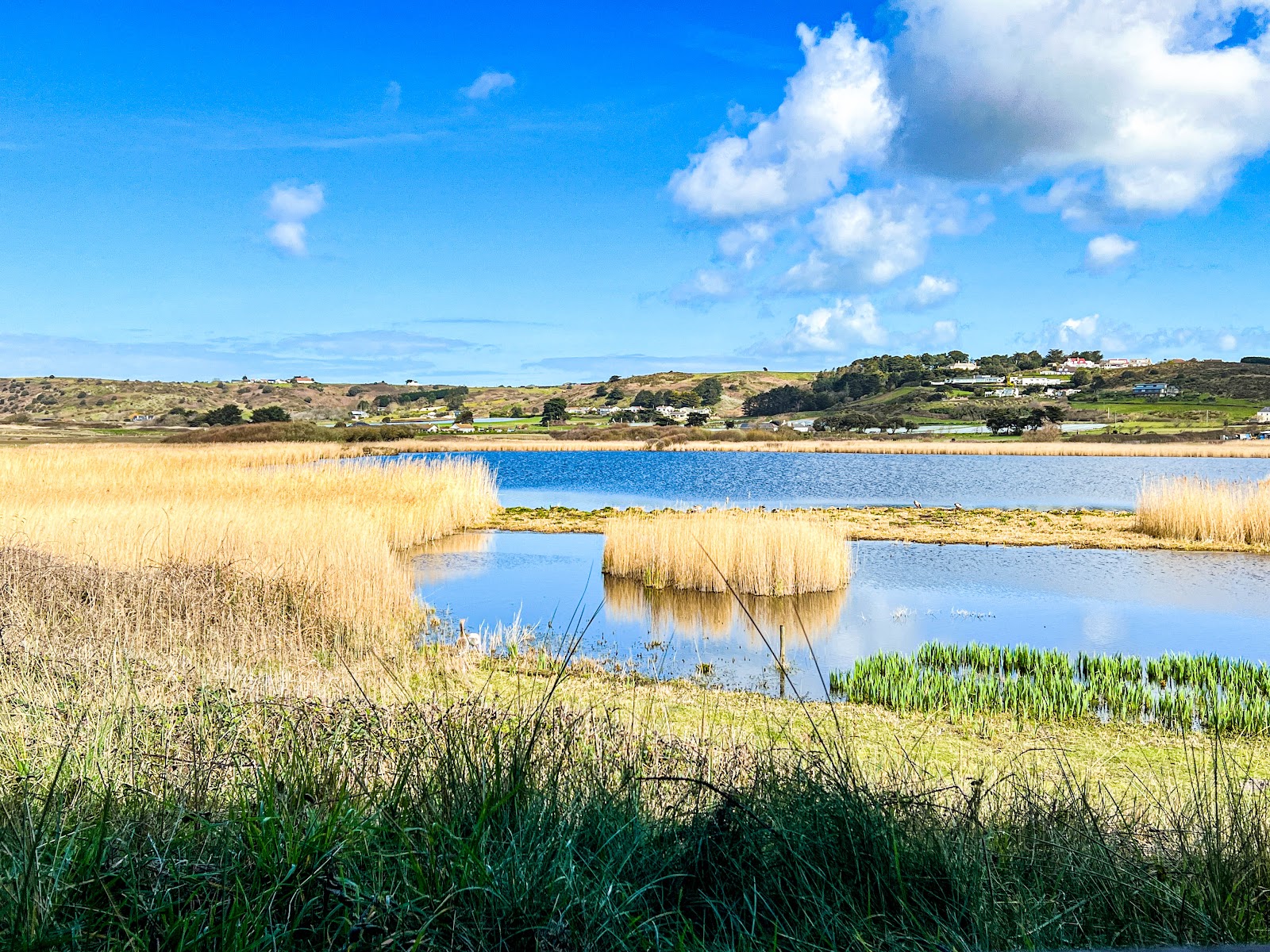
Directly behind the expansive coastal dunes of the western shoreline lies one of Jersey's premier environmental refuges: the La Mare au Seigneur nature reserve, commonly known across the parish as St. Ouen's Pond. Designated as a protected Site of Special Interest (SSI), this vibrant freshwater wetland and extensive reed bed complex provides a vital sanctuary for resident and migratory avian wildlife, offering crucial shelter for notable species including the Marsh Harrier and the elusive Bittern. The freshwater basin and surrounding wetland fringe create an ecological contrast to the salt spray of the adjacent beach, preserving a distinct microclimate along the island's western fringe that has been safeguarded by conservation stewardship since the mid-1970s.
Positioned conveniently along Grande Route des Mielles overlooking the open water, The National Trust for Jersey Wetland Centre provides an exceptional base for birdwatchers, walkers, and visiting naturalists. Thoughtfully designed to blend seamlessly into the surrounding coastal environment, the interpretation facility allows visitors to observe delicate wetland wildlife closely without alarming birds feeding or nesting in the water. Visitors enter the hide along an ingenious concealed tunnel dug directly through an elevated sand dune mound. Emerging from the subdued lighting of the entry passage, guests are greeted by wide panoramic viewing windows that frame sweeping scenes across the tranquil water and surrounding waving reed beds.
Inside the facility, a broad array of educational displays and interpretation panels illuminate the diverse flora, fauna, and human history of the La Mare au Seigneur SSI nature reserve. State-of-the-art interactive multimedia touchscreens allow curious naturalists of all ages to learn about seasonal residents, while large viewing screens display real-time live footage transmitted from hidden cameras stationed deep inside the reserve. One remote camera system even enables users to navigate within the dense interior of the reed beds to observe the daily habits of shy inhabitants up close. For species identification, visitors can consult beautifully detailed bird panels painted by local artist Anna Le Moine Gray. In an inspiring demonstration of historic preservation and environmental education, an authentic German personnel bunker built during the island's wartime occupation has been incorporated into the complex and creatively adapted into a dedicated classroom and learning space.
The Dramatic Clifftop Ruins of Grosnez Castle
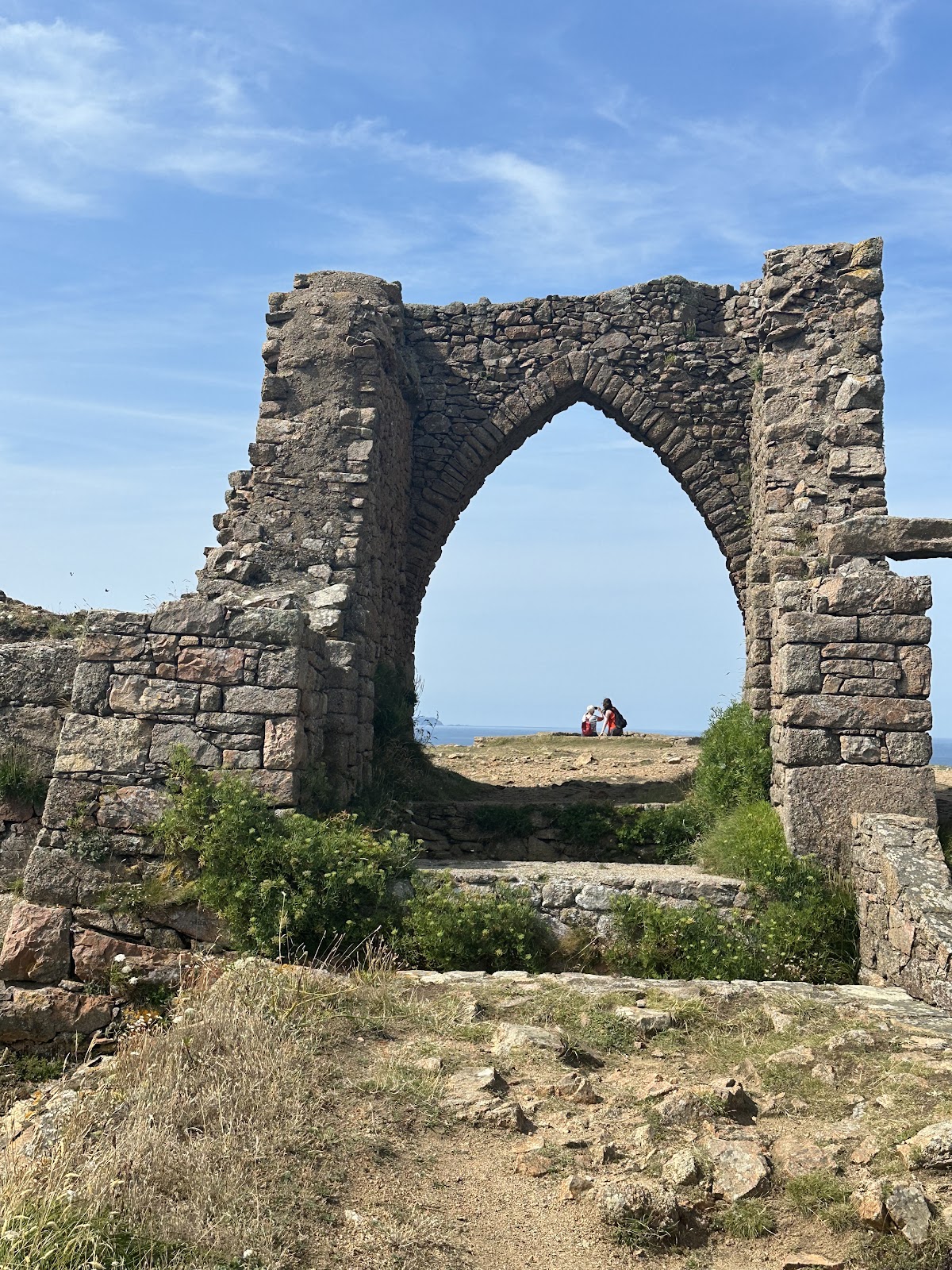
At the rugged, wind-carved north-western headland of the parish rises Grosnez Castle, perched majestically upon sheer granite sea cliffs that tower roughly 60 metres (nearly 200 feet) above the churning Atlantic waves. Commissioned around 1330 under the instruction of Sir John des Roches, the stone fortress was conceived primarily as a fortified refuge of last resort, built to give local rural farming communities and their livestock a secure stronghold during unpredictable maritime incursions by French forces. Linguists and historians believe the fortress's name derives from the Old Norse roots grar nes, which translates as 'grey headland', providing an accurate physical description of how the towering promontory appears to mariners navigating along the Channel approaches.
Engineered to take maximum advantage of the dramatic local geography, the stronghold utilized the vertical drop of the ocean precipices on three sides for natural defence, requiring defensive masonry and human intervention primarily along the exposed southern face. To seal off the remaining landward approach, medieval builders excavated a deep defensive ditch directly into the solid bedrock, over which a drawbridge once operated to deter hostile assaults. Despite these formidable terrain features and rock-cut barriers, the fortress proved vulnerable over the decades, being breached and captured during French raids in 1373 and again in 1381 before falling into irreversible disuse and becoming an abandoned ruin by the middle of the 16th century.
Today, the prominent stone gatehouse remains the most intact and recognizable architectural survivor of the medieval stronghold, standing as an evocative silhouette against the open sky. Managed as a public historic monument, the castle ruins remain open to visitors throughout the year free of charge. The open clifftop grounds provide a vantage point for watching the ocean swell crash against the rocks below, and the location is widely celebrated for its sunset panoramas across the water toward the neighbouring Channel Islands of Guernsey and Sark, as well as the distant coastline of mainland France on clear, bright days.
Wartime Fortifications on Les Landes: Batterie Moltke
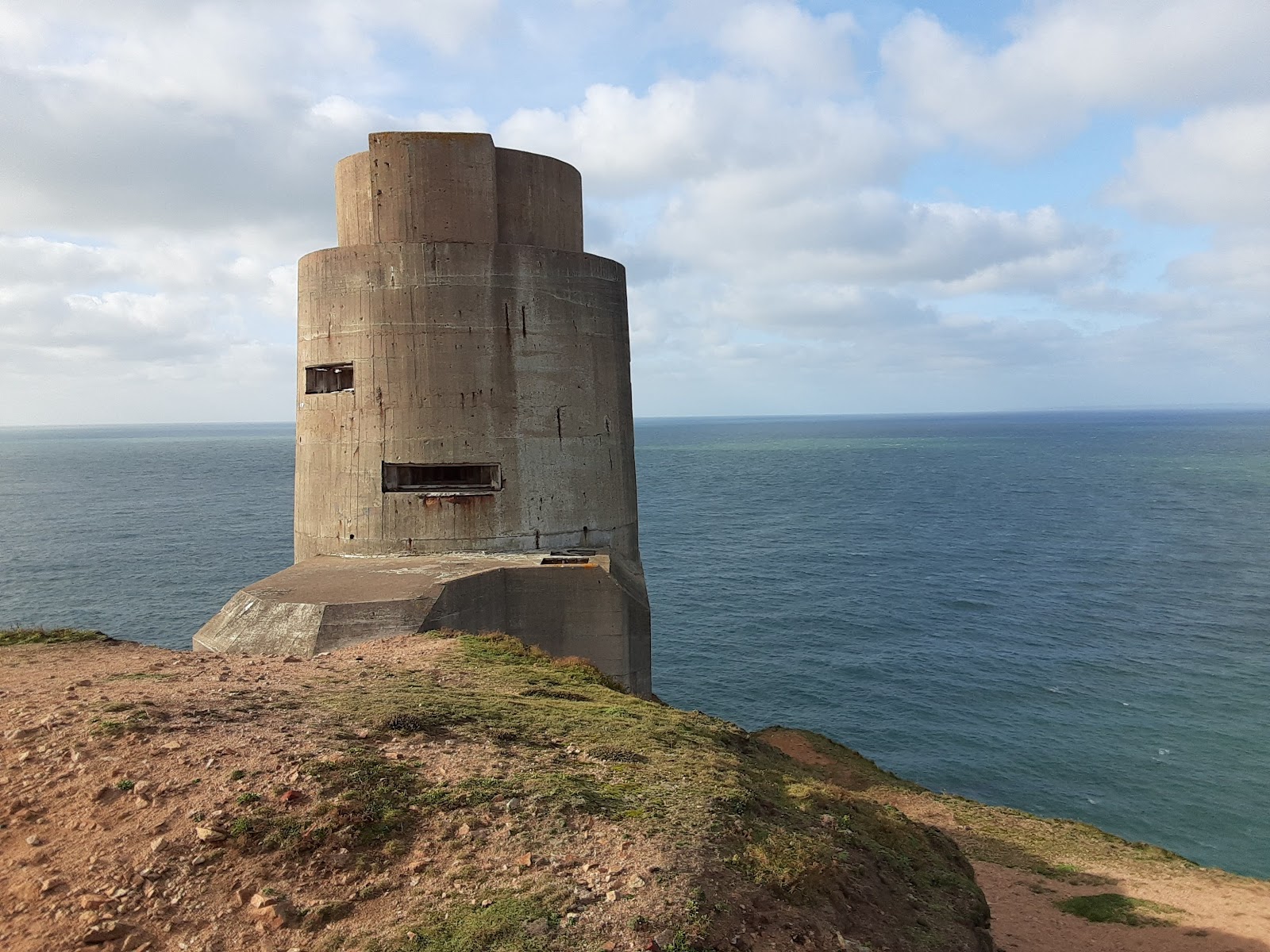
Surrounding the approaches to Grosnez lies the open coastal heath of Les Landes. Across this exposed landscape, modern military history intersects with the coastal environment at Batterie Moltke. Constructed by the Organisation Todt for the German Wehrmacht during the Second World War occupation of the Channel Islands, this heavy artillery installation was designed primarily to protect St Ouen's Bay against potential Allied amphibious assaults.
Although intended to house modern 15 cm naval guns, wartime disruptions forced the occupying forces to mount four captured French Canon de 155mm GPF guns instead. Today, several exterior features remain fully accessible year-round across the heath, including massive open concrete gun pits, reinforced storage bunkers, and the striking Marine Peilstand 3 observation tower. The Channel Islands Occupation Society oversees preservation work across key sections of the site, where one of the original 155mm guns remains on display as a physical testament to the island's mid-twentieth-century occupation.
Prehistoric Megaliths: Dolmen des Monts Grantez
Long before medieval lords or wartime engineers fortified the heights of St Ouen, prehistoric communities recognized the elevated vantage points overlooking the bay. Among the significant archaeological monuments located in the vicinity of St Ouen's Bay is the Dolmen des Monts Grantez.
This ancient passage grave provides tangible evidence of Neolithic burial customs and settlement dating back thousands of years. Positioned on the high ground above the western shore, the site illustrates the deep ancestral connection between Jersey's earliest inhabitants and the surrounding maritime landscape. Exploring these megalithic uprights alongside medieval castles and wartime batteries showcases the remarkable historical continuity packed into St Ouen parish.
Inland Heritage: St Ouen's Manor and Feudal History
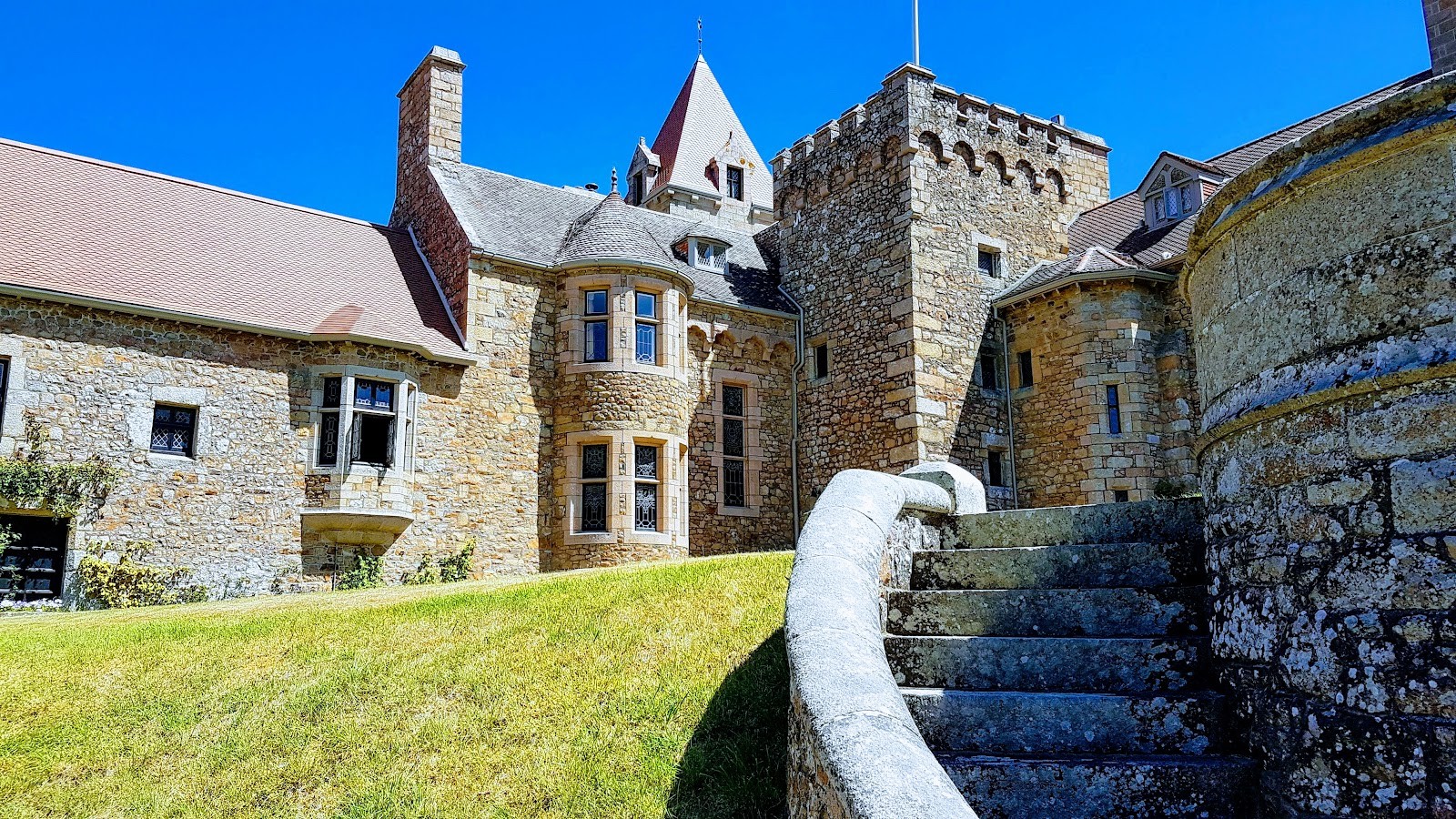
Turning inland from the coast reveals the pastoral heart of the parish. Here, mature woodlands, sheltered valleys, and sweeping agricultural fields frame St Ouen's Manor. Marked by distinctive pink granite walls, architectural turrets, and an enclosing protective moat, the manor represents one of the oldest continuously held seigneurial estates in all of Europe.
The history of the estate is inextricably linked with the de Carteret family, who have held the seigneurship since the twelfth century. Over centuries of island history, the de Carterets shaped not only the civil administration and defence of St Ouen but also exercised powerful political influence across the Channel Islands. The tranquil grounds and ancient stonework of the manor stand as an enduring emblem of Jersey's feudal tradition.
Village Life and St Ouen's Parish Church
At the communal centre of the parish, St. Ouen's Parish Church anchors local spiritual life. Situated within the historic parish settlement alongside St George's Church, this active Anglican congregation operates within the Church of England's Deanery of Jersey, hosting weekly gatherings, family programmes, and seasonal services.
The quiet roads around st ouen's village capture the slow-paced, agricultural atmosphere that has defined the district for centuries. Unlike the densely populated urban avenues of southern Jersey, the village and its surrounding hamlets retain a close-knit feel centered around parish halls, community events, and local farm holdings that produce island crops across the fertile countryside.
Walking, Cycling, and Coastal Dunes
Outdoor exploration in St Ouen is exceptionally well supported by Jersey's dedicated network of quiet rural routes. Across the island, almost 50 miles of designated 'green lanes' offer narrow, winding pathways where pedestrians, cyclists, and horse riders are granted official right-of-way priority. In St Ouen, these country lanes meander past traditional granite homesteads, roadside honesty boxes, and scenic pastures.
For those drawn to coastal nature trails, the sandy coastal plains known locally as Les Mielles offer gentle walking terrain through shifting dunes. Points of interest scattered across this coastal zone include the historic defence post of Kempt Tower, as well as the Frances Le Sueur Centre situated at La Mielle de Morville within the protected footprint of the Jersey National Park. Walking paths link these landmarks, providing excellent vantage points to appreciate unique dune flora and local maritime ecology.
Visiting St Ouen: Practical Transportation Tips

Organizing an excursion across the vast expanse of St Ouen is straightforward, with practical transit choices catering to motorists, cyclists, walkers, and users of public transit alike:
- Public Bus Services: Island bus operator LibertyBus coordinates scheduled routes connecting Liberation Station in the capital of St Helier with key locations across St Ouen, ensuring reliable connections down to the Five Mile Road coastline as well as along traditional inland parish roads.
- Driving and Vehicle Parking: Visitors choosing to hire a car will find navigation simple and intuitive, with traffic keeping to the left and standard UK driving licences readily accepted across the island. Well-maintained public car parking areas are situated conveniently beside main coastal recreational points along St Ouen's Bay, adjacent to the Wetland Centre on Grande Route des Mielles, and at the northern road terminus by Grosnez Castle.
- Cycling and Green Lanes: Cycling is one of the most rewarding ways to experience the parish's rural character. Cyclists can make extensive use of Jersey's designated green lane network—a dedicated web of inland country lanes where pedestrian and bicycle traffic is given formal priority and vehicle speeds are restricted, making for peaceful riding past granite farmhouses and agricultural fields.
Whether spending an afternoon catching the Atlantic surf along the Five Mile Road, observing wetland birds from the hidden hide at La Mare au Seigneur, exploring the medieval gatehouse at Grosnez, or pausing to admire ancient granite architecture at the parish church and manor, St Ouen stands out as an indispensable parish destination capturing the dramatic coastal scenery and profound historic depth of Jersey.
Cover photo: St Ouen's Bay
By Alyssa.
Sources and further information
- Walk in the Park - Jersey National Park
- Your Ultimate Guide To A Jersey Holiday: Navigating The Island Like A Local
- St Ouens Parish Church with St George | Jersey Channel Islands
- St Ouen's Manor
- The National Trust for Jersey Wetland Centre
- Batterie Moltke
- St Ouen's Bay
- Grosnez Castle
Sources checked: 2026-11-21.