Outdoor Activities
Seymour Tower Seabed Walk: Practical Low-Tide Visiting and Safety Guide
Updated 13 October 2026
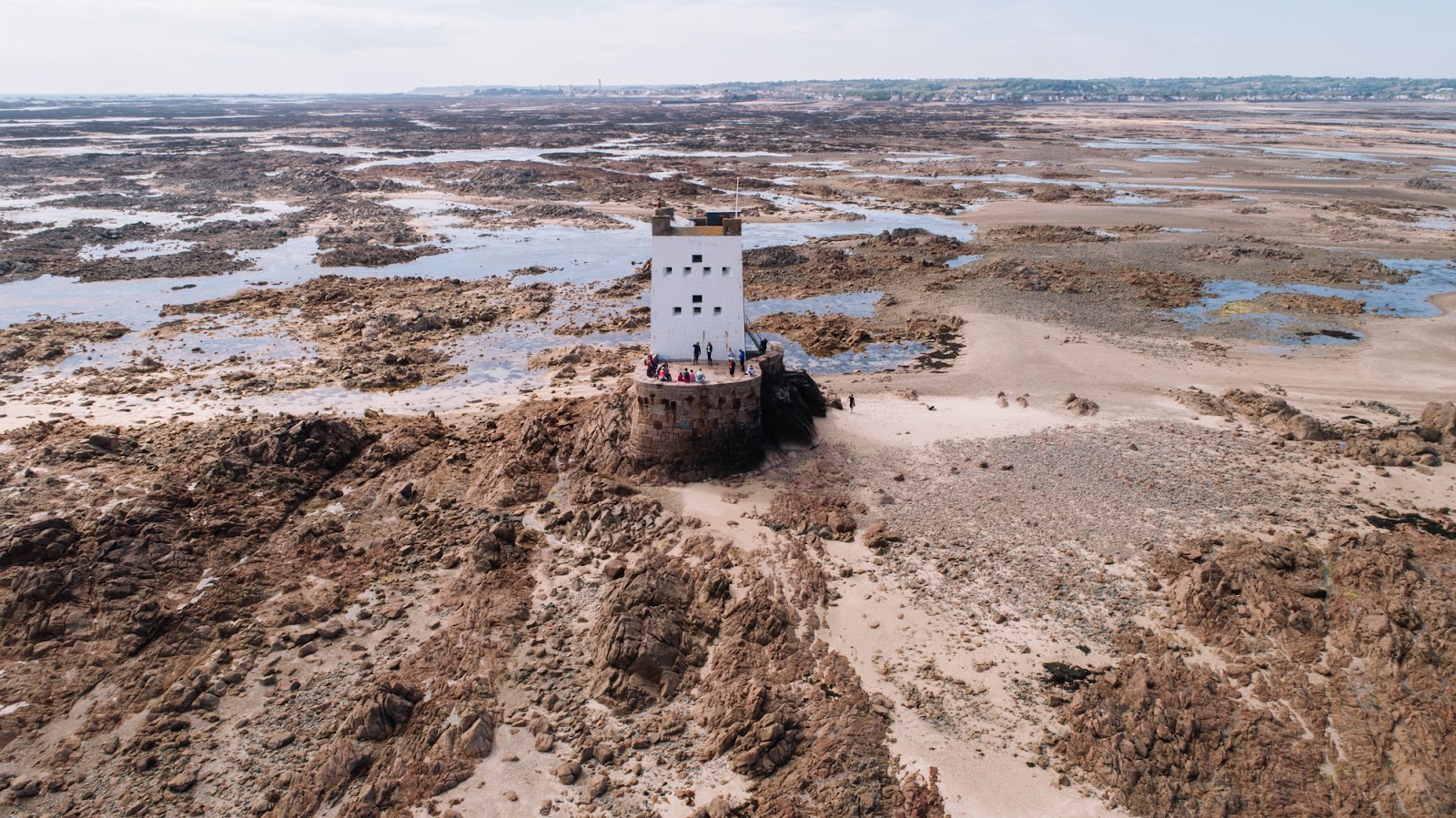
Standing on the shoreline along the south-eastern curve of Jersey at high tide, you look out across what seems to be open, unbroken sea. Yet as the water drains away on a low spring tide, a dramatic, lunar landscape emerges from beneath the waves. Vast tracts of granite reef, expansive sand bars, and twisting seawater gullies gradually appear, revealing a path across the ocean floor towards an isolated granite outpost. This is the setting for the famous jersey seymour tower walk, one of the Channel Islands' most captivating wilderness excursions.
While the prospect of walking across the seabed appeals to many outdoor enthusiasts, this intertidal zone is governed by powerful natural mechanics. Jersey experiences some of the highest tides in the world, with water that covers the entire reef twice every single day. Stepping out into this environment requires careful planning, keen situational awareness, and a clear understanding of the geography and safety rules. In this guide, I share the essential practical details, tidal context, and logistics you need to plan a visit to seymour tower safely.
Understanding Seymour Tower and the Ramsar Intertidal Wilderness
Constructed in 1782, Seymour Tower sits perched on a jagged rocky outcrop roughly 1.15 miles off Jersey's south-east coast. Built as an offshore coastal defence fortification, the tower was positioned to command the treacherous eastern approaches to the island. Today, it stands as an enduring stone sentinel completely surrounded by the sea twice a day.
The vast intertidal area extending around the tower forms part of an internationally recognised Ramsar site, designated as a Wetland of International Importance. This intertidal reef is effectively a marine equivalent of the Jersey National Park. When the sea recedes, it exposes Europe's largest rocky intertidal expanse—a shifting environment where the border between land and open ocean becomes entirely blurred. Walking out towards seymour tower jersey offers a glimpse into a delicate marine ecosystem teeming with life, backed by dramatic coastal horizons.
The Extreme Tides: Mechanics, Channels, and Safety Criticals
The primary factor shaping any excursion out to Seymour Tower is the ocean itself. The Channel Islands feature an exceptionally large tidal range, generating some of the most dynamic water movements anywhere on the globe. As the tide falls, the sea retreats far into the distance, exposing miles of seabed. However, when the tide turns, the water returns with remarkable speed.
It is not simply that the water rises; it is how the water moves across the topography. The seabed between the mainland and Seymour Tower is far from a flat, uniform plain. The ground is scored by a labyrinth of gullies, gutters, deep rock pools, and elevated sandbanks. On an incoming tide, seawater does not advance in a straightforward, predictable line from the horizon. Instead, deep offshore channels fill first, snaking behind walkers and cutting off higher sandbanks and ridges from the mainland long before the flats themselves appear submerged.
This channel behaviour creates severe risks for anyone venturing onto the reef without expert knowledge. Walkers can easily find themselves standing on an apparently dry bank while deep, fast-flowing tidal channels cut off their route back to shore. Official tide predictions for the island are calculated locally, with tide tables for St Helier accessible through the Jersey Met tide times portal and coastal marine broadcasts provided by Jersey Coastguard. Navigating these waters safely demands strict adherence to reliable tide data and an understanding that the intertidal transit window closes rapidly once low water passes.
Guided Walk vs Independent Exploration: Why Guidance Matters

Given the nature of the terrain and the speed of the incoming sea, the question of whether to walk independently or join an organized group is paramount. While looking at a seymour tower jersey map might suggest a straight line from the coast to the tower, the physical reality on the seabed is profoundly different. Visible paths do not exist, and direct lines of sight are frequently blocked by granite outcrops or interrupted by deep, impassable gullies.
Jersey Heritage, the organisation responsible for managing Seymour Tower, issues explicit guidance regarding visits. Jersey Heritage specifies that visitors must not attempt to reach the tower without a guide and clearly states that it accepts no responsibility for anyone who attempts independent access. Furthermore, while the tower platform at the base of the structure is open to the public at any time, entering the interior of the tower is strictly forbidden unless you are accompanied by an accredited guide.
For day visitors wishing to experience the trek safely, accredited operators provide expertly marshalled excursions across the reef. Local walking company Jersey Walk Adventures leads regular intertidal explorations—often called "moonwalks"—out to Seymour Tower and back. Led by guides accredited through the Jersey Tour Guide Association or Visit Jersey, and holding official Jersey Heritage tower guide status, these excursions follow carefully chosen routes across rock pools, sand bars, and gullies. Joining an organized tour removes the guesswork of navigating changing tidal gutters and ensures you return to shore well before the incoming waters begin to flood the exit routes.
Prices for these guided day seabed walks typically start from £26 for adults and £13 for children under 16. Because safety mandates strict guide-to-walker ratios, group sizes are capped and advance online booking is essential. On selected moonless nights when low tides occur after dark, guides also run specialised bioluminescence beach walks (from £26 per adult and £13 for under-16s), allowing visitors to search for tiny marine organisms that glow and twinkle on the wet sand.
Shore Access Points and Route Logistics
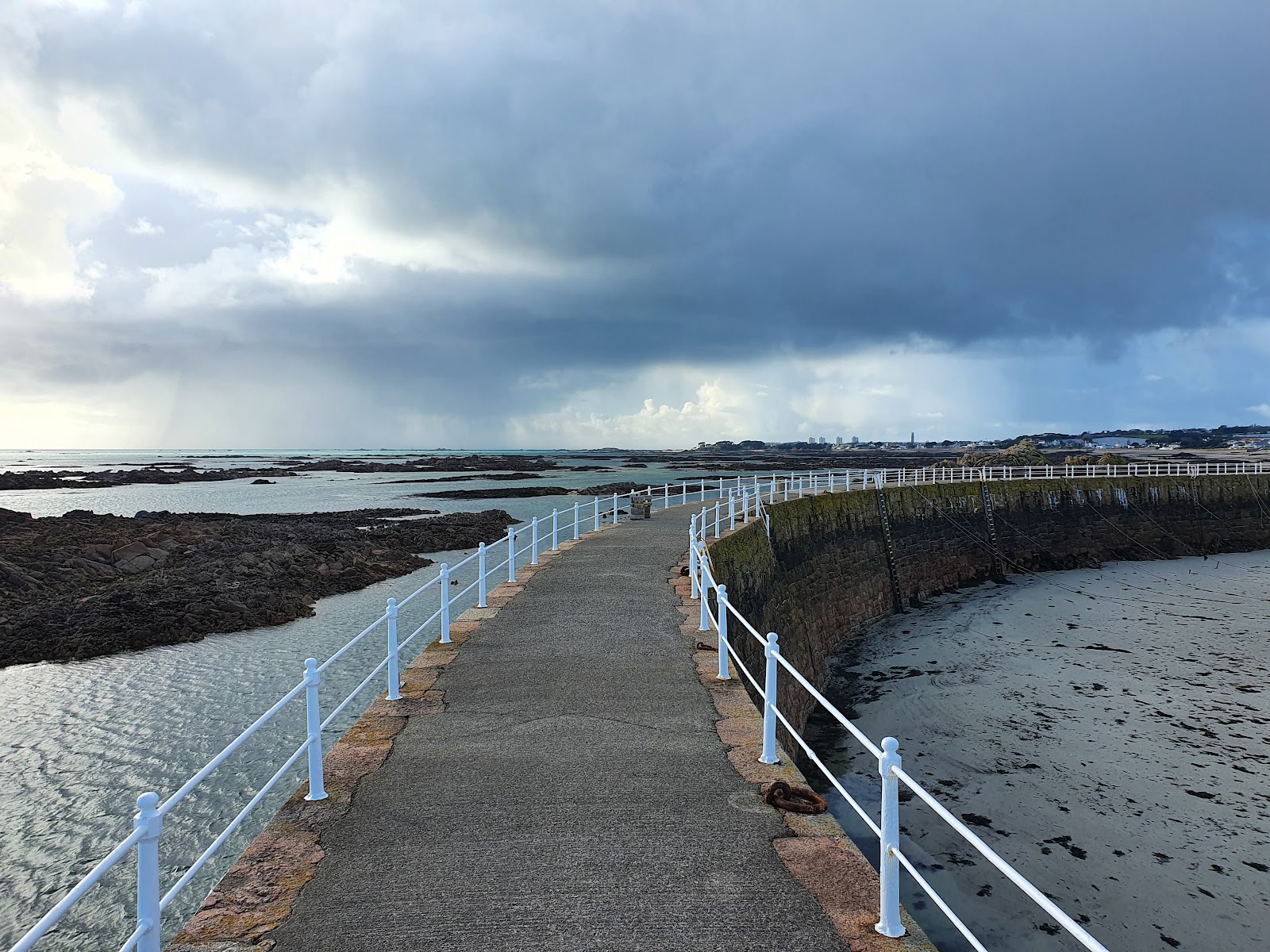
The intertidal crossing to Seymour Tower is staged from the south-east coast of Jersey within Grouville and St Clement. The primary departure slipway and meeting point used by walking groups is located at La Rocque Harbour, situated along La Grande Route des Sablons. The harbour features a stone pier, curved breakwater, public car parking, and public toilets, making it a natural gathering hub for coastal walks.
From the slipway, the distance across the exposed reef to the tower is roughly 1.15 to 1.25 miles (approaching two kilometres each way). Underfoot, the terrain is varied and physically demanding. Rather than walking over smooth, hard-packed sand, trekkers must negotiate an intricate mosaic of:
- Exposed granite reefs covered in slick seaweeds and barnacles
- Wading gutters and saltwater channels that require stepping or sloshing through ankle- to knee-deep water
- Jagged shingle fields, shell beds, and muddy tidal silt
- Expansive shallow rock pools hidden between granite ledges
Because the terrain is uneven and often wet, proper footwear is critical. Flimsy sandals, flip-flops, or smooth-soled trainers are unsuitable and present a significant slipping risk on seaweed-draped rock. Sturdy walking boots that you do not mind soaking, or secure footwear with rugged gripping soles, are necessary to navigate the sharp granite and rocky shelves without injury.
Seymour Tower Interior Access: Rules and Overnight Bookings
A frequent point of confusion among visitors planning a jersey seymour tower walk is whether day walkers can enter and tour the interior of the historic fortification. The simple answer is no: day walkers cannot access the inside of the tower.
Jersey Heritage operates the interior of Seymour Tower as a heritage self-catering let, accommodating up to seven guests accompanied by an official guide. Strict regulations govern the building:
- Interior Prohibition: Entering the interior is forbidden without an accredited guide present.
- Booking Guest Restrictions: Only persons explicitly named on an official booking form are permitted to stay at or visit the tower. Casual day walkers may not be invited inside.
- Exterior Access: The surrounding open battery platform at the base of the tower is publicly accessible at low tide, providing an impressive vantage point before you begin the return trek.
- Currents and Swimming: Due to the extreme currents swirling around the reef outcrop, official guides may place restrictions on swimming around the tower.
If you are walking out during a day excursion, plan to appreciate the architecture and coastal panorama from the granite platform outside before beginning the scheduled trek back across the reef.
Wildlife and Conservation Etiquette in the Ramsar Wetland
Jersey's south-east coast Ramsar site is one of the most ecologically rich marine wetland habitats in the British Isles. The massive daily exchange of clean Atlantic water, combined with diverse rock formations and sand flats, creates an extraordinary environment for marine flora and fauna.
As you traverse the exposed seabed, you will cross areas supporting hundreds of species of seaweed, alongside an abundance of intertidal creatures. Common sights across the rock pools and gutters include hermit crabs, shore crabs, tiny spider crabs, vibrant sea anemones, starfish, and extensive shellfish beds. The area is also deeply tied to traditional low-water foraging, and historical oyster beds line the nearby shores of Grouville Bay.
To preserve this sensitive ecosystem, visitors must practice strict environmental etiquette:
- Tread Carefully: Avoid trampling fragile marine colonies or disturbing nursery pools where small fish and crustaceans seek shelter while the tide is out.
- Leave Everything in Place: If you examine an upturned rock or inspect a creature, carefully return the stone to its original position. Leaving rocks overturned exposes delicate under-rock organisms to drying winds and predatory seabirds.
- Carry Out All Waste: There are no waste bins on the seabed or on the tower platform. Everything carried out must be brought back to the mainland for proper disposal.
- Respect Wildlife: Keep a respectful distance from roosting seabirds feeding along the receding water line.
Practical Planning: Tides, Gear, and Transport
Successfully completing a walk out to Seymour Tower requires advance logistical preparation. Unlike an ordinary inland coastal path, your timing is entirely dictated by astronomical tide tables rather than your own schedule.
Timing and Tidal Windows
The seabed walk can only take place during low water windows, typically requiring low spring tides when sufficient seabed is uncovered to reveal a safe walking corridor. You should always consult verified tide charts before planning any trip. Check local tide tables published by the Government of Jersey at Jersey Met tide times or review shipping and coastal forecasts through Jersey Coastguard.
Guided walks typically depart well before low water to take advantage of the falling tide as the sea retreats, giving walkers time to explore the reef and reach the tower before turning back ahead of the incoming flood. Attempting to head out at low water independently is exceptionally hazardous, as you will be walking against an incoming tide that moves faster than average walking pace over broken rock.
What to Wear and Pack
Due to the exposed nature of the reef, conditions can shift quickly. You are over a mile from shore with zero shelter from wind, rain, or sun. Pack carefully for your excursion:
- Footwear: Robust walking boots or purpose-made water shoes with deep tread. Be prepared for your feet to become completely wet when crossing gullies.
- Clothing: Quick-drying trousers or shorts, along with lightweight, windproof and waterproof layers. Avoid heavy denim that becomes waterlogged and cold.
- Sun and Weather Protection: Sunscreen, sunglasses, and a hat for clear summer days, or warm thermal layers and beanies during cooler months.
- Daypack Essentials: A secure, water-resistant backpack containing fresh drinking water, high-energy snacks, a small first-aid kit, and a fully charged mobile phone sealed inside a waterproof dry pouch.
Getting to the Meeting Point
Access to the starting point in Grouville is straightforward whether arriving by car or utilising Jersey's public bus network. If you are travelling by bus from St Helier, the bay at La Rue du Puits Mahaut and the surrounding La Rocque coast are served by Bus route 2, which runs regular services along the south-eastern coast road. The bus drops passengers within short walking distance of the slipway access points and the shore.
For visitors driving, public car parking is available adjacent to the slipway and guide meeting points around La Rocque Harbour and along the Grouville coastline. Spaces can fill up rapidly during warm summer weekends and popular low spring tides, so allow ample time to park and prepare your gear before your scheduled departure time.
After returning from the wet reef, the nearby Seymour Inn, situated along La Rue du Puits Mahaut in Grouville, sits right across from the beach and slipway. Overlooking the coast with views out towards Seymour Tower, it offers an ideal base to pause, dry off, and reflect on an unforgettable journey across Jersey's wild, intertidal frontier.
Cover photo: Jersey Walk Adventures
By Alyssa.
Sources and further information
Sources checked: 2026-10-13.