Activities
Coastal Foraging in Jersey: Edible Shorelines, Tidal Walks, and Guided Experiences
Updated 8 November 2026
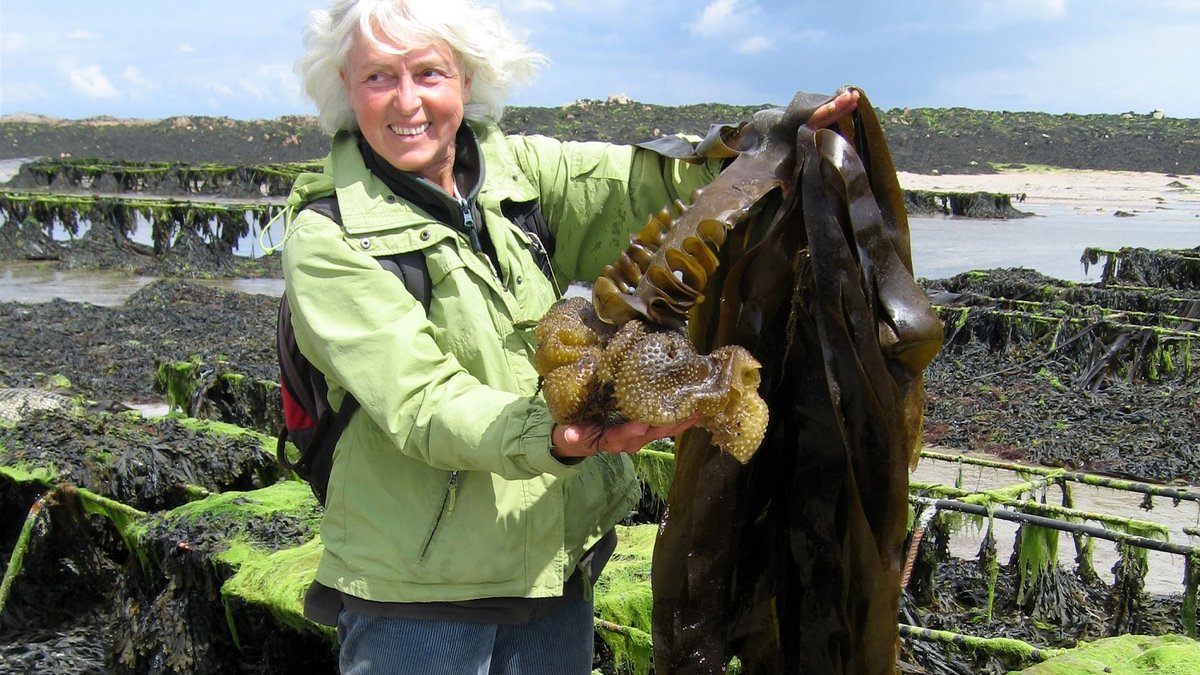
When you stand along the coast of Jersey as the tide ebbs, the sea does not simply drop back a few paces; it recedes far toward the horizon, unveiling a vast and intricate seabed. Due to its unique location in the Bay of St Malo, Jersey experiences some of the highest tides in the world, marked by extreme twice-daily tidal shifts. As the Atlantic retreats, an astonishing environment is exposed: Europe's largest rocky intertidal area. For wild food enthusiasts, coastal walkers, and nature lovers, this littoral landscape provides an exceptional setting for coastal foraging in Jersey. From delicate greens anchored to granite reefs to thick ribbons of kelp sheltering in water-filled channels, the island's shoreline offers an abundance of wild ocean produce.
This guide explains what makes foraging in Jersey such a rewarding pursuit, how to recognise common edible seaweeds, essential rules for sustainable harvesting, vital shoreline safety precautions, and how to discover the intertidal zone through guided walks.
The Living Landscape: Europe's Largest Rocky Intertidal Zone
To appreciate sea foraging in Jersey, one must understand the sheer scale and dynamism of its shoreline. The extreme twice-daily tidal movements uncover extensive sandbars, rock reefs, and labyrinths of stone that stay completely hidden beneath deep water at high tide. This dramatic coastal territory forms Europe's largest rocky intertidal area, creating a thriving marine habitat where plants and animals have adapted to hours of open-air exposure alternating with submersion under surging currents.
A significant portion of this marine landscape, especially across the southeast coast where the Jersey Tidal Trail leads, lies within an internationally recognised Ramsar World Wetlands site. Acting as a marine counterpart to a national park, this Ramsar wetland is teeming with marine life, including crabs, shellfish, colourful anemones, and dense seaweed beds. When the ocean pulls back, the line between land and sea blurs, transforming the seabed into an expansive wilderness ready for mindful exploration.
Historically across the island, harvesting shoreline plants was known as 'low-water fishing' or gathering 'vraic'. For generations, collecting vraic played an important role in island life, serving as nutrient-rich fertiliser on agricultural soil as well as a gathered resource for the kitchen. Today, whether referred to as foraging or low-water fishing, the rhythm remains unchanged: stepping out onto the uncovered reefs to discover what the dropping tide reveals.
A Plentiful Ocean Pantry: Over 200 Seaweed Species
Jersey is home to over 200 species of seaweed. While individual flavours vary, they are healthy wild plants that can be used in home baking or added as flavourful condiments in cooking. Many species can be dried and flaked into seasonings, steeped into savory broths, crisped in oil, or used as natural culinary thickeners.
Knowing where specific seaweeds grow along the shoreline is the cornerstone of Jersey coastal foraging. Seaweeds arrange themselves across the tidal zone in distinct vertical bands determined by their exposure to sunlight, air, and wave action. Below are some of the primary edible species found around the island's coastline.
Greens of the Upper and Middle Shores
Along the mid to upper tidal zones, where rock shelves spend extended periods out of the water, green seaweeds thrive in shallow pools and across wet granite:
- Sea Lettuce (Ulva lactuca): Easily recognized by its bright emerald, translucent fronds resembling salad leaves. Growing across the mid to lower shore zones, sea lettuce can be cooked alongside fresh vegetables, deep-fried to create a crisp topping for fish dishes, or folded into warm risottos.
- Gutweed (Ulva intestinalis): Found all around the coast, this tubular, vibrant green seaweed can be deep-fried crisp, or dried and ground into green nori-style flakes to dust over salads, noodle dishes, dough, or pizza.
Prized Reds and Flavorful Fronds
Red seaweeds are treasured by shoreline foragers for their distinctive aromas and savory complexity:
- Pepper Dulse (Osmundia pinnatifida): Tucked into rock crevices across the mid to lower shore, this small, fern-like seaweed offers an intensely spicy flavour profile reminiscent of peppery seafood. Harvesters dry and grind it into a savory finishing powder or add small fresh fronds to fish salads and miso soups.
- Dulse (Palmaria palmata): A versatile culinary red seaweed that imparts a rich, smoky undertone when gently dried or pan-toasted, long valued as a nutritious shoreline food.
- Sea Spaghetti (Himanthalia elongata): Noted for its long, strap-like strands that resemble pasta, which can be blanched and served with olive oil, butter, and seasonings.
Kelp Varieties of the Lower Shore
Out toward the lowest spring tide lines, the large brown kelps anchor firmly against strong marine currents:
- Sugar Kelp (Laminaria saccharina): Located on the extreme lower shore in deep gullies and rock pools, sugar kelp features long, crinkled fronds. It serves as an excellent stock base and natural flavour enhancer, can be baked into crisp seaweed snacks, or wrapped around fish before grilling. Because kelps carry high iodine content, culinary guidance recommends cooking them or using modest amounts of up to 5cm in broths and dishes.
- Oarweed (Laminaria digitata): Also found on the extreme lower shore, oarweed forms broad, finger-like blades. Like sugar kelp, its high iodine content makes it best suited for infusing stocks, creating baked crisps, or wrapping seafood to retain moisture during cooking.
Invasive Species: Foraging with an Ecological Purpose
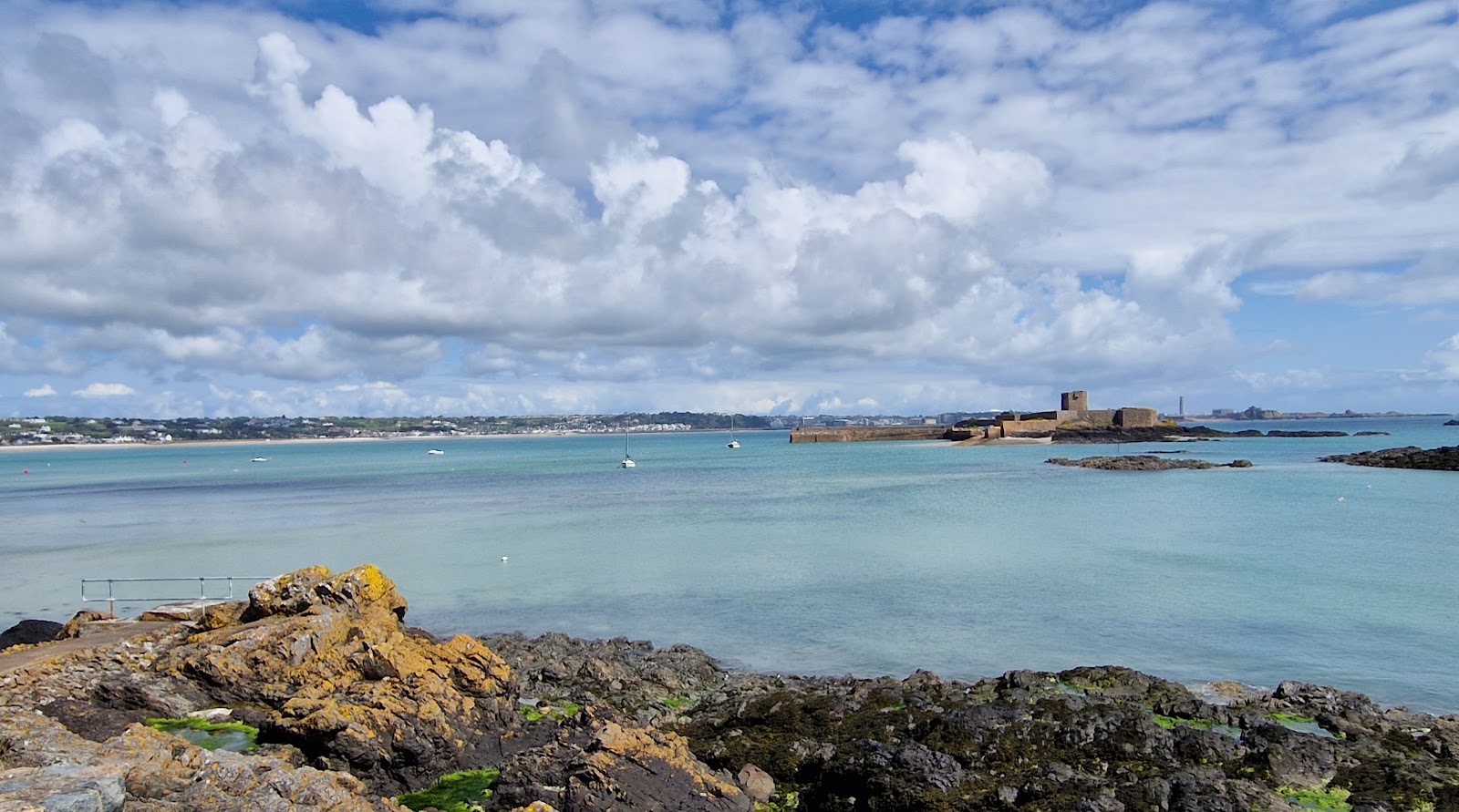
Coastal foraging can also contribute positively to marine conservation when directed at non-native seaweeds. In Jersey waters, two notable introduced species are Jap weed (Sargassum muticum) and Wakame (Undaria pinnatifada).
Wakame, recognized internationally among the worst 100 invasive species, is found growing in water-filled gullies, harbour areas, and parts of St Aubin's Bay. It is also an exceptional culinary seaweed, prized when dried and rehydrated in miso soups, side broths, and cold salads. Harvesters are encouraged to identify Wakame, report major colonies to local records like the Société Jersiaise marine biology section, and harvest it freely for kitchen use.
Sustainable Harvesting: The Shore Code
Because Jersey's intertidal ecosystem is a fragile biological habitat, responsible foraging requires conscientious practice. Sustainable foragers gather conservatively to keep marine populations healthy and productive.
The primary harvest rule is never to pull a plant up by its roots or rip it from the substrate. Seaweeds do not possess true root systems; they anchor to rock surfaces using a specialised attachment organ called a holdfast. Pulling away the holdfast destroys the entire organism, preventing future regrowth.
Best harvest practice requires using clean scissors to cut the fronds. Harvesters should cut no more than two-thirds of the plant, leaving at least one-third attached to its holdfast so it can regrow and support future seaweed populations. Collect sparingly across an area, taking a modest snip here and there rather than stripping an entire boulder or ledge bare.
Water Cleanliness and Food Safety
While the sea provides healthy, wild food, seaweeds absorb characteristics from the water around them. Ensuring safe harvesting begins with paying close attention to shoreline cleanliness.
Before harvesting, evaluate the water quality of your chosen location. Confirm whether the beach holds clean bathing designations and check whether recent heavy rainfall could cause agricultural or domestic runoff into coastal streams. Avoid gathering near drainage pipes, commercial marinas, or enclosed boat basins.
A fundamental safety rule for sea foraging in Jersey is never to eat seaweed you have not cut yourself from living, attached growth. Never gather floating seaweed that has broken loose. Detached driftweed may have floated in from contaminated harbour areas or old mining sites where heavy metals can accumulate. Because there is no way of knowing how long floating vraic has been adrift or where it has travelled, harvest only healthy plants actively growing on rocks in clean tidal water.
Tidal Safety: Navigating the Intertidal Realm
Jersey's immense tidal range creates remarkable opportunities for exploration, but it also carries serious hazards. When the tide turns, water rushes back across the shallow contours of the seabed with incredible speed, filling deep gullies and low hollows long before covering higher sand banks.
To stay safe on every coastal forage, observe these essential guidelines:
- Consult Tide Tables: Always check the local weather forecast and low tide times before setting out. Begin your foraging walk well before low water so that you move outward with the receding tide and head back toward high ground the moment the tide turns.
- Never Turn Your Back on the Tide: Constantly monitor water levels behind you. Depressions and gullies fill rapidly, which can leave you cut off from the shoreline. Maintain clear awareness of your exit path back to dry land.
- Share Your Plans: Tell someone where you are going, what time you plan to return, and what action they should take if you fail to check in by the agreed time.
- Wear Practical Footwear: Intertidal rocks are often slippery and covered in sharp barnacles. Wear sturdy boots with reliable grip, dress for changing coastal conditions, and keep a reliable watch with you.
Statutory Regulations: The Aquatic Resources Law
Beyond personal foraging ethics, gatherers should note that Jersey maintains clear legal frameworks governing its coastal habitats. Under the Aquatic Resources (Jersey) Law 2014, the States of Jersey holds statutory authority to regulate or prohibit the taking of marine aquatic resources (other than sea fish) from the marine environment and sea shores.
This statutory power enables local authorities to introduce conservation measures, govern harvesting methods, and protect specific marine sectors from over-exploitation. Recreational foragers must respect all local guidelines, harvesting small quantities strictly for personal consumption and respecting designated marine preserves.
Guided Shoreline Tours and Foraging Walks
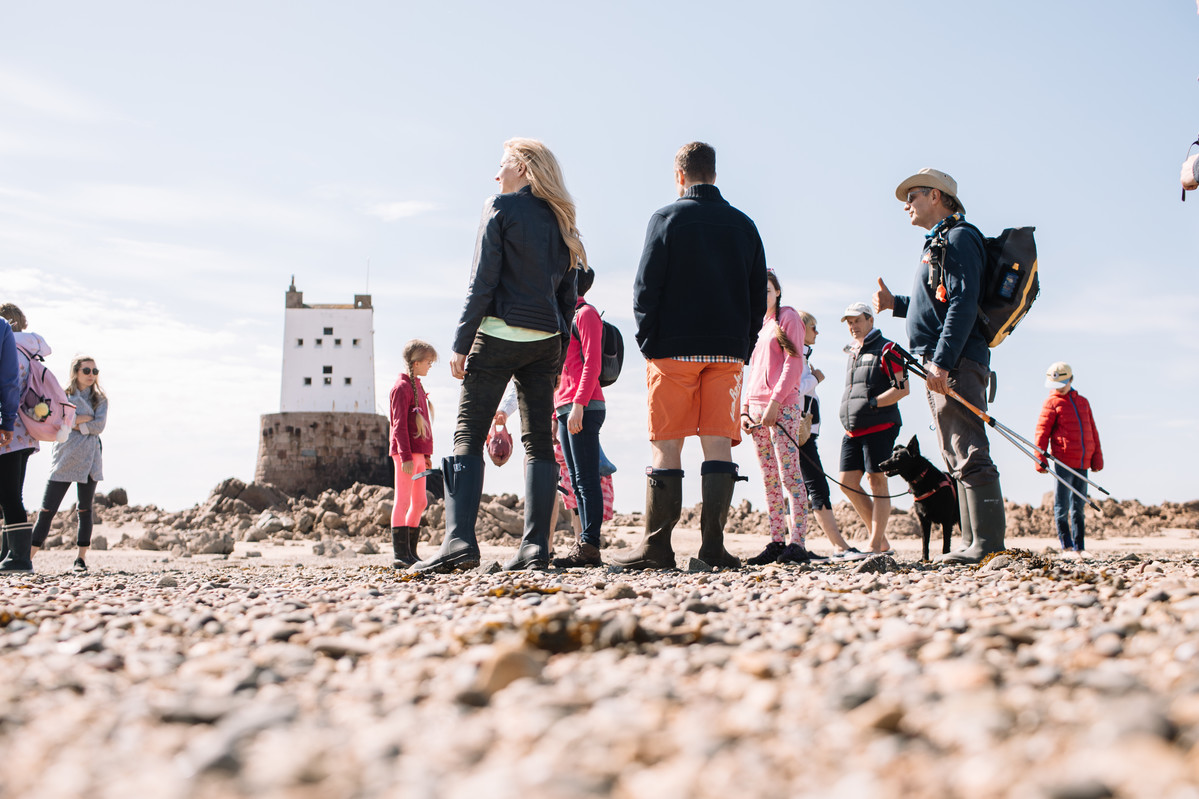
For visitors unfamiliar with Jersey's tidal landscape, joining an organised walk with an experienced local guide is the safest, most educational way to experience coastal foraging in Jersey. Knowledgeable leaders understand safe crossing routes across Europe's largest rocky intertidal area, share local heritage, and assist in reliable botanical identification.
A well-known operator is Jersey Walk Adventures. Operating across the southeast Ramsar wetland site, their experienced guides lead popular seabed walks—known as 'moonwalks'—out to historic offshore monuments like Seymour Tower and Icho Tower along the Jersey Tidal Trail. For culinary enthusiasts, their Wild Vegetables of the Ocean walk focuses specifically on edible seaweed foraging, teaching participants how to gather and cook sea vegetables. They also offer a gentle Beach Walk exploring Europe's largest rocky intertidal area along the upper shore, as well as a Sea Foraging & Oyster Trail tour combining wild food identification with an exploration of the historic oyster beds in Grouville Bay.
On the island's western coastline, Wild Adventures Jersey runs coastal foraging tours along the sweeping sands of St Ouen's Bay. These excursions identify coastal plants, seaweeds, and shellfish along the shoreline, concluding with the preparation of foraged foods over a beach fire.
Visitors interested in exploring Jersey's terrestrial landscapes alongside the coast can also enjoy sensory nature trails with Wild Edgewalker, or outdoor bushcraft and coastal activities with Wild Days Outdoor.
Summary of Common Edible Seaweeds in Jersey
The following table provides a quick reference for common edible seaweeds found around Jersey's shores, highlighting where they grow and how they are typically used:
| Common Name | Botanical Name | Shore Location | Culinary Uses |
|---|---|---|---|
| Sea Lettuce | Ulva lactuca | Mid to lower shore | Cooked with vegetables, deep-fried as a crisp garnish, or added to risottos. |
| Gutweed | Ulva intestinalis | All around coast | Deep-fried crisp or dried and flaked into green nori sprinkles for salads and bread. |
| Pepper Dulse | Osmundia pinnatifida | Mid to lower shore crevices | Used fresh in small amounts in seafood salads, or dried and ground into a peppery spice. |
| Sugar Kelp | Laminaria saccharina | Extreme lower shore, pools | Used as kombu-style broth stock, baked into crisps, or wrapped around grilled fish. |
| Oarweed | Laminaria digitata | Extreme lower shore | Simmered for stocks, dried into crisps, or wrapped around fish to retain moisture. |
| Wakame (Invasive) | Undaria pinnatifada | Gullies, harbours, St Aubin's Bay | Dried and rehydrated for miso soups, broths, and fresh seaweed side dishes. |
Key Shoreline Areas to Discover
Jersey's varying coastlines showcase different facets of its rich intertidal environment:
1. The Southeast Coast & Ramsar Reserve
Extending out from La Rocque towards Seymour and Icho Towers, this vast granite reef forms the core of Europe's largest rocky intertidal area. It features endless rock pools, sandy flats, and oyster cultivation beds, hosting dense varieties of green and red seaweeds alongside diverse marine creatures.
2. St Ouen's Bay
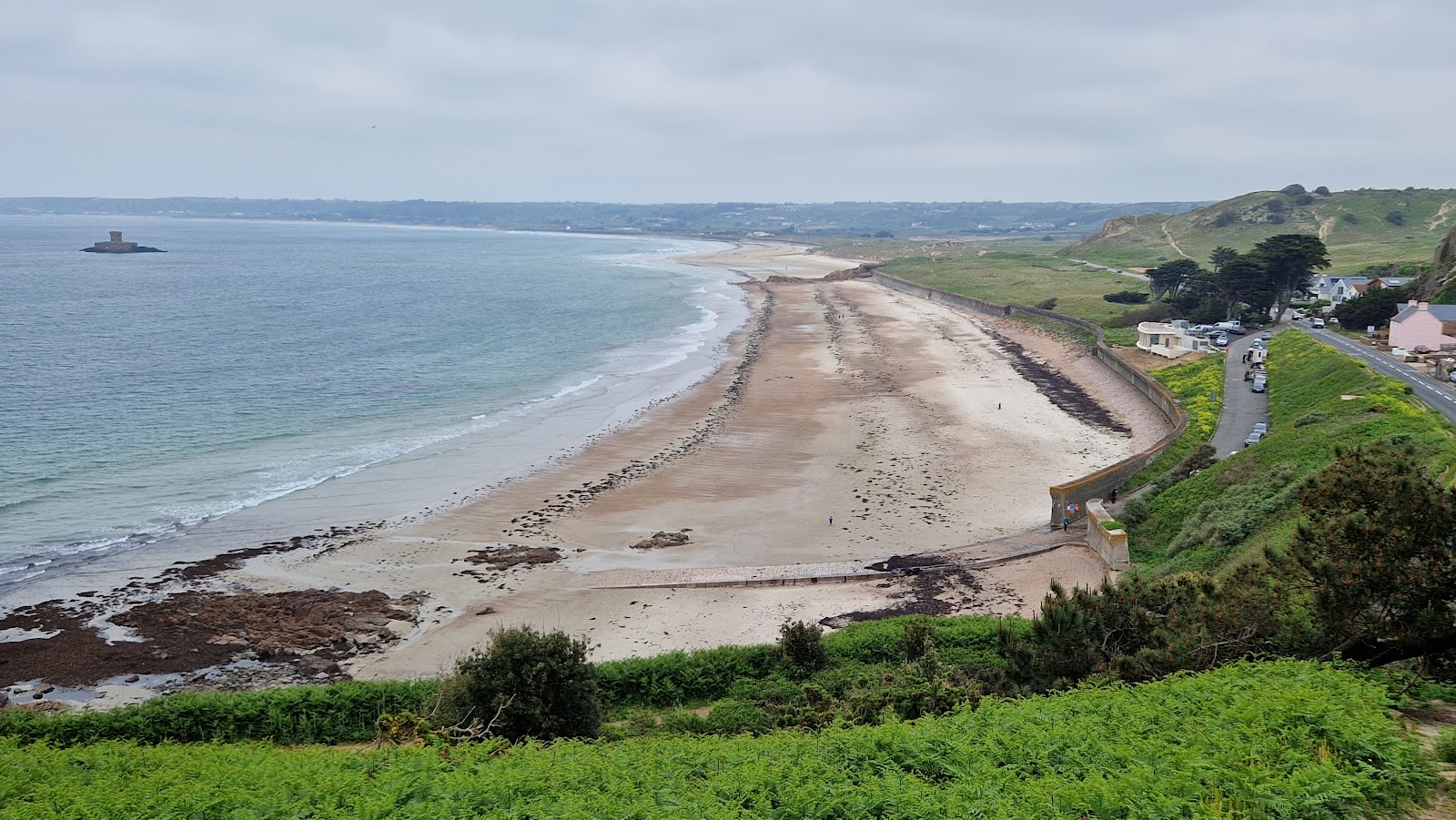
Dominating the island's western side, St Ouen's Bay is known for its wide sandy beach and Atlantic breakers. The rocky outcrops along this coast offer opportunities to locate wild edible coastal plants, shellfish, and seaweeds against an open maritime backdrop.
3. St Aubin's Bay
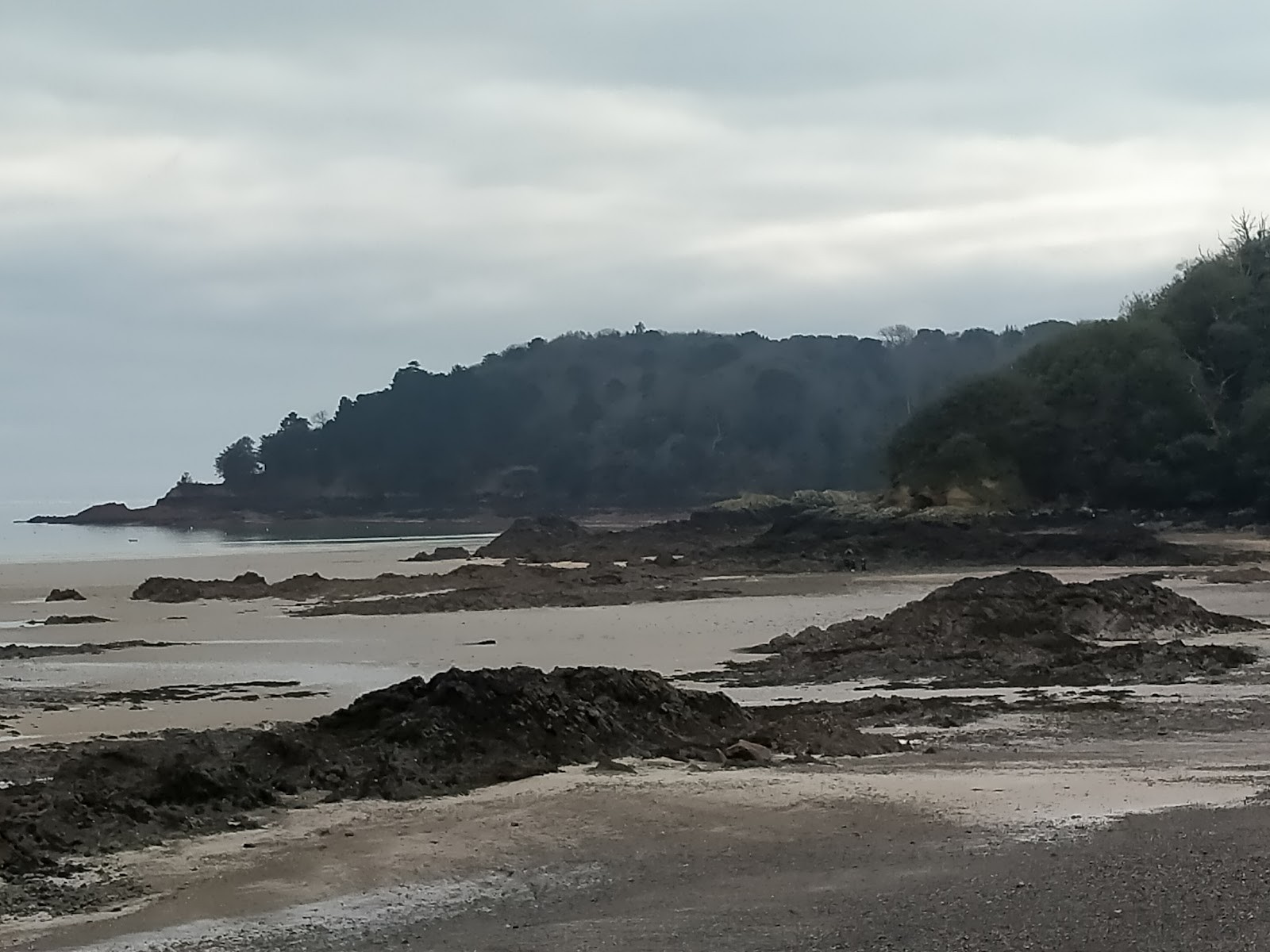
Spanning the curve between St Helier and St Aubin, this wide bay includes sandy stretches near St. Helier Beach and rocky causeways around St Aubin's Fort. Its water-filled gullies and marina borders frequently host patches of Wakame, making it a prime spot to observe this invasive sea vegetable.
4. Grouville Bay and Gorey

Lying below Mont Orgueil Castle, the intertidal sands near Gorey Harbour are celebrated for extensive shellfish cultivation. Walking across the bay at low tide reveals how local aquaculture and wild marine plants flourish together in the clean coastal waters.
The Forager's Equipment Checklist
Preparing a small, functional kit ensures that your time on the shore is enjoyable, safe, and productive:
- Scissors: Essential for cleanly snipping the top two-thirds of seaweed plants without disturbing the holdfast.
- Cloth or Mesh Bags: Breathable bags keep collected seaweed fresh and prevent fronds from becoming soft and soggy.
- Supportive Footwear: Well-treaded boots or neoprene water shoes help prevent slips on slick rocks and guard against barnacles.
- Rinse Water: Carrying clean freshwater allows you to rinse salt and sand from your hands and harvest samples.
- Tide Times and Timepiece: Bring a watch and know your low tide time so you can manage your return well before the water starts coming in.
Preparing and Cooking with Shoreline Forage
Bringing fresh seaweeds from the shoreline into the kitchen offers a genuine taste of Jersey's ocean wilderness. Tender green sea lettuce can be washed thoroughly and tossed into vegetable sautés, folded into scrambled eggs, or fried for a few seconds in hot oil to make crisp garnishes.
When working with sugar kelp or oarweed, gently wipe off any sand with a damp cloth and allow the fronds to dry naturally or in a warm, low oven. Stored in airtight containers, dried kelp can be dropped into simmering stocks and stews to yield rich umami. Dried pepper dulse fronds can be ground finely to create a distinct, peppery seafood seasoning that enhances roasted vegetables, eggs, or pan-fried fish.
Summary and Practical Advice
Experiencing coastal foraging in Jersey provides a direct connection to the island's coastal heritage and exceptional marine ecology. With the world's most dramatic tides opening up Europe's largest rocky intertidal area twice each day, the shoreline is an extraordinary landscape for discovery. By respecting sustainable cutting techniques, avoiding unattached driftweed, remaining alert to incoming tides, and booking guided excursions with experienced local naturalists, visitors can safely enjoy the bounty of Jersey's shores.
Cover photo: Jersey Walk Adventures
By Alyssa.
Sources and further information
- Edible Seaweeds in Jersey - Jersey Walk Adventures
- Foraging – Wild Adventures Jersey
- Aquatic Resources (Jersey) Law 2014
- Home - Jersey Walk Adventures
Sources checked: 2026-11-08.