Things To Do
Jersey Zoo and Durrell: Visitor Guide and Conservation Story
Updated 17 October 2026
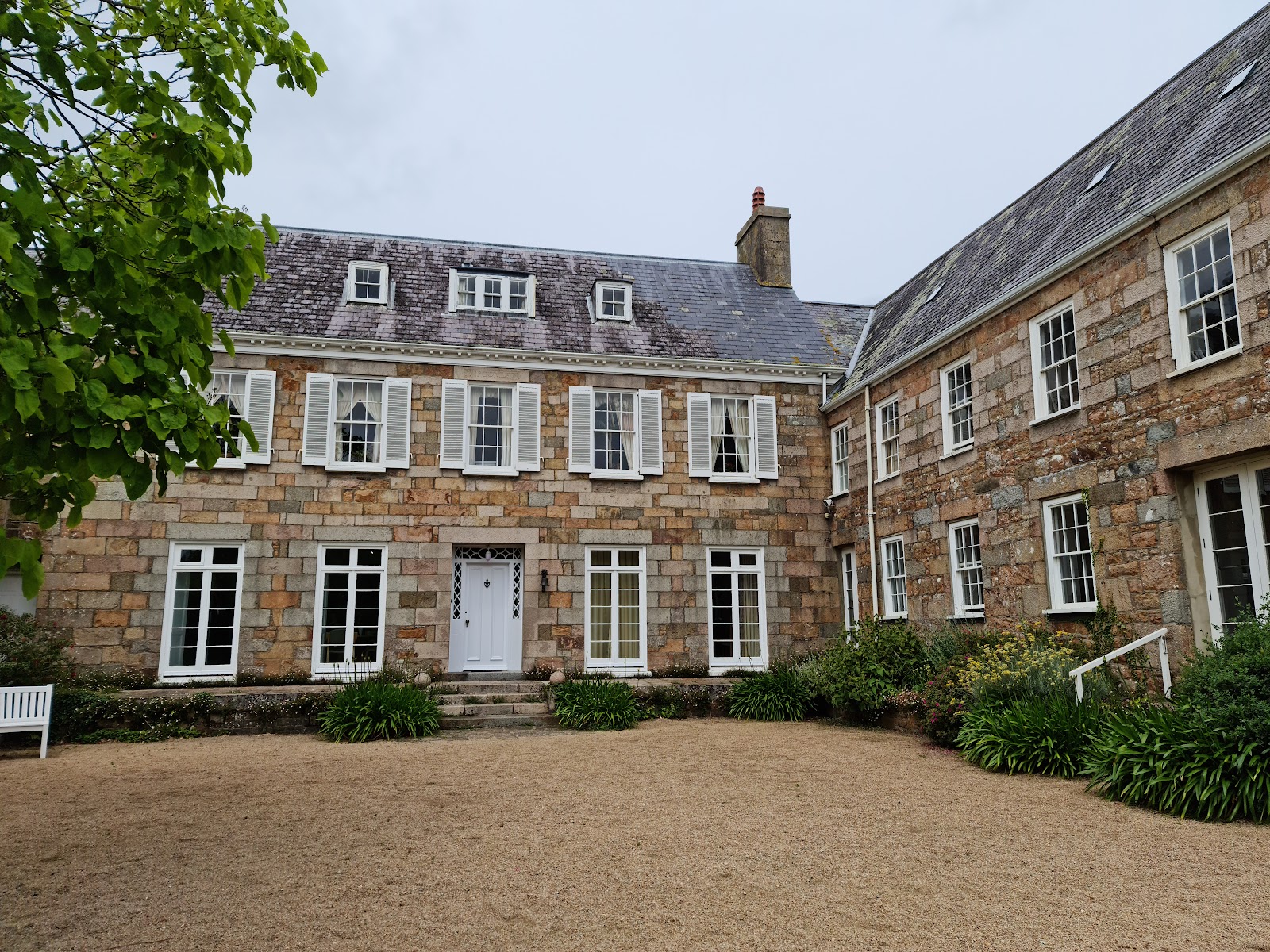
When planning a trip around the Channel Islands, spending time in the rural parish of Trinity reveals a sanctuary that operates quite unlike a conventional commercial menagerie. Jersey Zoo, established in 1959 by the celebrated naturalist and author Gerald Durrell, stands as the practical and philosophical headquarters of the Durrell Wildlife Conservation Trust. Rather than assembling animals purely for public spectacle, the site was conceived from its very beginnings as a haven for species facing critical threats in the wild, backed by intensive scientific study, captive breeding programmes, and landscape-scale ecological restoration.
Whether you are visiting Jersey for a dedicated wildlife holiday or looking for an enriching day out in the island's leafy countryside, understanding both the practical visitor layout and the broader conservation framework changes how you experience every pathway. In this guide, I will take you through the essential logistics of getting to the park, navigating the grounds, understanding the educational displays, and discovering how this corner of Trinity connects directly to global rewilding efforts spanning islands and continents across the globe.
Arriving at Jersey Zoo and Visitor Centre Essentials

Jersey Zoo is situated in the northern parish of Trinity at La Profonde Rue (JE3 5BP), roughly four miles north of Jersey's capital, St Helier. Because the island is compact and well connected, reaching the grounds is straightforward whether you choose public transport, hire a car, join an organised excursion, or cycle along the island’s scenic lanes.
If you are travelling by car, the zoo is easily accessed via the B31 route. Upon arrival, you will find generous parking amenities, including free parking bays for upwards of 300 vehicles. For motorists with accessibility needs, designated accessible parking bays are situated close to the main visitor entrance, ensuring smooth access towards admissions and reception areas without requiring an arduous uphill walk before your visit begins.
Public transport users will find regular services operated by LibertyBus departing directly from Liberation Station in St Helier. Four distinct bus routes—the numbers 3, 10, 13, and 23—serve the zoo, providing dependable links throughout the day. If you prefer to travel under your own steam, Jersey’s designated cycling network offers rewarding journeys through tranquil rural corridors; routes 1, 1b, and 3a lead up towards Trinity, and secure cycle racks are provided on site right outside the main gates. In addition, many organised island coach tours make the site an anchor stop on their itineraries, meaning guests staying at island hotels can often arrange straightforward transfers through their accommodation desks.
When preparing your itinerary, keeping track of the operating timetable ensures you make the most of the daylight hours. Jersey Zoo adapts its schedule to the changing seasons:
- Spring, Summer, and Autumn (1 February to 31 October): The grounds open daily from 09:30 to 17:00, with last paid admission permitted until 16:00.
- Winter (1 November to 31 January): The site operates on a shortened schedule from 09:30 to 16:00, with last paid entry granted at 15:00.
Tickets can be purchased either on arrival at the visitor centre reception desk or booked online beforehand. If you have specific questions about facilities, accessibility, or group arrangements prior to stepping through the doors, the zoo’s admissions desk can be reached directly by telephone on +44 (0) 1534 860071 or via email at [email protected].
Navigating the 32-Acre Grounds and Habitats
Once through the visitor centre entrance, the atmosphere immediately shifts into that of an expansive botanic garden. Spanning 32 acres of rolling, landscaped parkland, water gardens, and mature woodlands, Jersey Zoo provides spacious naturalistic habitats for more than 100 species of mammals, birds, reptiles, and amphibians. Unlike historical city zoos that housed animals behind heavy iron bars, the enclosures here are designed around the psychological and physiological needs of rare fauna, with dense plantings, moat systems, and climbing frameworks that encourage natural behaviours.
Because the park is spread out across extensive greenery, walking shoes and a comfortable pace are recommended. The paths wind gently past open-air paddocks, sheltered aviaries, and climate-controlled indoor pavilions. Along the routes, you will find information stations detailing the conservation status of each resident, noting whether a species is vulnerable, endangered, or critically endangered according to global scientific assessments. Take time to pause at the outdoor viewing points; many enclosures feature expansive glass apertures or raised boardwalks that allow quiet observation without distressing the inhabitants.
Beyond traditional animal viewing, the grounds integrate supplementary facilities designed to deepen the visitor experience. Depending on the season, interactive virtual reality features, such as the Wild Immersion experience, allow guests to embark on digital journeys to remote wild habitats across the planet. For day-to-day amenities, well-marked public facilities, family restrooms, and dining areas offering hot drinks and locally sourced refreshments are situated strategically along the primary circuits, making it simple to break your walk into manageable stretches.
Understanding Durrell's Global Conservation Mission
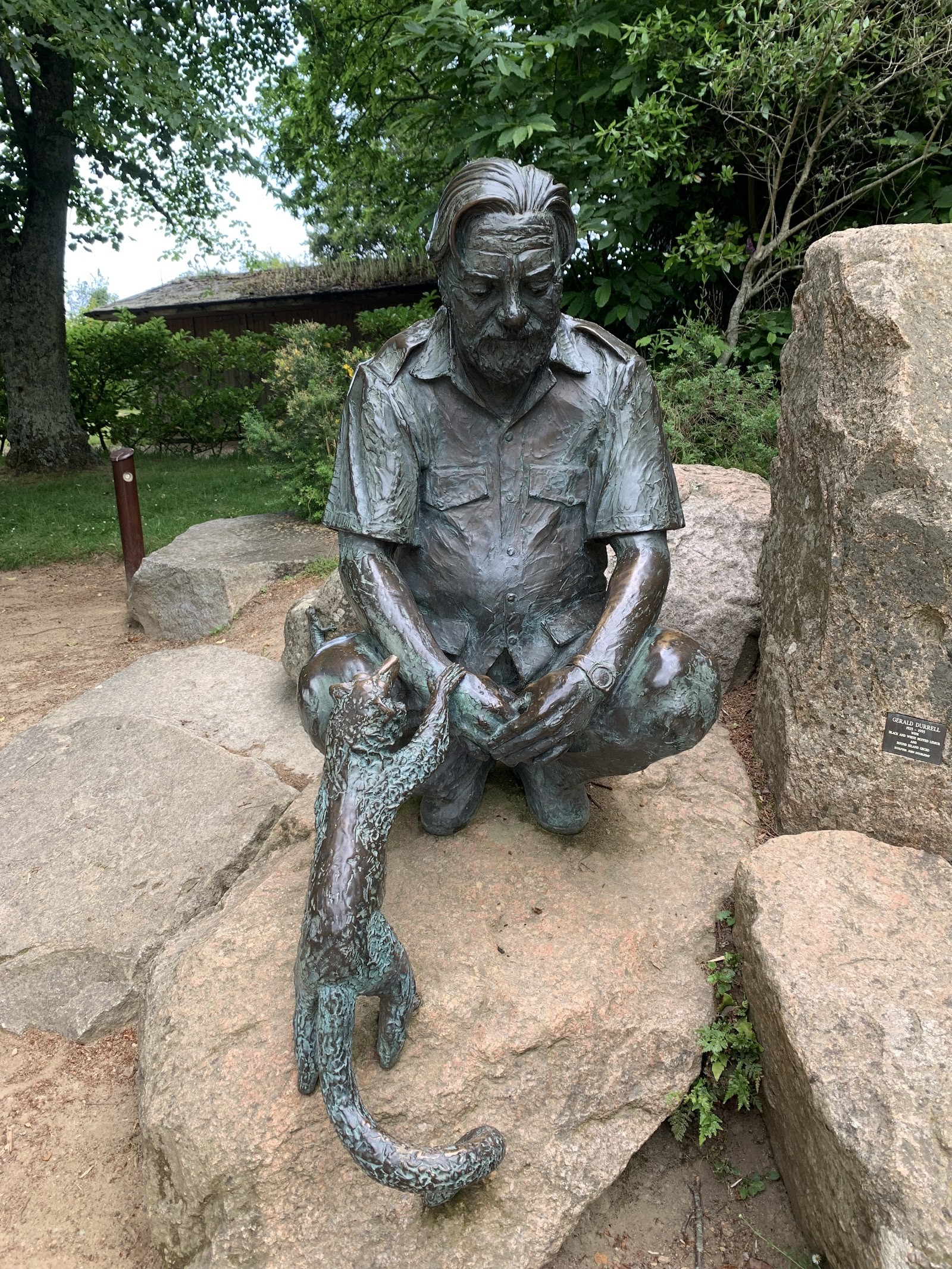
To view Jersey Zoo simply as an animal park is to miss the entire foundation upon which it was built. The charity that operates the park—the Durrell Wildlife Conservation Trust—was founded by Gerald Durrell with an explicit mandate: to save species from extinction using science-led strategies. Operating with HRH The Princess Royal as its long-standing Patron, the trust functions as a charity registered both locally in Jersey and in the United Kingdom.
Gerald Durrell pioneered the radical concept that modern zoological collections must serve as rescue stations and breeding reservoirs for species that have lost their foothold in their native landscapes. Under this framework, every animal housed at Trinity represents a wider population management objective. When you observe a troop of primates or a rare flock of waterfowl on the grounds, you are viewing living genetic safeguards whose descendants may eventually be reintroduced into restored wild landscapes.
The global reach of the trust stretches far beyond the waters of the English Channel. Durrell manages long-term field conservation and ecosystem recovery projects across several critical biodiversity hotspots worldwide:
- Madagascar: Working alongside local communities to protect critically endangered lemurs, tortoises, and freshwater wetlands, focusing on safeguarding nature-dependent human livelihoods while keeping unique evolutionary lineages alive.
- Mauritius: Carrying forward decades of intensive species recovery programmes that have famously pulled native birds and reptiles back from the absolute brink of total extinction.
- India: Leading grassland restoration projects designed to revive delicate alluvial plains and safeguard specialized wildlife that depends on undisturbed native grasses.
- Brazil: Actively rewilding patches of the fragmented Atlantic Forest, with a specific focus on reconnecting forest corridors to protect threatened species such as the black lion tamarin.
- Scotland: Participating in comprehensive rewilding initiatives across estate land in the Cairngorms National Park, helping restore native woodland dynamics and ecological resilience in the Scottish Highlands.
- Jersey: Leading vital local ecological interventions, including targeted recovery programmes for island species such as the red-billed chough and the fragile agile frog.
This holistic approach means that every visitor entry ticket, gift shop purchase, or membership directly underwrites practical fieldwork, anti-poaching initiatives, habitat restoration, and post-release monitoring on multiple continents.
The Durrell Conservation Academy and On-Site Education
A distinctive feature of the Trinity estate that sets it apart from typical visitor attractions is the Durrell Conservation Academy. Gerald Durrell believed passionately that saving global biodiversity required training passionate local conservationists in the countries where endangered species actually live. Rather than keeping expertise locked in European institutions, the academy provides accredited training courses, structured scholarships, and hands-on internships to conservation professionals, field biologists, and students from all over the world.
While the academic teaching suites and lecture halls are reserved for course participants, the ethos of the academy permeates the entire public park. The interpretive signs you see throughout the 32 acres do not simply list animal diets and geographic ranges; they explain the specific biological bottlenecks preventing wild populations from thriving, such as invasive predators, habitat fragmentation, and disease. For families and students, this transforms an afternoon walk into a hands-on seminar in conservation biology, demonstrating that saving a species requires careful genetics, long-term habitat management, and community collaboration.
If you are keen to support the trust beyond admissions, the Durrell Charity Shop provides an excellent stop. Located right within the main Jersey Zoo car park adjacent to the Durrell Wildlife Camp, the charity shop operates under the banner of "Reuse, Recycle, Rewild." Open seven days a week from 09:30 to 17:00, the shop sells a curated mix of pre-loved items, books, clothing, homeware, and eco-friendly merchandise, alongside hand-crafted items in its dedicated "Upcycled for Durrell" section. It also features a practical drive-thru donation bay running daily between 10:00 and 16:00, with every pound spent or raised funnelling straight back into Durrell’s global mission to prevent extinctions.
Practical Tips for Planning Your Day in Trinity
To get the very most out of your visit to Jersey Zoo and the surrounding countryside, a little advance preparation goes a long way. Consider these practical pointers when sketching out your day:
Timing and Pacing
Give yourself ample time to explore without rushing. Because the park spans 32 acres, an enriching visit typically takes between three and four hours. Arriving shortly after the gates open at 09:30 allows you to experience the park during the quietest morning hours, when many animals are active in their outdoor runs and bird vocalisations are at their peak. Remember the seasonal gate closures—last admission is strictly at 16:00 during the February-to-October window, and 15:00 during the winter months (November through January).
Weather Preparedness
Jersey's climate can be changeable, and because a significant portion of your time will be spent walking along open garden pathways, outdoor paddocks, and tree-lined avenues, coming prepared is essential. Pack a lightweight waterproof layer and wear sturdy, comfortable walking shoes. On wet days, the park’s indoor exhibits, reptile houses, and sheltered pavilions offer welcome refuge while you continue your exploration of cold-blooded species and tropical birds.
Exploring the Wider Trinity Countryside
Trinity is one of Jersey's most picturesque rural districts, characterised by quiet green lanes, agricultural fields, and wooded valleys. If you travel by bicycle using routes 1, 1b, or 3a, you can pair your morning at the zoo with a peaceful pedal through the northern lanes towards the north coast cliffs. The quiet roads make cycling particularly appealing for those looking to experience Jersey’s unhurried rural pace away from the commercial centres.
Connecting with Local Wildlife Efforts
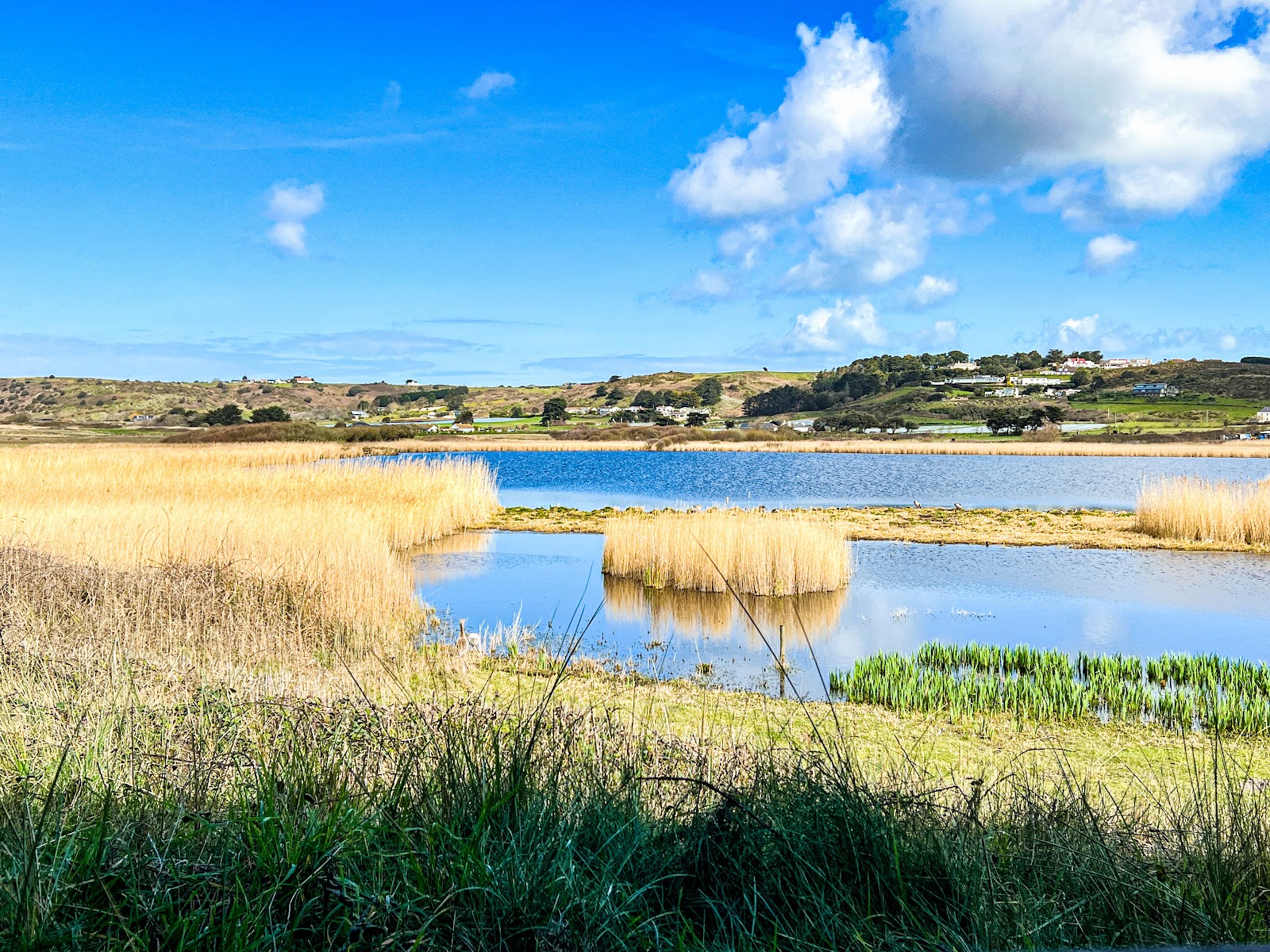
Durrell’s work in Jersey focuses heavily on native fauna such as agile frogs and coastal red-billed choughs. If your visit sparks a broader passion for island ecology, you can easily pair your trip to the zoo with other wildlife reference points around the island. For instance, the Jersey Biodiversity Centre in St Helier works as an essential hub for recording and tracking biological data across terrestrial and marine habitats. Similarly, visiting The National Trust for Jersey Wetland Centre overlooking St Ouen's Pond on the west coast offers a brilliant look at how local reed beds and wetland ecosystems are preserved for resident and migratory wetland birds.
Summary of Key Visitor Details
To assist in planning your schedule, here is a concise summary of practical visitor information for Jersey Zoo:
- Location: La Profonde Rue, Trinity, Jersey, JE3 5BP (approx. 4 miles north of St Helier).
- Summer Hours (Feb–Oct): 09:30–17:00 (last entry 16:00).
- Winter Hours (Nov–Jan): 09:30–16:00 (last entry 15:00).
- Getting There: Bus routes 3, 10, 13, and 23 from Liberation Station; by car via the B31; or by cycle routes 1, 1b, and 3a.
- Parking: Free parking on site for 300+ cars, including dedicated accessible spaces.
- Admissions Enquiries: Phone +44 (0) 1534 860071 or email [email protected].
- On-Site Durrell Charity Shop: Open daily 09:30–17:00 in the main car park (donation drop-off 10:00–16:00).
A Conservation Legacy That Continues to Grow
Visiting Jersey Zoo provides far more than a conventional family outing; it offers direct insight into one of the world's most influential modern conservation philosophies. Gerald Durrell proved that dedicated zoological institutions could reverse population declines and save animals that had slipped past the notice of standard conservation bodies. Today, that legacy thrives across the 32 acres of Trinity's parkland, where international field biologists are trained, critically endangered species find a secure lifeline, and visitors can participate directly in building a healthier, wilder world.
Cover photo: Jersey Zoo
By Alyssa.
Sources and further information
- Durrell Charity Shop | Durrell
- Durrell Wildlife Conservation Trust
- Plan Your Visit to Jersey Zoo | Durrell
- Opening Times at Jersey Zoo | Durrell
- How to get to Jersey Zoo | Durrell
- Durrell Wildlife Conservation Trust
Sources checked: 2026-10-17.