Travel Advice
Taking a Motorhome or Campervan to Jersey: Rules, Permits, and Driving Realities
Updated 31 October 2026
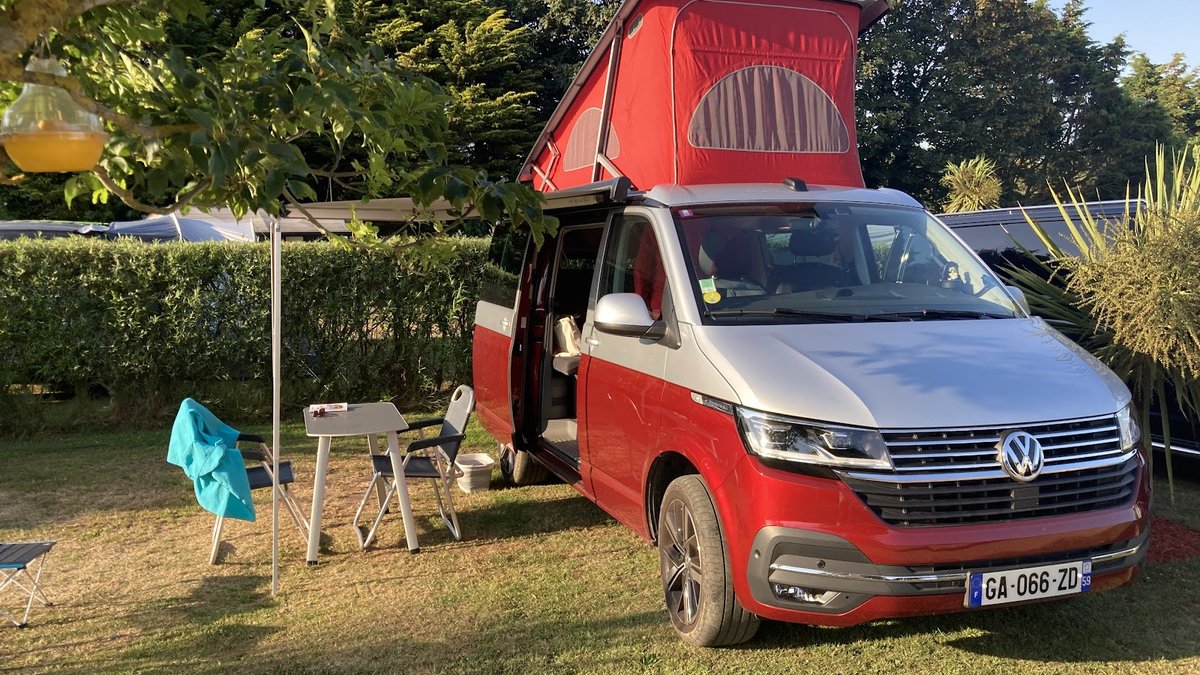
Driving off a ferry with your own living quarters aboard is one of the most appealing ways to visit the Channel Islands. The idea of waking up close to Jersey's coastal bays, wandering along sheltered sandy coves, and exploring rural parishes at your own pace sounds wonderfully relaxing. However, if you are considering taking a campervan to Jersey, it is essential to recognise that the island operates under very different motoring and accommodation laws from mainland Britain or continental Europe. Jersey is a compact island with an ancient road network, narrow rural lanes, and strict statutory controls governing leisure vehicles.
Before you pack your bags and book ferry tickets across the water, you need a firm grasp of the island's legal requirements. There are specific size limits, strict rules against wild camping, mandatory registered campsite stays, and unique road regulations governing how motorhomes and towed caravans move about the island. In this guide, I will walk you through the key regulations, dimension caps, ferry booking procedures, and driving realities so you can plan your trip smoothly and stay fully compliant with island law.
The Legal Framework: Temporary Importation and Stay Limits
Leisure vehicles brought into Jersey—including motorhomes, campervans, touring caravans, folding campers, and trailer tents—fall under the Planning and Building (Caravans) (Jersey) Order 2023. This legislation works alongside Driver and Vehicle Standards (DVS) to oversee vehicle entry, environmental protection, and island accommodation. For visiting holidaymakers, the statutory order provides a system of general permission, which means you do not need to apply for an individual planning permit in advance, provided your vehicle and stay comply with strict legal conditions.
The fundamental condition for visiting vehicles is the stay limit. Anyone bringing a caravan, motorhome, campervan, folding camper, or trailer tent to Jersey can only remain on the island for a maximum of 31 days. This 31-day window begins on the day you disembark at the harbour. You must ensure the vehicle departs the island before this 31-day period expires. Staying longer than 31 days without formal registration and specific planning permissions constitutes an offence under island law.
Because of this clear legal cutoff, your trip must be planned as a temporary holiday with confirmed return travel. If you have questions regarding long-term importation or vehicle status, Driver and Vehicle Standards can be reached by telephone on +44 (0) 1534 448600 or by email at [email protected].
Vehicle Dimension Restrictions and Size Caps
Jersey's geography features historic granite settlements, deeply banked rural lanes, and tight parish intersections. To protect local infrastructure and prevent severe congestion, the Government of Jersey enforces rigid vehicle dimension caps. These dimensions are not advisory guidelines; they are legal thresholds that authorities and ferry operators monitor closely.
Motorhome and Campervan Maximum Dimensions
If you drive a self-propelled leisure vehicle, whether a compact campervan conversion or a larger coachbuilt motorhome, the statutory limit is straightforward:
- Maximum length: 9.3 metres overall. Any motorhome or campervan measuring over 9.3 metres cannot legally enter the island under standard visitor provisions.
Towed Caravan and Trailer Dimensions
If you plan on taking a caravan to Jersey, or bringing a trailer tent or folding camper, the dimension caps are divided between the living unit and the towing combination:
- Maximum caravan body length: 6.7 metres. This measurement applies to the main body of the caravan and explicitly excludes the drawbar, A-frame, or tow hitch.
- Maximum combined outfit length: 16.5 metres. This cap covers the entire combination of the towing vehicle and the caravan or trailer, including any front or rear projections such as bike racks or bumpers.
- Maximum width: 2.3 metres. This 2.3-metre limit applies to the caravan or trailer and the towing vehicle, including any fixtures or attachments fitted to the vehicle. However, it excludes side mirrors and indicator lights.
It is vital to measure your vehicle carefully before confirming any bookings. Do not rely solely on internal model names or generic brochures, which often reflect internal floor space rather than overall external measurements. Ensure that all exterior fittings, rear accessories, and ladders fall within these legal boundaries.
Strict Prohibitions on Wild Camping and Overnight Parking
One of the most critical aspects of visiting Jersey with a leisure vehicle is understanding that wild camping, boondocking, or informal roadside overnighting is strictly illegal across the entire island. You cannot pull up in a coastal car park, roadside layby, or beach slipway and sleep in your vehicle.
Under Jersey law, campervans, motorhomes, caravans, folding campers, and trailer tents cannot be used as overnight sleeping accommodation anywhere on the island unless they are stationed at an officially designated, registered campsite. Even a single night spent sleeping in your vehicle outside a registered site constitutes a violation of planning regulations.
The law does make provision for parking a motorhome on private land under specific circumstances. A visiting motorhome may be stationed on private property that is not a registered campsite, provided it is kept out of public view with the advance knowledge and consent of the landowner. For instance, if you are visiting friends or family and park your campervan out of sight on their private driveway, you may do so. However, the vehicle still cannot be used for human habitation or overnight sleeping. Anyone staying at a private address must sleep inside a permanent residential dwelling or other authorised tourist accommodation, rather than inside the vehicle.
Additionally, vehicles in transit between the UK and France that are not staying in Jersey overnight are permitted to drive on island roads during the day. However, if transit requires an overnight stop, you must either secure a pitch on a registered campsite or arrange separate off-vehicle accommodation.
Road Mobility: Motorhomes vs Towed Caravans
A major distinction in Jersey law concerns how much you are actually allowed to drive once you disembark at the harbour in St Helier.
Motorhome and Campervan Driving Privileges
Motorhomes and campervans are allowed to travel on Jersey's public roads during the daytime. You can use your vehicle to drive between different bays, heritage sights, and towns. The statutory requirement is that if the motorhome is being used as your overnight accommodation, it must return to a registered campsite each night. You cannot leave the vehicle parked up overnight in public bays or car parks.
Caravan and Trailer Movement Restrictions
If you bring a towed caravan, folding camper, or trailer tent, your road mobility is severely restricted. Towed holiday accommodation is not permitted to tour the island. Under the temporary importation order, a towed caravan is legally permitted only two journeys on Jersey's public roads:
- One journey directly from the port of arrival to your registered campsite.
- One journey directly from the registered campsite back to the port on the day of departure.
Once your caravan arrives at the campsite, it must stay unhitched and pitched on site for the entirety of your holiday. You are free to explore the island in your uncoupled towing car, but the caravan itself cannot be moved from site to site or towed to day destinations.
Official Registered Campsites in Jersey
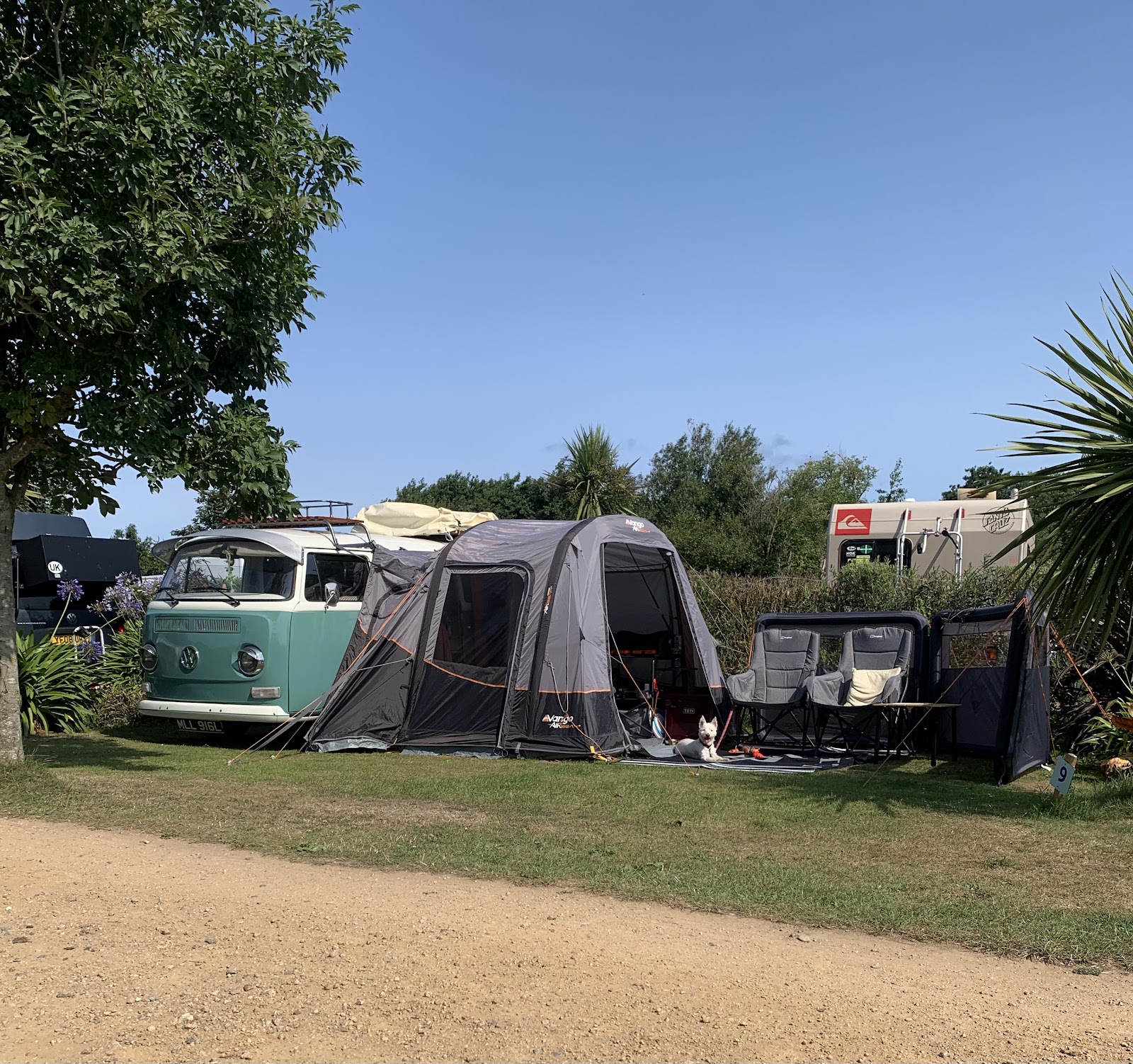
Because staying at an authorised site is a legal prerequisite for using your vehicle as accommodation, securing your campsite booking must be your very first step—even before booking your ferry. You must stay on a registered campsite for the duration of your visit.
The Government of Jersey recognises a specific list of registered campsites authorised to accommodate visiting leisure vehicles, caravans, and tents:
- Beuvelande Campsite: Located in the eastern countryside, contactable via email at [email protected] or by telephone at +44 (0)1534 853575.
- Hideaway Motorhome and Caravan Stopover: Available via Pitchup, contactable by email at [email protected] or by phone at +44 (0)1534 759082.
- Jersey Accommodation and Activity Centre: Contactable by email at [email protected] or by phone at +44 (0)1534 498636.
- Rozel Camping Park: Situated near the northeast coast, contactable by email at [email protected] or by telephone at +44 (0)1534 855200.
- The Palms Campsite: Located in the western parish of St Ouen, The Palms Campsite & Oasis Cafe can be reached by email at [email protected] or by telephone at +44 (0)1534 481700.
When booking your pitch, campsites will require your exact vehicle dimensions, including any awnings or attachments. One vital operational point to keep in mind is waste disposal: Jersey campsites do not have drive-over drains for black water sewage. If your motorhome utilizes an integrated black water tank requiring a drive-over ground drain, you will not find compatible emptying grids on the island. Visiting vehicles must rely on removable chemical toilet cassettes that can be emptied by hand at designated disposal stations.
Ferry Crossings and Booking Requirements
Ferries to Jersey operate from southern England—principally Poole and Portsmouth—as well as Saint-Malo in France, managed by Condor Ferries. Because vehicle space on ferry car decks is limited, advance planning is essential when travelling with a larger leisure vehicle.
During the booking process, you must specify the exact length and height of your outfit. On standard online booking engines, automated reservations typically accommodate standard motorhomes up to 7 metres in length. If your motorhome or campervan is longer than 7 metres (up to Jersey's legal cap of 9.3 metres), you cannot book through automated web forms; you must call Condor Ferries directly on 0345 609 1024 to make your reservation with their team.
Deck officers at the ferry ports check dimensions against vehicle manifests. Attempting to board with an outfit that exceeds your declared length or height can result in significant boarding delays or refused travel if vehicle decks are full. Always measure your vehicle with bike racks, luggage boxes, and tow hitches included.
Driving Realities: Navigating Jersey's Roads and Green Lanes
Driving a motorhome through Jersey is an entirely different experience from navigating wide mainland trunk roads or major motorways. The island covers a relatively small area, and its rural road network requires patience, caution, and continuous spatial awareness.
Narrow Country Roads and Granite Walls
Official travel advice highlights that many roads in Jersey are narrow and have limited access. Away from the primary routes around St Helier, rural lanes are often bordered by ancient granite walls, earth banks, and heavy hedgerows. These roadside boundaries leave no margin for error, as there are rarely soft verges or wide shoulders. If your vehicle approaches the maximum width limit of 2.3 metres, passing oncoming delivery vans, municipal buses, or agricultural equipment will require you to use passing bays and reverse when necessary.
When driving larger leisure vehicles, it is best to stick to main parish connecting roads whenever possible. Take your time, pull in when passing places appear on your left, and always ensure your mirrors are adjusted to spot close-hanging stonework.
Jersey Green Lanes and Alternative Island Travel
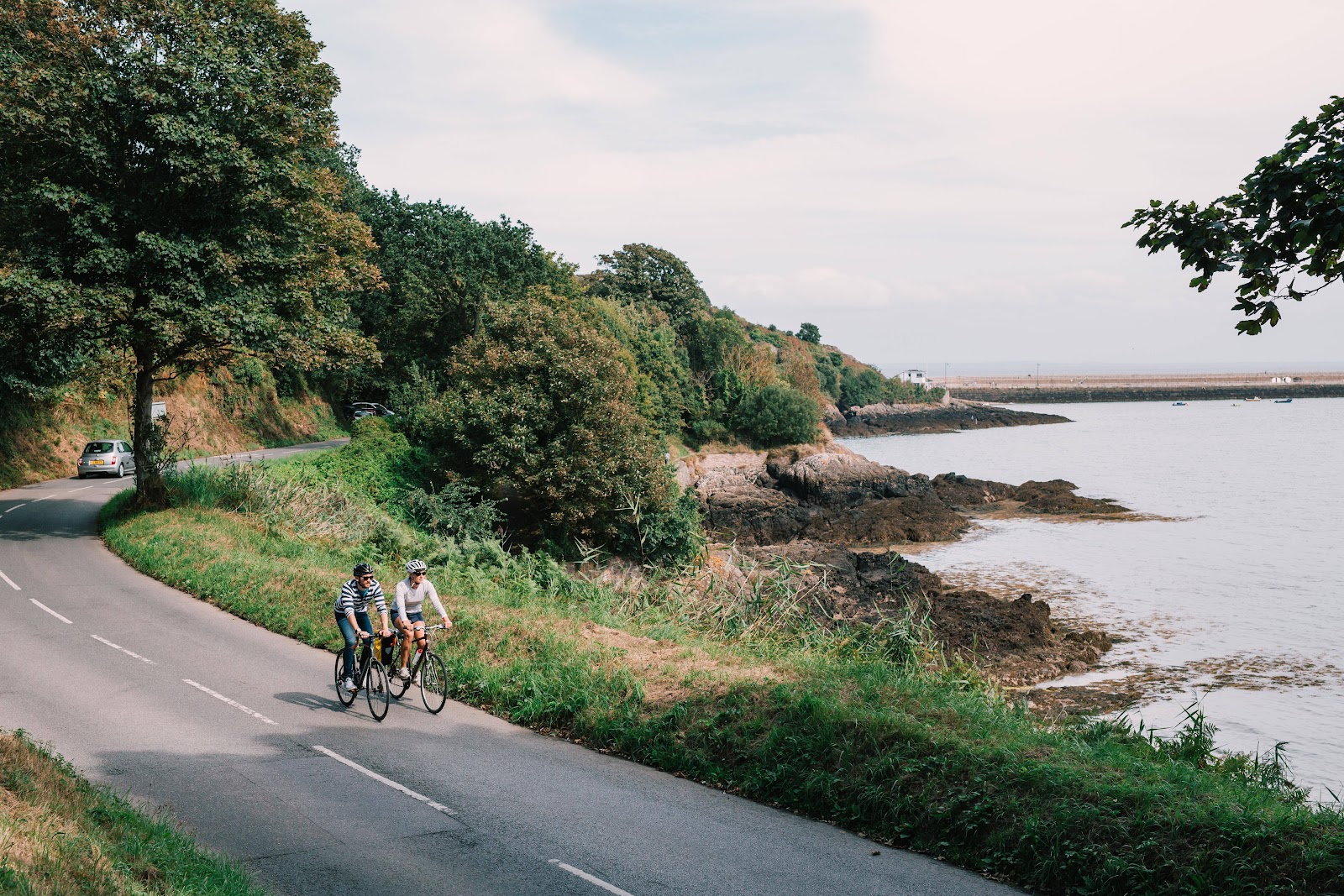
Throughout Jersey’s countryside, you will encounter designated "Green Lanes." These are minor rural roads where traffic is required to slow down and give priority to pedestrians, cyclists, and horse riders. While Green Lanes showcase some of the island's most charming agricultural landscapes, attempting to navigate them in a large motorhome or campervan can be challenging and stressful.
Because maneuvering large vehicles down minor lanes can be demanding, many visitors find it much easier to keep their motorhome parked at their campsite pitch during the day and explore using alternative transport. The island features an extensive bus network connecting parish centres and coastal bays. Cycling is also an exceptional way to explore Jersey's quieter roads. If you prefer to tour the island on two wheels, local providers like Lakeys Bike Hire Jersey in St Helier offer hybrid and electric bicycle rentals that allow you to glide along coastal paths and rural lanes without worrying about vehicle width or narrow turnarounds.
Summary Comparison: Visiting Leisure Vehicle Regulations
To help you check your vehicle's compliance at a glance, here is a summary of the official rules governing leisure vehicles visiting Jersey:
| Vehicle Type | Length Limit | Width Limit | Permitted Road Use | Overnight Sleeping Rules |
|---|---|---|---|---|
| Motorhome / Campervan | 9.3 metres maximum | Standard vehicle limits | Permitted on public roads; must return to site each night | Only at a designated, registered campsite (maximum 31 days) |
| Towed Caravan | 6.7m body / 16.5m combined | 2.3 metres maximum | Direct route from port to campsite, and campsite to port only | Must remain static at a registered campsite (maximum 31 days) |
| Trailer Tent / Folding Camper | 16.5m combined outfit | 2.3 metres maximum | Direct route from port to campsite, and campsite to port only | Must remain static at a registered campsite (maximum 31 days) |
Practical Checklist Before Taking Your Campervan to Jersey
To ensure your trip to Jersey runs smoothly and without regulatory headaches, work through this step-by-step preparation checklist before departure:
- Measure your outfit thoroughly: Confirm the bumper-to-bumper length of your campervan or motorhome is under 9.3 metres. If towing, ensure your caravan body is no longer than 6.7 metres, your combined length does not exceed 16.5 metres, and overall width stays within 2.3 metres.
- Reserve an authorised campsite pitch: Secure your pitch at Beuvelande, Rozel Camping Park, Hideaway Stopover, Jersey Accommodation and Activity Centre, or The Palms Campsite. Keep written proof of your booking with your travel documents.
- Book your ferry crossing: Book through Condor Ferries with accurate vehicle dimensions. If your motorhome is longer than 7 metres, call reservations on 0345 609 1024 to complete the booking.
- Check your onboard sanitation: Ensure your setup uses a portable cassette toilet, as Jersey campsites do not feature drive-over drains for emptying black water sewage tanks.
- Plan your transit route from St Helier: Familiarise yourself with major routes from the ferry terminal to your campsite. If towing a caravan, plan a direct route on primary roads, keeping in mind that you cannot tour the island while towing.
- Prepare for narrow lane driving: Approach rural driving with patience, yield to oncoming traffic in passing places, and consider using local buses or bike hire for day excursions into quiet parish lanes.
By following Jersey's statutory vehicle limits, booking an authorised campsite in advance, and taking a relaxed approach to narrow island driving, bringing your campervan or motorhome across the Channel makes for a truly rewarding holiday experience.
Cover photo: The Palms Campsite & Oasis Cafe - Jacques Pos
By Alyssa.
Sources and further information
- Caravans and motorhomes in Jersey
- Planning and Building (Caravans) (Jersey) Order 2023
- Ferries to Guernsey, Jersey, St Malo And The UK | Condor Ferries
Sources checked: 2026-10-31.