Travel Guides
Taking a Day Trip from Jersey to France: Planning a Ferry Visit to Saint-Malo and Normandy
Updated 28 October 2026
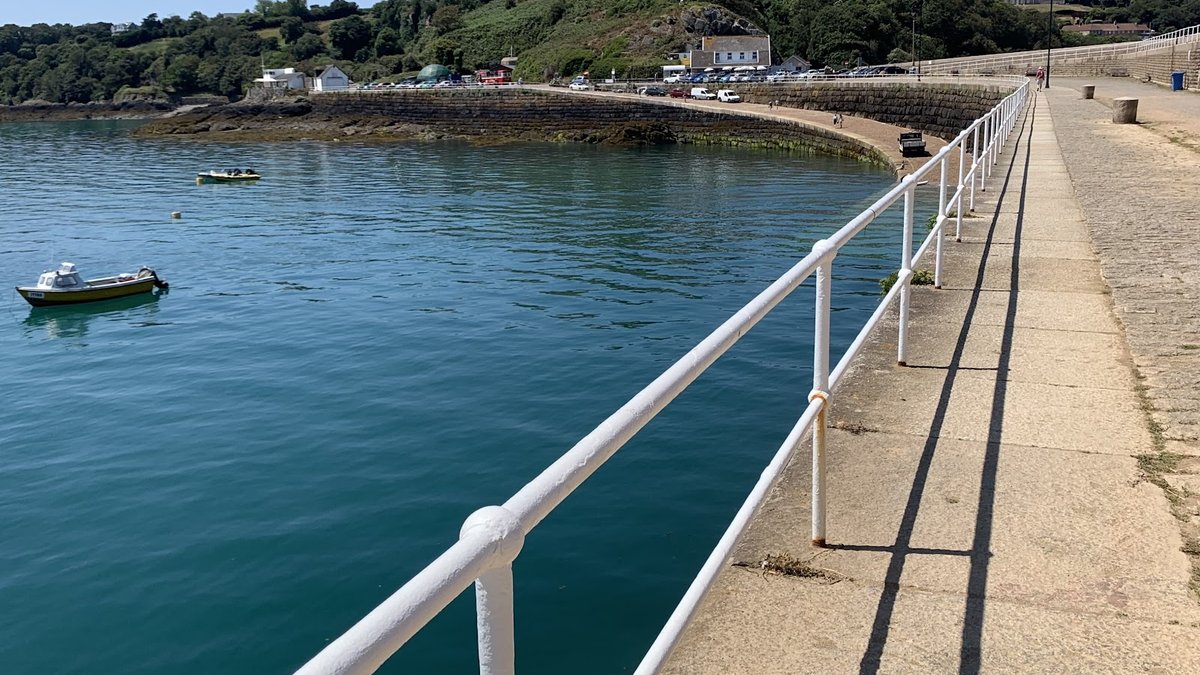
Few island destinations offer the maritime advantages of Jersey. Anchored in the Gulf of Saint-Malo, the island sits just a short distance from the Cotentin Peninsula of Normandy and the granite coast of Brittany. For travellers holidaying in Saint Helier or staying in the coastal parishes, heading across the water for a continental excursion is one of the most appealing journeys available. Whether your aim is to spend an afternoon enjoying seafood in a bustling harbour bistro, wandering along medieval granite ramparts, or browsing a French market, planning a day trip from Jersey to France is remarkably feasible when you understand the maritime links and border formalities.
At the same time, crossing an international maritime boundary demands methodical preparation. France is an EU member state and part of the Schengen area, while Jersey is a British Crown Dependency belonging to the Common Travel Area. A smooth return journey requires navigating ferry check-in cut-offs, checking tidal sailing timetables, and preparing for post-Brexit border procedures such as digital biometric screening. In this guide, I share practical logistical details for organising a day return from Jersey to Saint-Malo and the ports of Normandy.
Ferry Terminals and Jersey Departure Hubs
Your main departure point for a scheduled ferry across the Channel is Saint Helier. The island's primary commercial maritime hub is Elizabeth Ferry Terminal, located on the southern waterfront. Managed by Ports of Jersey, the terminal operates year-round passenger and car ferry services, housing airline-style check-in counters, security screening checkpoints, and passenger departure lounges.
Understanding how cross-Channel operators run their services will keep your journey straightforward. Elizabeth Ferry Terminal is equipped to handle vehicle traffic alongside foot passengers, serving year-round ferry operations. However, if your chosen route connects to Normandy ports via regional French operator Manche Îles Express, note that their vessels operate strictly as a foot-passenger ferry service. They do not ship cars, motorhomes, or commercial vehicles. This operational difference keeps terminal procedures relatively simple for passengers travelling on foot, as there is no vehicle staging or embarkation delay.
While the overwhelming share of scheduled day-return traffic flows through Elizabeth Ferry Terminal, other departure points exist around the island for specialised nautical trips. Small charter boats and fast rigid inflatable boats (RIBs) occasionally leave from harbour pontoons such as Albert Quay in Saint Helier or stone piers along the eastern coast, including St Catherine's Breakwater. Knowing your exact departure berth and terminal requirements well before departure day avoids unwanted morning confusion.
Ferry Crossing Routes to Normandy: Granville, Carteret, and Diélette
Normandy lies directly east of Jersey, offering three distinct mainland gateways reached by regular passenger ferry services. The French regional company Manche Îles Express operates crossings linking Jersey with Granville, Barneville-Carteret, and Diélette. Each of these ports delivers an authentic French coastal atmosphere, distinct from the larger commercial transit ports.
Granville is often considered the most versatile destination for a day return. Positioned on a rocky headland overlooking the bay of Mont Saint-Michel, Granville combines an active fishing harbour with a walled upper town, known locally as the Haute Ville. A day excursion here gives visitors plenty of time to explore pedestrianised shopping lanes, walk along granite fortifications, and enjoy leisurely lunches overlooking the marina docks.
Barneville-Carteret, situated on the western edge of the Cotentin Peninsula, represents the shortest geographical sea link between Jersey and mainland France. The port is celebrated for expansive sandy beaches, quiet waterside bistros, and scenic walks along the coastal cliffs of Cap de Carteret. Diélette, located further north along the rugged peninsula, serves as a tranquil maritime haven for travellers interested in walking the coastal footpaths and exploring quiet Normandy hamlets.
When organising a jersey boat trip to france across these Normandy routes, seasonality and tide cycles are decisive factors. Manche Îles Express runs seasonal services, offering near-daily departures between April and September. However, harbour operations throughout Normandy and the Channel Islands are heavily tidal. Water levels in small coastal ports fluctuate dramatically twice a day, meaning that departure and arrival times shift continuously. On certain dates, tidal tables allow an early morning departure paired with a late afternoon return, providing five or six hours ashore. On other dates, tides allow only an afternoon departure or an inconvenient return slot. Consulting current seasonal timetables before locking in dates is indispensable.
Planning a Crossing to Saint-Malo
For visitors staying in Jersey, Saint-Malo in Brittany remains a quintessential French day out. Renowned for massive granite ramparts, narrow cobblestone alleys, and historic corsair townhouses, the walled city (Intra-Muros) presents a vibrant destination for food lovers, history enthusiasts, and shoppers alike. Prospective foot passengers frequently ask how far from jersey to st malo the route is; the sea journey crosses approximately thirty to forty nautical miles across open waters, making it an ideal destination for a day visit when timetables align.
Travellers researching jersey day trips to st malo frequently enquire about financial planning, including the jersey to st malo day trip cost, current jersey to st malo day trip price, and how much is a day trip from jersey to st malo. Cross-Channel ferry pricing is dynamic rather than fixed. Ticket rates fluctuate based on travel dates, seasonal demand, booking lead time, and cabin or seat availability. Fares during high-summer weekends and school holidays tend to be higher than mid-week shoulder-season sailings, making advance reservations the best way to secure competitive prices.
Because sailing rotations vary throughout the year, those planning a Saint-Malo excursion should verify schedule availability directly with terminal operators at Elizabeth Ferry Terminal. A practical day return requires an early morning sailing outbound from Jersey and an evening return from Brittany. When seasonal rosters or maintenance periods limit crossings to single daily departures, an overnight stay becomes a more sensible choice than a rushed same-day excursion.
Alternative Sea Excursions: Fast RIBs to Normandy and Chausey
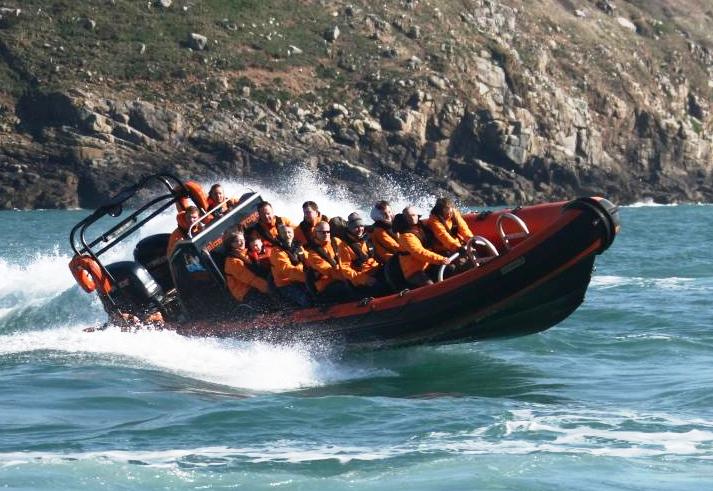
Standard passenger ferries are not the only way to experience a jersey boat trips to france adventure. For a faster, open-air perspective on the waters separating Jersey from the French mainland, small-boat charters offer tailored day itineraries.
One established local operator is Island RIB Voyages, which operates 12-seater rigid inflatable boats from departure spots including Albert Quay (Pontoon No 5) in Saint Helier and St Catherine's Breakwater. Alongside wildlife safaris and excursions to offshore reefs such as Les Écréhous and Les Minquiers, they run targeted coastal trips to French destinations, including Carteret on the Cotentin coast and the Chausey archipelago. The Îles Chausey—a granite island chain situated south of Jersey that forms part of Normandy—provide a remarkable day trip destination featuring pristine beaches, extreme tidal variations, and dramatic marine scenery.
Travelling by high-speed RIB is an outdoor adventure where passengers are exposed to sea spray and sea breezes. Operators provide essential protective gear, including lifejackets and waterproof jackets, prior to embarkation. Because these trips depend heavily on calm seas and favourable marine weather, they are best suited to mobile travellers looking for an active, unusual alternative to commercial ferry lounges.
Passport Rules, Schengen Border Controls, and EES
Boarding a ferry from Jersey to France represents an international crossing into the European Union and the Schengen area. Even on a short day return, passengers are subject to full border control checks upon arrival in French ports.
If you hold a British passport, including a Jersey-variant British passport, your travel document must meet two distinct rules set out under the Schengen Border Code:
- Issue Date Requirement: Your passport must have been issued within the last 10 years on the date you arrive in France. If your passport was renewed with extra validity months carried over beyond ten years, the French border police will calculate validity strictly from the initial date of issue.
- Remaining Validity: Your passport must retain at least three months of validity remaining beyond your intended date of departure from the Schengen area.
British citizens do not need a visa for tourist trips or short visits, provided total time spent within the Schengen area does not exceed 90 days within any 180-day window. However, border inspection procedures have transitioned into modern digital systems. Under the EU Entry and Exit System (EES), introduced on 12 October 2025, non-EU nationals travelling on short stays—including British passport holders—must register biometric data at the border. When entering a French ferry terminal, you will be required to scan your fingerprints and have a digital photograph taken. Registration is free of charge and replaces the traditional practice of manually stamping physical passport pages.
A separate reciprocal rule applies in reverse. French nationals visiting Jersey on a direct day-return trip operated by a commercial ferry carrier under an official Memorandum of Understanding with Jersey Immigration may enter the island using a valid French national identity card instead of a passport. However, this exception is strictly limited to French citizens visiting Jersey for the day; British travellers crossing to France must carry their valid British passport.
Harbour Logistics: Terminal Check-In, Cut-Offs, and Luggage
Planning the timings of a day return requires discipline around port check-in windows. Ferry terminals handle customs processing, baggage screening, and passenger manifest compliance, which cannot be compressed into last-minute arrivals.
When sailing with Manche Îles Express as a foot passenger, you must present yourself at the terminal check-in desk at least 90 minutes prior to scheduled departure. This timing allows port agents to verify travel documents, print boarding cards, and compile mandatory maritime safety records. Under European safety directives, passenger shipping companies are required to submit full passenger manifests—including legal names, dates of birth, nationality, and passport details—to border and maritime authorities before departure.
Terminal staff enforce strict cut-offs. Any passenger who arrives at the check-in desk less than 40 minutes before departure will be refused boarding, with no entitlement to fare refunds or alternate crossings. Arriving early ensures you clear security calmly and proceed smoothly to the embarkation lounge.
Luggage and equipment allowances for foot passengers are practical, though subject to clear conditions:
- Baggage Limits: Foot passengers on Manche Îles Express receive a baggage allowance of 20 kg per person. All bags must carry tags displaying the traveller's name and destination.
- Bicycle Transport: Bringing a bicycle allows you to explore Normandy coastal roads independently. Manche Îles Express accommodates standard and electric bicycles, up to a strict vessel limit of 9 bicycles per sailing. Bicycles carry a charge of €44 each and must be booked in advance. Note that tandems, bike trailers, and electric kick-scooters are not permitted on board.
- Prohibited Items: Dangerous items and weapons of all kinds, including knives, are strictly banned from passenger baggage and personal carry-on items.
- Pets: Domestic pets are not permitted on board Manche Îles Express passenger services, so day-trippers must leave dogs and other animals in Jersey.
On-the-Ground Day Trip Practicalities: Time Zones, Currency, and Pacing
To get the most out of your time in France, several everyday details require careful attention. The most fundamental is the clock. France operates on Central European Time (CET/CEST), which is one hour ahead of Jersey. Ferry departure schedules indicate local times at each respective port. Failing to account for this one-hour time shift can easily cause travellers to miss afternoon return check-ins.
Managing currency is equally straightforward once you know the local conventions. In France, all transactions require euros (€). Back in the Channel Islands, euros are not accepted in shops or restaurants, where trade is conducted in British pounds or local Jersey and Guernsey currency. While Manche Îles Express ships accept both pounds and euros alongside payment cards at on-board snack bars and duty-free shops, there is no foreign exchange counter on the vessel. Travellers should carry a payment card that does not levy foreign transaction fees or withdraw a modest supply of euros from an ATM upon disembarkation.
A typical same-day return affords four to seven hours of leisure time ashore, depending on tidal constraints. In destinations like Saint-Malo or Granville, that allows comfortable time to walk through historic streets, enjoy a multi-course lunch, and visit local shops. Trying to travel far inland on local regional transport during a short day trip introduces unnecessary timing risks. Focus on the port town itself, establish where the terminal is relative to the historic centre, and set a phone alarm aligned with French local time to ensure you return for check-in comfortably ahead of the cut-off.
Route Comparison: Jersey to French Ports
The table below summarizes the key operational characteristics of day trips from Jersey to nearby French ports:
| Port of Arrival | Primary Ferry Operator | Passenger & Cargo Modes | Seasonal Schedules | Check-In Requirements |
|---|---|---|---|---|
| Granville (Normandy) | Manche Îles Express | Foot passengers only; up to 9 bicycles per vessel | Seasonal sailings (April to September); schedules dictated by tides | Check in 90 mins prior; strict cut-off 40 mins before departure |
| Barneville-Carteret (Normandy) | Manche Îles Express / Island RIB Voyages | Foot passengers (ferry) or 12-seater RIB charter | Seasonal departures governed by local tides and sea conditions | Check in 90 mins prior (ferry); advance staging required for RIBs |
| Diélette (Normandy) | Manche Îles Express | Foot passengers only | Seasonal service; sailing times depend on tidal water depths | Check in 90 mins prior; strict cut-off 40 mins before departure |
| Saint-Malo (Brittany) | Elizabeth Ferry Terminal carriers | Foot passengers and accompanied vehicles | Year-round operations; sailing frequency varies by season | Carrier-specific terminal check-in; passport & EES processing |
Frequently Asked Questions
Can I take my car on a day trip to Normandy with Manche Îles Express?
No. Manche Îles Express operates strictly as a foot-passenger ferry service and does not transport cars, vans, or motorcycles. You can, however, reserve space for a bicycle (standard or electric) for an additional fee of €44, up to the vessel limit of nine bikes. If you need to travel to France with a motor vehicle, you must book through carriers running vehicle services out of Elizabeth Ferry Terminal to Saint-Malo.
What travel documents are required for British citizens crossing from Jersey to France?
British passport holders (including those holding Jersey-variant British passports) must travel with a valid passport. It must have been issued within the past 10 years on the arrival date and retain at least three months of validity beyond your intended departure date from the Schengen area. Under the EU Entry and Exit System (EES) operational since October 2025, travellers must also register biometric fingerprints and a facial image upon arrival in France. Visas are not required for tourist visits of up to 90 days within a 180-day period.
Can French citizens visit Jersey for a day trip using only their identity card?
Yes. Under an agreement between Jersey Immigration and approved commercial ferry operators, French citizens making a direct day-return crossing to Jersey may enter the island using a valid French national identity card instead of a passport. This exemption applies strictly to direct, same-day visits.
Can I purchase duty-free goods on the ferry?
Yes. Manche Îles Express vessels feature on-board duty-free shops carrying spirits, tobacco, cosmetics, and fragrances. Standard allowance limits per adult passenger (aged 17 or over) entering port include 1 litre of spirits over 22% ABV (or 2 litres of fortified or sparkling wine), 16 litres of beer, 200 cigarettes (or 250 g of tobacco), and other goods valued up to €430.
Can I bring my pet on a day trip across to France?
No. Manche Îles Express does not permit pets on board its vessels. Travellers embarking on a day trip to Normandy ports will need to leave domestic animals in Jersey.
Making the Most of Your Cross-Border Adventure
A ferry trip from Jersey to France adds an unforgettable international dimension to any Channel Islands stay. Moving from Jersey's English-speaking, Anglo-Norman atmosphere to the vibrant café terraces of Brittany or the historic stone streets of Normandy highlights the fascinating geographical crossroads this region occupies. By verifying your passport validity, planning around local tides, observing strict harbour check-in cut-offs, and remembering the one-hour continental time difference, you can ensure your cross-border day trip runs smoothly from quayside to quayside.
Cover photo: St Catherine's Breakwater
By Alyssa.
Sources and further information
- FAQ - Manche Iles Express
- Jersey Harbours | Ports of Jersey
- Homepage - Manche Iles express
- Travelling to the EU and Schengen area
- Check what travel documents you need to enter Jersey
- Island RIB Voyages
Sources checked: 2026-10-28.