Things To Do
Best Beaches in Jersey for Swimming and Family Days Out
Updated 25 November 2026
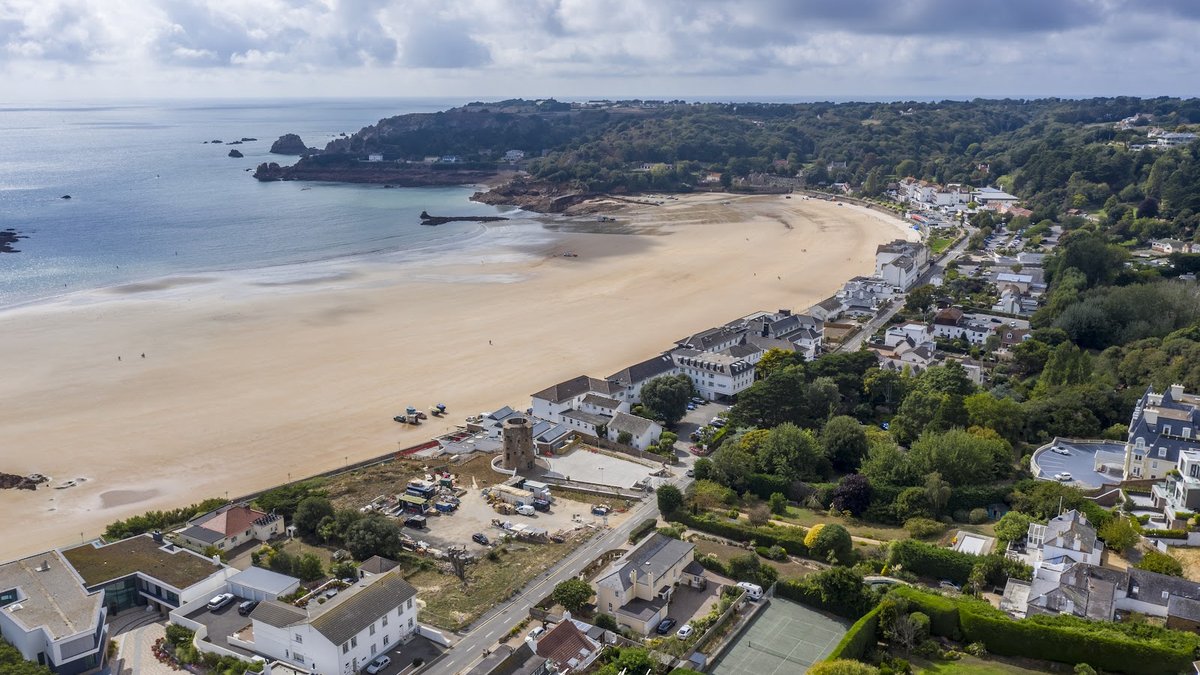
When planning a seaside escape to the Channel Islands, learning how to explore and visit Jersey beaches offers an extraordinary variety of coastal scenery within a remarkably compact island. From broad expanses of fine golden sand tucked along sunlit southern bays to dramatic, cliff-girt coves on the northern shore and windswept western breaks, there is an oceanfront setting to match every type of visitor. Whether you are searching for the best beaches in Jersey for swimming, tranquil spots for a calm dip, or vibrant shores ideal for family days building sandcastles, Jersey delivers some of the most memorable coastal settings in the British Isles. However, enjoying the island's coastline requires a clear understanding of its distinct marine environment, especially Jersey's massive tidal movements, changing water depths, and vital beach safety markers. In this comprehensive guide, I will take you through the premier sandy bays across the island, explain how to read local sea conditions, and offer practical guidance for staying completely safe along the shore.
Understanding Jersey's Dramatic Tides and Sea Hazards
Before you pack your towels and head down to the shoreline, the most vital factor to understand about Jersey's maritime environment is the sheer power and scale of its tides. The coastal water depth around Jersey can shift significantly as tides move up and down the beaches, changing by as much as 10 metres during the course of a single day. A beach that appears to offer an endless plain of dry sand in the early afternoon can be swallowed entirely by incoming waters just a few hours later. When planning a coastal excursion, you must check local tide tables thoroughly before setting out. This dramatic movement creates fantastic opportunities for exploration, but it also demands constant vigilance. Walking around headlands, rock outcrops, or into adjacent coves at low tide poses a major hazard of being rapidly cut off once the tide turns, especially in bays where high cliffs leave no alternative escape route once water cuts off the sand.
Alongside tidal movements, sea temperature is another essential safety consideration for anyone entering the water. Cold water shock is a hazard in UK and Channel Island seas, where average temperatures sit around 12°C. Maritime safety guidance highlights that any water temperature below 15°C is formally defined as cold water, which can seriously affect your breathing and mobility upon immersion. Swimmers entering the sea should acclimate gradually rather than leaping in suddenly, giving the body time to adjust to the temperature and avoiding sudden gasping reflexes.
RNLI Beach Safety: Understanding Warning Flags and Windsocks
To assist beachgoers and maintain safety along popular stretches of coastline, the Royal National Lifeboat Institution (RNLI) provides clear visual signage and flags. Knowing what these beach flags mean is crucial before setting foot on the sand or wading into the shallows. On lifeguarded beaches in Jersey, the red and yellow flags mark the supervised area considered safest for swimming, bodyboarding, and using inflatables. If you are entering the water with children or looking for a leisurely swim, always position yourself directly between these red and yellow markers where lifeguards maintain constant watch.
Conversely, a solid red beach flag signifies extreme danger, indicating that visitors must not enter the sea under any circumstances. When the red flag is raised, hazardous surf, dangerous rip currents, or other severe risks mean entering the water is life-threatening. You will also frequently encounter black and white chequered flags on active watersports beaches; these designate watercraft launch and recovery zones, where swimming and bodyboarding are strictly not permitted. These designated lanes are reserved exclusively for non-powered craft like surfboards, stand-up paddleboards, and kayaks, as well as launching kitesurfers and windsurfers. Finally, beachgoers should always keep an eye out for the orange windsock. Flying an orange windsock warns of offshore or high-wind conditions, meaning inflatables must not be brought into the water under any circumstances, as offshore breezes can rapidly carry buoyant toys and airbeds far out to open sea.
Top Sheltered Bays for Sea Swimming
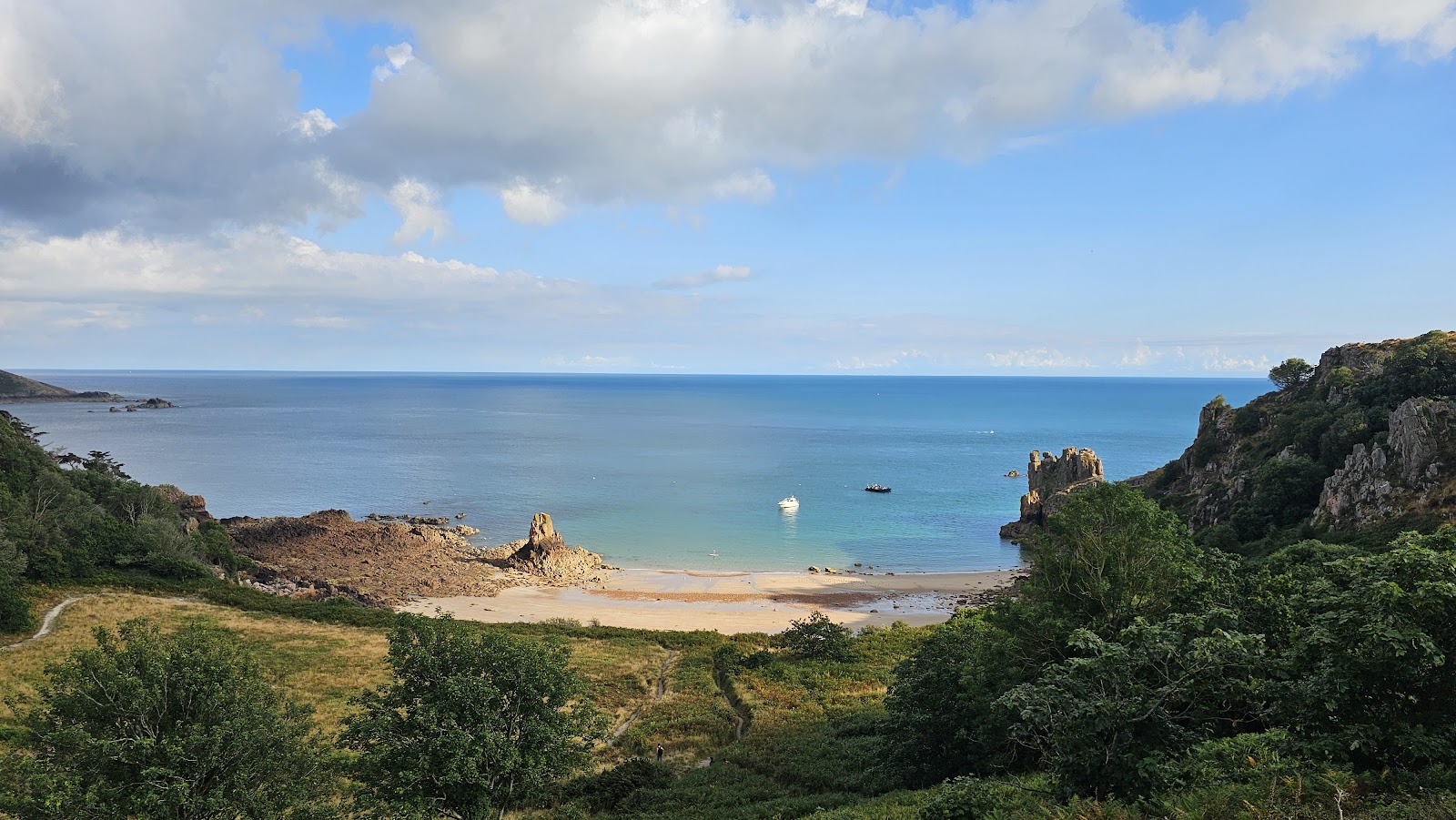
For visitors seeking calm waters and peaceful swimming environments, Jersey boasts several remarkable sheltered coves nestled along its southern and eastern cliffs. One of the island's most charming spots is Beauport Beach, a secluded south-facing bay reached by a steep clifftop path and steps. What makes this hidden gem so special is its natural shelter and crystalline waters, providing superb conditions for swimming and snorkelling. Framed by weather-sculpted granite cliffs clad in pine trees and gorse, the bay acts as a genuine suntrap during the morning and early afternoon, making it a wonderful destination for those who prefer uncrowded, tranquil shores.
Another exceptional swimming location on the southern coast is Portelet Bay. Like Beauport, Portelet Bay is accessed by a steep flight of steps descending from the surrounding clifftop, a physical feature that naturally limits crowds and preserves its serene atmosphere. The bay features sheltered, golden sands, clear waters, and the distinctive islet of Île au Guerdain, topped by the historic Janvrin's Tomb tower. Interestingly, Portelet Bay has been designated as a marine No Take Zone, prohibiting all forms of fishing to allow marine life to flourish naturally and support scientific research, ensuring that swimmers and snorkellers encounter vibrant, undisturbed underwater scenery.
On Jersey's north-east coast, Anne Port Beach offers another delightful haven for bathing enthusiasts. Tucked between Gorey and St Catherine, this picturesque east-facing cove features a gentle gradient providing safe swimming across all states of the tide. Sheltered from dominant westerly winds, Anne Port reveals fine sand along the lower shoreline as the tide recedes, creating a calm, quiet alternative to the busier resort hubs.
Premier Sandy Shores for Family Days Out
For family days out, St. Brelade's Bay Beach is an ideal south-facing choice, offering golden sand, safe swimming conditions, and low-tide rockpools alongside practical amenities.
Bordering it across the sand at low tide is Ouaisne Bay. Visitors can walk between the two shores at low water, though almost all of Ouaisne's beach is submerged at high tide.
On the north-west coast, Greve de Lecq provides a sheltered sandy cove between high cliffs, noted for calm waters and family rock pooling.
The Atlantic West Coast: Surfing and Big Sands
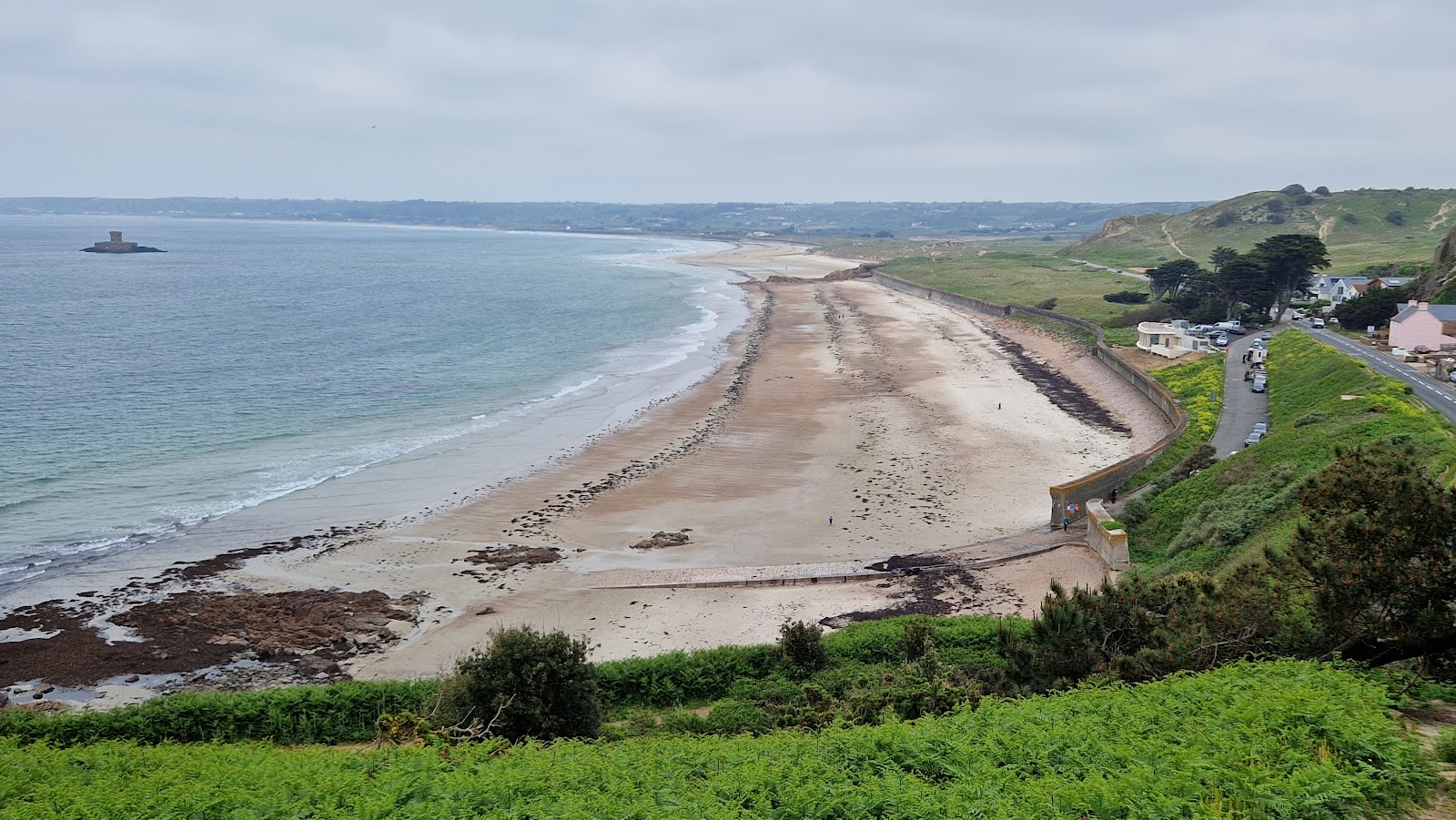
In contrast to the intimate, cliff-framed coves of the south and north coasts, St Ouen's Bay stretches along Jersey's entire western coastline, earning the nickname 'The Five Mile Road'. This vast expanse of open sand is Jersey's primary destination for surfing, drawing wave riders from across Europe thanks to its consistent Atlantic swells. The tremendous scale of St Ouen's Bay means it rarely feels overcrowded, even during bright midsummer weekends.
Because St Ouen's Bay faces the open Atlantic, it experiences far more wave energy and oceanic movement than Jersey's sheltered bays. Here, watercraft zones and bathing sectors are strictly designated. Surfers, kayakers, and paddleboarders must utilise the areas demarcated by black and white chequered flags, ensuring that board sports remain safely segregated from swimmers. For general bathers, swimming at St Ouen's Bay should be confined strictly to lifeguarded red and yellow flag zones, where safe bathing boundaries are monitored continuously.
Capital Views and Tidal Walks: St. Helier Beach
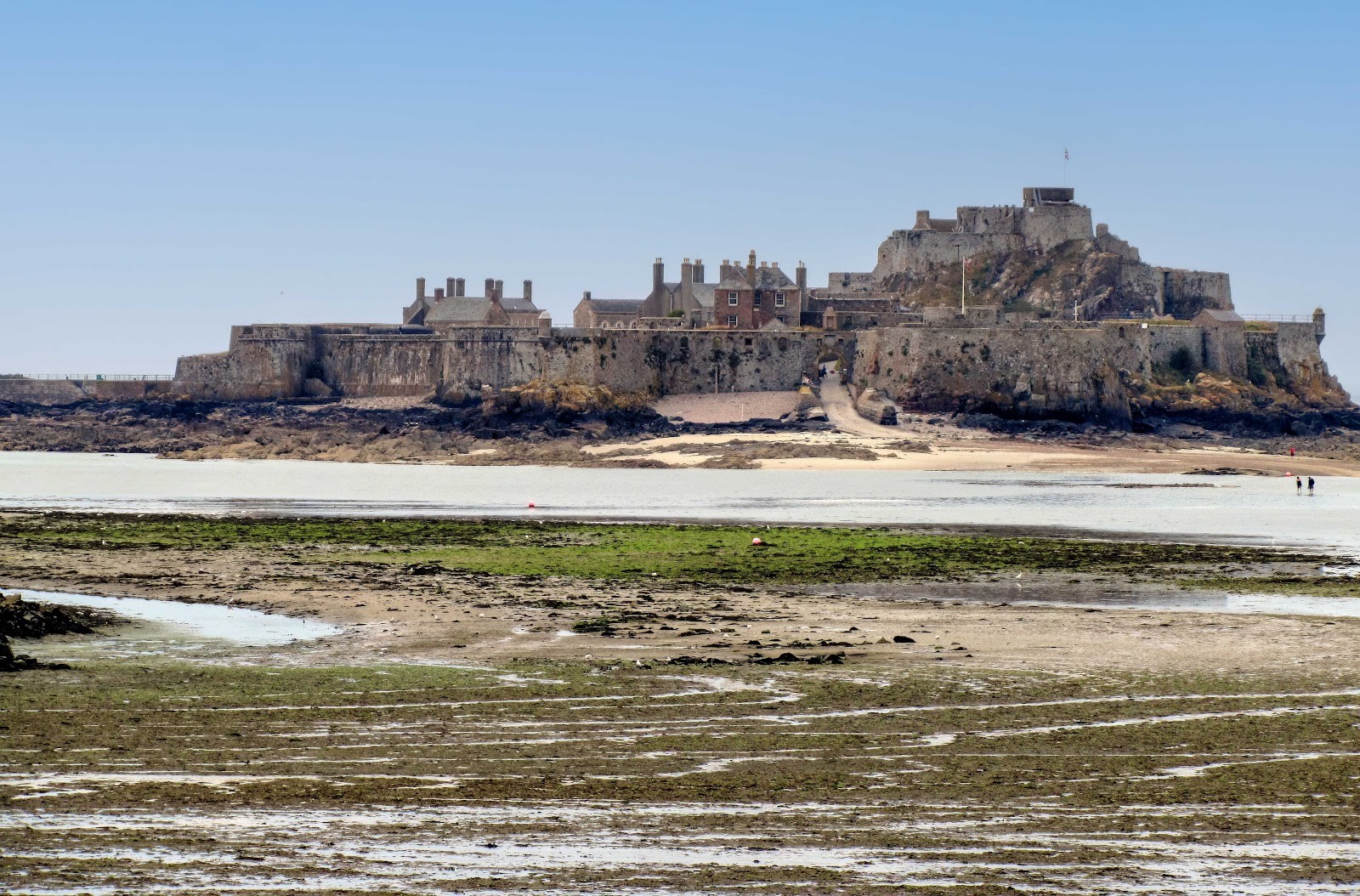
Right on the doorstep of the island's capital, St. Helier Beach along Victoria Avenue provides a wide crescent of soft sand and generally calm waters. This beach forms part of St. Aubin's Bay, offering an accessible coastal retreat combined with fascinating historic interest. The beach looks out directly onto Elizabeth Castle, which sits on a tidal island linked by a walkable causeway at low tide.
Visiting St. Helier Beach allows families and strollers to witness Jersey's dramatic tidal range in action. When the tide retreats, the exposed sands and causeway provide an easy walk out towards the 16th-century fortress, with rock pools scattered across the flats. As the tide returns, the causeway disappears beneath several metres of sea, requiring amphibious ferries to transport visitors between the fortress and the town. It serves as a visual reminder of just how fast Jersey's tides reshape the coastal landscape twice every day.
Exploring the Wild Reefs of La Rocque
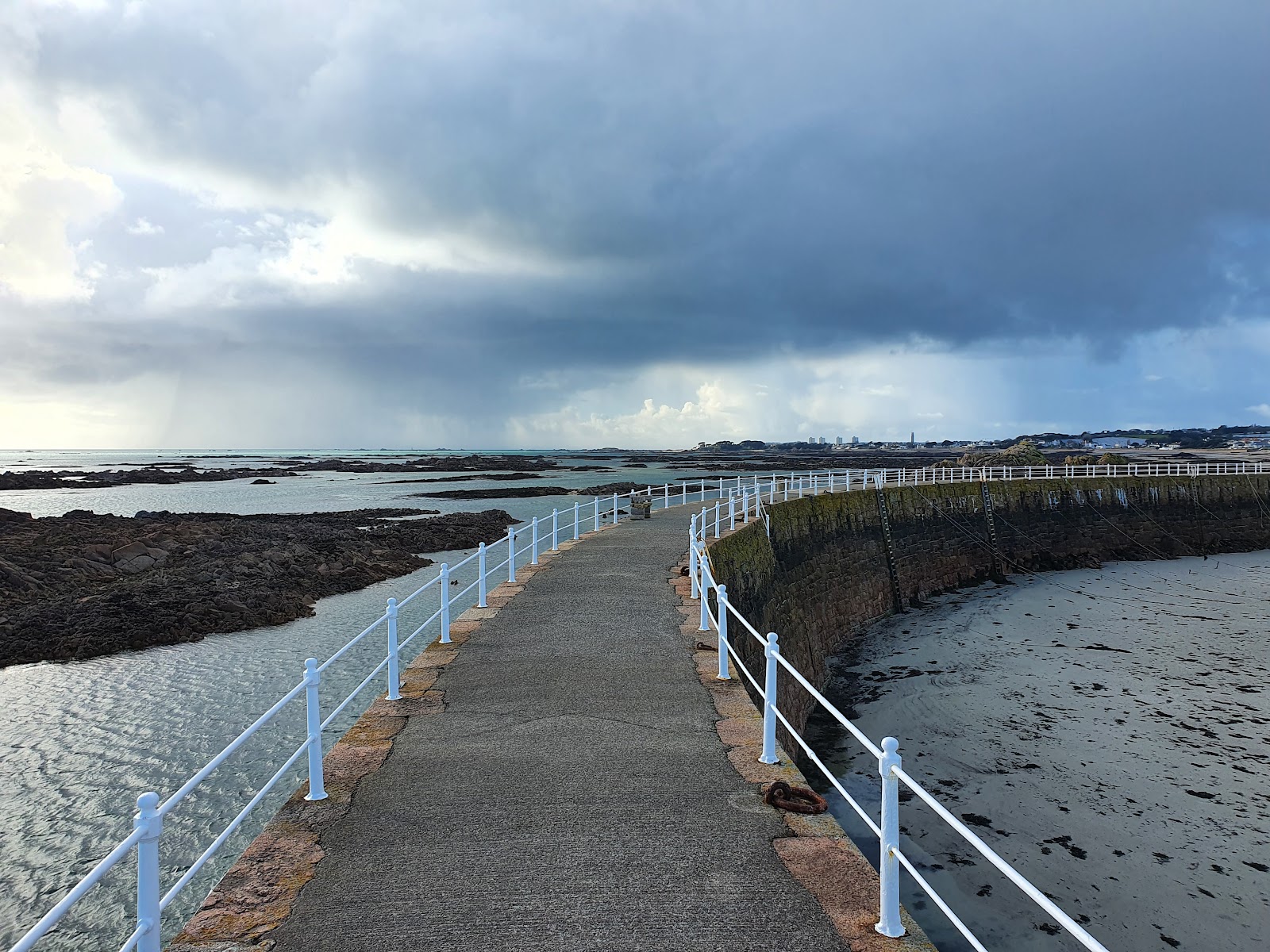
On Jersey's south-eastern corner, La Rocque Harbour offers a dramatically different coastal experience. The area around La Rocque is defined by exceptional tidal changes: at low water, expansive sand flats, rocky gullies, and offshore reefs are exposed across an enormous intertidal zone, revealing a rugged wilderness of rocks and tidal pools.
While La Rocque Harbour is an enchanting spot for rock pooling and seaside strolls along the breakwater, it requires substantial caution. Incoming tides across these flat reefs move remarkably quickly, filling the deep gullies behind you before covering the higher sand banks. Furthermore, the south-eastern coast carries strong currents. Anyone exploring the low-tide reefs around La Rocque must monitor the time constantly and begin heading back to shore well before the incoming tide cuts off return routes to the pier and seawall.
Jersey Beach Comparison Overview
To help you select the ideal coastal destination for your day out, the table below outlines the core characteristics, bathing conditions, and practical safety considerations across Jersey's primary bays:
| Beach / Bay | Coast & Aspect | Primary Appeal | Key Water Safety Considerations |
|---|---|---|---|
| St. Brelade's Bay | South Coast (South-facing) | Golden sands, family swimming, rockpools, promenade amenities. | Swim between red & yellow flags; watch tide times at headlands. |
| Ouaisne Bay | South Coast (South-west facing) | Quiet atmosphere, scenic walking, connection to St. Brelade. | Beach is nearly fully submerged at high tide; plan around low water. |
| Beauport Beach | South-west Coast (South-facing) | Secluded natural cove, clear waters, swimming & snorkelling. | Steep path & steps; no beachside facilities; water below 15°C cold shock risk. |
| Portelet Bay | South Coast (South-facing) | Sheltered suntrap, No Take Zone marine life, Île au Guerdain. | Steep flight of steps; fishing prohibited; take care around tidal island. |
| Anne Port Beach | North-east Coast (East-facing) | Tranquil, gentle slope, safe swimming at all tide states. | Cobbled slipway access; check water temperatures before entering. |
| Greve de Lecq | North-west Coast (North-facing) | Sheltered family cove, high cliffs, calm waters, rock pooling. | Enclosed bay; follow seasonal lifeguard advice and signage. |
| St Ouen's Bay | West Coast (West-facing) | Vast surfing beach, Atlantic swells, watersports activity. | Strong waves; obey black & white craft flags; swim only in red/yellow zones. |
| St. Helier Beach | South Coast (St. Aubin's Bay) | Capital promenade, calm bathing, views of Elizabeth Castle. | Causeway to castle is fully submerged at high tide; mind tidal depths. |
| La Rocque Harbour | South-east Coast (South-east facing) | Expansive low-tide reefs, rock pooling, historic breakwater. | Fast-rising tides cut off gullies rapidly; presence of strong currents. |
Essential Practical Tips for Visiting Jersey Beaches
To keep your coastal outings across Jersey safe and enjoyable, keep these essential rules in mind:
- Check tide timetables: Never explore sand flats or headlands without knowing high-water times, as Jersey's coastal depth can alter by as much as 10 metres in a single day.
- Avoid turning headlands late: Walking between adjacent bays or rocky outcrops at low tide risks rapid cutoff when the tide turns.
- Follow RNLI beach flags: Bathe strictly between red and yellow flags, avoid the water when a red flag flies, and keep out of black and white chequered craft zones.
- Heed the orange windsock: Never launch inflatables when the windsock is flying due to offshore or high winds.
- Manage cold water shock: Jersey waters average around 12°C, and anything under 15°C can severely impact breathing and movement.
Cover photo: St. Brelade's Bay Beach
By Alyssa.
Sources and further information
- Tides | RNLI Jersey
- Beach Safety | RNLI Jersey
- St Ouen's Bay
- St. Helier Beach
- Ouaisne Bay
- St. Brelade's Bay Beach
- Anne Port Beach
- La Rocque Harbour
- Greve de Lecq
- Beauport Beach
- Portelet Bay
Sources checked: 2026-11-25.