Activities
Sea Fishing in Jersey: Marks, Bass Fishing, and Boat Charters
Updated 24 November 2026
Jersey offers an extraordinary marine landscape for sea anglers. As the largest of the Channel Islands, its dramatic coastline is shaped by one of the largest tidal ranges in the world, shifting vast bodies of water twice daily over rocky reefs, sandy bays, and steep granite headlands. This dynamic environment sustains a thriving ecosystem teeming with marine life, making jersey channel islands fishing an endlessly fascinating pursuit whether you prefer casting from a pier, wading sprawling rocky flats, or heading offshore on a charter boat. Anglers can expect to encounter an impressive variety of species, from hard-fighting European sea bass and swift shoals of summer mackerel to bream, pollack, rays, and conger eels.
Planning an angling trip to the island requires a blend of local knowledge, careful timing, and keen attention to tidal movements. Because the water moves with such speed and volume, marks that are completely dry at low water transform rapidly into surging channels within a couple of hours. In this guide, I will explore the island's premier shore marks along the rugged north and dynamic south coasts, discuss productive tactics for jersey bass fishing, outline charter excursion options, and highlight the essential safety considerations needed to make the most of jersey sea fishing.
The North Coast: Deep Water, Headlands, and Sheltered Piers
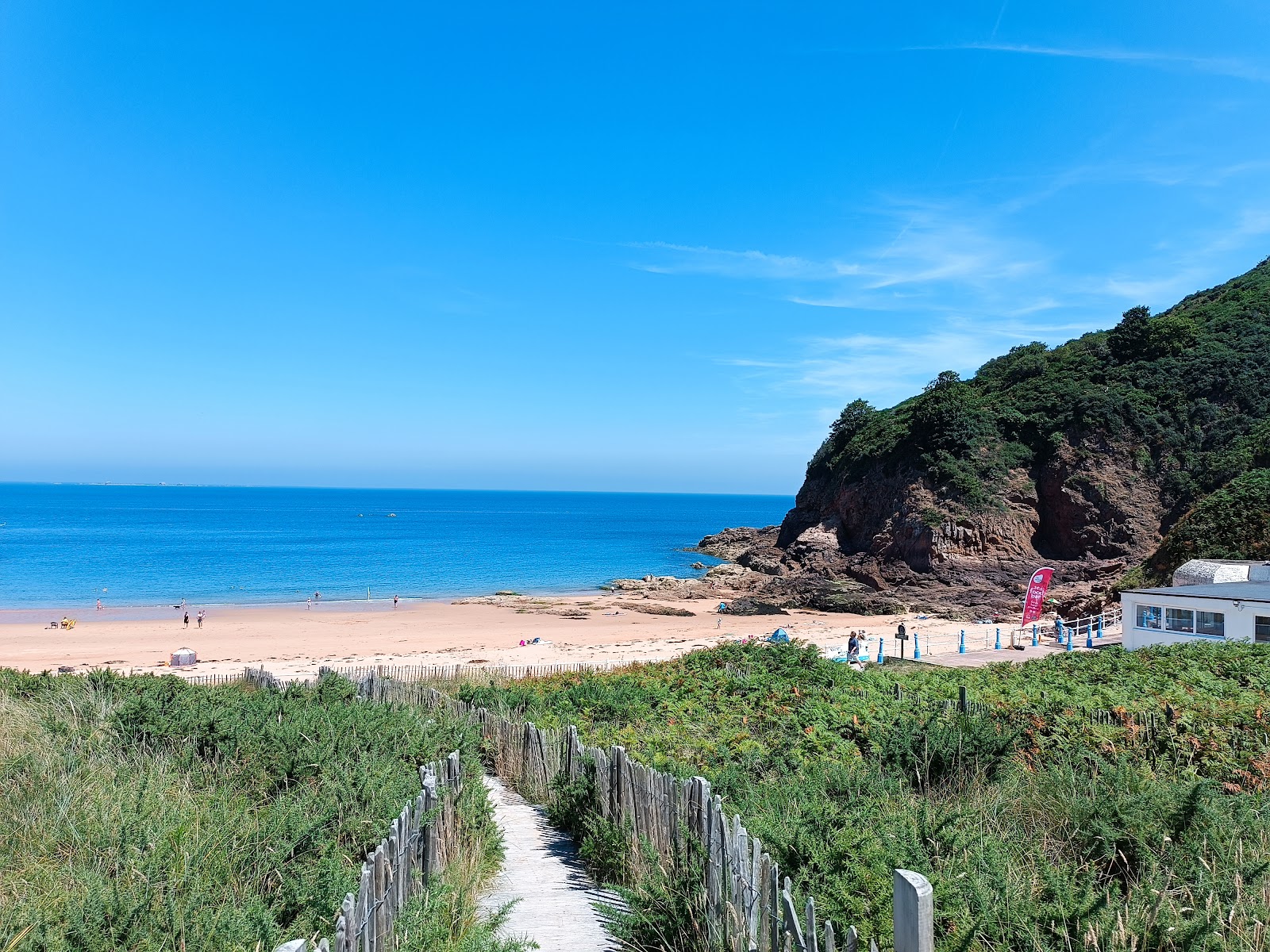
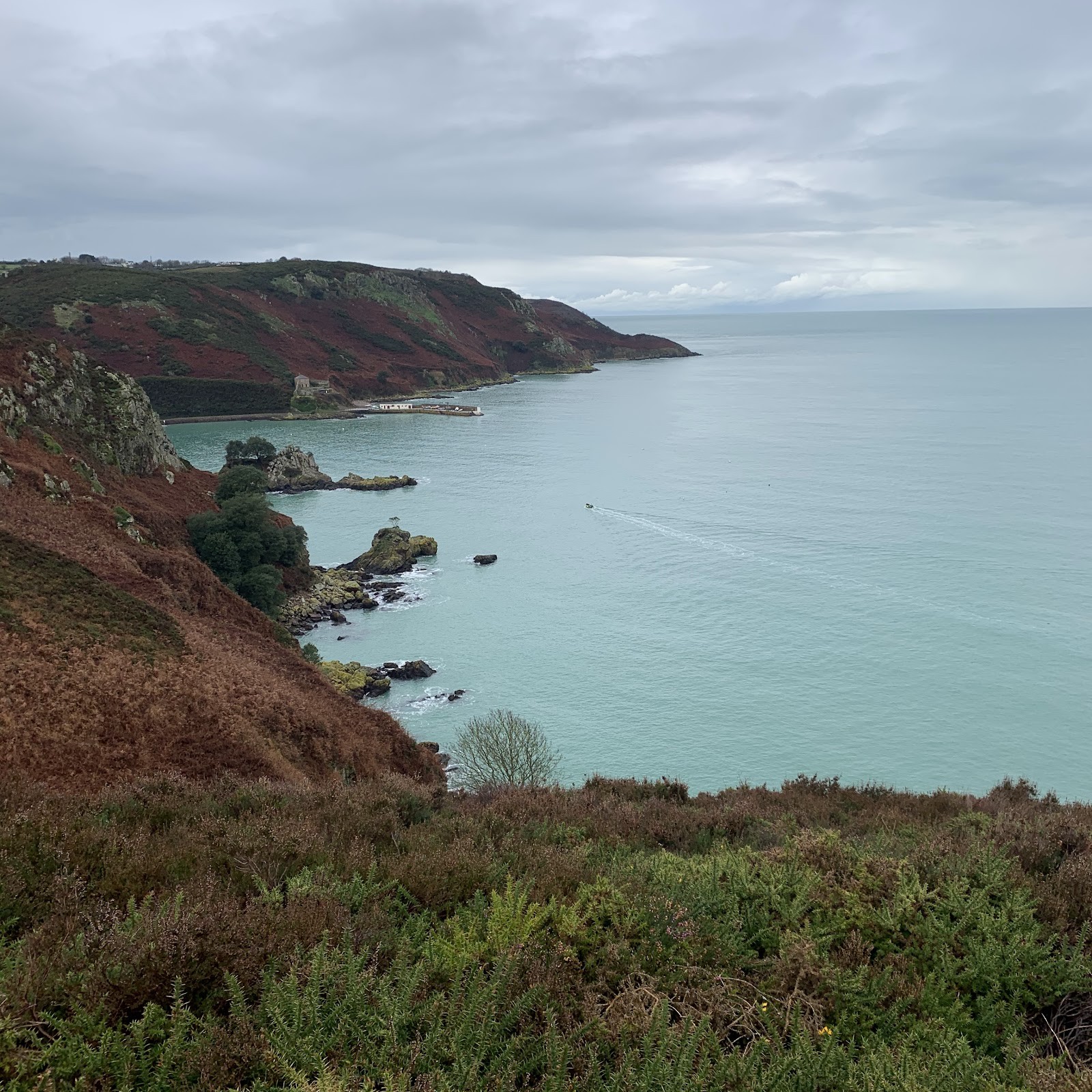
The northern shoreline of Jersey features steep cliffs, deep inshore water, and sheltered coves, providing diverse opportunities when exploring jersey fishing marks.
Grève de Lecq is a popular north-coast venue. Fishing from the pier is concentrated during a four-hour window, two hours before and two hours after high water. Anglers regularly target rays and bass, as well as conger eels, bream, pouting, wrasse, pollack, garfish, mullet, mackerel, sole, plaice, and dogfish. Winter squid can also be jigged beneath the pier lights. At night, bass move close inshore, feeding on large static deadbaits in shallow water if disturbance remains minimal.
Bonne Nuit Bay experiences considerable boat traffic during the day, leading anglers to target rays and bass during the quiet early morning and night hours, when specimen bass feed in shallow water. Bouley Bay pier offers another accessible mark, where anglers target bream, rays, bass, pouting, and mackerel, alongside squid caught with jigs under pier lights during winter.
Rocky Outcrops and Tidal Runs: Sorel Point to Rozel
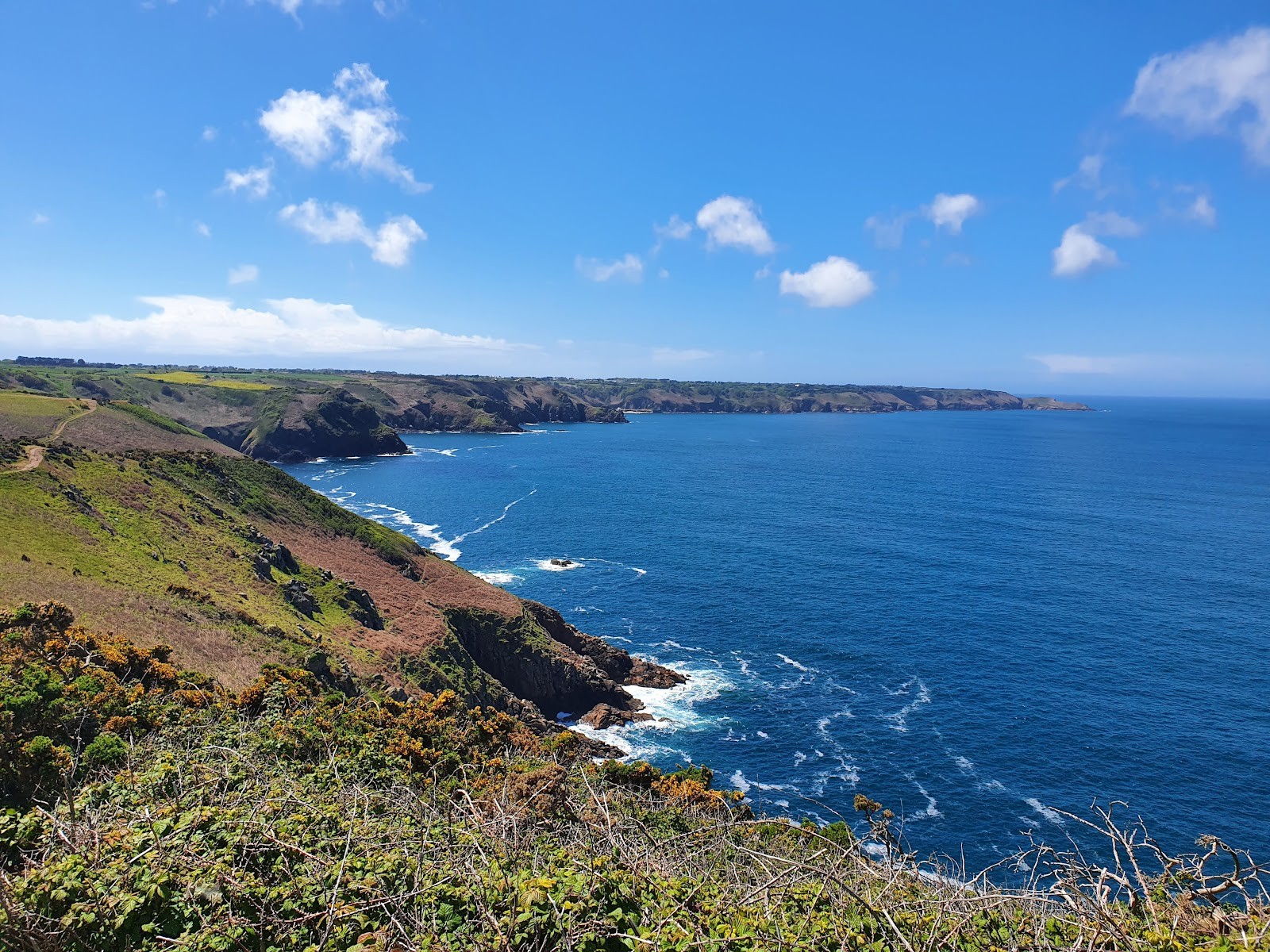
For anglers who enjoy lure casting and spinning in fast-moving water, Jersey's exposed northern promontories deliver exhilarating action. Sorel Point is particularly famous among island anglers for its fierce tidal run, which sweeps past the rocky headland. This powerful current forms an ideal feeding corridor for pelagic predators. Casting shiny spinners or strings of feathers into the fast water and retrieving them quickly is a time-tested method for catching mackerel during the warmer months. In addition to mackerel, predatory pollack and bass actively hunt within the turbulent current at Sorel Point, regularly striking at artificial lures and deep-diving plugs.
Moving eastward, the coastline around Rozel Bay offers further opportunities for mobile lure fishing. To the east of Rozel Bay, the shoreline extends past Le Couperon point toward the adjacent bay of Le Saie. This stretch consists of rugged, kelp-strewn rocks and gullies that create prime bass fishing ground at low tide. Walking these rocky outcrops allows anglers to cast surface plugs and diving lures directly into the gullies where bass lie in wait for prey swept along by the current. However, this terrain demands respect; ocean swells can break unexpectedly over low-lying ledges, making sure-footedness and situational awareness vital.
Careful planning is also mandatory when approaching the White Rock mark on the north coast. This location provides access to productive deep water, but it must be fished strictly on either side of low water to ensure that anglers can safely make their way back to shore before being cut off by the incoming tide. Because the route involves demanding coastal terrain and rapid tidal surges, local safety rules dictate that White Rock should never be fished alone or by anyone with physical fitness limitations.
The South Coast: Bel Croute, Noirmont, and Shallow Reefs
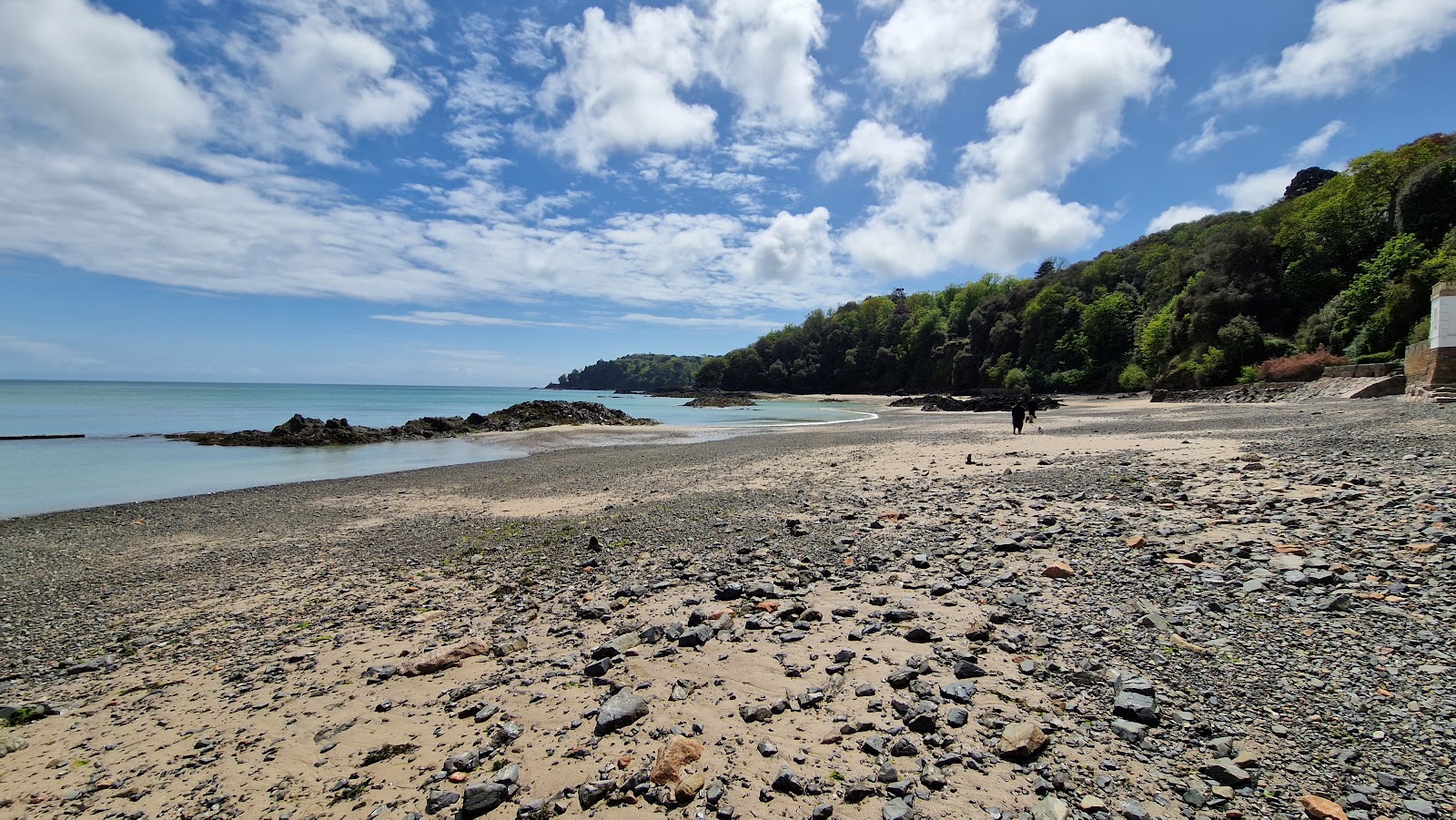
Jersey's southern coastline features extensive bays, granite headlands, and an immense intertidal reef network, offering prime ground for mobile sea bass fishing jersey channel islands tactics.
At Bel Croute Bay, west of St. Aubin's harbour, mobile shore fishing around the rocks is pursued at low tide for bass using plugs and artificial lures. Anglers must monitor the incoming tide carefully, as the cliffs directly behind the shoreline are unclimbable. Further west, Noirmont Point is fished two hours either side of low water. This allows anglers to reach the rocky platform below the lighthouse and retreat before the flood tide cuts off access. Rogue swells require continuous vigilance while casting into the swirling currents.
To the east, the south-east reef system extending from Grève d'Azette to La Rocque dries out into extensive rock pools and sand. Natural gutters cut through the reef, serving as pathways that bass use on incoming tides. Mobile anglers target these channels with bait, lures, and flies. Chest waders are often needed to access outer spots, but anglers must watch the rapid tidal rise to prevent being cut off.
Offshore Boat Charters and Guided Angling Trips
While shore angling around the island provides plenty of adventure, taking to the water aboard a boat gives visitors access to offshore reefs, wrecks, and drifting grounds that are impossible to reach on foot. Booking a charter boat is one of the most effective ways to experience Jersey's world-class sport fishery under the care of experienced local skippers.
For structured angling excursions, Fishing Jersey operates dedicated sea fishing trips catering to both seasoned anglers and complete novices. They offer convenient three-hour evening charter trips running from Monday to Friday, departing at 5:00 pm at a rate of £48 per person. For those seeking a full day on the water, they run comprehensive seven-hour daytime charters on Saturdays and Sundays, departing at 9:00 am for £80 per person. These charter packages provide full equipment, including rods, reels, tackle, fresh bait, and onboard beverages. Novice anglers can also take advantage of free tuition from the crew to learn essential bottom-fishing and drifting techniques. Trips with Fishing Jersey can be arranged directly by contacting skipper Oliver Heart via email at [email protected] or by phone at +44 07829 766 866.
Offshore trips allow anglers to drift across deep gravel banks, anchor near submerged rock pinnacles, and target powerful bottom-feeders such as rays, tope, and conger eels alongside hard-fighting black bream and pollack. Charter skippers understand the intricate local tidal flows and adjust their drift lines according to the state of the tide, maximising the time lines are in front of feeding fish.
Recreational Sea Angling Marks Overview
To help you choose the best shore or offshore location for your outing, the following table summarizes the primary marks, access windows, and key species found across Jersey:
| Location | Coast / Type | Optimal Fishing Window | Target Species | Key Considerations |
|---|---|---|---|---|
| Grève de Lecq | North / Pier & Beach | 2 hours before to 2 hours after high water | Rays, bass, bream, pollack, flatfish, winter squid | Drop net recommended for pier; static deadbaits work well after dark. |
| Bonne Nuit Bay | North / Harbour Pier | Early morning and night hours | Bass, rays, bream, garfish, mackerel, squid | Busy daytime boating; quiet hours reduce disturbance for inshore bass. |
| Bouley Bay | North / Pier | High water and night tides | Bream, rays, bass, pouting, mackerel, squid | Safe and accessible platform; winter squid jigging under pier lighting. |
| Sorel Point | North / Headland | Mid-tide runs; daylight | Mackerel, pollack, bass, wrasse | Fast tidal run suited to high-speed retrieve spinning and feathers. |
| White Rock | North / Deep Rock Mark | Strictly either side of low water | Bass, pollack, wrasse | Demanding scramble; never fish alone or with mobility concerns. |
| Bel Croute Bay | South / Rocky Shoreline | Low water | Bass, mullet, flatfish | Mobile plug fishing; steep cliffs behind make tidal monitoring critical. |
| Noirmont Point | South / Headland Platform | 2 hours either side of low water | Bass, pollack, wrasse, bottom species | Turbulent water; watch for rogue swells and leave before access is flooded. |
| Grève d'Azette to La Rocque | South-East / Intertidal Reef | Low water pushing into early flood | Bass, mullet, flatfish | Chest waders often needed to cross gutters; extremely rapid incoming tide. |
| Fishing Jersey Charters | Offshore / Boat Charter | Scheduled morning/evening departures | Bass, bream, rays, tope, conger eel | Includes rods, tackle, bait, tuition; contact skipper Oliver Heart to book. |
Tidal Awareness and Coastal Angling Safety
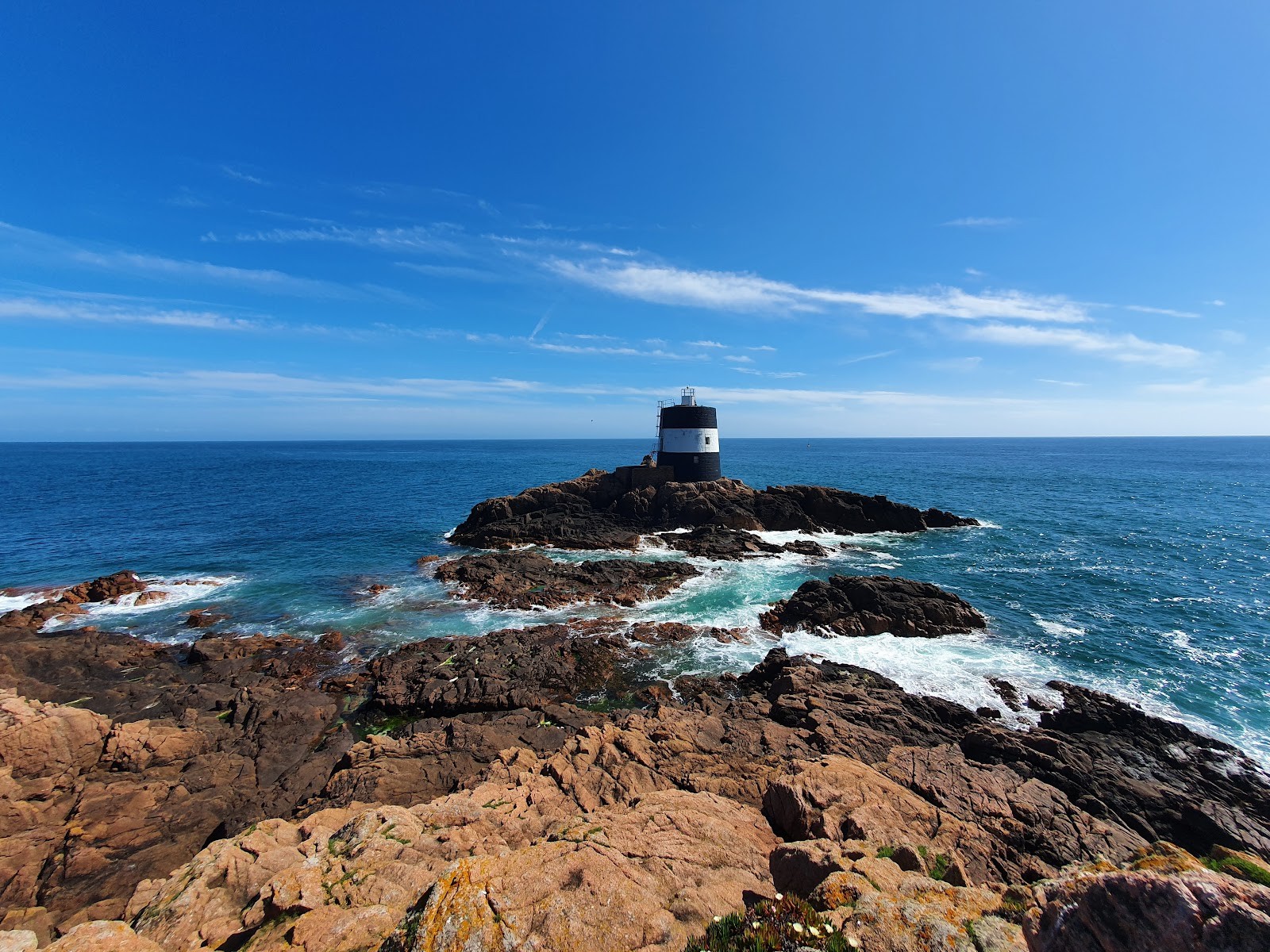
Jersey's massive tidal range demands strict safety planning. Vertical tides create rapid coastal changes and powerful currents that can quickly isolate anglers on low-lying rocks.
When fishing low-water venues like Noirmont Point, White Rock, or the south-east reef from Grève d'Azette to La Rocque, always consult tide tables and plan a prompt retreat before access gutters fill. Wear sturdy, slip-resistant boots on wet granite, and use a belt with chest waders. Watch for rogue swells at exposed headlands such as Sorel Point or Noirmont, and never fish demanding marks like White Rock alone.
Local Regulations, Size Limits, and Responsible Angling
Preserving Jersey's rich marine habitats requires responsible angling practices from both residents and visiting anglers. The marine environment around the island is protected by various local fisheries management rules designed to ensure long-term sustainability for popular sport species.
Bass are the premier sporting quarry in the Channel Islands, and recreational bass fishing is subject to specific management measures that may include minimum landing sizes, seasonal catch-and-release periods, and daily bag limits. Because fisheries regulations and retention rules are updated periodically by the Government of Jersey marine authorities, anglers must make a point of checking the current statutory limits before keeping any fish for the table. When practicing catch and release, handle fish gently with wet hands, keep them out of the water for as little time as possible, and use barbless or crushed-barb hooks to ensure a clean, unharmed release.
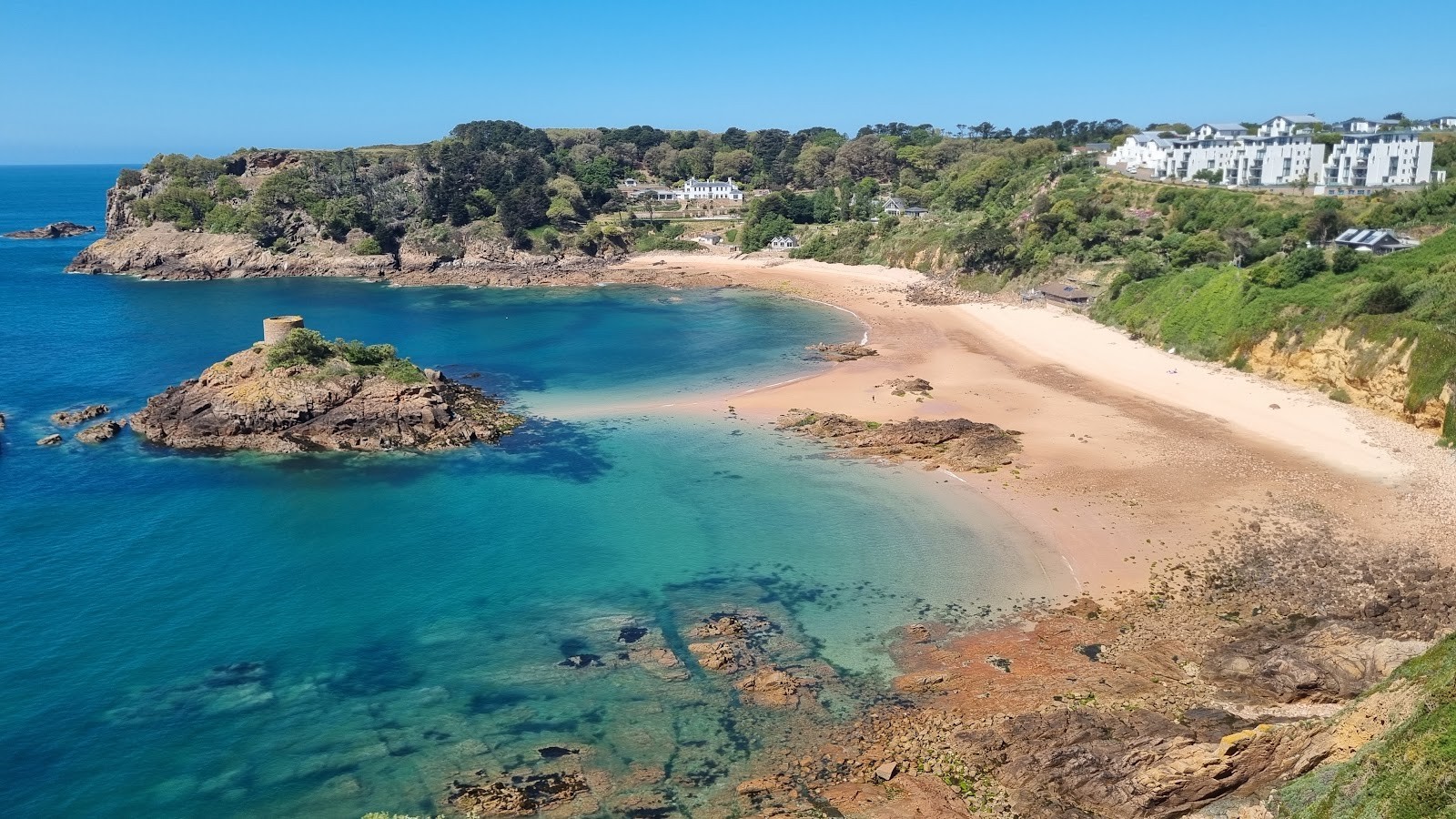
Anglers should also be aware of designated marine protection zones around the coast. For instance, Portelet Bay on the south coast is a protected No Take Zone where the removal of all marine life is strictly prohibited. Elsewhere, seasonal restrictions apply to traditional intertidal foraging species such as ormers. When fishing from busy public piers like Grève de Lecq, Bouley Bay, or Bonne Nuit, be mindful of commercial vessel operations, leisure boaters, and swimmers. Keep pier walkways clear of tackle bags and rods, dispose of used monofilament line and bait wrappers responsibly, and respect the local working harbours so that Jersey's coastal marks remain welcoming for everyone who loves the sea.
Cover photo: Fishing Jersey
By Alyssa.
Sources and further information
- North and North West | Bass Fishing - Jersey, Channel Islands
- South Coast | Bass Fishing - Jersey, Channel Islands
- Home :: Fishing Jersey
Sources checked: 2026-11-24.