Food & Drink
A Visitor's Guide to Jersey Black Butter: History, Traditions, and Farmhouse Heritage
Updated 16 November 2026
When wandering through the country lanes of Jersey in the autumn, there is a distinct sense of agricultural history woven into the hedgerows, stone granite farmhouses, and historic orchards. Among the island’s most evocative culinary treasures is Jersey Black Butter. Known locally in Jèrriais—the island's native Norman-French dialect—as Du Nièr beurre or Beurre Nièr, this rich, dark delicacy is not dairy butter at all. Instead, it is a deeply concentrated, spiced apple preserve that embodies centuries of community spirit, cider heritage, and rural ingenuity. For anyone interested in authentic Channel Island foodways, uncovering the history, craft, and seasonal traditions behind this dark farmhouse conserve provides a fascinating window into Jersey’s living past.
While the name can occasionally confuse first-time visitors expecting dairy creamery products, Jersey Black Butter is entirely plant-based and rooted firmly in orchard harvests. Despite containing no dairy butter, the finished condiment has a thick jam-like consistency and is traditionally enjoyed spread on bread or toast. Its deep mahogany colour, rich molasses caramel notes, and aromatic warmth make it a staple of island pantries. Today, whether enjoyed simply on a warm slice of sourdough or used as a versatile accompaniment in modern kitchens, understanding this aromatic preserve offers travellers an intimate connection to the rural culture of the island.
What Is Jersey Black Butter?
Jersey Black Butter is an ancient, concentrated apple preserve cooked down with cider, sugar, and festive spices. In Jèrriais, the Norman-French dialect of the Island, it is called Beurre Nièr or Du Nièr beurre. The term "butter" refers purely to its smooth, spreadable, velvety texture after an intensive, multi-stage reduction over a fire. The alchemy of local cider, apples, sugar, black treacle, lemons, liquorice, and festive spices wafts molasses caramels and fragrant aromas across local farmyards whenever a batch is prepared.
Historically, preserves of this nature served as a practical method of domestic food preservation. Without modern cold storage or canning technology, island farming communities needed ways to store surplus orchard crops long past the autumn harvest. By simmering reduced cider with peeled fruit and sugar over a lengthy duration, the natural fruit sugars concentrate so thoroughly that the conserve achieves an extended shelf life. The result is a bold, dark spread that captures the essence of late-autumn orchard abundance in a robust, flavourful form.
The Ingredients: Apples, Cider, and Exotic Spices
The traditional Jersey black butter recipe relies on a purposeful balance of tart orchard fruits, rich sweetness, and imported seasonings. Traditional ingredients for Jersey Black Butter include cider, apples, sugar, liquorice, lemons, and mixed spices such as cinnamon. The base begins with substantial volumes of fresh island cider, which is slowly brought to a simmer and gently reduced before mountain loads of peeled, cored apples are added to the copper vessel.
While apples and cider form the rustic backbone, the presence of warming, festive spices reflects an intriguing chapter in the island's maritime past. During earlier centuries, Jersey maintained an active role as a maritime trading and fishing hub. Fish catches from Jersey were historically transported to South America and exchanged for exotic spices, explaining the island's familiarity with and abundance of spices during that era. Ingredients like whole cinnamon, mixed spices, and sticks of liquorice were integrated alongside zesty lemons and dark sugar, giving the conserve its signature aromatic profile and complex, earthy depth.
The Historical Cider Landscape of Jersey
To understand why black butter became such an integral farmhouse tradition, one must look at Jersey’s historical agricultural landscape. In the 17th and 18th centuries, apple orchards covered roughly 16 to 20 percent of Jersey's arable land, primarily cultivated for cider production. Cider was so central to the rural economy that it was commonly given to farm workers as part of their wages. The island produced immense quantities of cider each autumn, transforming rural valleys into humming centres of pressing and barrel making.
Because cider pressing yielded vast harvests, farming households frequently faced an overwhelming bounty of fruit and fresh pressings. During the cider season, preparing black butter was a way to use up a seasonal glut of apples and surplus cider. Nothing went to waste on self-sufficient family holdings. Every fallen apple that could be peeled and every extra gallon of freshly pressed cider found a purpose, converted into a nutritious, sweet staple that could sustain households through the harsh winter months ahead.
The Cooking Process: The Bâchin and the Rabot
The preparation of traditional black butter is renowned for being an exceptionally labour-intensive craft. Traditional black butter making involves adding apples and other ingredients to a cauldron ('bachin') hung over a low fire and stirring continuously for 24 to 30 hours until reaching a jammy consistency. The process begins early, with gallons of local cider boiling down steadily in the wide metal cauldron over a controlled hearth before the peeled apple slices are introduced alongside the sugar, lemons, liquorice, and fragrant spices.
Because the high natural sugar content can easily catch and scorch against the hot metal, continuous stirring is required during the long cooking process using a specially designed wooden paddle or stirrer known as a rabot. The rabot is crafted with a long handle, allowing the person stirring to stand at a safe distance away from the billowing aromatic steam and lapping flames beneath the cauldron. Shifts rotate regularly, as pushing the thick, thickening mass of spiced fruit through the night requires immense physical stamina, steady rhythm, and constant vigilance.
Un Séthée de Beurre Nièr: A Communal Gathering
Because maintaining a constant stir for well over a day was too demanding for a single household to manage alone, black butter making transformed into an essential communal celebration. Black butter making often extended through the night, prompting locals to play music, cards, and tell stories during gatherings known in Jersey-French as 'Un Séthée de Beurre Nièr'. Families, neighbours, and farm workers gathered in the barn or outhouse, sharing chores and festive fellowship.
While some participants were assigned to peel heaps of apples or chop wood for the fire, others took their turn working the rabot back and forth across the base of the bâchin. Between their stirring shifts, people sang folk songs, swapped parish gossip, played card games, and enjoyed hearty hospitality to keep spirits bright through the early hours of the morning. These gatherings functioned as vital communal rituals where oral heritage, Jèrriais language, and folklore were shared and preserved from one generation to the next around the warmth of the hearth.
Regional Connections: Normandy and the Wider Channel Heritage
Jersey’s rich culinary heritage did not develop in isolation. A similar product to Black Butter is made in Normandy, an area of France sharing traditional and cultural ties with Jersey. Across the English Channel and the Cotentin Peninsula, farming communities have maintained related traditions of simmering cider and apples into dense, dark spreads, reflecting a common Norman heritage and similar orchard-dominated farming practices.
These shared customs demonstrate how local micro-climates, maritime geography, and historic trading ties shaped everyday domestic life across the region. While closely related to apple preserves found across northern France and mainland Europe, Jersey's distinctive combination of local cider, specific Jèrriais terminology, and the historical inclusion of imported spices from South American trade gave Beurre Nièr an unmistakable identity unique to the island's parish communities.
Experiencing Cider History at Hamptonne Country Life Museum
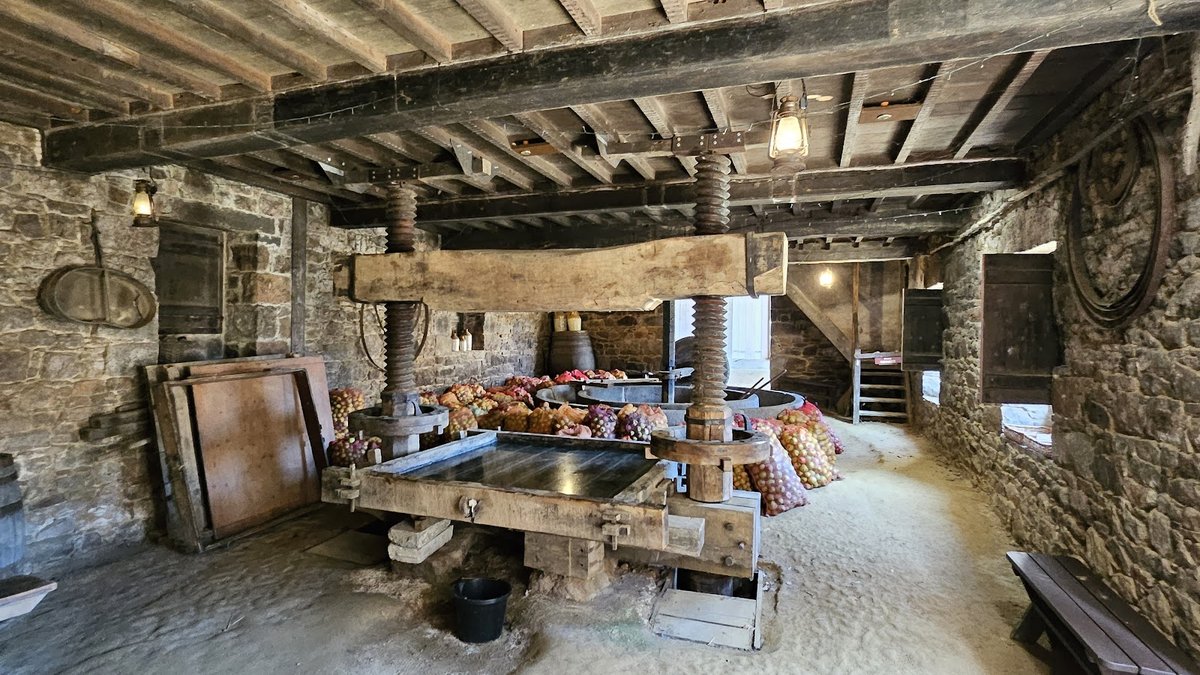
For visitors wanting to explore the physical settings where historic cider making and rural life unfolded, the island boasts exceptional heritage locations. Jersey's historical cider-making heritage can also be explored at the Hamptonne Country Life Museum in St Lawrence, which features a traditional cider barn and pressoir. Set among tranquil fields and historic granite buildings, the site allows travellers to step back into earlier centuries and observe the authentic machinery once used to crush bushels of orchard fruit.
At Hamptonne, exploring the traditional pressoir (cider press) and historic outbuildings illustrates just how central the apple crop once was to island society. Standing in the rustic stone barn, one can easily picture the seasonal rhythms that brought entire farming neighbourhoods together each autumn—from gathering the harvest and operating the massive wooden presses to gathering around the smoking cauldrons to produce jars of sweet, dark conserve for the winter ahead.
Modern Revivals: La Faîs’sie d’Nièr Beurre
Although commercial agriculture on the island has evolved, the tradition of black butter making remains very much alive through dedicated cultural preservation. The National Trust for Jersey organises an annual black butter festival, 'La Faîs’sie d’Nièr Beurre', at its headquarters at The Elms in St Mary. This community event brings together islanders and travellers alike to participate in peeling, stirring, and celebrating the seasonal tradition in an authentic historic setting.
During the festival, visitors can observe the stirring of the great bâchin over an open fire, watch volunteers operating the traditional wooden rabot, and soak up the communal festival atmosphere. It serves as an active, living celebration of Jèrriais heritage, ensuring that the techniques, folk memories, and distinctive flavours of this historic apple preserve continue to be passed on to future generations in a welcoming, family-friendly environment.
Culinary Pairings and How to Enjoy Black Butter
Once cooled and set, Jersey Black Butter reveals its full culinary versatility. Despite containing no dairy butter, the finished condiment has a thick jam-like consistency and is traditionally enjoyed spread on bread or toast. Slathered over a thick slice of crusty loaf, fresh farmhouse bloomer, or warm buttered scones, it provides a distinctive kick of spiced apple and rich molasses sweetness that pairs beautifully with morning tea or afternoon snacks.
Beyond traditional bakery pairings, Jersey Black Butter can be served as a spread on bread, paired with cold meats, or added to dishes such as a curry. The preserve’s rich acidity, sweet fruitiness, and fragrant notes of cinnamon and liquorice allow it to complement savoury elements exceptionally well. It acts as an outstanding companion on cold meat platters, cuts smoothly through the richness of cured cuts or local cheeses, and adds complex depth and sweetness when stirred into spiced marinades, stews, or savoury sauces.
Practical Tips for Visitors Interested in Jersey's Rural Delicacies
If you are planning an itinerary to explore Jersey’s authentic food heritage, keeping a few practical insights in mind will help you make the most of your visit:
- Seek Out Heritage Sites: To appreciate the historical context of the island's orchard culture, spend time visiting rural preservation sites such as the cider barn at Hamptonne Country Life Museum in St Lawrence.
- Look for Autumn Community Events: If visiting during the autumn season, look out for community gatherings such as 'La Faîs’sie d’Nièr Beurre' held by the National Trust for Jersey at The Elms in St Mary, where you can watch the traditional stirring in person.
- Experiment with Pairings: When sampling black butter, try it both sweet and savoury—spread it across morning toast, serve it alongside cold meats, or test it as an accompaniment to cheese and warm savoury dishes.
- Explore the Jèrriais Language: Take notice of original terms such as bâchin (the cauldron), rabot (the wooden stirrer), and Beurre Nièr, which connect directly to the Norman-French language deeply rooted in Jersey’s past.
By engaging with the flavours, community rituals, and historic sites associated with Jersey Black Butter, visitors encounter far more than just a sweet spread. They experience an enduring rural tradition that has united islanders across centuries of autumn harvests, celebrating the gifts of the land through patience, shared effort, and genuine festive warmth.
Cover photo: Hamptonne Country Life Museum
By Alyssa.
Sources and further information
- Black Butter Festival - L'Office du Jèrriais
- On Black Butter: The Flavours of a Dying British Love-affair with Apple | Food Museum
- Jersey Black Butter - Slow Food in the UK
- Hamptonne Country Life Museum
Sources checked: 2026-11-16.