Beaches & Bays
Visiting Bouley Bay: Harbour Guide, Diving, and Coastal Walks in Trinity, Jersey
Updated 11 November 2026
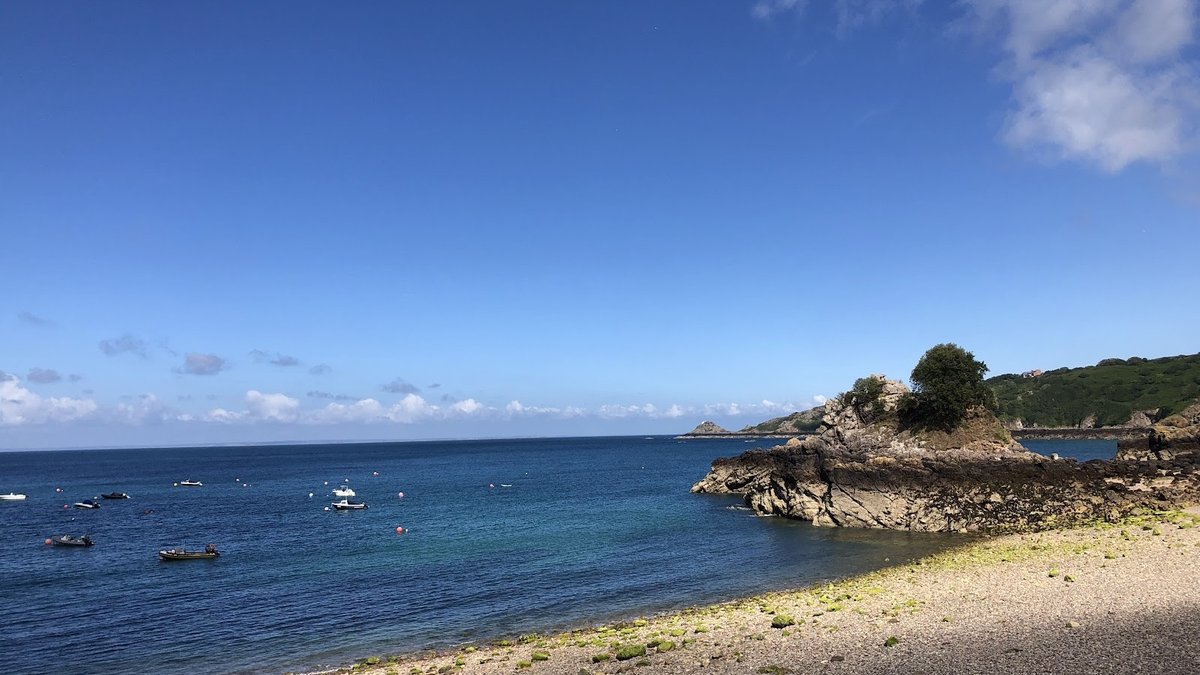
Tucked into the rugged northern perimeter of the island within the parish of Trinity, Bouley Bay stands out as one of the most distinctive coastal havens in Jersey. Unlike the broad, tide-swept swathes of fine sand found along the southern and western shores, this dramatic inlet is defined by high, steep cliffs, a sloping pebble beach, and sheltered maritime waters. On clear days, gazing out across the bay rewards you with open views extending all the way toward the distant shoreline of Normandy. It is an atmospheric place where working harbour heritage, active water recreation, and wild cliff paths converge. Whether you are arriving with a scuba cylinder in tow, tying on trail shoes to traverse the cliff routes, or simply seeking a tranquil vantage point to enjoy a bite by the water, Bouley Bay reveals a quieter, steeper, and remarkably biodiverse side of island life that warrants careful planning to enjoy fully.
The Setting: Geology and Landscape of Bouley Bay
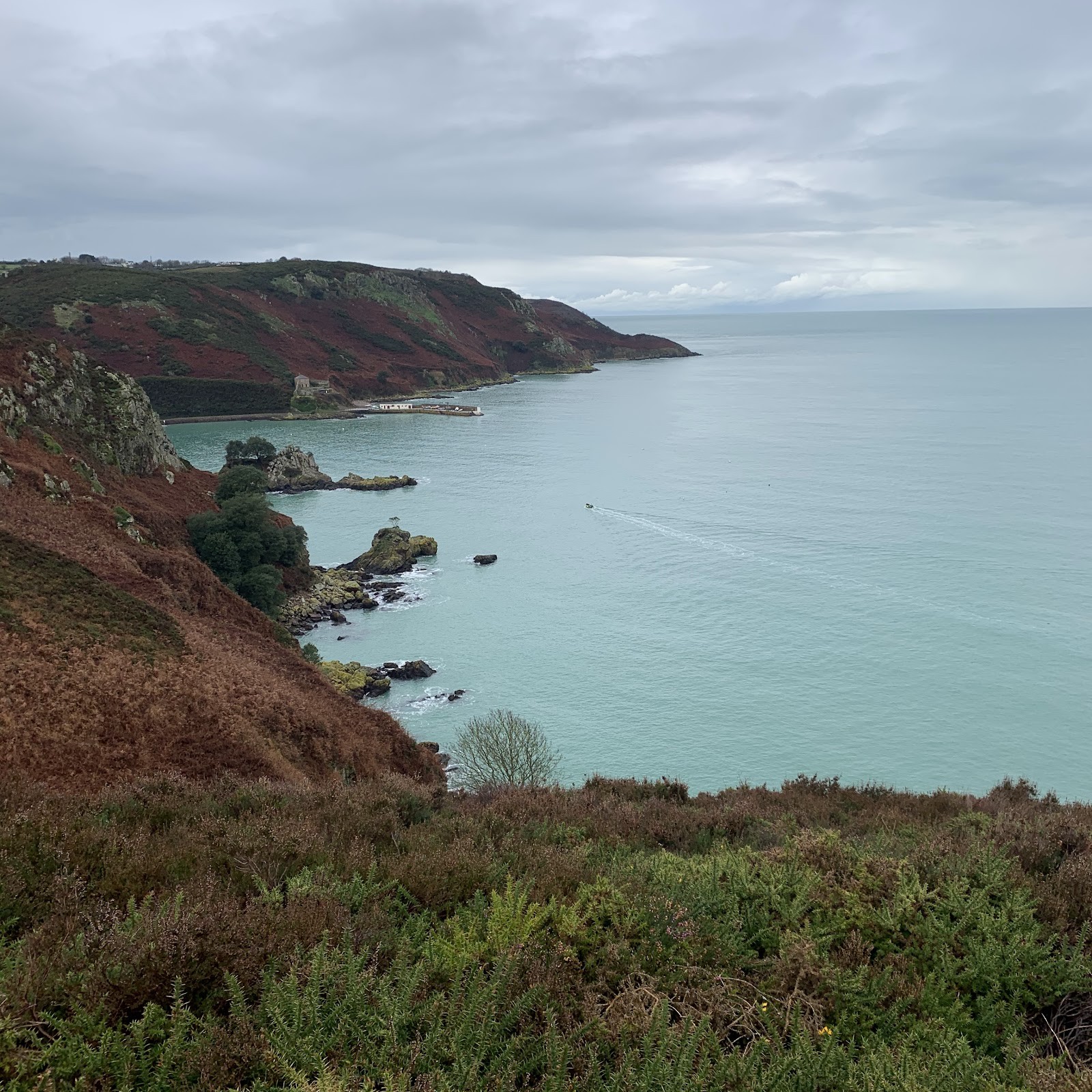
To understand the character of Bouley Bay, one must first look at its natural geography. The bay itself forms a gentle coastal arc tucked along the north-east shoreline of Jersey. This natural curve is naturally interrupted to the east by a prominent rocky outcrop known locally as L’Islet, while the north-western flank is bordered by a substantial stone jetty that helps frame the small working harbour. Towering behind the shoreline are dramatic, steep cliffs that shield the cove from prevailing winds, creating an enclosed basin where the water often appears deep blue and comparatively calm even when offshore breezes stir the open sea.
The shoreline environment is fundamentally defined by stone and water. Rather than soft sand underfoot at the water's edge, visitors encounter a characteristically rugged pebble beach alongside a cobbled slipway and a solid pier. These features lend the location its timeless maritime atmosphere, evoking centuries of seafaring and coastal activity in Trinity. The surrounding topography means that land and sea meet abruptly, creating sweeping vistas across the English Channel and establishing a dramatic contrast to the flatter, dune-fringed bays found elsewhere across the Channel Islands.
Reaching the Bay: Roads, Navigation, and Parking Realities
Reaching this picturesque corner of Trinity is an experience in itself, requiring a cautious approach on the roads. The journey down to Bouley Bay follows a steep, winding road marked by sharp switchbacks, tight corners, and sudden glimpses of the sea between tree lines and cliff edges. Navigating this descent demands attentive driving, as the route drops rapidly from the higher plateau of the parish down to sea level, where road space and pedestrian paths merge near the slipway.
Once at the bottom of the hill, parking space is notoriously limited. The available vehicle bays fill up exceptionally fast during fine weather, particularly on sunny summer weekends when diving groups, walkers, and beach visitors arrive early. Those travelling by car or hire vehicle are strongly advised to arrive early in the morning—ideally by 9:00 am—to secure a legal parking spot without causing congestion on the narrow access lanes. For pedestrians moving between the upper parking spaces, the pier, and the shore, access involves navigating cobbled inclines, solid pathways, and steep flights of steps down to the shingle, though level access is maintained along the pier structure itself.
Bouley Bay Dive Centre and On-Site Facilities
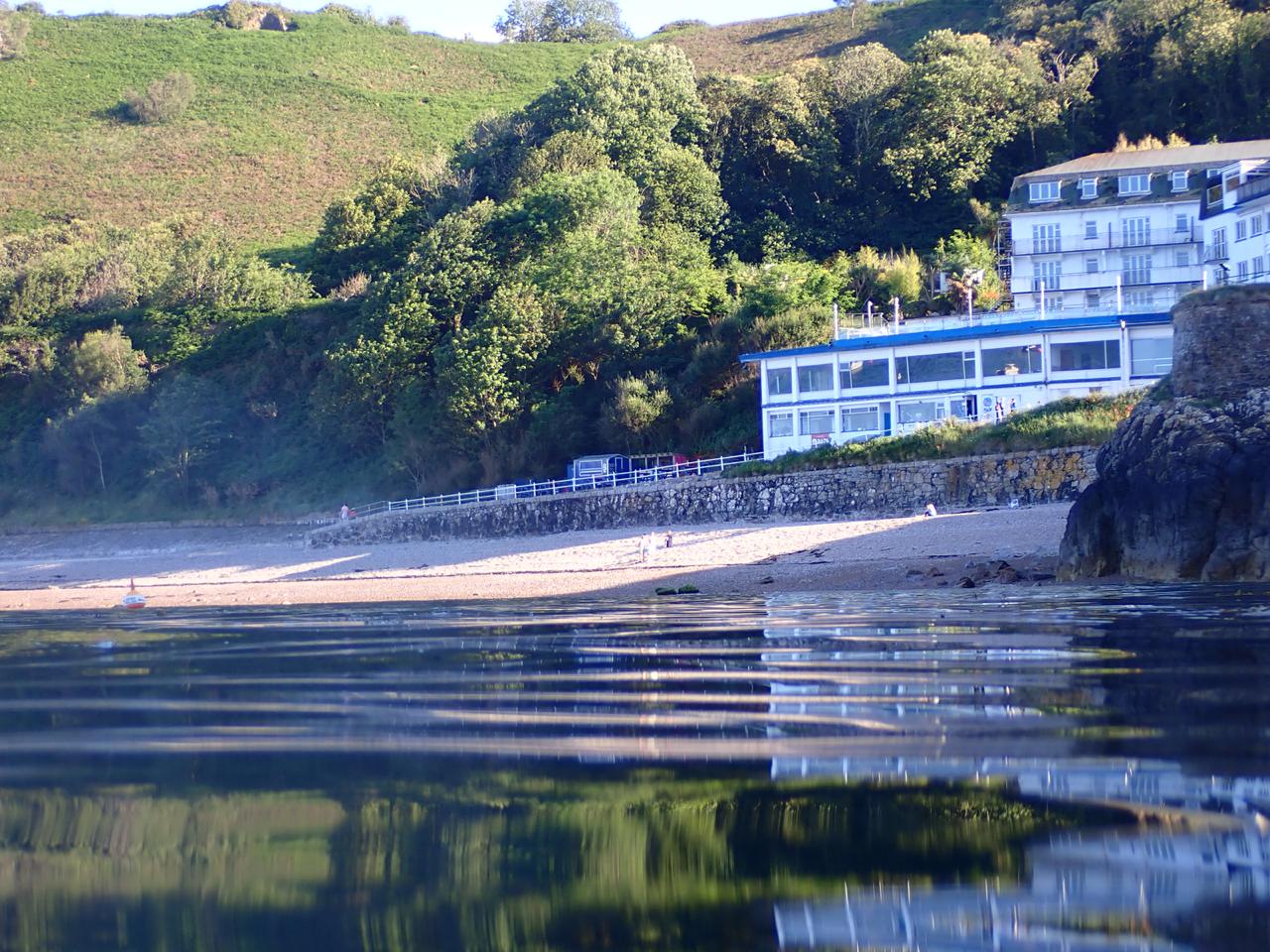
Overlooking the harbour sits one of the island's most celebrated marine institutions: the Bouley Bay Dive Centre. Positioned along a raised walkway directly below the site of the former Water’s Edge Hotel, the facility acts as the central hub for local scuba diving, water sports training, and technical support. Operated by an experienced team led by owner Toyah Tomkins, who brings more than two decades of local and international instructional experience, the centre serves complete beginners as well as highly qualified technical divers.
The operation provides an extensive suite of dive services, offering accredited scuba courses across both SSI and PADI frameworks alongside guided exploration dives. For visiting divers wishing to travel light or maintain their equipment, the facility provides comprehensive gear sales, equipment rentals, and on-site servicing and cylinder testing. Gas fills are readily available from an air station capable of supplying 232-bar and 300-bar fills for both standard breathing air and nitrox while divers wait. Beyond subsurface scuba diving, the centre also coordinates snorkelling excursions, stand-up paddleboarding, and regular outdoor yoga classes led by Toyah. For training exercises, guided dive groups, snorkel safaris, and private coastal sightseeing charters, the centre deploys a dedicated 6-metre rigid inflatable boat (RIB) named Grace.
Underwater Topography and Diving Conditions
Because Bouley Bay occupies a sheltered position along the north-east coast, it supports diving throughout the year, earning a reputation among shore divers as one of the most reliable and rewarding dive sites in the region. The bay offers easy-to-moderate shore diving with a maximum depth that typically reaches between 12 and 15 metres, depending closely on the state of the tide and the exact zone explored, though much of the best exploring is found in shallower water. Underwater visibility is generally dependable, typically ranging between 2 and 10 metres depending on recent swell and weather conditions.
The seabed across the bay features a diverse tapestry of marine habitats. Divers entering from the cobbled slipway or from the beach encounter gently sloping pebble-strewn shallows that give way to luxuriant weed and kelp beds, open expanses of flat sand, craggy rocky ledges, and vertical surfaces along the underwater base of the stone jetty wall. Exploring eastward toward the outcrop of L'Islet reveals broken rocky terrain and crevices, while navigating toward the north-west jetty wall reveals steep masonry habitats and relics of past harbour activity, including a large discarded anchor resting on the seabed. Due to the modest depths and absence of strong currents within the inner bay, divers can safely enjoy extended bottom times while exploring these varied zones.
Marine Biodiversity and Seasonal Encounters
The convergence of rocky ledges, sheltering kelp forests, and sandy flats makes Bouley Bay exceptionally biodiverse, attracting underwater naturalists and photographers throughout the seasons. Fish populations thrive among the weed beds and rocky overhangs, with sizable wrasse frequently observed patrolling the ledges alongside schools of pollack, bass, bream, grey mullet, sand eels, gobies, and slender greater pipefish. One of the distinct highlights of diving over the flat sandy plains of the bay is the presence of elasmobranchs, notably thornback rays and undulate rays resting camouflaged on the sediment.
Macro enthusiasts and invertebrate watchers will find an abundant variety of life clinging to the rocks and moving through the shallows. Sightings regularly include spider crabs, hermit crabs scuttling across the stones, common cuttlefish, delicate nudibranchs, scallops, whelks, and large sea hares grazing on algae. In the kelp beds and along the masonry of the jetty, diverse anemones—including snakelocks anemones and tube-dwelling species—provide refuge for small translucent marine shrimps, while impressive tubeworms extend their feeding plumes into the gentle water currents.
Water Safety and Diver Etiquette
While the sheltered nature of Bouley Bay provides a forgiving environment for shore entries, sensible safety protocols remain vital for all water users. The harbour remains active, with sporadic small boat movements occurring throughout the season and peaking on weekends. Because watercraft share the bay with swimmers, paddleboarders, and divers, every diver entering the water should deploy and tow a surface marker buoy (SMB) to clearly signal their presence below the surface.
Vigilance is especially critical when ascending at the end of a dive. Divers must always stop, listen carefully for boat engine noise, look upward toward the surface, and surface close to their SMB or adjacent to the shoreline barriers rather than directly in the middle of active navigation channels. Additionally, shore divers should anticipate the physical demands of shore diving here: carrying cylinders and lead weight down steep access steps or cobbled ramps, navigating slippery shingle, and completing the uphill walk back up to the dive centre walkway requires good physical fitness and careful footing.
Coastal Cliff Paths and Fort Leicester
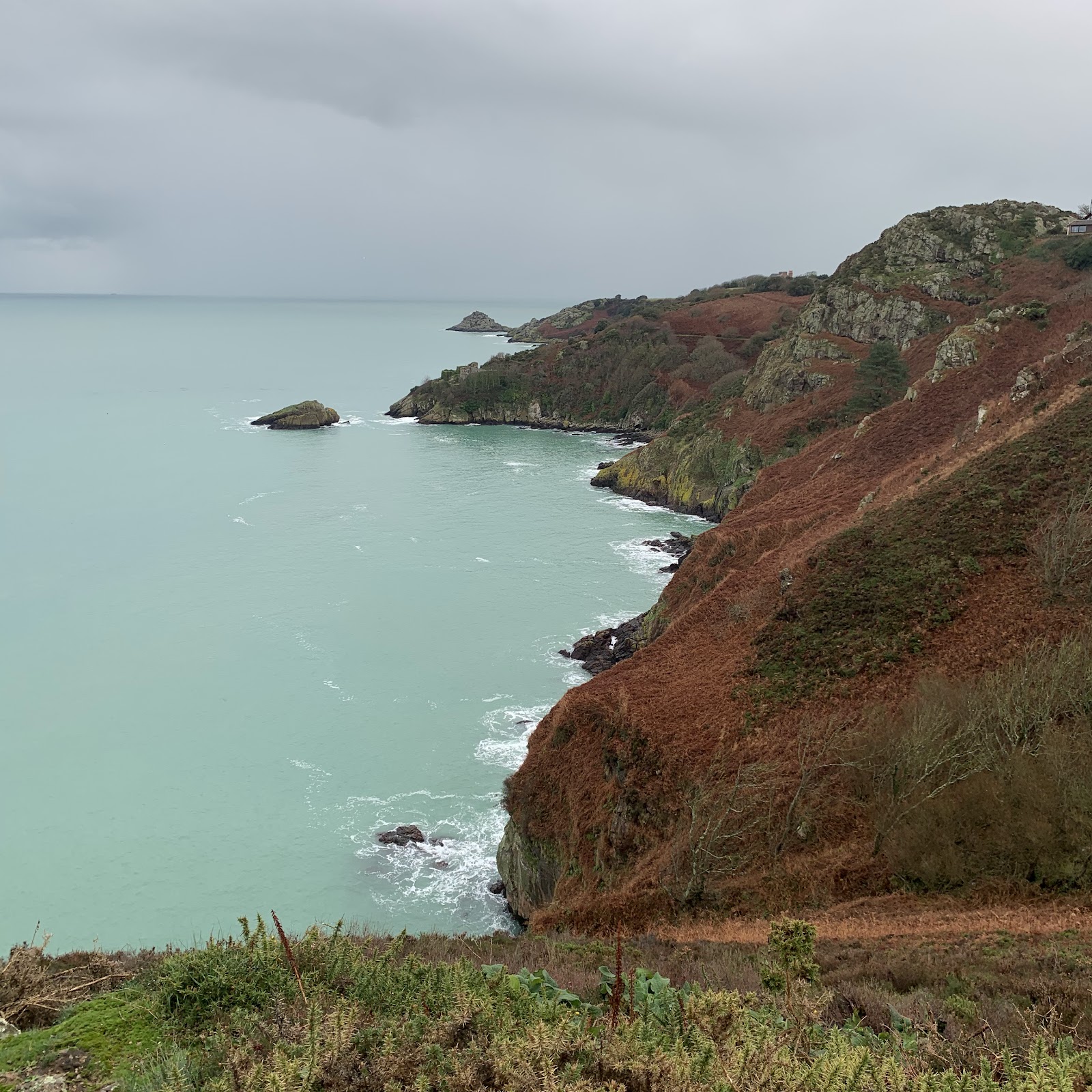
For visitors whose interests lie firmly above the high-water mark, Bouley Bay Beach serves as a magnificent trailhead for exploring the rugged northern coastline of Trinity on foot. Marked coastal cliff paths climb directly from the bay, ascending the steep headlands to deliver elevated panoramic perspectives across the open sea. One of the most celebrated hiking routes leads westward along the dramatic cliff contours toward the picturesque neighbouring harbour of Bonne Nuit, winding past maritime heathland, exposed granite outcrops, and plunging sea cliffs.
Overlooking Bouley Bay from an imposing vantage point on the eastern hillside stands Fort Leicester. This historic coastal fortification was constructed to guard the northern approaches to Jersey and protect the anchorage below from hostile maritime incursions. Together with the elevated clifftop paths, the fort provides an exceptional historical marker and scenic viewpoint, offering walkers a commanding perspective over the sweeping arc of the bay, the stone jetty, the rocky projection of L’Islet, and the distant French coastline resting across the water on clear mornings.
Amenities, Food, and Visiting Tips
After a morning spent diving the reef systems or hiking along the coastal paths, visitors can pause for refreshments right beside the water. Situated close to the slipway is Mad Mary's Café, a beloved and characterful local establishment known for serving comforting hot food, drinks, and snacks. Whether you are ordering a plate of crab sandwiches, an omelette and chips, or sitting down with a warm hot chocolate, the café provides a welcoming, casual atmosphere where you can rest at outdoor tables and admire the sea views across to Normandy.
When planning a trip, keep in mind that Bouley Bay is a natural, working coastal environment rather than a commercial resort. The beach is composed of rounded stones and pebbles rather than smooth sand, making sturdy beach footwear or neoprene booties highly recommended for walking near the water. While level walking access is present along the harbour pier and cobbled slipway, reaching the shingle shore itself requires navigating steep flights of stairs or sloping paths, which can prove physically demanding. Visitors planning an extended day should ensure they pack appropriate layered clothing, check local tide times before setting out, and respect the quiet, unspoilt character of this tranquil northern parish haven.
Bouley Bay Overview at a Glance
| Feature | Details and Recommendations |
|---|---|
| Location | Parish of Trinity, North-East Coast of Jersey |
| Beach Type | Pebble beach, cobbled slipway, and stone pier bounded by steep cliffs |
| Dive Depth & Visibility | Maximum 12–15m (often shallower); typical visibility 2–10m |
| Key Marine Life | Thornback and undulate rays, wrasse, pollack, bass, cuttlefish, spider crabs, nudibranchs |
| On-Site Dive Operator | Bouley Bay Dive Centre (SSI/PADI courses, gear hire, air/nitrox fills, RIB Grace) |
| Water Safety | Surface marker buoy (SMB) strongly recommended due to sporadic boat traffic |
| Refreshments | Mad Mary's Café (serving hot food, snacks, crab sandwiches, and drinks) |
| Surrounding Landmarks | Fort Leicester, coastal cliff paths towards Bonne Nuit, L’Islet rocky outcrop |
| Parking & Access | Steep switchback access road; limited parking (arrive early, ideally before 9:00 am) |
Bouley Bay remains one of Jersey's most rewarding coastal destinations for anyone who appreciates dramatic topography, tranquil waters, and unspoilt maritime heritage. By coming prepared for the steep access road, bringing the right footwear for the pebble shore, and packing an SMB for any underwater excursions, you can look forward to experiencing the best of Trinity's coastal scenery both above and below the surface.
Cover photo: Bouley Bay - Ana simmons
By Alyssa.
Sources and further information
Sources checked: 2026-11-11.