Travel Guides
Visiting Devil's Hole in Jersey: Legend, Coastal Path, and Practical Visitor Guide
Updated 1 November 2026
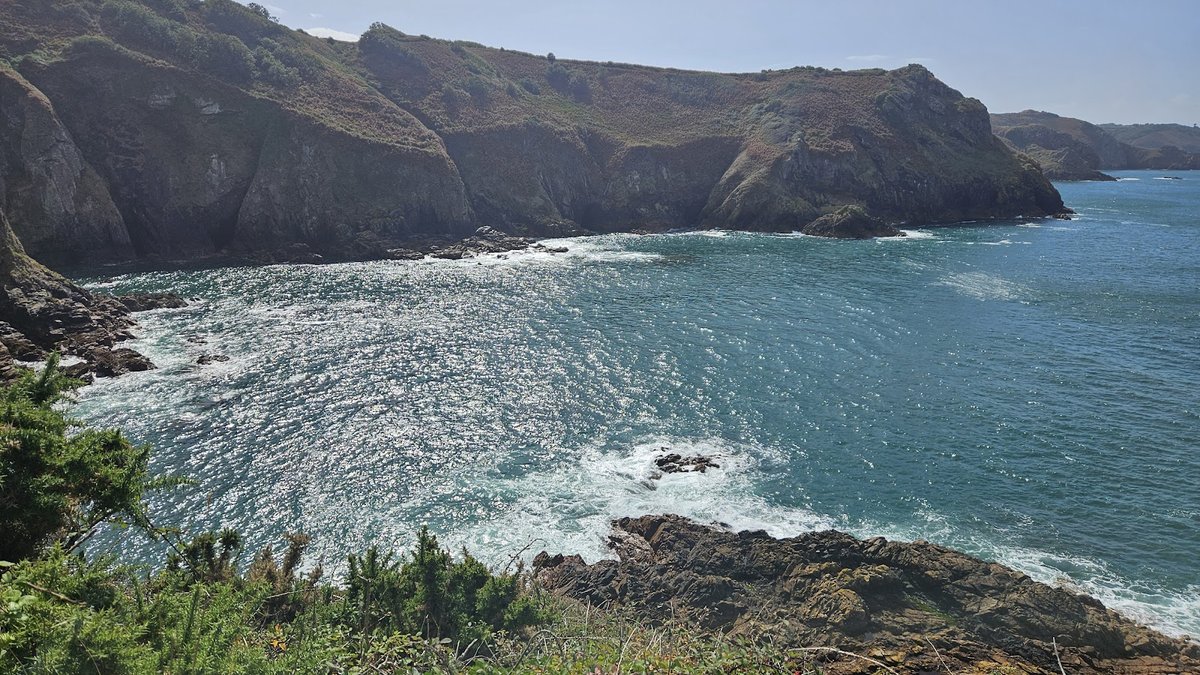
Tucked into the rugged cliffs of Jersey's northern coastline lies one of the island's most evocative natural wonders: Devil's Hole. Known in French as Lé Creux du Vis, this dramatic geological formation sits within the rural parish of Saint Mary. Over centuries of coastal erosion, the restless Atlantic swell has carved out a breathtaking chasm that draws curious walkers, photographers, and lovers of island folklore alike. Whether you are seeking sweeping cliff vistas, fascinated by seaside legends, or simply looking to enjoy a bracing walk along the coastal paths of the Channel Islands, this remarkable spot offers an unforgettable excursion. Here, we delve into how to visit Devil's Hole, what to expect along the walking trail, the historical tales that shaped its peculiar reputation, and practical guidance for planning your outing safely and comfortably.
Understanding the Geology: What Is Devil's Hole?
To truly appreciate Devil's Hole, it helps to understand the formidable natural forces that brought it into being. Geologically, Devil's Hole is a coastal blowhole and sea cave hollowed out of the ancient rock face on the northern cliffs of Saint Mary. What makes this formation especially notable among Jersey's coastal wonders is its immense scale. The geological feature functions as a through-cave extending roughly 100 metres in length. At its landward end, the cave opens into a monumental daylight shaft that spans approximately 30 metres in diameter and plunges down to a depth of around 60 metres.
The term 'blowhole' is often applied to this site because of how it reacts to changing ocean tides. During high tide, incoming seawater surges through the submerged seaward portal and floods the subterranean cave. As the swell compresses air and crashes violently against the stone interior walls, the chamber resonates with loud, eerie acoustics and booming reverberations that can be heard echoing up through the daylight shaft. While technical classifications among cave enthusiasts distinguish between an erupting blowhole and an acoustic sea chasm, the sensory impact remains undeniably stirring. Watching and listening to the churning water from the cliff heights above provides a profound reminder of the marine energy continually reshaping the Channel Islands.
Historical Names and Coastal Lore
Long before it became widely popularised as Devil's Hole, the landmark bore various historical titles reflecting its local character and physical features. In traditional records, the cave was known as Le Creux de Vis, which translates directly to 'Spiral Cave'. Other older designations recorded across the centuries include Le Creux de la Touraille (meaning the 'Hollow of Touraille'), Le Creux Terrible ('Terrible Hollow'), and Le Trou au Diable ('Devil's Hole' or chasm). In local nomenclature, the term creux denotes a natural hollow, pit, or deep fissure within a coastal cliff face.
Scholars and historians have often debated how the name shifted over time toward the demonic. Some suggest that the original phrase du Vis gradually became corrupted and anglicised into 'Devil'. Others argue that the fearsome name arose naturally from the ominous, guttural groaning of trapped air and churning waves resonating from the deep pit on stormy afternoons. Whatever the exact linguistic journey, the atmospheric moniker captured the public imagination and has persisted through generations of islanders and visiting travelers.
The 1851 Shipwreck and the Origin of the Devil Statue
While ancient acoustic phenomena provided the backdrop, the physical association with the devil took a dramatic, tangible turn in the nineteenth century. In 1851, a French cutter named La Joséphine was wrecked against the treacherous rocks directly in front of the cave opening. In the aftermath of the maritime disaster, the ship's wooden figurehead washed ashore and was retrieved from the turbulent waters within the chasm.
A local artist named Jean Giffard took the salvaged wooden torso and carved it into a striking, horned figure of the devil. The newly created wooden effigy was subsequently erected near the rim of the daylight shaft, firmly cementing the site's nickname as Devil's Hole or Le Trou au Diable in the minds of Victorian islanders. The sculpture immediately transformed the natural landmark into a sensational novelty. Over the following century, the wooden devil witnessed considerable mischief; in 1951, it was carried off by pranksters before being retrieved, and in 1957 it was stolen a second time and unfortunately burned. In response to these losses, modern replacements were commissioned, culminating in a resilient bronze sculpture that now watches over the wooded surroundings along the approach route.
The Walk: Route, Approach, and the Woodland Pool
The journey down to Devil's Hole is a delightful, accessible walk that showcases both peaceful woodland scenery and sweeping coastal panoramas. The trailhead commences near the public car park adjacent to The Priory Inn Devils Hole on La Grande Rue in the parish of Saint Mary. From this starting point, the descent down toward the cliff edge is a gentle excursion that typically takes between ten and fifteen minutes to walk at a relaxed pace.
As you set out from the car park, the trail winds pleasantly downward. One of the most enchanting highlights of the initial walk is passing a quiet, tree-covered pool nestled amid the greenery. Sitting within this shaded pond is the current bronze statue of the devil, perched above the water and providing a wonderfully atmospheric prelude to the dramatic coastal spectacle ahead. It offers an ideal photo opportunity and a tangible connection to the centuries-old ship salvage that inspired the local lore. The contrast between this quiet, sheltered woodland glade and the exposed, sea-swept cliff edges further along the route adds great character to the short excursion.
Trail Surface, Infrastructure, and Viewing Platform Access
Navigating the terrain down to the blowhole is straightforward, thanks to substantial path maintenance and infrastructure upgrades carried out over the decades. The upper section of the descent features a firm, surfaced walking path that is easy underfoot. As the route continues toward the steeper coastal terrain, the trail transitions into a well-constructed section fitted with sturdy wooden steps and secure handrails. Much of this lower access route was originally engineered and improved by a working party from the British Army's Royal Engineers Corps, transforming what was once a precarious coastal scramble into a safe and structured visitor pathway.
The walking trail terminates at a large, purpose-built viewing platform situated right above the chasm. This secure platform allows visitors to look out across the northern sea cliffs and directly into the yawning 30-metre daylight shaft below. From this elevated vantage point, you can safely observe the dark cavern opening, listen to the booming tides, and peer down into the 60-metre depths without risking a footing on exposed cliff edges. The viewing platform is designed specifically to ensure everyone enjoys the dramatic perspective safely behind protective balustrades.
Past and Present: How Access Has Changed Since Victorian Times
Today's viewing experience from an elevated platform stands in stark contrast to the way visitors explored Devil's Hole during the Victorian era. In the nineteenth century, Devil's Hole became a booming tourist attraction. Victorian operators installed a series of wooden ladders leading directly down into the daylight shaft itself. At low tide, adventurous tourists were permitted to descend all the way to the bottom of the rocky chasm and even venture into the mouth of the through-cave for a short distance.
Over the course of the twentieth century, the original ladders were eventually replaced by a staircase to cater to sightseers. However, the relentless salt air, wave spray, and rock instability took a heavy toll on these lower structures. Eventually, direct descent into the chasm was deemed unsafe, and the lower stairways were completely dismantled. Today, access down into the hole itself is no longer permitted or possible. All visitor viewing takes place strictly from the secure vantage point of the purpose-built clifftop platform, which preserves both visitor safety and the delicate coastal geology.
Timing Your Visit: Tides, Acoustics, and Atmosphere
While Devil's Hole is fascinating at any time of day, your experience will vary significantly depending on tidal conditions. If your primary goal is to hear the legendary roar of the blowhole, timing your visit around high tide is highly recommended. As high water reaches the cliff base, the Atlantic waves force their way deep into the 100-metre sea cave. The compression of water and air against the rock fissures produces the distinctive, booming resonance and eerie acoustic rumbles that earned the chasm its historical reputation.
Conversely, visiting during lower tides reveals a very different atmosphere. When the water retreats, the sheer vertical drop of the 60-metre shaft and the rugged rock formations at the bottom become far more visible in daylight. The view from the platform offers clearer structural views of the cave entrance, highlighting the monumental scale of the geology. Photographers will appreciate the softer coastal light during early mornings or late afternoons, when the sun illuminates the north coast cliffs and casts long shadows across the mouth of the cavern.
Safety Considerations and Trail Practicalities
Although the designated pathway to Devil's Hole is well equipped with wooden steps, surfacing, and handrails, visiting coastal cliff areas always requires a sensible approach to safety and footwear. Coastal weather in Jersey can change quickly, and Atlantic sea breezes often sweep across the headland. Here are practical tips to keep in mind for a smooth and safe outing:
- Footwear: While the upper path is surfaced, the wooden steps and lower walkway can become slippery when damp from sea spray or morning dew. Sturdy walking shoes, trainers with good grip, or light hiking boots are strongly advised.
- Stay on the Designated Path: The terrain surrounding the daylight shaft consists of sheer cliff edges and steep drops. Always remain behind the safety balustrades and on the marked platform; never scramble over fences to peer into the pit.
- Weather Preparedness: The north coast is often cooler and breezier than sheltered southern bays. Wearing layers and carrying a windproof jacket will keep you comfortable on the viewing platform.
- Pacing the Return Walk: The 10-to-15-minute walk down is easy, but returning to the car park requires an uphill climb over the steps and inclines. Take your time and enjoy the surrounding woodland scenery on the way back up.
Refreshments and Exploring the Northern Coast
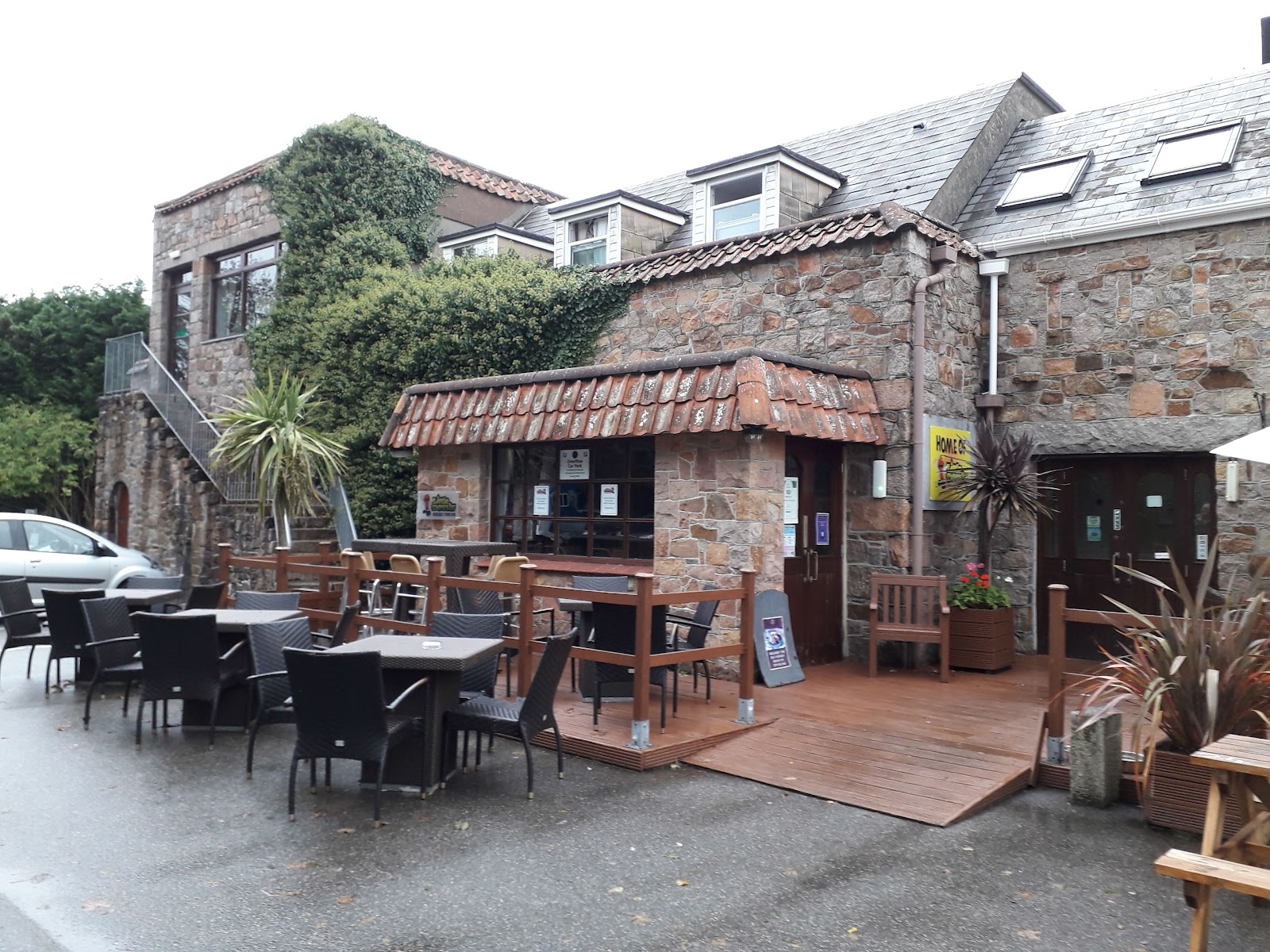
After completing the return walk from the viewing platform, travelers can unwind right at the top of the trail. The path begins and ends beside The Priory Inn Devils Hole, situated along La Grande Rue in Saint Mary. As one of the island's historic northern inns, it provides an ideal base for your excursion, featuring a welcoming beer garden, indoor seating, and food service where you can relax after the coastal walk.
The parish of Saint Mary and the wider northern coastline of Jersey boast some of the Channel Islands' most spectacular scenery. The cliffs surrounding Devil's Hole connect directly into extensive coastal walking routes that trace the perimeter of the island. Those wishing to extend their day's exploration can follow the clifftop footpaths to take in further sea views across to the other Channel Islands, explore secluded coves, or simply enjoy the tranquil, pastoral charm of Saint Mary's inland lanes. For anyone who appreciates dramatic geological formations steeped in folklore, Devil's Hole remains a quintessential Jersey landmark that perfectly marries natural wonder with captivating local heritage.
Cover photo: The Priory Inn Devils Hole - carla ruhe
By Alyssa.
Sources and further information
Sources checked: 2026-11-01.