Things To Do
A Guide to Jersey Boat Trips and Offshore Reef Excursions
Updated 31 October 2026
When planning a holiday to Jersey, it is remarkably easy to keep your eyes fixed on terra firma. The island offers an enviable collection of sheltered bays, dramatic clifftop walking paths, sun-drenched valleys, and historic castles that can effortlessly fill a week's itinerary. Yet studying a nautical chart of the Channel Islands reveals an entirely different dimension. Jersey sits in the embrace of immense tidal forces, hidden granite reefs, and offshore archipelagos that morph continuously beneath one of the largest tidal ranges on Earth. Heading out on the water is not just an entertaining leisure activity; it is fundamental to understanding how geography, tide, and maritime isolation have shaped island life.
Whether your idea of an ideal day at sea involves skimming across open water aboard a fast Rigid Inflatable Boat (RIB) toward pristine sandbars or taking in the southern headlands from the sun deck of a spacious passenger cruiser, Jersey boat trips provide access to wilderness settings untouched by modern development. In this planning guide, I will take you through the main vessel options, the offshore reef destinations of Les Écréhous and Les Minquiers, what marine wildlife you might encounter along the way, and the practical preparations needed before stepping aboard.
Choosing Your Excursion Style: Fast RIBs vs. Traditional Cruisers
Before reserving a seat on any Jersey sea excursion, your first task is deciding which vessel format best suits your travel preferences, physical comfort, and appetite for adventure. The craft you select determines your pace, the waters you can reach, and the physical demands of the trip.
The High-Speed RIB Experience
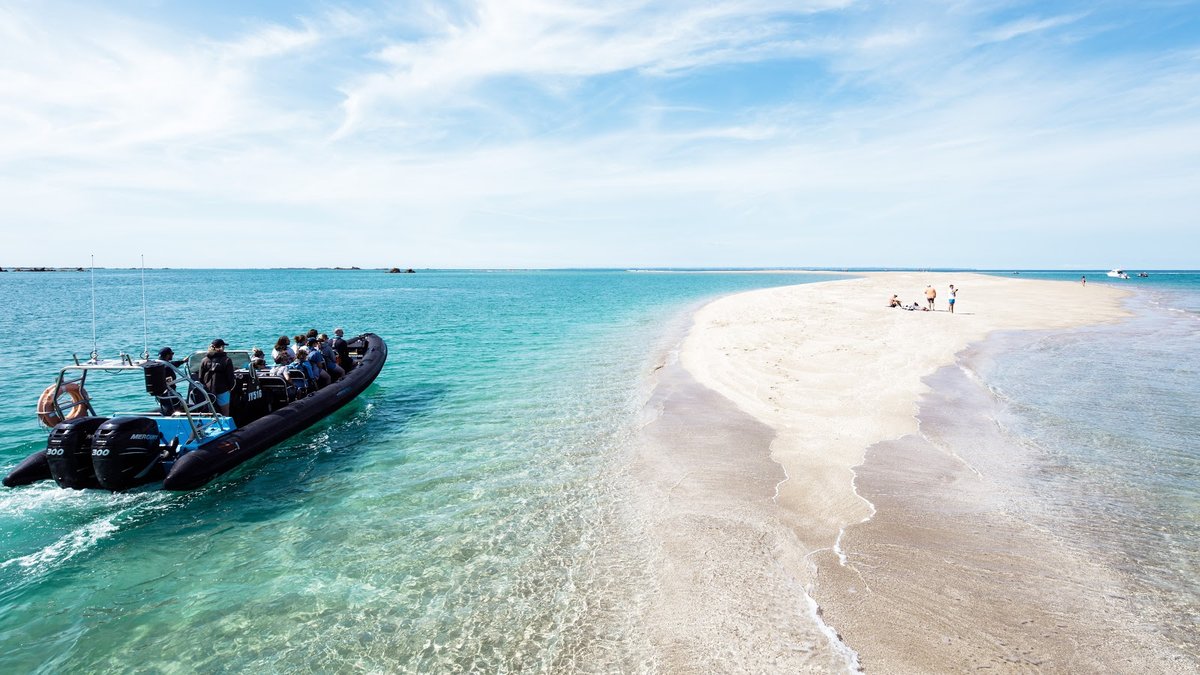
If you want to venture beyond Jersey's immediate shoreline—especially out to the offshore reefs or tucked-away northern sea caves—Rigid Inflatable Boats (RIBs) are the go-to craft. Operators including Jersey Seafaris and Island RIB Voyages run fleets of purpose-built, 12-passenger open RIBs engineered to navigate the strong tidal currents and shallow rocky approaches of the Channel Islands. Powered by high-output engines, these craft typically cruise between 28 and 30 knots, which translates to approximately 38 miles per hour across the water.
Because these vessels sit low on the water and cut quickly through chop, they deliver an exhilarating open-air journey. Their major operational advantage is pure efficiency: you can cover substantial open-water distances in a fraction of the time needed by standard displacement vessels, leaving more time ashore to explore outlying reefs. That agility comes with specific physical characteristics. Passengers sit in an open cockpit where wind and sea spray are routine companions, and the deep-V hull moves actively over waves. While operators supply life jackets and protective waterproof jackets, you need to dress warmly and be comfortable with an energetic, outdoor ride.
Scenic Coastal Cruisers
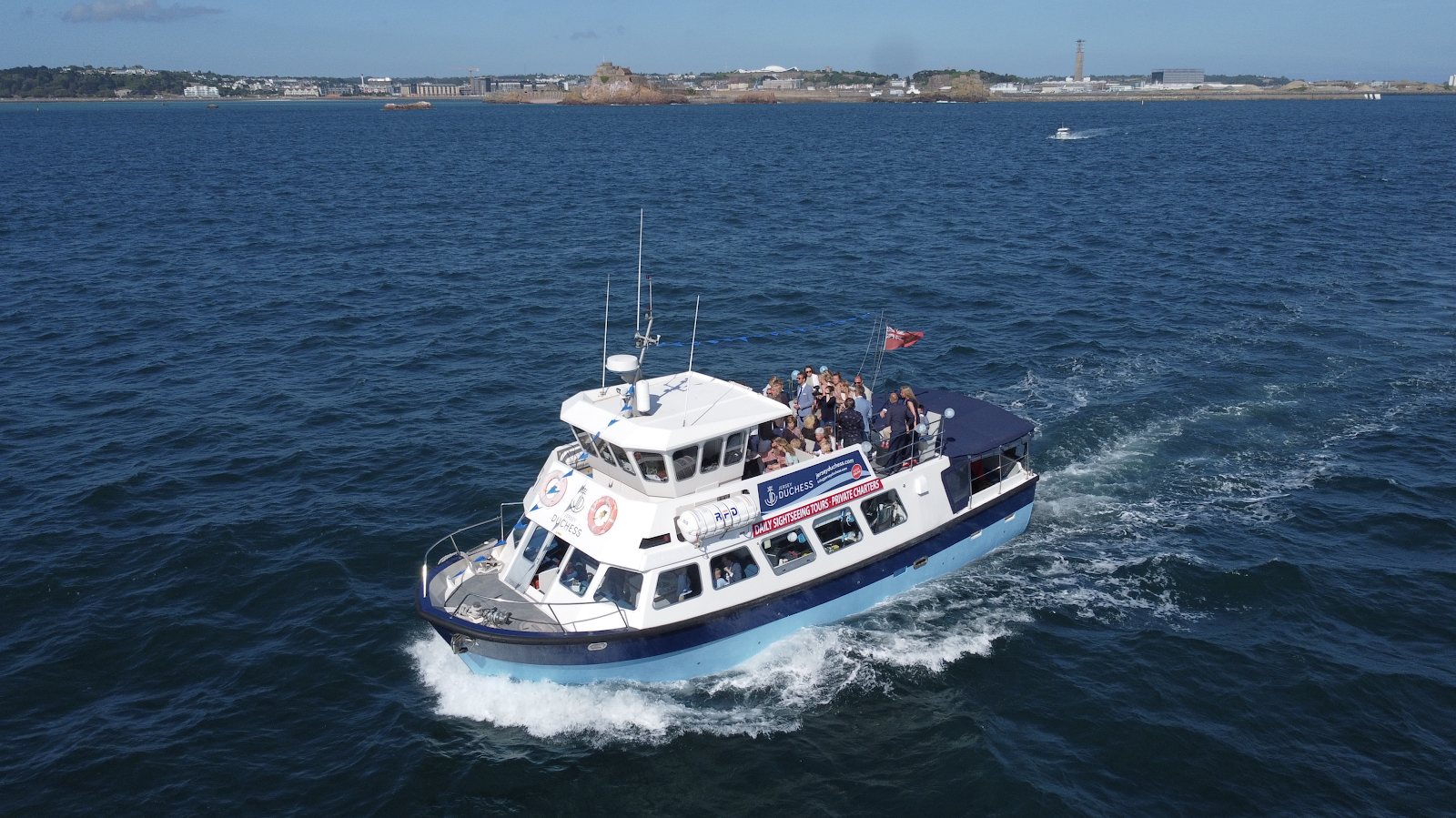
For travellers who prefer steady footing, indoor seating, and room to move around with a hot drink, traditional passenger vessels offer a relaxed maritime alternative. Vessels such as The Jersey Duchess operate along the southwest coast, carrying up to 75 passengers on leisurely sightseeing cruises. Rather than sitting astride jockey seats in an open cockpit, guests can relax on an outdoor observation deck or inside a comfortable salon while taking advantage of onboard amenities, including tea, coffee, and a licensed bar.
Similarly, operators such as Wow A Tour organize scheduled two-hour coastal excursions tailored around informative commentary and scenic appreciation. With a capacity of around 35 passengers and onboard refreshments available, these cruises do not demand the athletic agility required for boarding a fast inflatable. If your travel party includes multi-generational families, travellers with restricted mobility, or anyone wishing to capture steady photographs without salt spray on their lens, a classic passenger cruiser is a rewarding choice.
Private Charters and Specialist Vessels
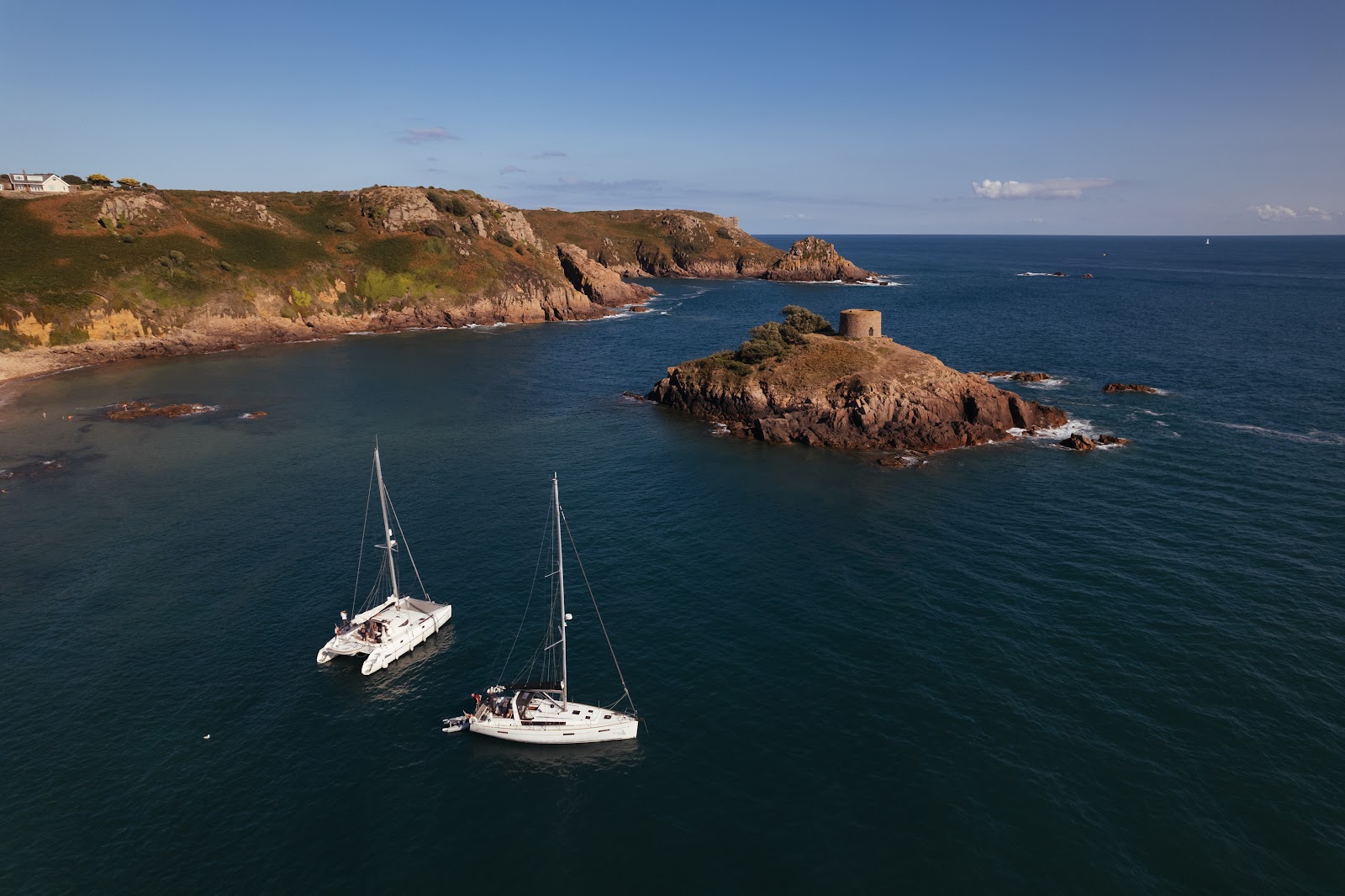
Beyond standard scheduled departures, private charters provide flexibility for customized itineraries, family celebrations, or private group adventures. Established providers like Le Mourier Marine manage fleets comprising both luxury cabin cruisers and performance RIBs, allowing guests to arrange bespoke excursions around the coast, to offshore sandbanks, or across to neighboring islands. Meanwhile, visitors seeking hands-on sailing experiences or chartered yacht outings can turn to Go-Sail - Jersey, operating skippered and bareboat yacht charters directly from St. Helier.
Les Écréhous: Jersey's Offshore Ramsar Wetland
Ask local mariners about the most captivating boat destination around Jersey, and you will almost certainly hear about Les Écréhous. Lying roughly 6 miles (or 6 nautical miles) northeast of Jersey, this collection of islands, rocky reefs, and sandbanks sits within the parish of St. Martin, even though its granite silhouettes lie remarkably close to the coast of Normandy.
Les Écréhous is designated as a Ramsar wetland of international importance due to its exceptional biodiversity and extraordinary intertidal marine environment. The scale of tidal movement here is striking. At high water, the sea swallows nearly the entire reef, leaving only a cluster of jagged outcrops and a handful of historic 19th-century fishermen's stone cottages standing isolated and vulnerable above the swell. As the tide recedes, an entirely different world reveals itself: vast golden sandbanks emerge from the depths, connected by expansive shingle bars, boulder fields, and crystalline rock pools.
Taking an ecrehous boat trip from Jersey's northeast shore is quick and straightforward. Departing from the slipway at St. Catherine's Breakwater aboard a high-speed RIB, the open-sea crossing takes only about 15 minutes. Upon arrival, the skipper maneuvers into protected shallow channels, anchoring near the exposed banks so passengers can disembark.
Depending on whether you book a voyage lasting 1.5, 2, or 3 hours, you will generally have between 20 minutes and nearly two hours ashore to explore on foot. You can wander along pebble spits, search tidal pools for marine life, or unpack a picnic on a pristine sandbank that disappears beneath deep water a few hours later. On warm summer days, the sheltered shallows become natural swimming pools, making swimwear and towels worth packing. However, visitors must understand the wild, unserviced nature of the reef: there are no public toilets, fresh water supplies, or rubbish bins on Les Écréhous. Additionally, maritime regulations are clear: commercial skippers are not permitted to drop off passengers and leave them unattended unless they hold private access to one of the cottages.
Venturing South: Les Minquiers Reef
While Les Écréhous has the intimate atmosphere of a miniature stone hamlet balanced atop granite ledges, Les Minquiers—often called 'The Minkies' by locals—presents an environment that is larger, more remote, and remarkably wild.
Located south of Jersey, the Minquiers reef plateau encompasses more than 300 square kilometres of granite fangs, submerged ledges, and tidal sandbars. When an extreme spring tide retreats, the exposed reef area is larger in footprint than many mainland cities. When high tide rolls back in, the ocean reclaims virtually all of it, leaving only a small cluster of stone cottages on the highest outcrop, Maîtresse Île, visible above the waves.
Reaching Les Minquiers requires a longer open-water run than visiting Les Écréhous. A fast RIB crossing takes around 30 minutes from St. Helier's Albert Pier or approximately 35 minutes when departing from St. Catherine's. The ride south cuts directly across open seas, providing panoramic horizons until the jagged granite teeth of the reef begin breaking the skyline.
Travellers organizing ecrehous trips often ask how a Minquiers expedition differs. A key practical detail is that environmental conservation legislation protects the migratory bird populations that nest and roost throughout the reef. Consequently, commercial tours do not land visitors on the main island (Maîtresse Île); instead, excursions take passengers ashore on the pristine, sweeping sandbar that emerges at low tide. Stepping off the boat onto clean, white sand completely surrounded by turquoise sea and distant granite towers feels genuinely otherworldly.
Scenic Coastal Cruises: Exploring Jersey from the Water
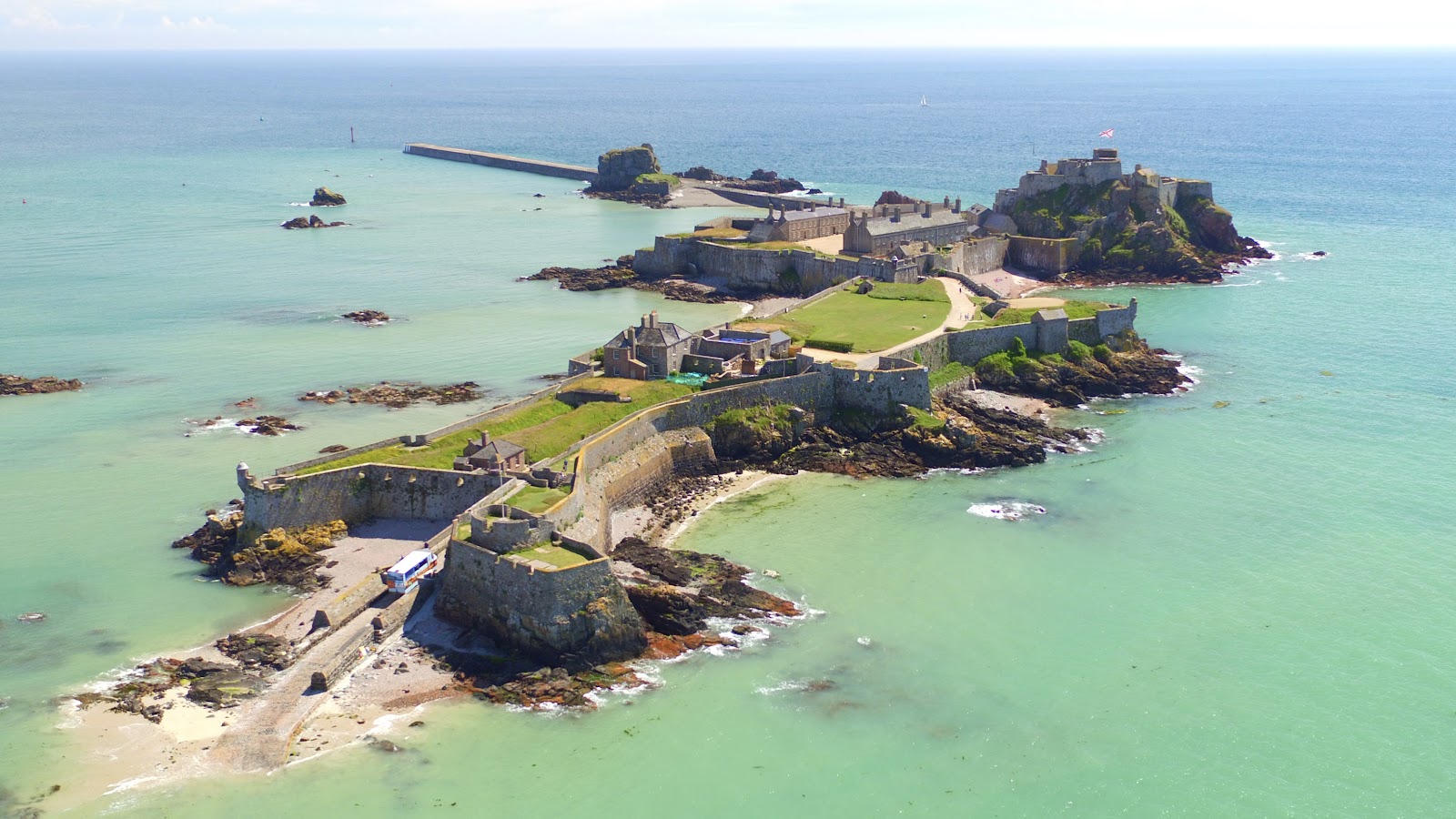
Not every rewarding boat tour requires voyaging miles offshore into open reefs. Jersey's mainland perimeter features a striking variety of sheer sea cliffs, quiet coves, and historical fortifications that reveal their true grandeur when viewed from seaward.
Cruises running along the southwest coastline, such as the two-hour scheduled tour operated by The Jersey Duchess from St. Helier Marina, offer an effortless introduction to local coastal history. Leaving the shelter of the harbor, you pass the historic granite ramparts of Elizabeth Castle standing guard over St. Aubin's Bay. Moving westward around Noirmont Point, the vessel glides past picturesque bays including Portelet Bay, Ouaisne Bay, St. Brelade's Bay, and the protected inlet of Beauport Bay.
The visual climax of southwest tours is typically the approach to Corbière Lighthouse. Reaching La Corbière from the water illustrates why this treacherous headland was so hazardous to navigators. The stark white lighthouse sits perched atop a jagged granite promontory where ferocious tidal currents collide over submerged rock shelves. Watching Atlantic swells crash against the rocky causeway gives passengers a memorable demonstration of Jersey's maritime power.
Along the north coast, high-speed RIB seafaris depart to explore towering cliffs, hidden sea caves, and secluded fishing coves such as Bouley Bay and Rozel Bay. These northern rock faces drop directly into deep water, creating a dramatic vertical panorama that contrasts sharply with the sweeping sandy beaches of the southern coast.
Jersey Wildlife Boat Trips: What Can You Expect to See?
A primary highlight for booking jersey wildlife boat trips is the chance to watch marine life in a clean, natural habitat. The waters surrounding Jersey and the wider Channel Islands archipelago sustain an exceptionally rich ecosystem, driven by powerful tidal streams that circulate nutrient-rich seawater through reefs and shallow bays.
Bottlenose Dolphins and Porpoises
The Channel Islands host the largest pod of Bottlenose Dolphins in Europe. These marine mammals inhabit regional waters year-round and are not restricted to any single bay or feeding ground. While traveling between offshore reefs or skirting coastal headlands, tour boats regularly encounter pods moving across open water, occasionally leaping in open water or surfing the vessel's wake.
Operators such as Jersey Seafaris report dolphin sightings on roughly 35% of their tours. Because these are free-ranging wild animals, sightings can never be guaranteed on any individual departure, yet encounters remain a regular highlight throughout the operational season. In addition to Bottlenose Dolphins, sharp-eyed passengers may spot Common Dolphins or Harbour Porpoises surfacing briefly in tidal rips.
Atlantic Grey Seals
While dolphins roam across broad coastal expanses, the outlying reefs—especially Les Écréhous—serve as premier territory for Atlantic Grey Seals. The maze of isolated channels, kelp forests, and shallow sandbars provides an ideal setting for resting and foraging. On an ecrehous wildlife seafari, passengers regularly spot grey seals hauled out on sunny rocks at half-tide, or popping their smooth heads above the water to examine approaching watercraft from a safe distance.
Coastal Seabirds
For birdwatching enthusiasts, Jersey's sea stacks and offshore sandbars provide critical nesting and feeding grounds. During open-water runs, Northern Gannets can often be seen circling overhead before folding their wings and plunging into the ocean at breathtaking speeds. Terns feed actively along low-tide sandbars, while razorbills, guillemots, herons, and cormorants are routinely observed fishing along rocky fringes.
Key Departure Locations Across the Island
Because tour operators make use of different harbors depending on trip destinations, vessel types, and tide levels, it is essential to check your booking confirmation carefully for the designated meeting location. Jersey's main departure points include:
- St. Catherine's Breakwater (St. Martin): Positioned on the quiet northeast coast, this is the main departure harbor for boat trips to Les Écréhous. The sheltered slipway opposite the breakwater enables fast RIBs to clear the coast and arrive at the reef in around 15 minutes. Free vehicle parking is available along the breakwater, and public bus routes (Routes 2 and 2a) link the site with St. Helier.
- Albert Pier Pontoon / St. Helier Marina (St. Helier): Situated in the island capital near the RNLI Lifeboat Station, Albert Pier is the departure point for southwest coastal tours aboard The Jersey Duchess, private yacht charters with Go-Sail, and southern RIB departures heading to Les Minquiers. The pier is an eight-minute walk from the Liberation Station bus terminal and has paid parking nearby.
- Gorey Pier (St. Martin / Grouville): Set beneath the historic walls of Mont Orgueil Castle on the east coast, Gorey Pier is occasionally used for coastal sightseeing runs and specialized seafaris.
- Bouley Bay and Rozel Bay: These historic, sheltered fishing coves on Jersey's north coast serve as boarding locations for north-coast cave explorations and tailored charter trips.
Practical Planning: Safety, Clothing, and What to Pack
A successful trip on the water requires practical forethought. Channel Island maritime conditions can change quickly, and open-boat seafaris demand a different level of preparation than conventional land tours.
Health and Physical Considerations
While large cruisers like The Jersey Duchess offer a steady, level deck suitable for almost all ages, high-speed open RIBs involve distinct physical considerations. Because these boats travel at speeds up to 30 knots in open coastal waters, the craft reacts actively to waves and tidal chop.
For safety reasons, RIB excursions are not suitable for pregnant women or individuals with past or current back, neck, or heart conditions. Furthermore, boarding an open RIB generally requires stepping down roughly 60 centimetres onto the deck, and landing at Les Écréhous or the Minquiers sandbar at certain tidal stages may require negotiating a short boarding ladder onto uneven ground. If anyone in your group has mobility restrictions, confirm the boarding setup with the tour company before booking.
Seasickness and Weather Contingencies
Travellers often wonder about seasickness on smaller craft. Interestingly, acute motion sickness is rare on fast open RIBs compared to large, enclosed ferries. Because passengers sit in open air with unobstructed views of the horizon, and because deep-V planing hulls move swiftly across the water rather than rolling in a heavy swell, the vast majority of guests experience no discomfort. However, if conditions become unsafe or persistent heavy rain sets in, skippers will cancel departures for passenger safety. Companies monitor marine forecasts closely and contact guests via mobile phone if an excursion must be rescheduled.
Recommended Clothing and Gear
Even on a warm summer afternoon, conditions out on the open sea feel considerably cooler than on land. Moving at 28 knots produces steady windchill, and salt spray is always possible.
- Layered Clothing: Dress in warm, breathable layers topped with a windproof jacket or fleece. Even if you depart the harbor in a T-shirt, you will appreciate an extra layer once the boat reaches cruising speed.
- Footwear: Wear flat, secure shoes with good grip. When stepping ashore at Les Écréhous or along the Minquiers sandbar, you will encounter damp shingle, wet sand, and rock pools. Trainers, amphibious shoes, or secure strapped sandals work much better than flip-flops.
- Sun Protection: The ocean surface reflects sunlight, intensifying exposure. Bring sunscreen, sunglasses (ideally fitted with a strap), and a snug hat that will not blow off in the wind.
- Picnic and Refreshments: On two- to three-hour reef visits, bring a small pack containing water and snacks. Les Écréhous and Les Minquiers have no commercial outlets or drinking taps, so everything you need must be brought with you.
- Baggage: Storage space on an open RIB is limited. Operators provide dry storage compartments under seats for small backpacks and cameras, but large luggage cannot be accommodated.
Summary: Respecting Jersey's Offshore Ecosystem
Exploring Jersey from the water offers an unforgettable window into the natural forces that define this island. Whether you are observing a pod of Bottlenose Dolphins crossing a tidal channel, standing on an ephemeral sandbank at Les Minquiers that will vanish beneath metres of water before nightfall, or examining the historic stone huts of Les Écréhous, these tours showcase a wild side of the Channel Islands that few landlocked visitors ever see.
As you plan your excursion, bear in mind that these offshore reefs are sensitive, protected ecosystems. Always follow your skipper's environmental instructions, remain on designated gravel paths where indicated, take all rubbish back to the mainland, and maintain a respectful distance from nesting seabirds and resting seals. With careful preparation and respect for the sea, an excursion across Jersey's waters will be a standout highlight of your trip.
Cover photo: Jersey Seafaris
By Alyssa.
Sources and further information
- Jersey Seafaris | RIB Boat Trips, Tours and Charters
- FAQ — Jersey Seafaris | RIB Boat Trips, Tours and Charters
- Jersey Boat Tours & Boat Charters
- Jersey RIB Boat Trips | Sea Safaris, Tours and Charters | Ecrehous
- Jersey RIB Boat Trips | Sea Safaris, Tours and Charters | Minquiers
- Ecrehous Seafaris | RIB boat trips | Things to do in Jersey — Jersey Seafaris | RIB Boat Trips, Tours and Charters
Sources checked: 2026-10-31.