La Pouqelaye de Faldouet Dolmen
La Rue des Marettes, St Martin, Jersey, JE3 6DS, Channel Islands. Located in a field near the junction of Le Mont Mallet and La Rue de la Marettes.
Rating: 4.4 ★ (70 ratings)
Details
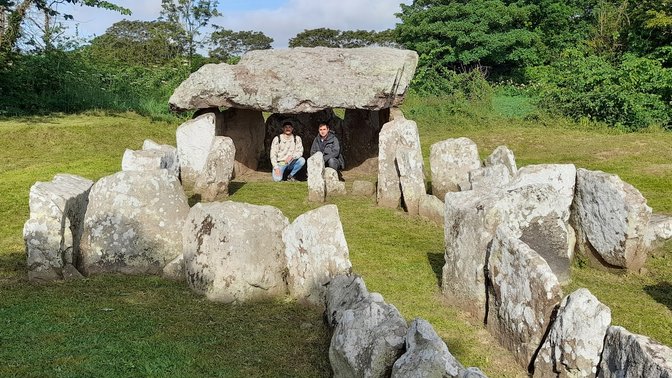
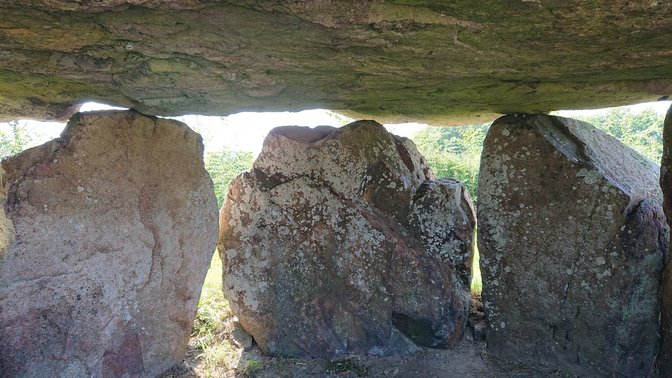
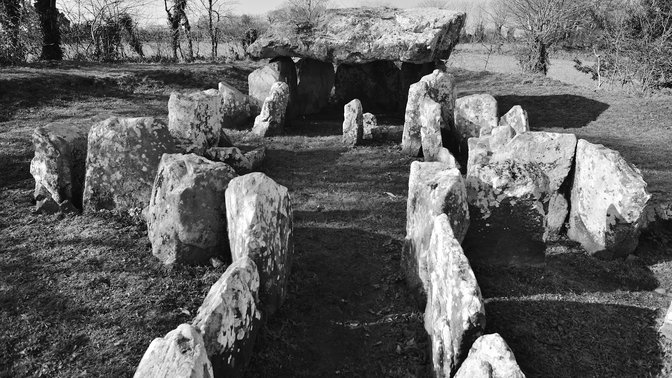
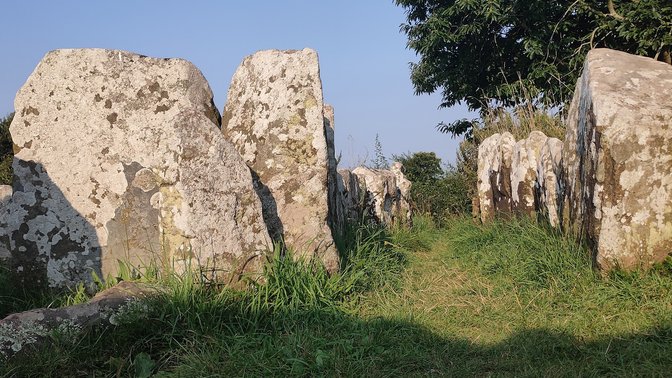
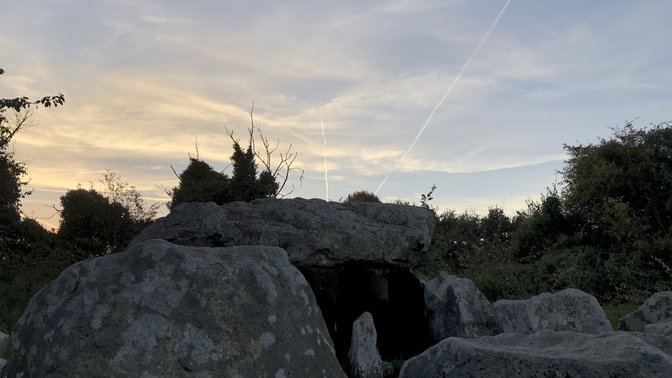
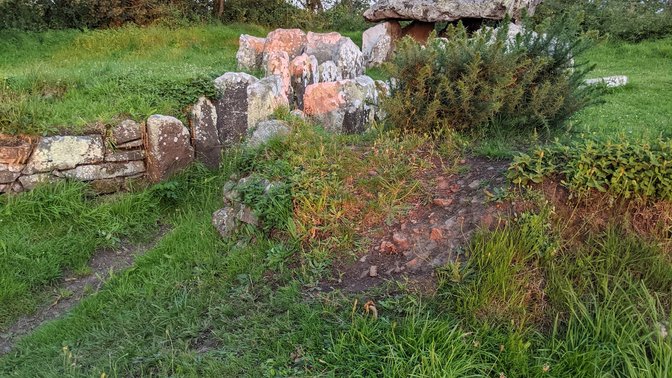
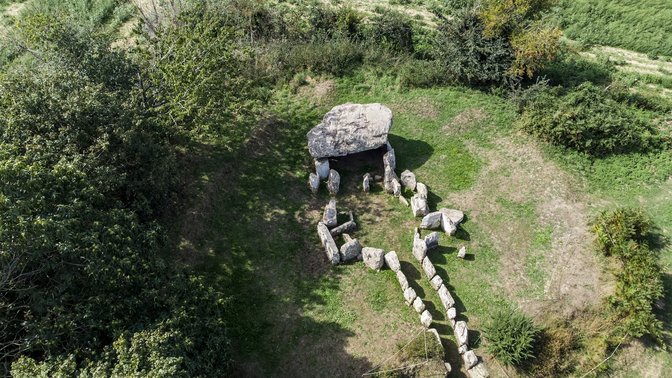
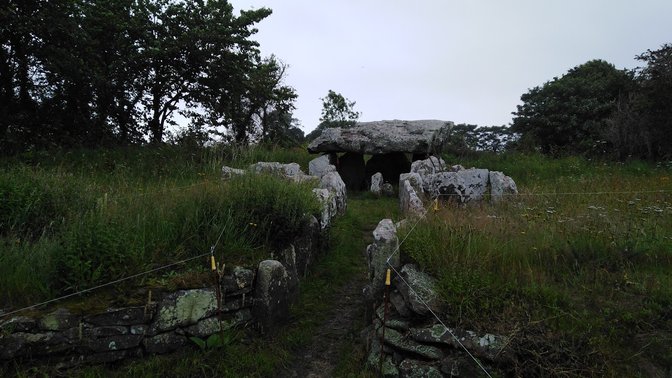
La Pouquelaye de Faldouet is a Neolithic passage grave located in Jersey, Channel Islands, dating back approximately 6,000 years. The site features a 5-meter long passage that leads to a large circular main chamber, which in turn connects to a distinctive double chamber. A massive capstone, weighing around 24 tons and sourced from a rhyolite outcrop 0.5km to the north, covers the end chamber. The monument is further defined by three smaller side chambers and two internal stone cists (boxes) that form the edges of the main chamber. While the cists had capstones, it is believed that the passage and central area were likely unroofed. The entire structure is encircled by at least two drystone revetments and a ring of upright stones. When the site fell out of use, it was covered by a rubble mound, leaving only the large capstone visible.
First recorded in 1682, La Pouquelaye de Faldouet has undergone multiple excavations, notably in 1839, 1868, and 1910 by the Société Jersiaise. These excavations have yielded significant archaeological finds, including human remains from at least three adults and two children (one found as a complete skeleton in a seated position within a side chamber). Other discoveries include complete plain pottery bowls, a small 'pigment cup', two vase supports, flint tools, stone axes, rubbers, hammers, and pendants made of greenstone and dolerite. The dolmen is one of two known monuments in Jersey that are aligned with the solar equinox. The site is managed by the Société Jersiaise and is free to visit.
Location
Opening Hours
Open all year round
Contact
[email protected] (for Gorey area inquiries which includes Faldouet Dolmen). For specific inquiries about the site, contact Jersey Heritage or the Société Jersiaise.