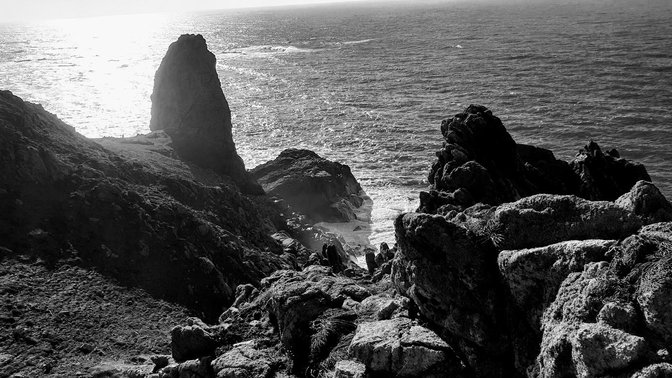
Canal Du Squez
Jersey JE3, Jersey
Rating: 4.5 ★ (4 ratings)
Details
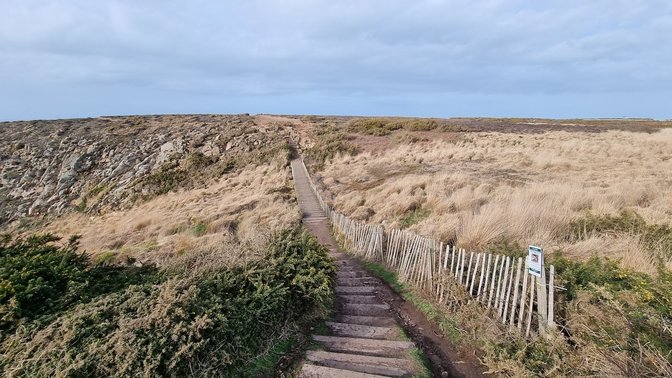
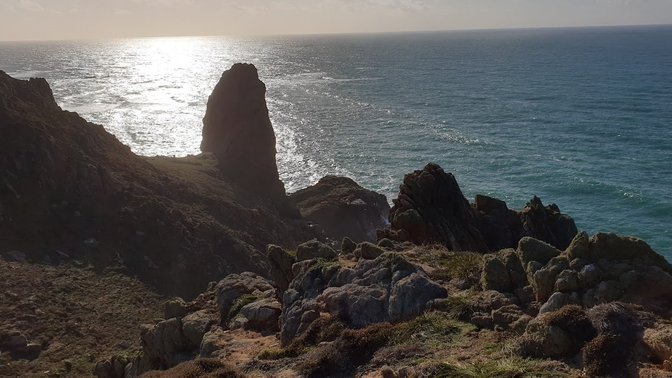
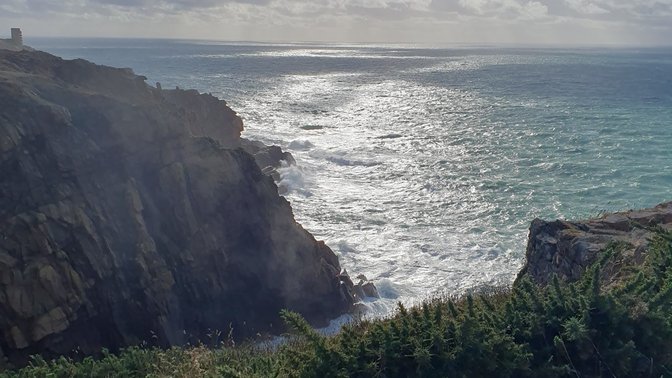
This part of the Jersey Island has one of the best and the most dramatic views and a lot of history. It is one of the main attraction on this Island and a very popular area especially for walking Visit yesterday Canal du squez (149) (1280x853) - copy.jpg Le Canal du Squez Le Canal du Squez lies within the Les Landes SSI, on the edge of a shallow, hanging valley which would have provided a source of fresh water. Location St Ouen The paths crossing the upland heath are littered with stone tools eroding from a campsite occupied around 9000 years ago; here people were bringing in flint pebbles and producing tiny flint blades and tools (“microliths”), which were hafted as the tips of lightweight spears or arrows. At this point, sea level was still low and areas now under the sea would have been productive landscapes.The north cliffs of Jersey seem to have been a favoured place for Mesolithic hunters; they would have faced out towards the sea, some way off, overlooking a broad coastal plain. Around this time, sea levels were rising as climate warmed, creating new landscapes of islands and peninsulas. Jersey at this time was a peninsula of France, jutting out into the Norman-Breton gulf,
Location
Opening Hours
Monday: Open 24 hours | Tuesday: Open 24 hours | Wednesday: Open 24 hours | Thursday: Open 24 hours | Friday: Open 24 hours | Saturday: Open 24 hours | Sunday: Open 24 hours
Comments
Visit yesterday
Canal du squez (149) (1280x853) - copy.jpg
Le Canal du Squez
Le Canal du Squez lies within the Les Landes SSI, on the edge of a shallow, hanging valley which would have provided a source of fresh water.
Location
St Ouen
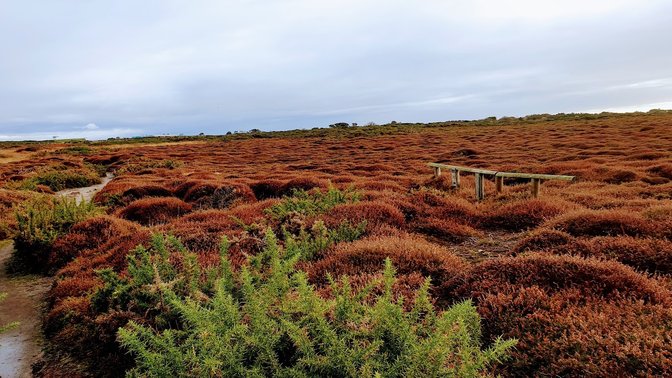
The paths crossing the upland heath are littered with stone tools eroding from a campsite occupied around 9000 years ago; here people were bringing in flint pebbles and producing tiny flint blades and tools (“microliths”), which were hafted as the tips of lightweight spears or arrows. At this point, sea level was still low and areas now under the sea would have been productive landscapes.The north cliffs of Jersey seem to have been a favoured place for Mesolithic hunters; they would have faced out towards the sea, some way off, overlooking a broad coastal plain. Around this time, sea levels were rising as climate warmed, creating new landscapes of islands and peninsulas.
Jersey at this time was a peninsula of France, jutting out into the Norman-Breton gulf, and attracted increasing numbers of hunter-gatherers. Mesolithic people seem to have found new opportunities within these dynamic environments; as their landscapes flooded and changed, they successfully combined hunting large mammal prey with the exploitation of new marine resources.
#IceAgeIsland #jersey #St_quen