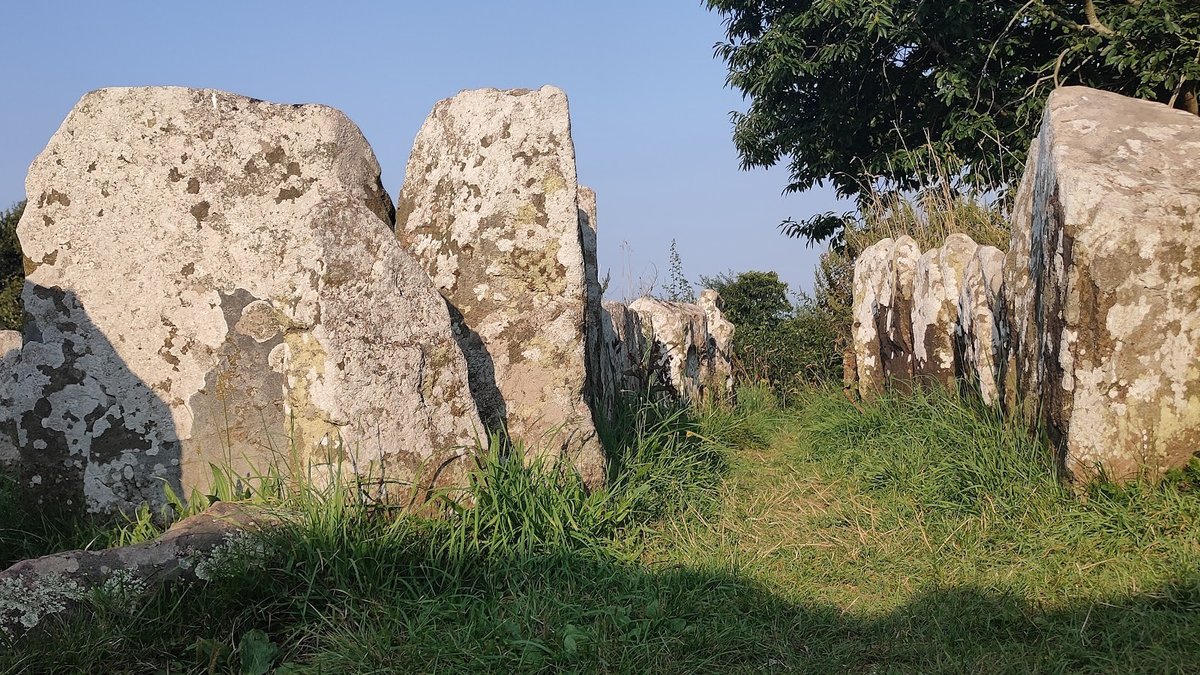
Faldouet Dolmen (La Pouquelaye de Faldouet)
Rue de Marettes, Jersey JE3
Rating: 4.5 ★ (80 ratings)
Details
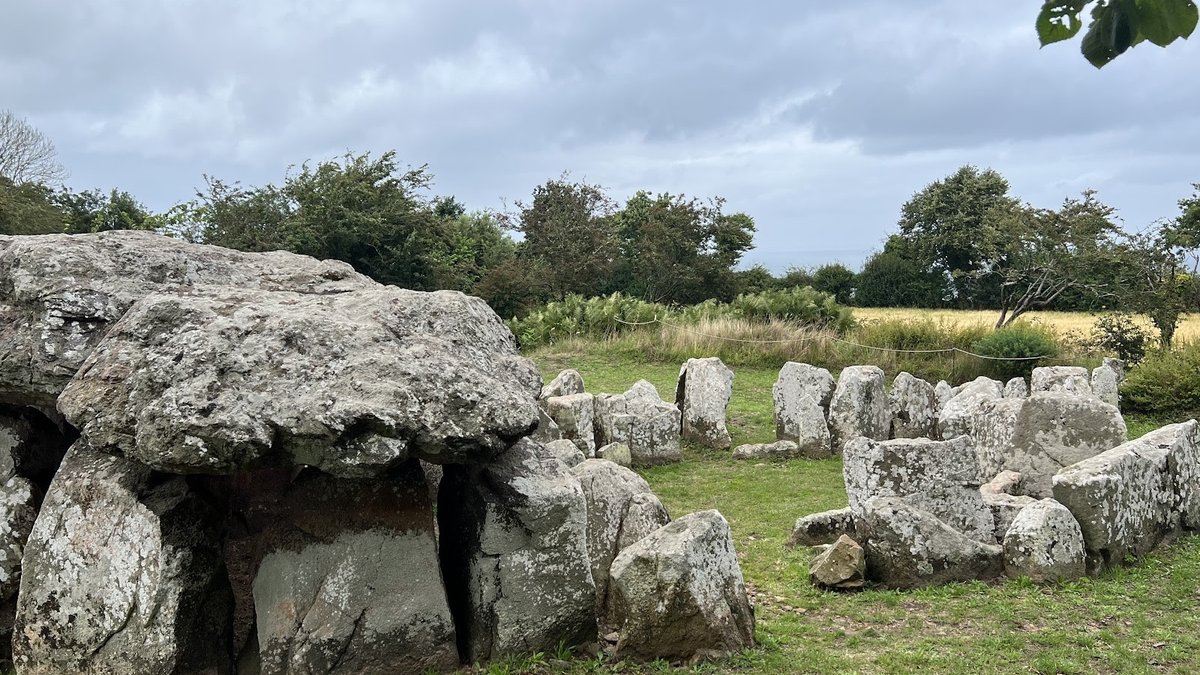
Faldouet Dolmen (La Pouquelaye de Faldouet) is a remarkably preserved Neolithic passage grave, dating back approximately 6,000 years, nestled in a tranquil field in St Martin, Jersey. This ancient site, once known as the place of the fairies, offers a profoundly peaceful atmosphere, inviting visitors to step back in time amidst the island's countryside. Its historical significance and relative lack of crowds make it a standout destination for quiet contemplation.
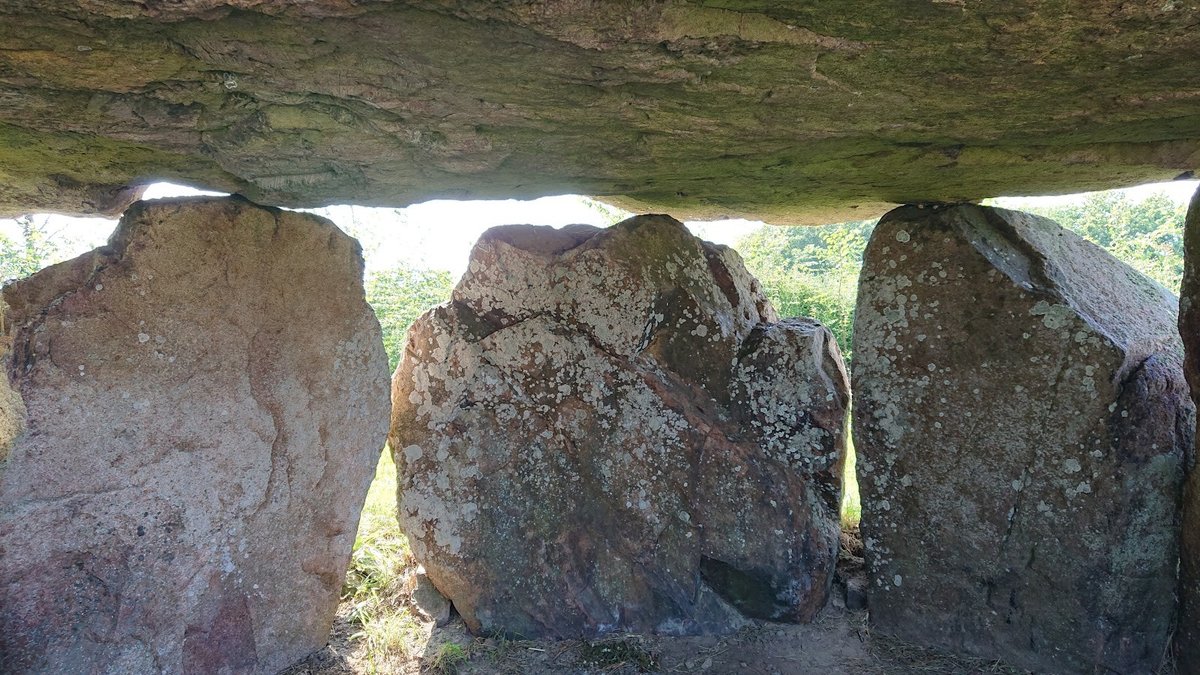
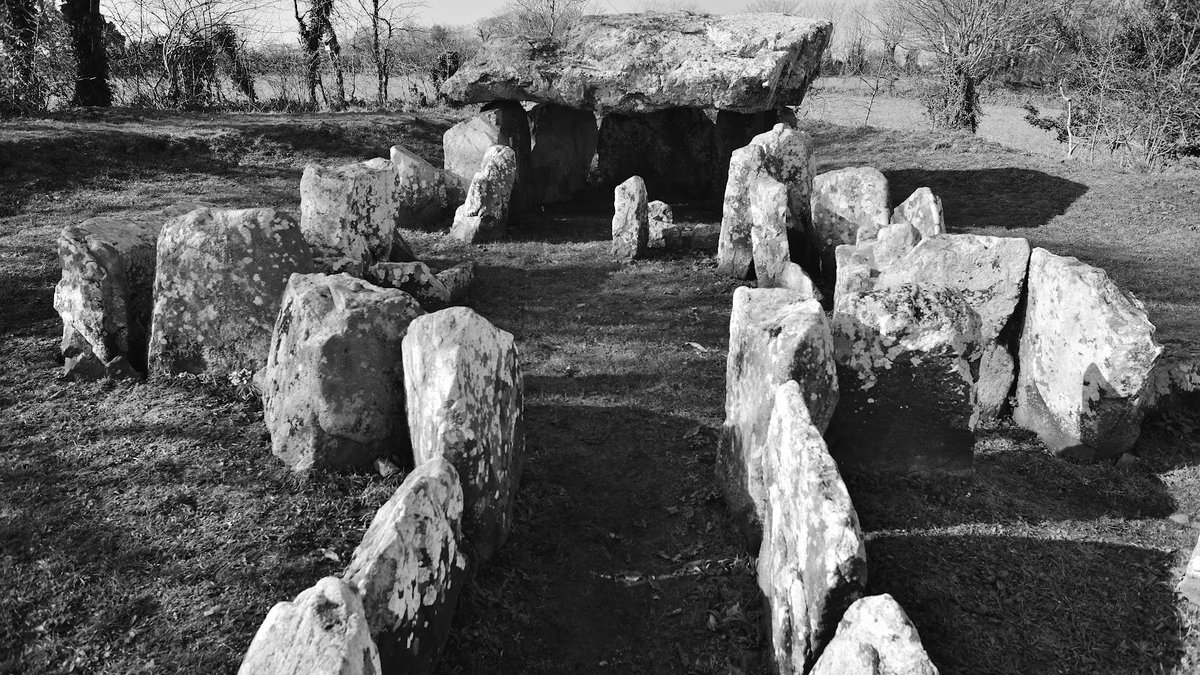
Exploring the dolmen reveals a 5-meter passage that leads into a large circular main chamber, further connecting to a distinctive double chamber. A truly impressive 24-tonne capstone, sourced from a rhyolite outcrop half a kilometre to the north, dramatically covers the end chamber. Additionally, visitors can observe three smaller side chambers and two internal stone cists that form parts of the main structure. This monument is also notable for being one of only two in Jersey aligned with the solar equinox.
This compelling site is perfectly suited for history enthusiasts, archaeologists, and anyone captivated by prehistoric civilisations seeking an authentic connection to Jersey's ancient past. It lends itself well to short, reflective visits, offering a unique opportunity for quiet exploration and appreciation of its enduring mystery. The overall appeal lies in its significant archaeological integrity and the chance to experience a truly archaic monument within a serene and unspoiled rural setting. It remains free to visit for all.
Location
Opening Hours
Monday: Open 24 hours | Tuesday: Open 24 hours | Wednesday: Open 24 hours | Thursday: Open 24 hours | Friday: Open 24 hours | Saturday: Open 24 hours | Sunday: Open 24 hours
Contact
https://www.jerseyheritage.org/visit/places-to-visit/faldouet-dolmen/
Comments
The main chamber is open and surrounded by a series of small stone cists (boxes) while the end chamber is covered by a massive 24-ton capstone. The whole site was originally encircled by a low mound with two drystone walls and a ring of
upright stones. The site was first recorded in 1682 and was excavated three times before 1910. Human remains were found in the cists and finds from the chamber include pottery vessels, two polished stone axes and two stone pendants."
From Jersey Heritage website