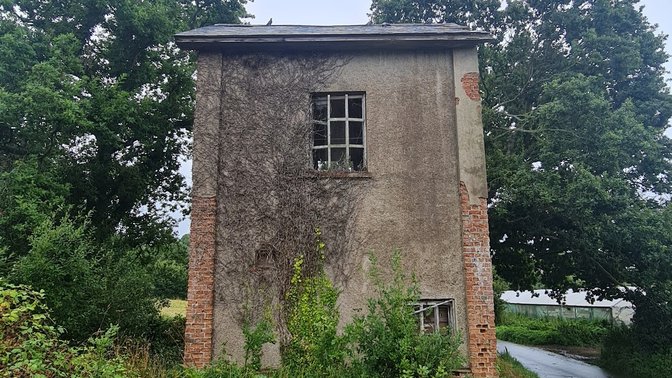
World War Two German electricity substation
Grouville, Jersey JE3
Rating: 5.0 ★ (3 ratings)
Details
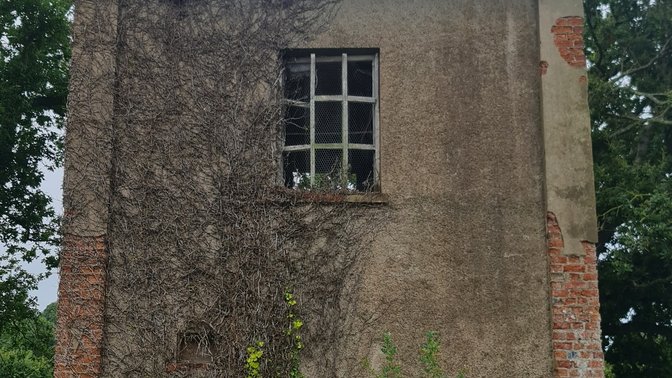
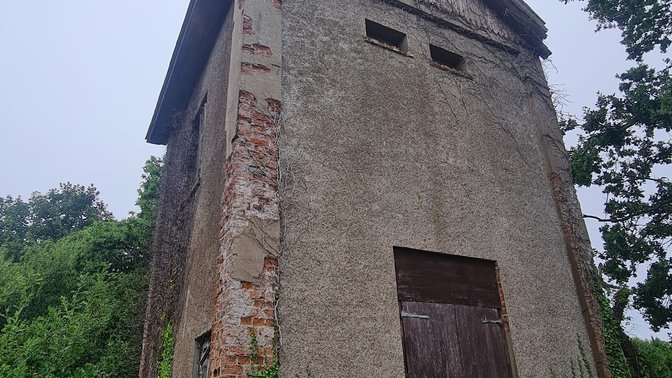
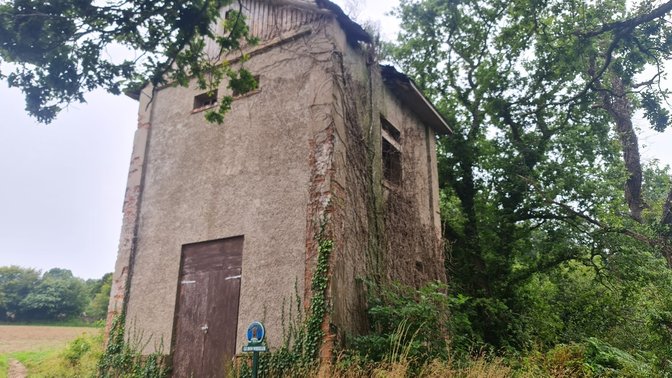
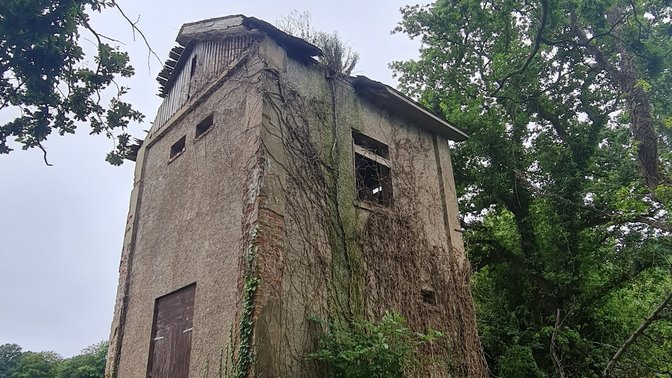
What kind of structure is it? This is a transformer/electric substation built by the Germans during the occupation of Jersey in World War II. It was one of several similar structures used for distributing and supplying electricity, including to fortifications and military facilities built by the occupiers. It was constructed in 1943 by the Organisation Todt (OT) – the German military engineering organization responsible for wartime constructions. 🏝 Significance during the war While the Channel Islands (including Jersey) were the only British territory occupied during World War II (from 1 July 1940 to 9 May 1945), the Germans developed a system of fortifications known as the Atlantic Wall. This included not only bunkers, artillery batteries, and tunnels but also auxiliary infrastructure, such as substations, to supply electricity to fortifications and logistics centers. 🧱 Architecture and preservation – The current building is the last surviving one of three such structures on the island; the others were demolished in the 1970s. – Its distinctive design combines brick, concrete, and construction elements intended to make the building less visible in the landscape. – After the war, t
Comments
This is a transformer/electric substation built by the Germans during the occupation of Jersey in World War II. It was one of several similar structures used for distributing and supplying electricity, including to fortifications and military facilities built by the occupiers. It was constructed in 1943 by the Organisation Todt (OT) – the German military engineering organization responsible for wartime constructions.
🏝 Significance during the war
While the Channel Islands (including Jersey) were the only British territory occupied during World War II (from 1 July 1940 to 9 May 1945), the Germans developed a system of fortifications known as the Atlantic Wall. This included not only bunkers, artillery batteries, and tunnels but also auxiliary infrastructure, such as substations, to supply electricity to fortifications and logistics centers.
🧱 Architecture and preservation
– The current building is the last surviving one of three such structures on the island; the others were demolished in the 1970s.
– Its distinctive design combines brick, concrete, and construction elements intended to make the building less visible in the landscape.
– After the war, the building was used as an agricultural storage facility but eventually fell into disrepair. It was later handed over to the National Trust for Jersey for preservation as an important part of local history.
🛠 Future plans
In recent years, proposals have been made to adapt the substation for tourist or residential use, for example as a small holiday home, while maintaining its historic character. There is an ongoing debate because some locals would prefer it to remain a place of memory and historical education rather than being converted into private accommodation.